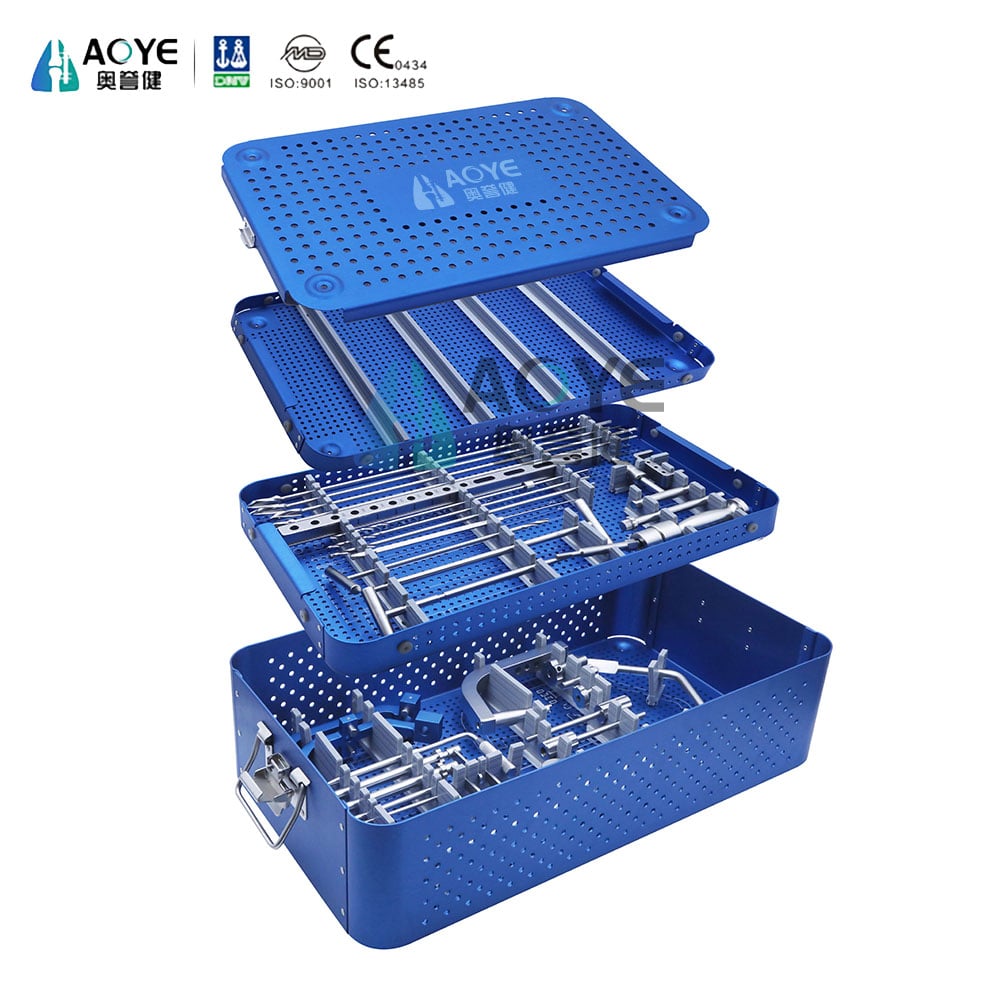
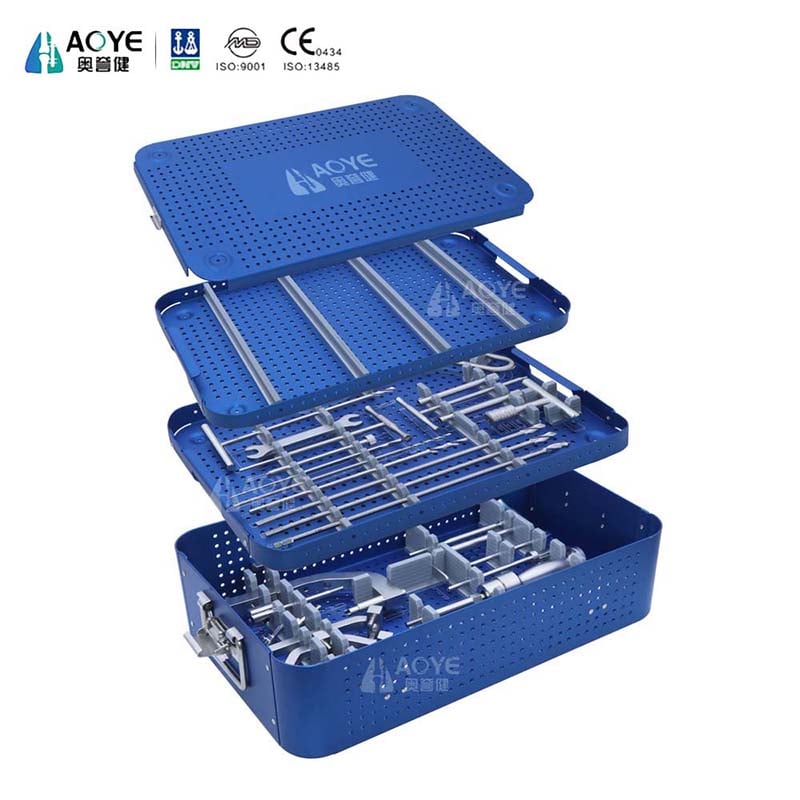
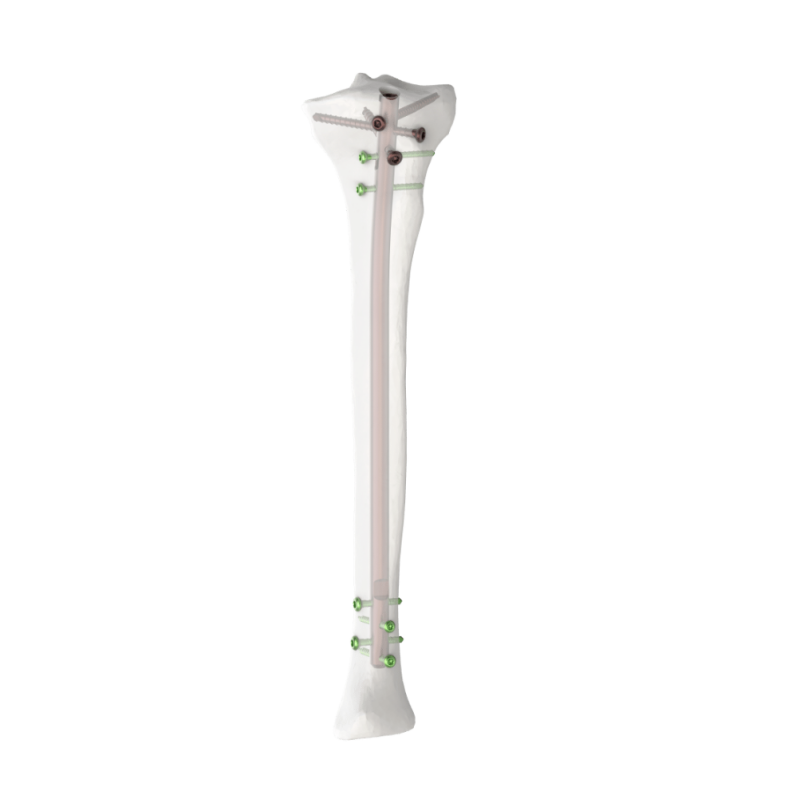
When selecting a basic orthopedic instrument set, it’s crucial for medical professionals and purchasing managers to understand their specific needs, including the types of procedures they will perform and the quality standards required. Aoyujian Medical, a leading Chinese manufacturer of orthopedic implants and instruments, provides high-quality sets that meet industry standards and are ISO13485/CE certified. This article will explore how to choose the right basic orthopedic instrument set, key specifications to consider, common issues associated with orthopedic instruments, their applications in medical procedures, and the advantages of the materials used in these sets.
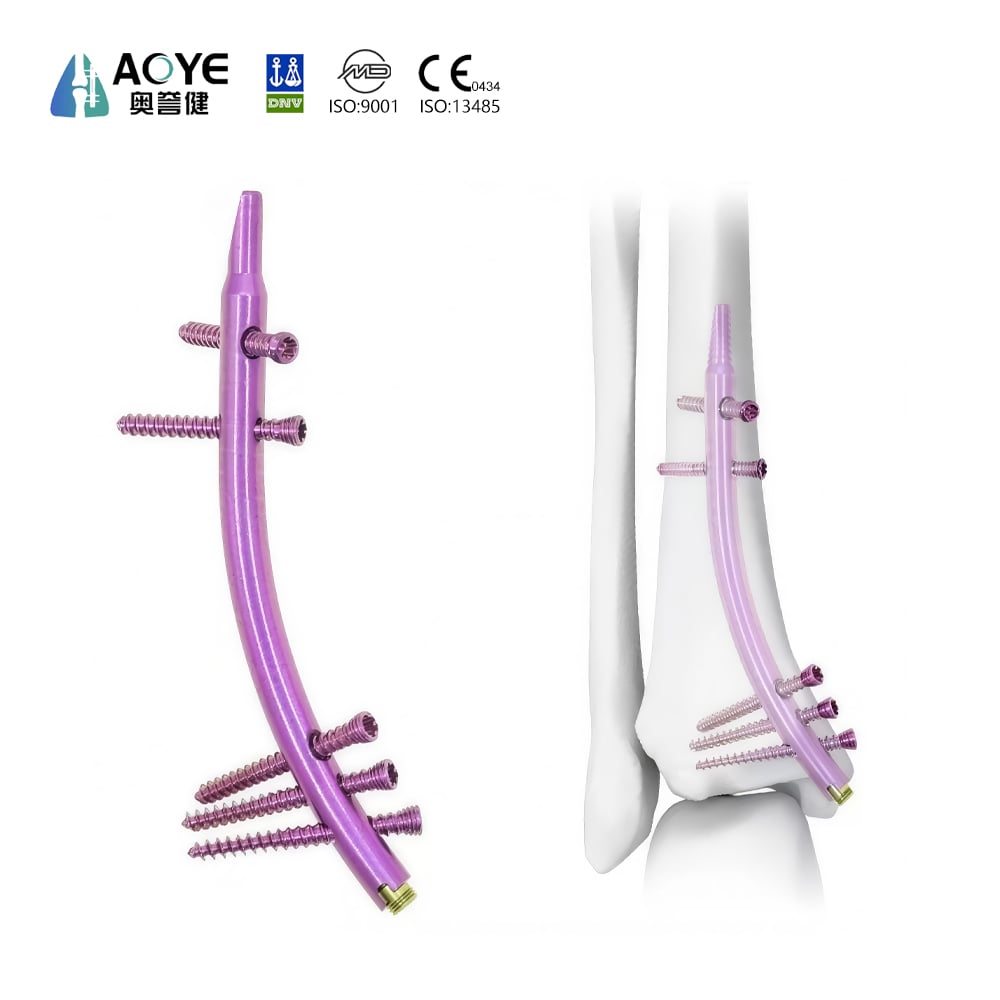
Selecting the right basic orthopedic instrument set involves evaluating the types of surgical procedures your facility typically performs. Consider the specific instruments needed for trauma, spine, or sports medicine surgeries. Each subset may require specialized tools, such as bone saws, retractors, or fixation devices, tailored to the particular procedures. For trauma surgeries, using advanced Trauma Instruments is essential for effective treatment.
In addition to the selection of instruments, buyers should assess the quality of the materials used in the construction of these instruments. Stainless steel is often preferred due to its durability and resistance to corrosion, which is essential for maintaining hygiene in medical settings. It is also wise to inquire about the manufacturer’s production capacity and their experience with custom sets, especially if your facility has unique requirements.
Lastly, understanding the packaging and sterilization methods is crucial. Instruments must be delivered in a manner that ensures they remain sterile until use, typically involving sealed, clear packaging that allows for easy inspection.

When evaluating a basic orthopedic instrument set, several key specifications should guide your decision:
Material Composition: The instruments should be made from high-grade stainless steel or other corrosion-resistant materials to prevent contamination and ensure longevity.Dimensions and Ergonomics: Instruments should be designed for comfort and ease of use, with dimensions that fit the hand of the surgeon comfortably, allowing for precision in delicate procedures.Finish and Surface Treatment: A smooth finish is necessary to minimize friction and improve handling, while also facilitating cleaning and sterilization.Durability and Resistance: Instruments should be evaluated for their resistance to wear and tear during repeated use and sterilization cycles.Confirming these specifications with the manufacturer ensures that the set meets your operational needs while adhering to safety regulations.
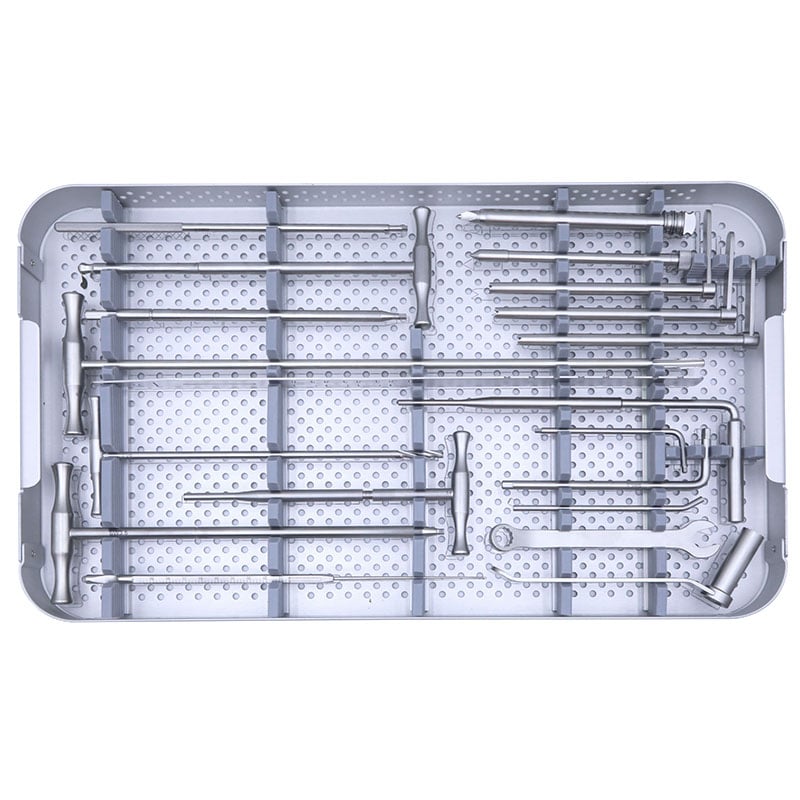
Orthopedic instruments often face challenges such as wear and tear, improper sterilization, and damage during handling. Common issues include:
Corrosion and Rusting: This can occur if instruments are not properly cleaned or if they are made from lower-grade materials. To address this, ensure instruments are made of high-quality stainless steel and are thoroughly dried and stored in a dry environment.Misalignment or Poor Fit: Instruments that do not fit together properly can lead to complications in surgery. It’s essential to check the tolerances of the instruments and to request samples for evaluation before placing a large order.Insufficient Sterilization: If instruments are not sterilized properly, they can pose a risk to patient safety. Ensure the manufacturer provides clear guidelines on sterilization methods and that their packaging supports this process.By anticipating these issues and establishing preventive measures, purchasing managers can enhance the reliability and safety of their surgical instruments.
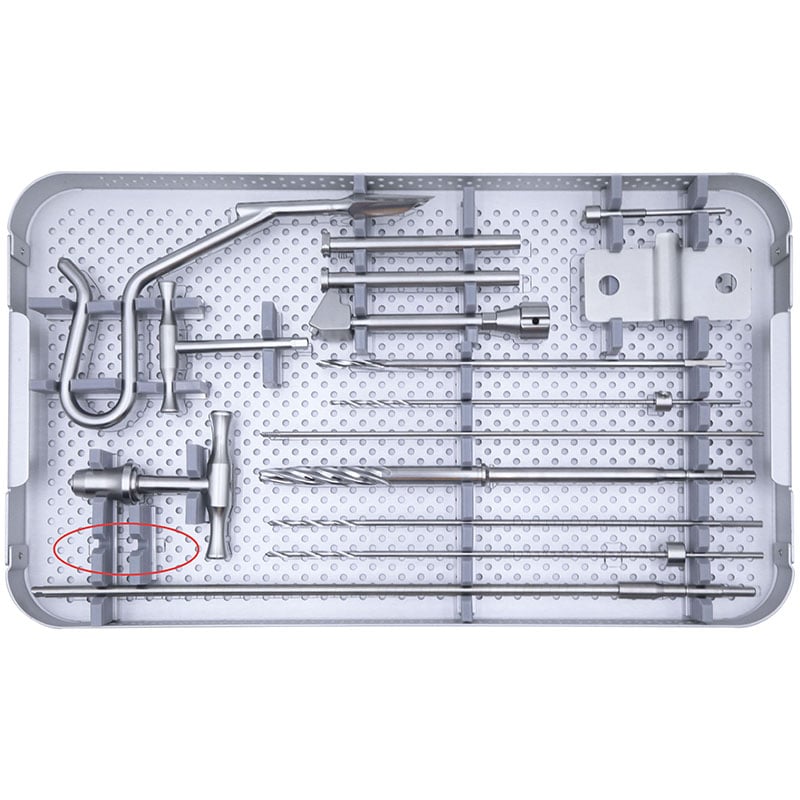
Basic orthopedic instrument sets are crucial in various medical procedures, including:
Trauma Surgery: These sets often include instruments for fracture fixation and repair, such as plates, screws, and bone clamps.Spinal Surgery: Instruments specifically designed for spine procedures, like spinal retractors and interbody fusion devices, are essential for safely accessing the spine.Sports Medicine: Sets may also include arthroscopic instruments for minimally invasive surgeries, allowing for quicker recovery times for athletes.Understanding the specific applications of the instruments in your set helps ensure you have the necessary tools for effective patient care.
The choice of materials in orthopedic instrument sets greatly impacts their performance and longevity. Key advantages of the materials used by Aoyujian Medical include:
Stainless Steel: This material is not only durable and resistant to rust but also easy to sterilize, making it a top choice for surgical instruments. Its strength ensures that instruments do not deform under stress during surgical procedures.Titanium Options: For certain instruments, titanium may be used due to its lightweight nature and high strength-to-weight ratio. This is particularly beneficial in procedures requiring precision and control.Coating Technologies: Advanced coatings can enhance the instruments' performance by providing additional protection against scratches and wear, thereby extending their lifespan.By investing in high-quality materials, buyers can ensure that their orthopedic instrument sets provide reliable performance and safety in surgical applications.
In summary, selecting the right basic orthopedic instrument set is pivotal for medical professionals. By understanding the specifications, identifying common issues, and recognizing the applications of these instruments, buyers can make informed decisions that enhance surgical efficacy and patient outcomes.
Aoyujian Medical Technology provides trusted orthopedic solutions, high-quality implants, OEM/ODM services, and global shipping for hospitals & distributors.
No. 2 Changting Road, Gehu Farm, Wujin Economic Development Zone, Changzhou, Jiangsu, China
Copyright © Aoyujian Medical Technology (Changzhou) Co., Ltd. All Rights Reserved - Privacy Policy - Blog
 EN