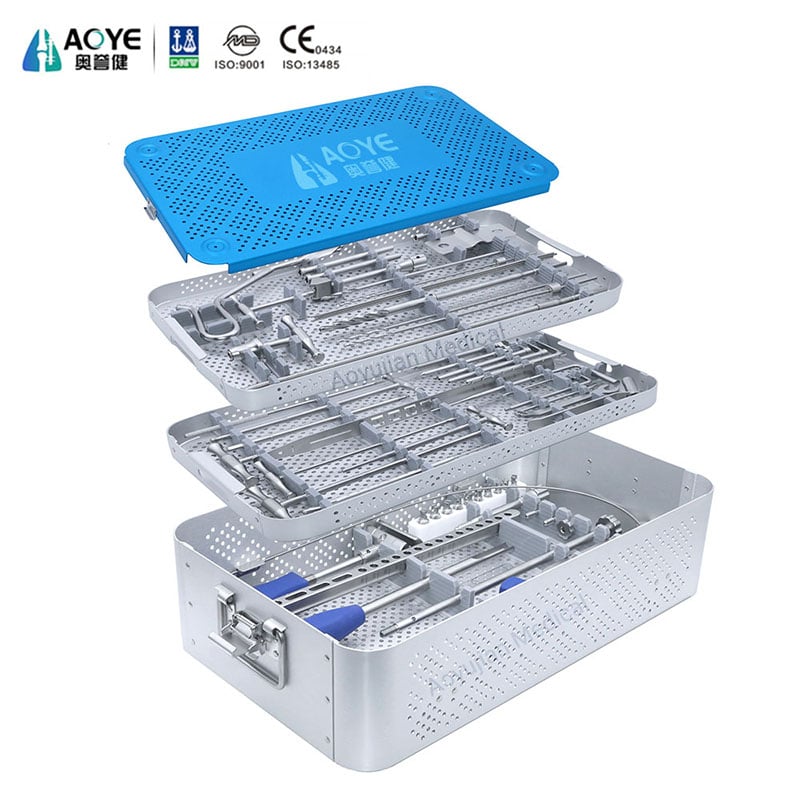
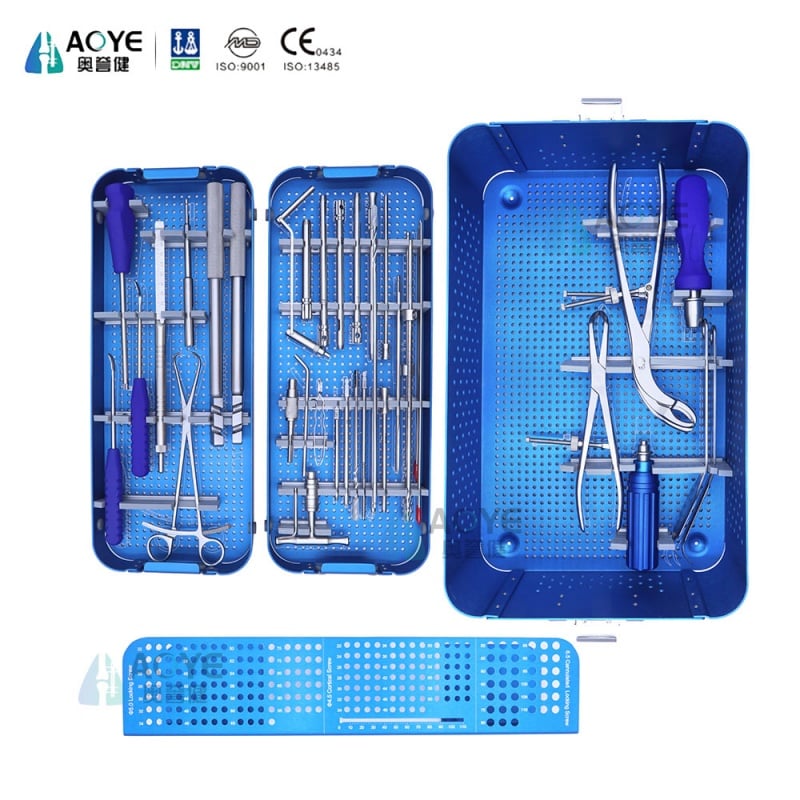
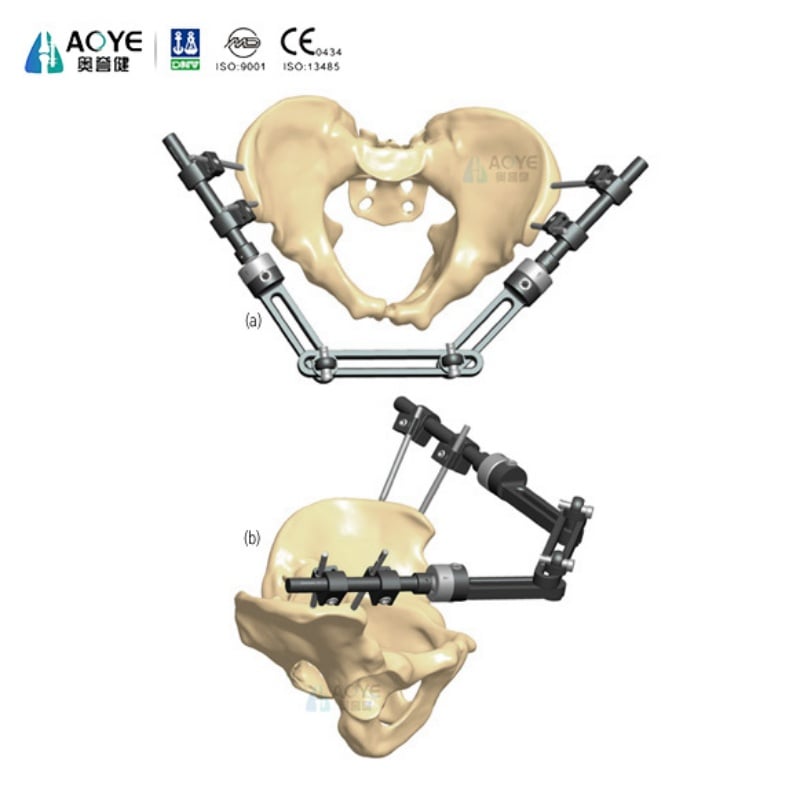
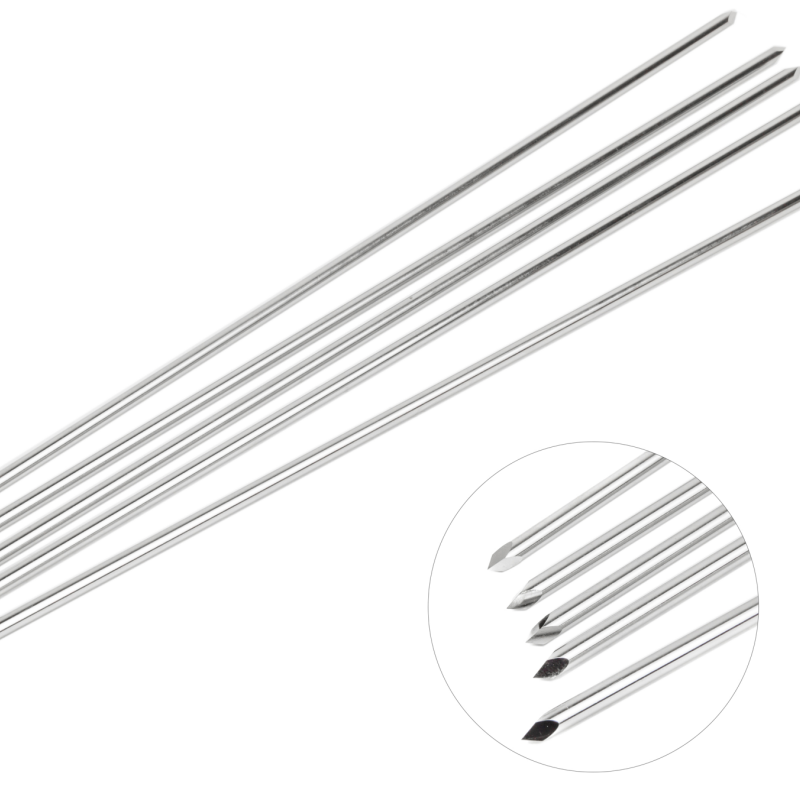
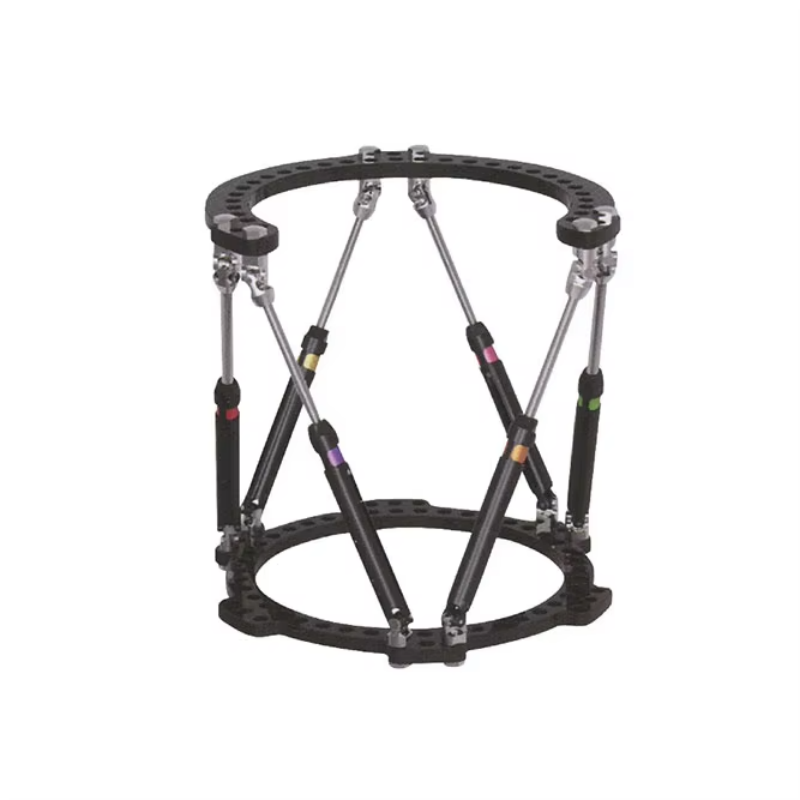
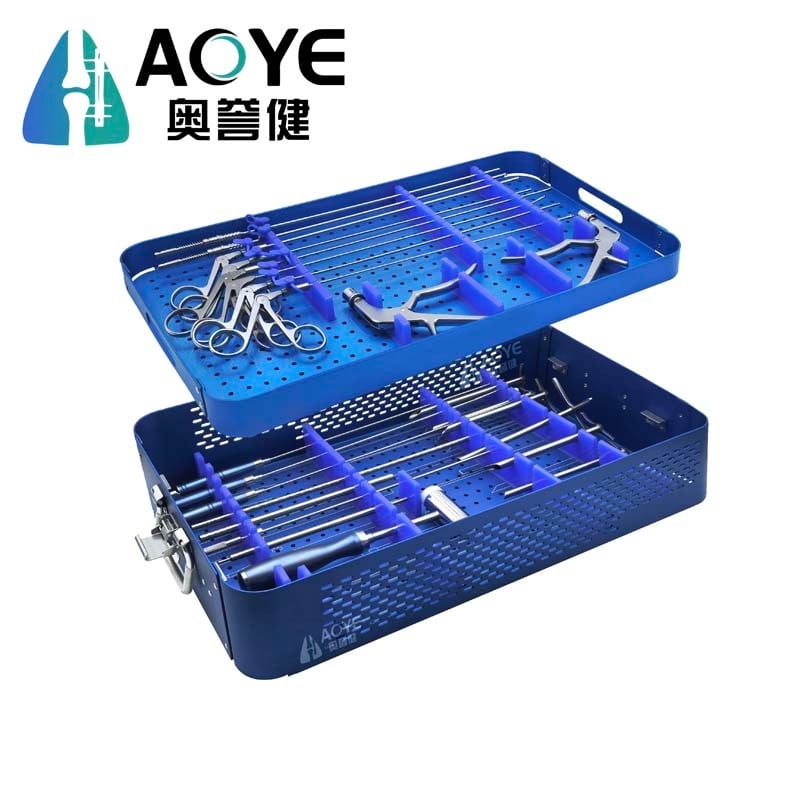
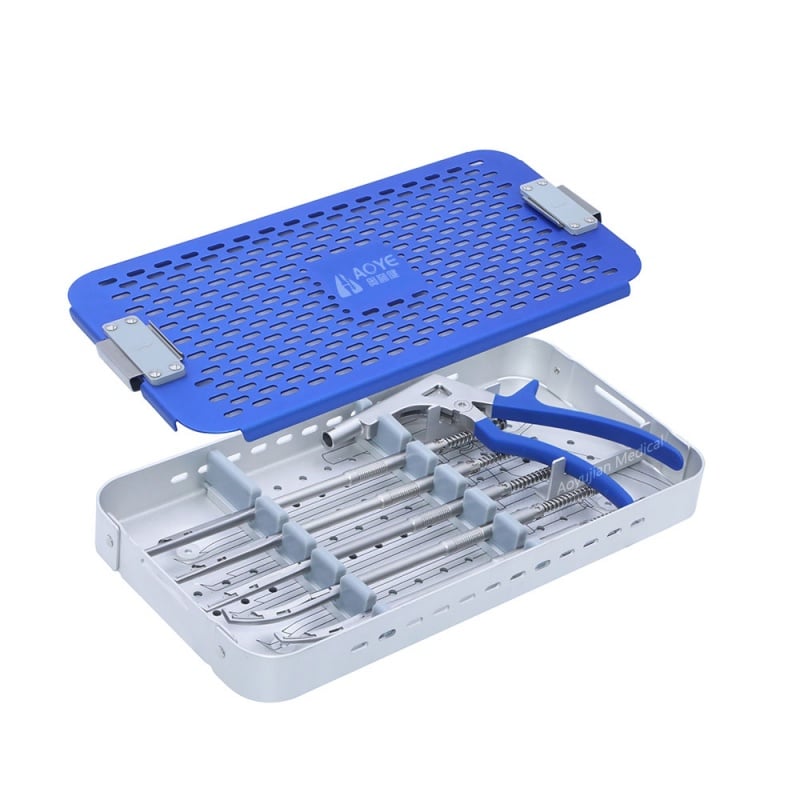
Basic set surgical instruments are essential tools used in various medical procedures, particularly in orthopedic surgery, trauma care, and sports medicine. These instruments are crucial for ensuring precision and safety during surgical operations, which raises several concerns for B2B buyers, including quality, reliability, and supplier trustworthiness. This article will delve into key specifications for evaluating ortho surgical instruments, sourcing options for quality products, guidance for supplier selection, installation advice, and common issues with these instruments along with their solutions.
When assessing Aoye basic set surgical instruments, several key specifications should be prioritized to ensure their suitability for specific applications.
Material Composition: The materials used in surgical instruments should be of high quality, often stainless steel, to ensure durability and resistance to corrosion. Materials should also be biocompatible, as they will come into contact with human tissue.
Dimensions and Ergonomics: Precise dimensions are critical for functionality. Instruments should be designed to fit comfortably in the surgeon's hand, allowing for dexterity and control during procedures. Buyers should verify dimensions against the intended application to avoid compatibility issues.
Certification and Compliance: Instruments should be ISO13485 and CE certified, ensuring they meet international standards for quality management systems and regulatory compliance. Buyers should request documentation to verify these certifications.
Performance Specifications: Consider the specific performance metrics relevant to the surgical procedures, such as tensile strength, sharpness for cutting instruments, and the range of motion for manipulators. Ensuring these specifications match the surgical requirements is crucial for effective outcomes.
Quality Control Processes: Understanding the manufacturer's quality control measures is essential. Buyers should inquire about the inspection processes during production and before shipment. This may include tests for functionality, material integrity, and sterility assurance.
By focusing on these specifications, B2B buyers can ensure they select high-quality surgical drill bits that meet their operational needs.
Sourcing quality surgical instruments in bulk can be a daunting task. Here are some strategies to consider: t access to high-quality products at competitive rates. Ensure that the manufacturer has a strong reputation and complies with international certifications.
Trade Shows and Industry Expos: Attending medical trade shows can help buyers meet suppliers face-to-face, evaluate products firsthand, and negotiate terms. This personal interaction can also foster long-term relationships with manufacturers.
Online B2B Marketplaces: Platforms like Alibaba or Global Sources allow buyers to compare various suppliers and products. Look for vendors with verified ratings and reviews. Be cautious and request samples before placing large orders.
Local Distributors: Working with local distributors can simplify logistics and reduce shipping times. Ensure that these distributors have a good understanding of the products and can provide the necessary support.
Bulk Purchasing Agreements: Negotiate pricing agreements for bulk purchases, which can provide savings over time. Discuss minimum order quantities (MOQ) that can be flexible based on your purchasing capacity and requirements.
By considering these sourcing options, buyers can secure quality surgical instruments that align with their operational needs and budget constraints.
Identifying reliable suppliers is critical for ensuring the quality and consistency of Aoye surgical instruments. Here are several strategies:
Industry Referrals: Networking within the medical community can yield referrals to reputable suppliers. Speaking to colleagues or industry professionals can provide insights into suppliers they trust.
Online Research: Conduct thorough online research to find manufacturers that specialize in surgical instruments. Look for detailed information about their product offerings, certifications, and customer testimonials on their websites.
Regulatory Compliance Checks: Verify that suppliers meet relevant compliance standards, such as ISO13485 and CE certifications. Suppliers should provide documentation to support their compliance claims.
Engagement in Forums and Industry Groups: Participate in online forums and groups dedicated to surgical instruments and medical equipment. These platforms can provide valuable insights and recommendations from industry experts.
Supplier Audits: If feasible, conduct supplier audits to assess their production capabilities, quality control processes, and overall operational practices. This firsthand evaluation can offer peace of mind regarding supplier reliability.
By following these approaches, B2B buyers can increase their chances of finding trustworthy suppliers that offer high-quality surgical instrument sets.
Proper installation and setup of basic set surgical instruments in clinics are crucial for effective utilization. Here are some key considerations:
Training and Familiarization: Ensure that all personnel handling the instruments are adequately trained. Familiarization with each instrument’s function and proper handling techniques can prevent misuse and extend the tools' lifespan.
Workspace Organization: Organize the orthopedic surgical instruments workspace to facilitate easy access to instruments. A clutter-free environment can enhance workflow efficiency during procedures.
Sterilization Protocols: Establish and adhere to strict sterilization protocols. Instruments should be cleaned and sterilized following each use to prevent infection. Familiarize staff with the specific sterilization requirements for the materials used.
Regular Maintenance Checks: Schedule regular maintenance checks to ensure all instruments are functioning correctly. Look for signs of wear and tear, and replace instruments as necessary to maintain surgical standards.
Documentation and Record-Keeping: Keep detailed records of instrument usage, maintenance, and sterilization processes. This documentation is critical for compliance and quality assurance.
By following these guidelines, clinics can ensure that their basic set surgical instruments are properly installed and maintained, ultimately enhancing patient safety and surgical outcomes.
Even high-quality Aoye surgical instruments can encounter issues. Here are some common problems and their solutions:
Corrosion and Staining: Stainless steel instruments may corrode if not properly cleaned and sterilized. To prevent corrosion, ensure that instruments are thoroughly cleaned immediately after use and dried properly before sterilization.
Dull Cutting Edges: Over time, cutting instruments can lose their sharpness. Regular sharpening and maintenance should be performed to ensure optimal performance. Consider having a dedicated technician for instrument maintenance.
Misalignment or Mechanical Failure: Instruments such as clamps and forceps can become misaligned with frequent use. Regular inspections should be conducted to identify any mechanical failures early. Instruments found to be faulty should be repaired or replaced promptly.
Inadequate Sterilization: Instruments may not be adequately sterilized if not properly packed or if sterilization parameters are not met. Train staff on proper packing techniques and ensure sterilization equipment is regularly calibrated.
Supply Chain Issues: Delays in instrument supply can disrupt clinical operations. Establish relationships with multiple suppliers to mitigate risks and ensure consistent availability of critical instruments.
By proactively addressing these common issues, clinics can maintain high standards for their surgical instrument sets, ensuring safety and effectiveness in surgical procedures.
Aoyujian Medical Technology provides trusted orthopedic solutions, high-quality implants, OEM/ODM services, and global shipping for hospitals & distributors.
No. 2 Changting Road, Gehu Farm, Wujin Economic Development Zone, Changzhou, Jiangsu, China
Copyright © Aoyujian Medical Technology (Changzhou) Co., Ltd. All Rights Reserved - Privacy Policy - Blog
 EN