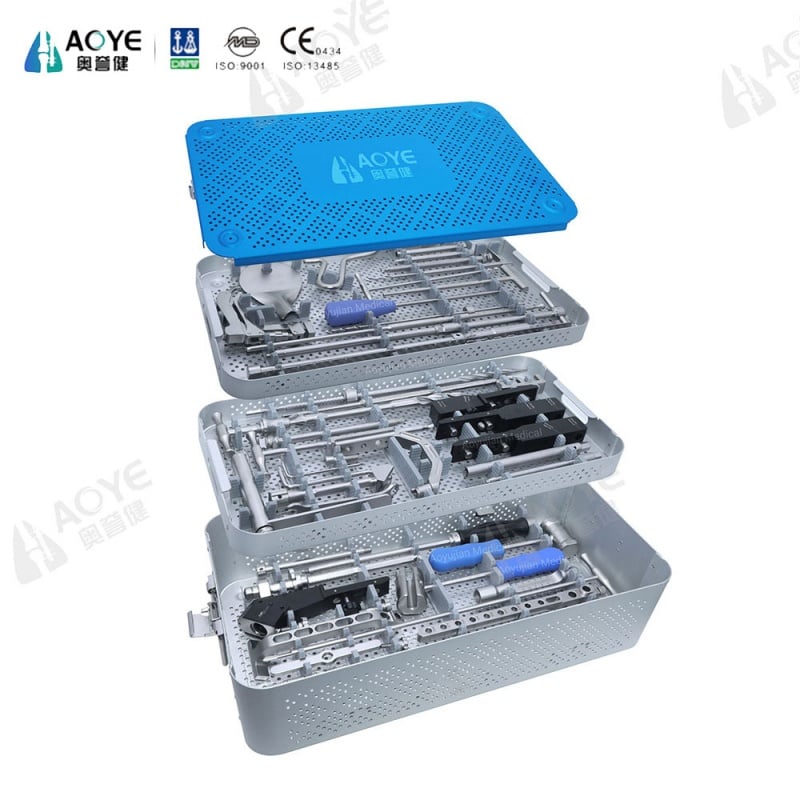
Bone plates and screws are essential components in orthopedic surgeries, providing stability and support for fractured bones. As a professional buyer, understanding the nuances of these products is crucial for making informed decisions. This article will help you navigate the complexities of selecting the right titanium bone plate and screws, sourcing them effectively, comparing options, and appreciating the benefits of durable materials in your projects.
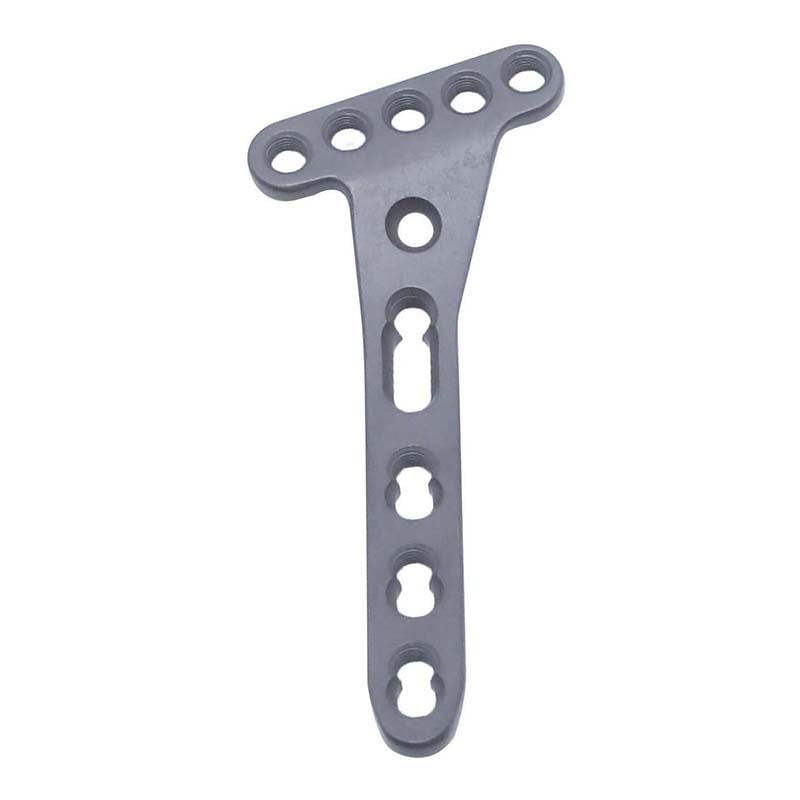
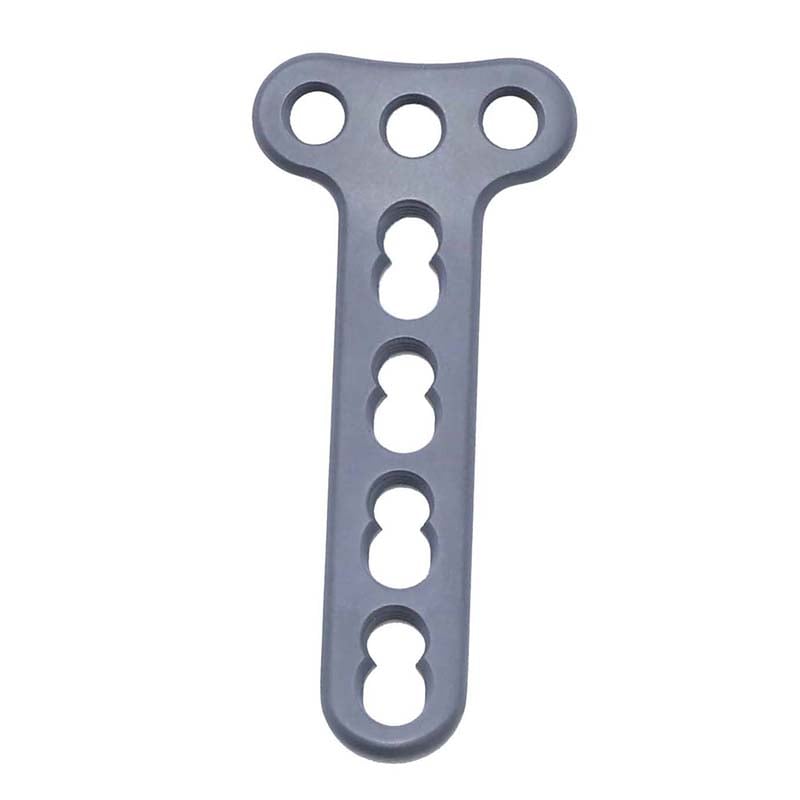
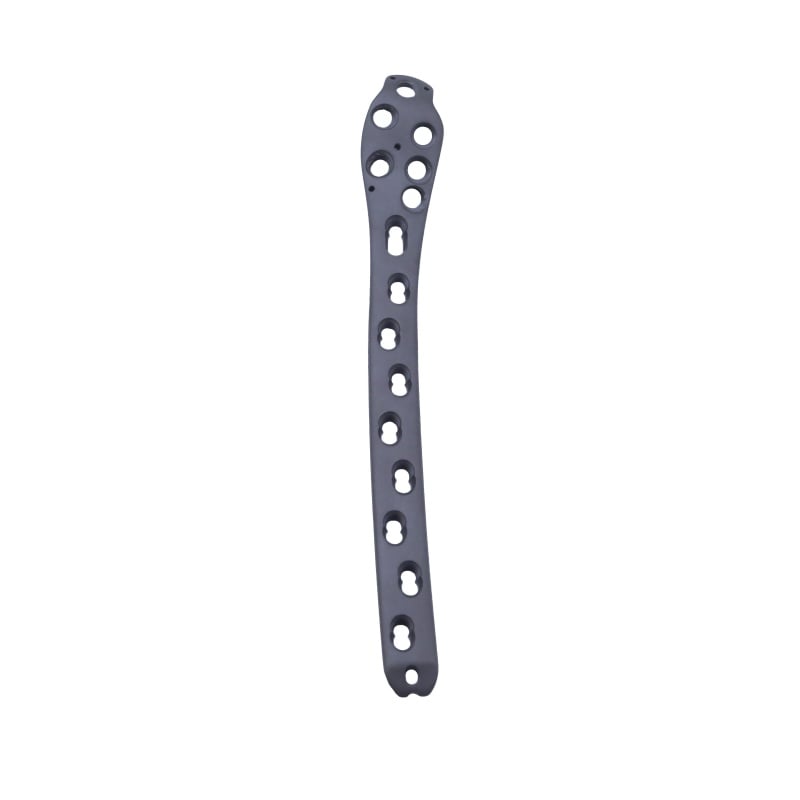
Selecting the appropriate bone plates and screws hinges on several critical factors, including the type of fracture, the patient's anatomy, and the intended surgical approach. Bone plates can be categorized into various types, such as volar locking plate, non-locking plates, and compression plates. Each serves a specific purpose: locking plates offer enhanced stability through a locking mechanism that maintains the screw in place, while compression plates are designed to compress the fracture site for optimal healing.
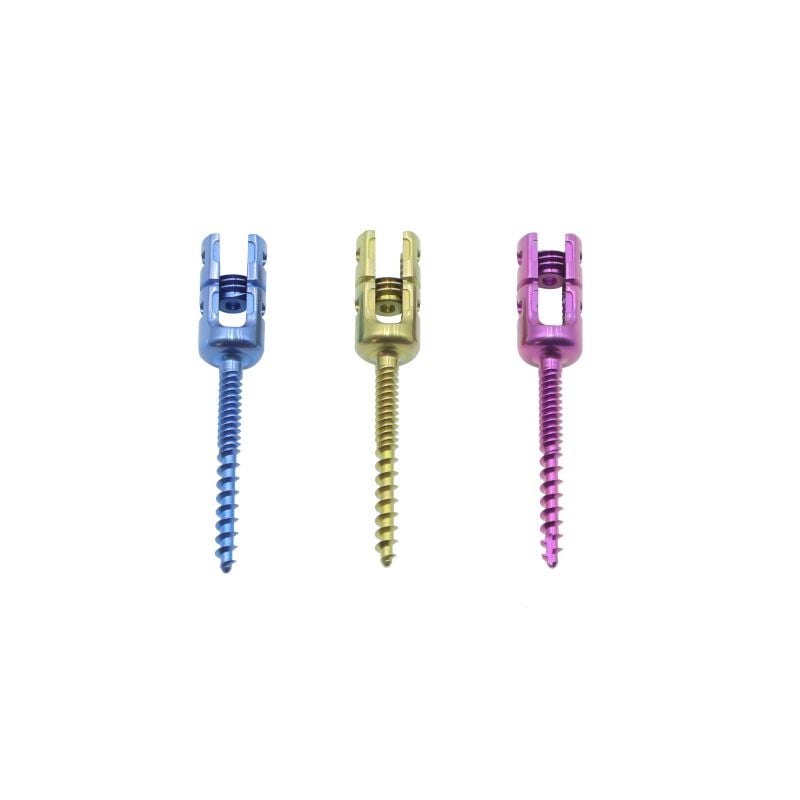
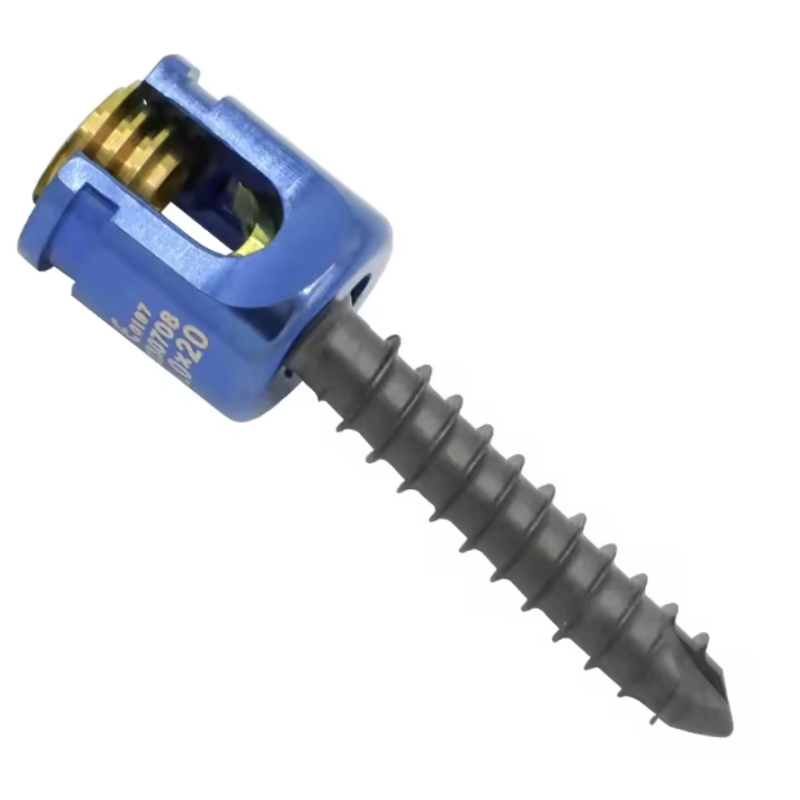
Screw selection is equally important. Options include cortical screws, which are used in dense bone, and cancellous screws, suitable for softer, spongy bone. When choosing screws, consider their diameter, length, and thread design, as these characteristics affect the screw's grip and load-bearing capacity. Collaborating with surgeons and understanding clinical requirements can help you make informed decisions tailored to your project's needs.
Sourcing high-quality bone plates and screws requires careful consideration of suppliers. Look for manufacturers with ISO13485 and CE certifications, as these indicate adherence to international quality management standards. Aoyujian Medical, for example, has a solid reputation as a professional Chinese manufacturer specializing in orthopedic implants and instruments. They serve partners in 45 countries and have established a reliable supply chain.
When sourcing wholesale, evaluate not only the product quality but also the supplier's production capacity and lead times. Request product samples to assess their quality firsthand and ensure they meet your specifications. Additionally, inquire about customization options, as many suppliers offer tailored solutions to meet specific surgical requirements.
When comparing bone plate and screw options, create a checklist of essential criteria that align with your project's requirements. Consider the following factors:
Material Composition: Titanium and stainless steel are common materials. Titanium is lighter and more biocompatible but may be more expensive. Stainless steel offers strength but can be heavier.
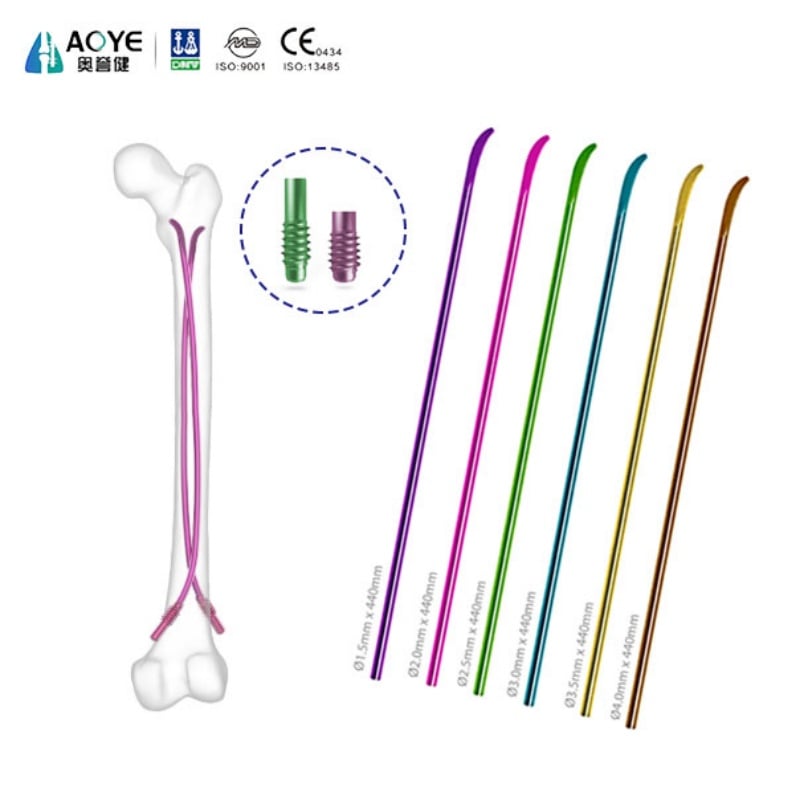
Size and Dimensions: Ensure that the dimensions of the femur bone plate and screws match the specifications required for the surgical procedure. Inaccurate dimensions can lead to complications during surgery.
Manufacturing Quality: Investigate the manufacturer's quality control processes. Look for evidence of rigorous testing and validation procedures to ensure product reliability.
Pricing and Minimum Order Quantity (MOQ): Compare pricing structures among suppliers, and consider the MOQ. Sometimes, a lower price may compromise quality, so weigh these factors carefully.
Lead Time: Understand the expected lead times for delivery, especially if you have specific project timelines to meet.
By evaluating these criteria, you can streamline your decision-making process and select the best options for your contracting needs.
The choice of materials in bone plates and screws significantly impacts their performance and longevity. Durable materials such as titanium and high-grade stainless steel not only provide strength but also contribute to biocompatibility, reducing the risk of adverse reactions in patients.
Titanium, in particular, is favored due to its excellent corrosion resistance and lightweight properties. This can enhance patient comfort and reduce the risk of complications during recovery. Conversely, stainless steel, while heavier, offers exceptional strength and is often more cost-effective.
Selecting the right material also affects the product's performance under load. For instance, the structure of the bone plates should be designed to withstand the specific mechanical loads expected during healing. Understanding these material properties will help you make informed decisions that align with both surgical requirements and patient outcomes.
When preparing to purchase bone plates and screws, follow these steps to ensure a smooth procurement process:
Define Project Specifications: Gather detailed specifications, including the types of fractures, required materials, dimensions, and any customization needs.
Research Suppliers: Identify potential suppliers, focusing on those with relevant certifications and a strong reputation in the industry.
Request Quotations: Provide suppliers with comprehensive details about your requirements to receive accurate quotations. Include information such as the product type, model, dimensions, and estimated quantities.
Evaluate Samples: Before placing a bulk order, request samples to assess quality. Check for dimensional accuracy, surface finish, and overall craftsmanship.
Confirm Production Capacity and Lead Times: Ensure the supplier can meet your required delivery timelines and production capabilities, especially for large orders.
Place Order and Monitor Quality: Once you’ve selected a supplier, place your order, but maintain communication regarding quality checks and delivery schedules to avoid surprises.
By following this systematic approach, you can minimize risks and ensure that the bone plates and screws you procure meet the highest standards required for successful orthopedic procedures.
Aoyujian Medical Technology provides trusted orthopedic solutions, high-quality implants, OEM/ODM services, and global shipping for hospitals & distributors.
No. 2 Changting Road, Gehu Farm, Wujin Economic Development Zone, Changzhou, Jiangsu, China
Copyright © Aoyujian Medical Technology (Changzhou) Co., Ltd. All Rights Reserved - Privacy Policy - Blog
 EN