Choosing the right cervical peek cage is crucial for orthopedic procedures, impacting both patient outcomes and the efficiency of surgical operations. As a primary keyword, cervical lumbar peek cage refers to a type of spinal implant designed to stabilize the cervical spine after discectomy or fusion procedures. For B2B buyers—such as purchasing managers, distributors, and surgeons—key concerns revolve around product quality, material selection, customization options, and cost-efficiency. This article aims to guide you through these considerations to help ensure you make informed purchasing decisions for your medical facility or distribution network.
When selecting a cervical peek cage, several factors should be considered to ensure compatibility with your specific project requirements. First, assess the dimensions of the cervical peek cage, which should match the anatomical requirements of the target patient population. Standard sizes are available, but custom sizing may be necessary for particular cases.
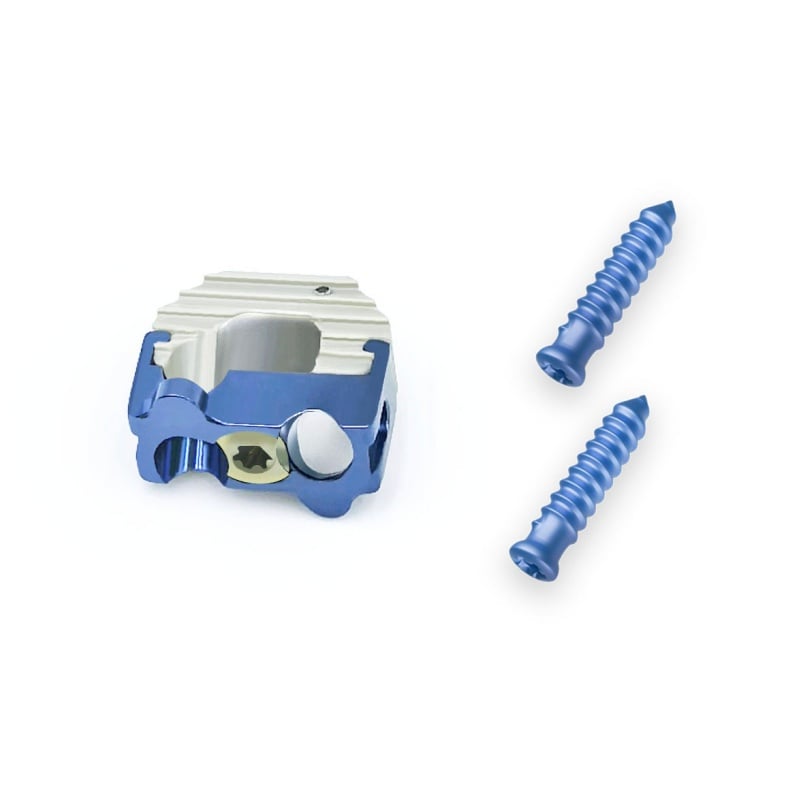
Next, consider the design features of the cervical cervical cage fusion. Many designs incorporate features such as integrated screws or ridges to enhance stability and bone integration. The choice of design can significantly affect surgical outcomes, so ensure the selected product aligns with the surgical techniques employed by your team.
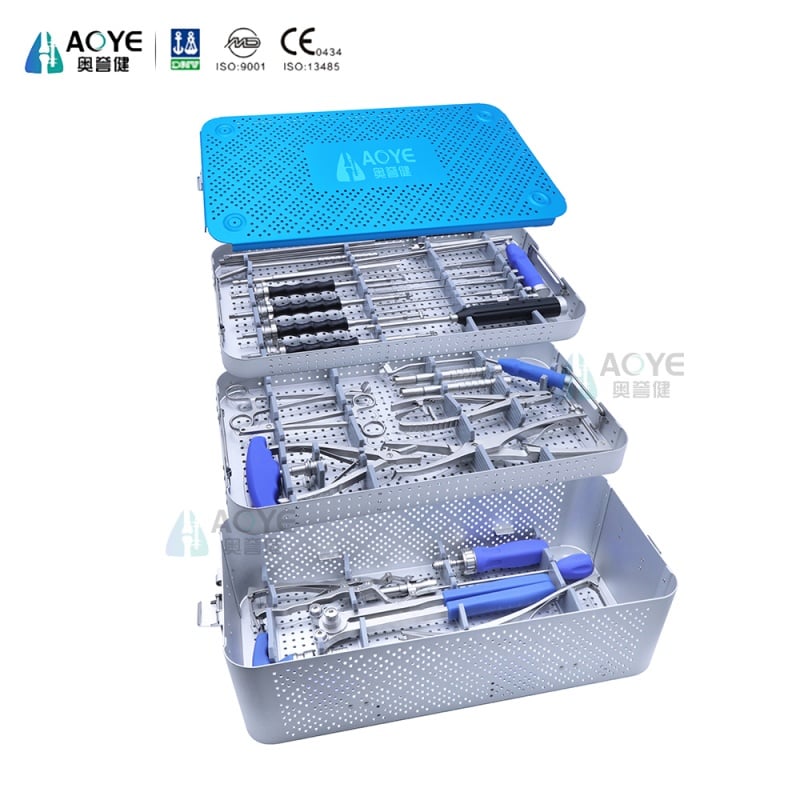
Lastly, evaluate the supplier’s customization capabilities. Aoyujian Medical, for instance, can provide tailored solutions to meet your unique specifications, which can be critical in complex orthopedic cases.
Quality is paramount when sourcing cervical peek cages for wholesale orders. Start by confirming that the manufacturer adheres to industry standards and holds relevant certifications such as ISO13485 and CE marking. These certifications indicate that the products meet strict quality management standards and safety requirements.
Next, inquire about the manufacturing process. A reputable supplier will provide insights into their production capabilities, equipment, and quality control measures. Understanding whether the cages undergo rigorous testing—such as mechanical testing for durability and biocompatibility assessments—will help you gauge their reliability.
Additionally, consider requesting product samples before committing to a bulk order. Evaluating a sample allows you to inspect the cage’s material quality, dimensions, and overall craftsmanship. This step can prevent costly errors and ensure that the final product meets your quality expectations.
Pricing for cervical peek cages can vary significantly based on several factors. Firstly, consider the material used in production. High-quality polyetheretherketone (PEEK) is commonly used for its biocompatibility and strength, but variations in quality can affect cost. Ensure that the material used meets the necessary medical standards to avoid compromising patient safety.
Secondly, quantity plays a significant role in pricing. Many manufacturers, including Aoyujian Medical, offer volume discounts for larger orders, which can significantly reduce the per-unit cost. Understanding the manufacturer’s minimum order quantity (MOQ) is also crucial, as this can impact your purchasing strategy.
Lastly, factor in shipping and handling costs, which can vary based on location and order size. Discussing these elements with your supplier can provide a clearer picture of the total investment required.
Cervical peek cages are primarily utilized in spinal surgeries, particularly during anterior cervical discectomy and fusion (ACDF) procedures. Their primary function is to provide structural support and promote vertebral stability after the removal of a degenerated disc. The cages facilitate bone growth by maintaining the correct spacing between cervical vertebrae, ultimately leading to successful fusion.
These implants are also increasingly used in revision surgeries, where previous implants may need to be replaced or supplemented. Their versatility makes them suitable for various patient demographics, including those with differing anatomical considerations.
Furthermore, the growing trend of outpatient spinal surgery has led to an increased demand for cervical stand alone cage cervical that are easier to implant and provide quicker recovery times. Understanding these applications can help buyers select the most appropriate products for their specific needs.
Utilizing high-quality materials in the production of cervical peek cages is essential for ensuring optimal performance and patient safety. PEEK, for instance, is favored for its excellent mechanical properties, which include high tensile strength, chemical resistance, and a modulus of elasticity similar to that of human bone. This helps minimize the risk of stress shielding, where the bone might weaken due to an implant that does not replicate the natural mechanical environment.
Moreover, high-quality materials enhance biocompatibility, reducing the likelihood of adverse reactions in patients. This is especially important in orthopedic applications where the implant will remain in the body long-term.
Additionally, advanced surface treatments can further improve the integration of the cervical peek cage with surrounding bone tissue. These treatments can enhance osseointegration, leading to better surgical outcomes. By prioritizing high-quality materials, buyers can ensure that they are investing in products that will perform reliably in critical medical applications.
making informed decisions when purchasing cervical peek cages requires a deep understanding of product specifications, supplier capabilities, and the broader applications of these medical devices. By focusing on quality, material selection, and customization options, buyers can significantly enhance patient outcomes and operational efficiency in their orthopedic practices.
Aoyujian Medical Technology provides trusted orthopedic solutions, high-quality implants, OEM/ODM services, and global shipping for hospitals & distributors.
No. 2 Changting Road, Gehu Farm, Wujin Economic Development Zone, Changzhou, Jiangsu, China
Copyright © Aoyujian Medical Technology (Changzhou) Co., Ltd. All Rights Reserved - Privacy Policy - Blog
 EN