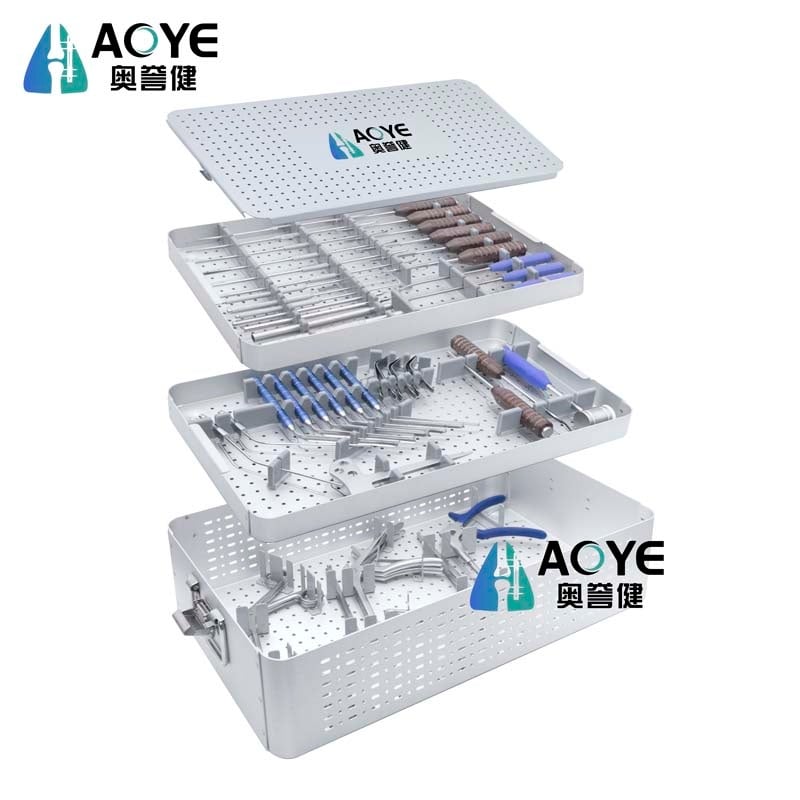
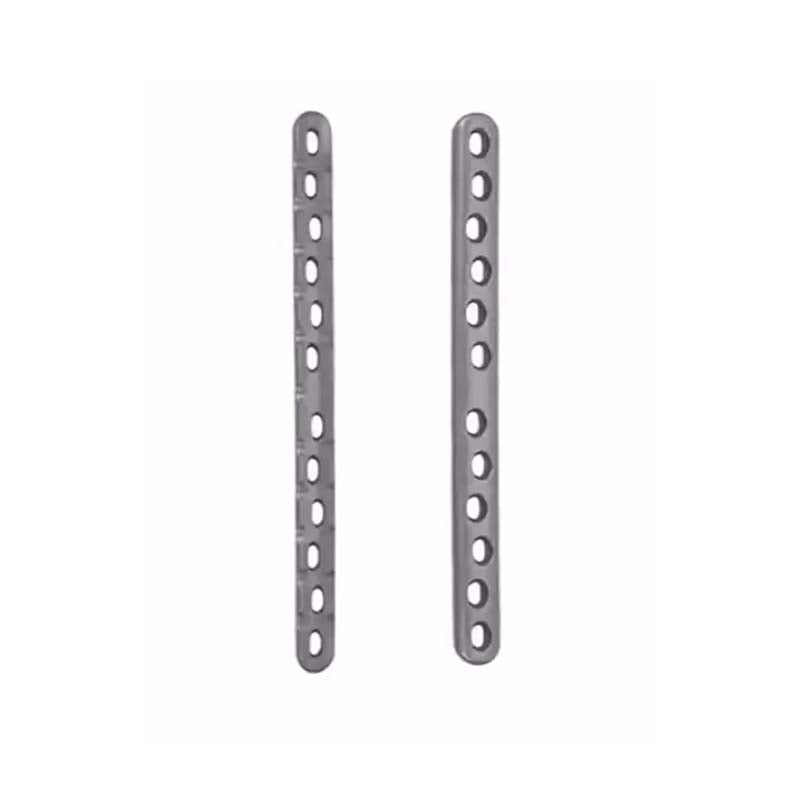
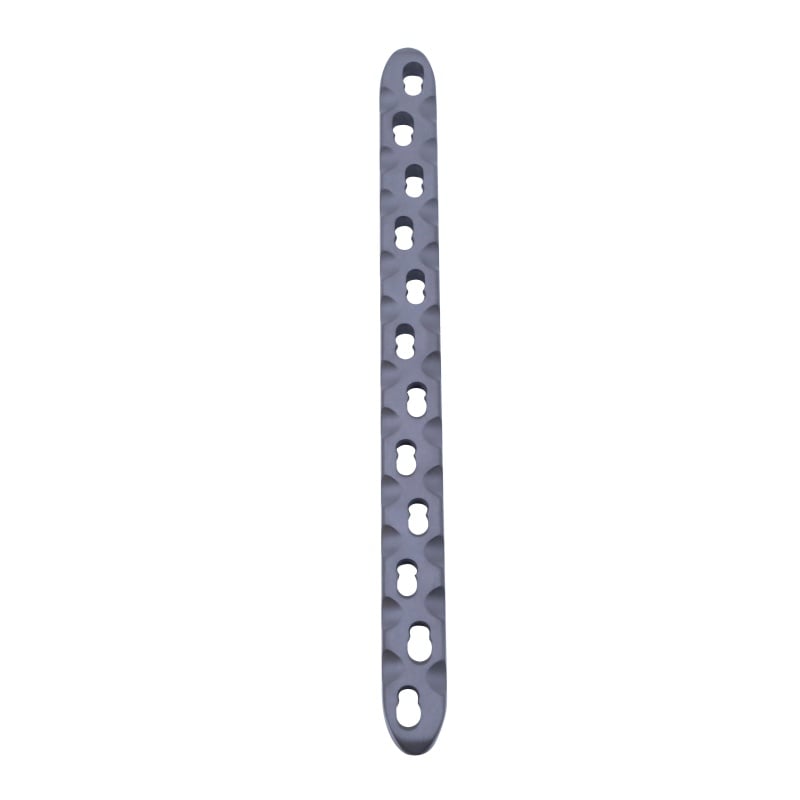
Compression plates are essential orthopedic devices used to stabilize bone fractures, particularly in trauma and sports medicine. As a key component in orthopedic surgeries, these plates are designed to provide fixation and support during the healing process. B2B buyers, including purchasing managers and healthcare professionals, typically seek high-quality, reliable compression plates that meet specific application requirements. This article will explore the key specifications, quality control standards, installation guidance, common problems, and applications of compression plates in orthopedic surgeon tools settings, helping you make informed purchasing decisions.
Compression plates for orthopedic applications are characterized by several key specifications that directly influence their performance and suitability for various surgical procedures. Firstly, the material composition plays a critical role; most compression plates are made from titanium or stainless steel, chosen for their biocompatibility and strength. Titanium offers a favorable strength-to-weight ratio and excellent corrosion resistance, while stainless steel provides durability and cost-effectiveness.
Thickness and dimensions of the plates are also crucial. The thickness typically ranges from 3 to 6 mm, depending on the specific application and load-bearing requirements. Plates must be designed to match the anatomic contours of the bone they are stabilizing, which often requires customization based on individual patient needs.
Another important specification is the surface finish of the plates. A smooth finish can enhance biocompatibility and reduce tissue irritation, while a textured surface may improve bone integration. Additionally, the mechanical properties, such as yield strength and fatigue resistance, should be evaluated to ensure the plate can withstand the stresses during the healing process.
Ensuring the highest quality standards in the manufacturing of compression plates is essential for their performance and safety. Aoyujian Medical adheres to ISO 13485 and CE certification standards, which outline the requirements for quality management systems specific to medical devices. These certifications ensure that orthopedic medical supplies are consistently designed, manufactured, and tested to meet regulatory requirements.
Quality control processes should include rigorous testing of raw materials, in-process inspections, and final product evaluations. Common tests may include mechanical testing for strength and durability, biocompatibility assessments, and dimensional inspections to verify that the plates meet specified tolerances.
Moreover, traceability is vital in the manufacturing process. Each batch of plates should be documented, allowing for a clear record of materials used and production processes followed. This traceability is crucial for addressing any potential issues that may arise post-distribution.
Proper installation of compression plates is integral to the success of orthopedic procedures. Surgeons should follow specific protocols to ensure that the plates are positioned accurately and securely. The first step involves selecting the appropriate plate size and type based on the fracture pattern and anatomic considerations.
Before installation, it is advisable to thoroughly clean and prepare the surgical site to minimize infection risks. The plate should be secured using screws that are ideally made from the same material as the plate to prevent galvanic corrosion. It is critical to ensure that screws are tightened to the manufacturer’s specifications, as inadequate fixation can lead to complications such as plate failure or delayed healing.
Surgeons must also consider the alignment of the bone fragments. Proper alignment aids in achieving optimal stability and promotes effective healing. Post-surgery, regular monitoring of the surgical site is essential to detect any signs of complications early.
Despite their effectiveness, compression plates can encounter various issues during and after installation. One common problem is the risk of non-union or delayed healing of the fracture. This can occur due to inadequate fixation or poor bone quality. To mitigate this, surgeons should ensure that the plate is appropriately sized and that the screws are correctly torqued.
Another issue is infection at the surgical site, which can lead to implant failure. To minimize this risk, preoperative antibiotics may be recommended, and strict aseptic techniques should be employed during surgery. Postoperative care also plays a role; patients should be educated on signs of infection and the importance of follow-up appointments.
Lastly, mechanical failure of the plate can occur, particularly in cases of excessive stress or improper installation. Surgeons should assess load-bearing capabilities and ensure that the plate is suitable for the specific application. In cases of failure, revision surgery may be necessary, which underscores the importance of selecting high-quality plates from reputable manufacturers.
Compression plates find extensive applications in both trauma and sports medicine. In trauma settings, they are primarily used to stabilize fractures in long bones, such as the femur and tibia, as well as in complex fractures that require precise alignment. Their ability to provide immediate stability allows for earlier mobilization of patients, which is essential for recovery.
In sports medicine, compression plates are often used to address injuries related to high-impact activities, such as fractures resulting from falls or collisions. They help restore function and allow athletes to return to their sports more quickly. Additionally, in cases of osteotomy, compression plates can facilitate the healing of bone realignment procedures.
Ultimately, the choice of compression plate depends on factors such as fracture type, patient demographics, and biomechanical considerations. Aoyujian Medical’s experience in manufacturing orthopedic surgery instrument set positions it well to support healthcare providers in selecting the most appropriate solutions for their patients' needs.
By understanding the specifications, quality standards, installation processes, common challenges, and applications of compression plates in orthopedics, B2B buyers can make informed decisions that support effective patient care and successful surgical outcomes.
Aoyujian Medical Technology provides trusted orthopedic solutions, high-quality implants, OEM/ODM services, and global shipping for hospitals & distributors.
No. 2 Changting Road, Gehu Farm, Wujin Economic Development Zone, Changzhou, Jiangsu, China
Copyright © Aoyujian Medical Technology (Changzhou) Co., Ltd. All Rights Reserved - Privacy Policy - Blog
 EN