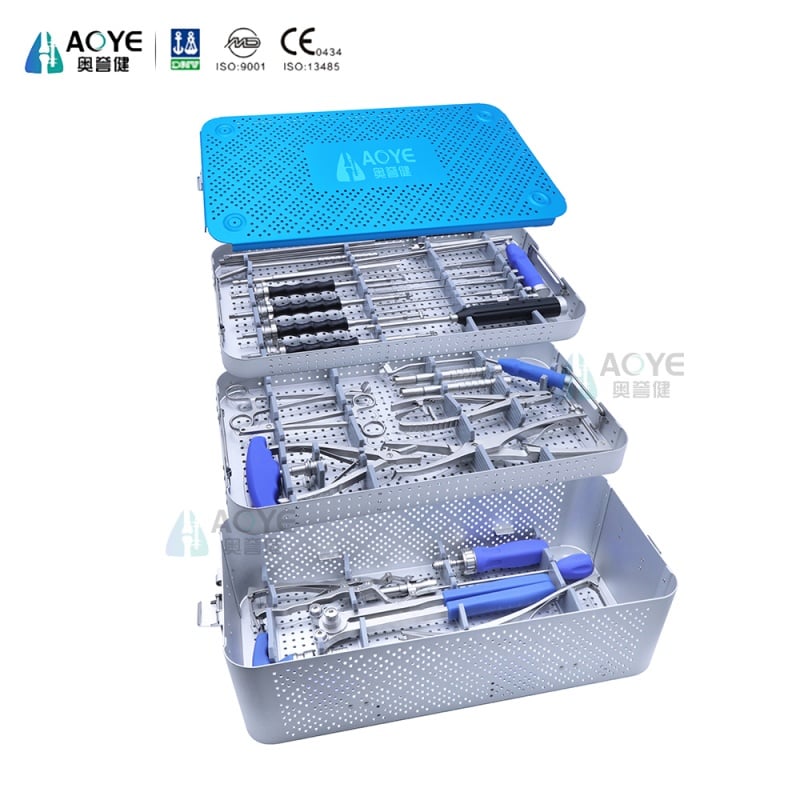
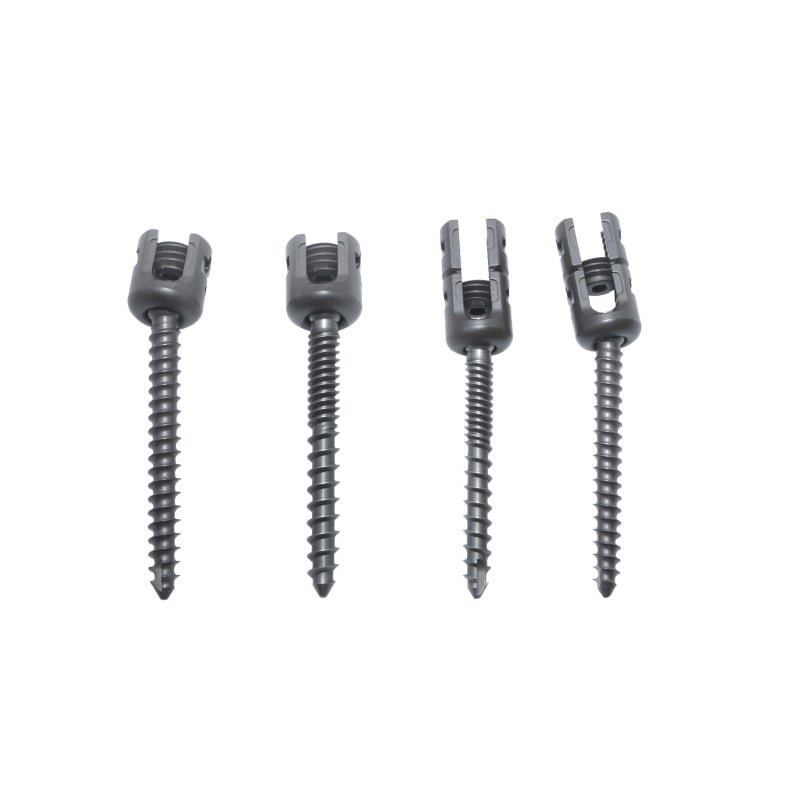
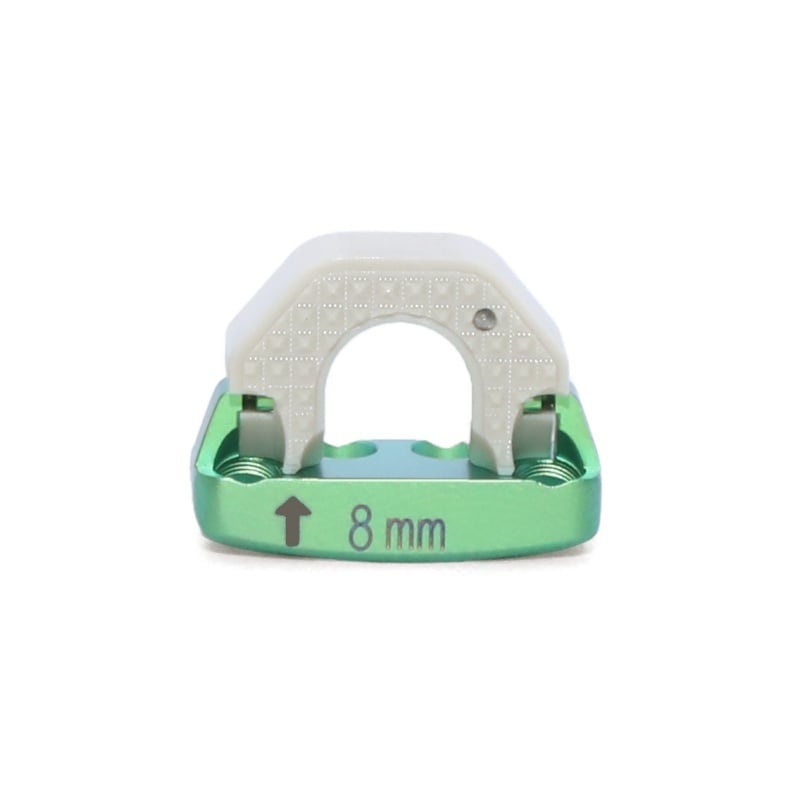
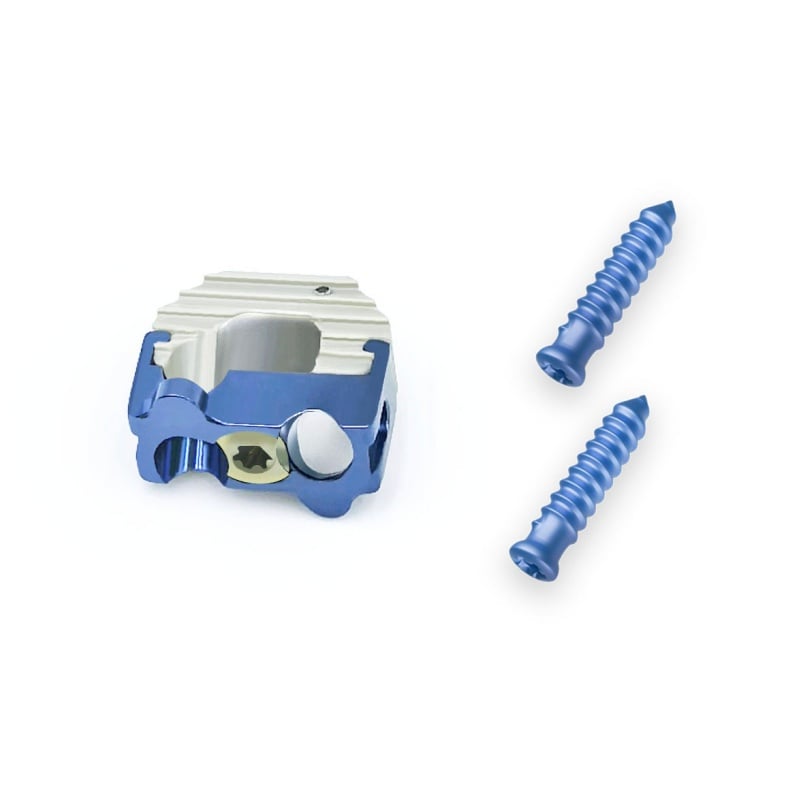
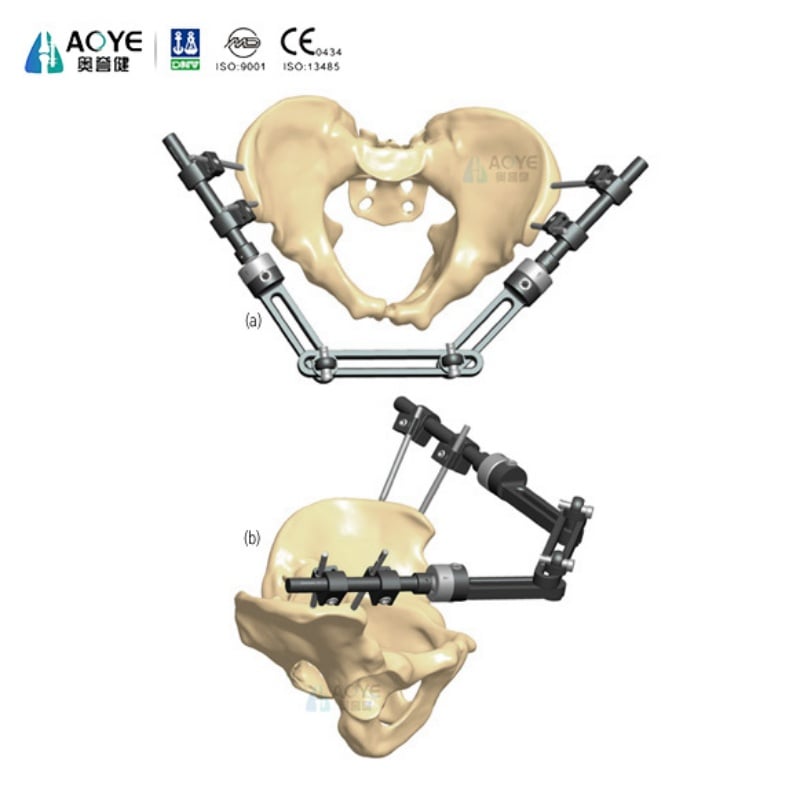
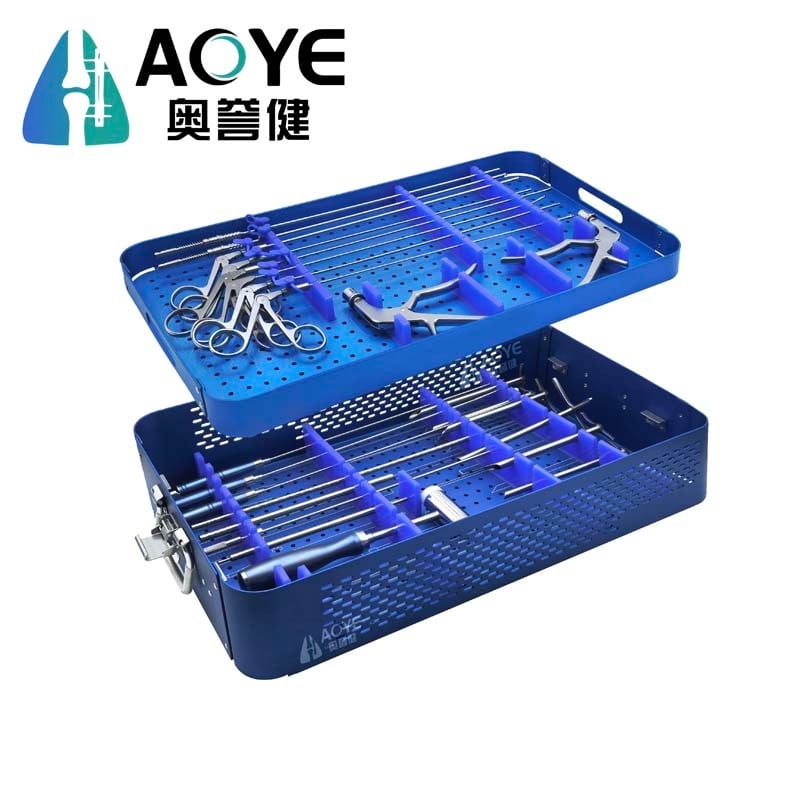
Dynamic external fixators for fingers are specialized orthopedic devices designed to stabilize and support fractured or injured fingers during the healing process. These fixators provide the necessary immobilization while allowing controlled motion, which is crucial for optimal recovery. For B2B buyers, such as purchasing managers and distributors in the knee spanning external fixator medical field, understanding the intricacies of dynamic external fixators is essential to ensure product suitability, quality, and compliance with medical standards. This article aims to guide you through critical considerations when choosing and sourcing dynamic external fixators for fingers.
Selecting the appropriate dynamic external fixator finger involves several key considerations. First, assess the specific medical applications you aim to address. Different models may suit various types of fractures, so understanding the clinical requirements is essential.
Next, evaluate the design features, such as adjustability and ease of application. A fixator that allows for adjustments can accommodate swelling and changes in the patient's condition, ensuring ongoing effectiveness throughout the healing process.
Additionally, consider the material composition. High-quality spanning external fixator are often made from biocompatible materials such as titanium or stainless steel, ensuring durability and minimizing the risk of adverse reactions.
Lastly, take into account the supplier’s ability to provide customization options. Customizable fixators can be tailored to meet specific patient needs or unique surgical requirements, making them a valuable choice for healthcare providers.
When purchasing dynamic external fixators, there are several specifications you should scrutinize. Key parameters include:
Material Composition: Look for materials that are corrosion-resistant and biocompatible, such as titanium or medical-grade stainless steel, which can withstand the rigors of surgical environments and patient conditions.
Size and Dimensions: Ensure the ankle spanning external fixator fits the intended application. The dimensions should be compatible with the anatomical structure of the fingers and allow for adequate stabilization without causing discomfort.
Weight: Lighter fixators improve patient comfort and compliance, which is essential for successful healing.
Adjustment Mechanism: Evaluate how the fixator allows for tension adjustments. This feature is crucial for accommodating changes in the finger's position as healing progresses.
Sterilization Method: Confirm that the fixator can be easily sterilized, as this is vital for maintaining hygiene and preventing infections.
Load Capacity: Understand the load-bearing capacity required for the specific applications you are targeting, ensuring the device can support the necessary weight without compromising structural integrity.
Quality assurance is paramount in the medical device industry. When evaluating dynamic external fixators, ensure that the products meet international standards such as ISO 13485 and CE certification, which indicate compliance with quality management and safety regulations.
Additionally, scrutinize the manufacturer's quality control processes. Reliable manufacturers conduct rigorous testing on their products, including mechanical stress tests and biocompatibility assessments, to guarantee performance and safety. Request documentation proving these tests have been conducted, such as certificates of compliance and test results.
Furthermore, consider the manufacturer's track record in the industry. Established manufacturers, like Aoyujian Medical, typically have proven experience in producing high-quality orthopedic implants and instruments, offering reassurance regarding their product reliability.
Finding trustworthy suppliers for dynamic external fixators involves thorough research. Start by identifying manufacturers known for their expertise in orthopedic devices, particularly those with a focus on trauma and sports medicine.
Trade shows, medical conferences, and industry associations can provide valuable networking opportunities to find reputable suppliers. Additionally, online B2B marketplaces and directories can help you compare various manufacturers and their offerings.
When evaluating suppliers, request samples to assess product quality firsthand. Consider their lead times, minimum order quantities (MOQs), and customization capabilities. Establishing a relationship with a manufacturer that supports your specific needs can lead to a fruitful partnership.
Finally, reviews and testimonials from other healthcare professionals can offer insights into the supplier’s reliability and product performance, helping you make a more informed decision.
Cost is a significant factor in purchasing dynamic external fixators, but it should not be the sole consideration. Here are some critical cost factors to assess:
Unit Price: Compare the unit prices from different suppliers, but be cautious of extremely low prices, which may indicate compromised quality.
Shipping Costs: Factor in shipping expenses, especially if you are sourcing from international suppliers. High shipping fees can significantly increase the total cost.
Customization Fees: If you require tailored solutions, inquire about additional costs for customization. Custom designs can enhance patient outcomes but may come with higher price tags.
Volume Discounts: Many manufacturers offer discounts for bulk orders, which can be advantageous if you plan to purchase large quantities.
Warranty and After-Sales Support: Evaluate the warranty offered and any potential costs associated with after-sales support. A longer warranty can provide peace of mind against product defects and unforeseen issues.
Regulatory Compliance Costs: Ensure that the products comply with local regulations, as non-compliant devices may incur additional costs for testing and certification.
By understanding these factors, you can make more strategic purchasing decisions that balance quality with cost-effectiveness, ultimately leading to better patient care outcomes.
Aoyujian Medical Technology provides trusted orthopedic solutions, high-quality implants, OEM/ODM services, and global shipping for hospitals & distributors.
No. 2 Changting Road, Gehu Farm, Wujin Economic Development Zone, Changzhou, Jiangsu, China
Copyright © Aoyujian Medical Technology (Changzhou) Co., Ltd. All Rights Reserved - Privacy Policy - Blog
 EN