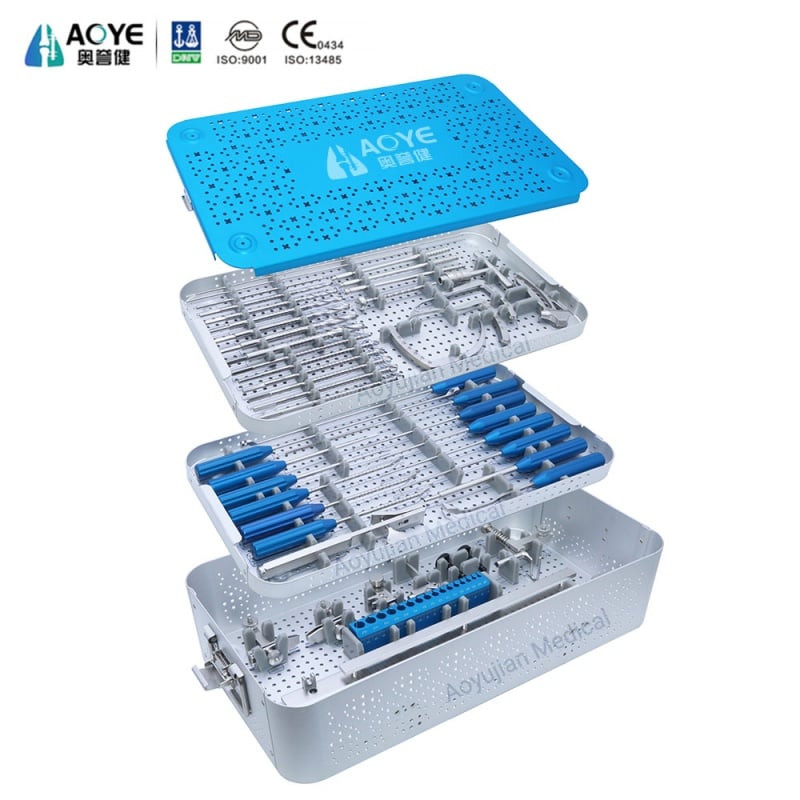
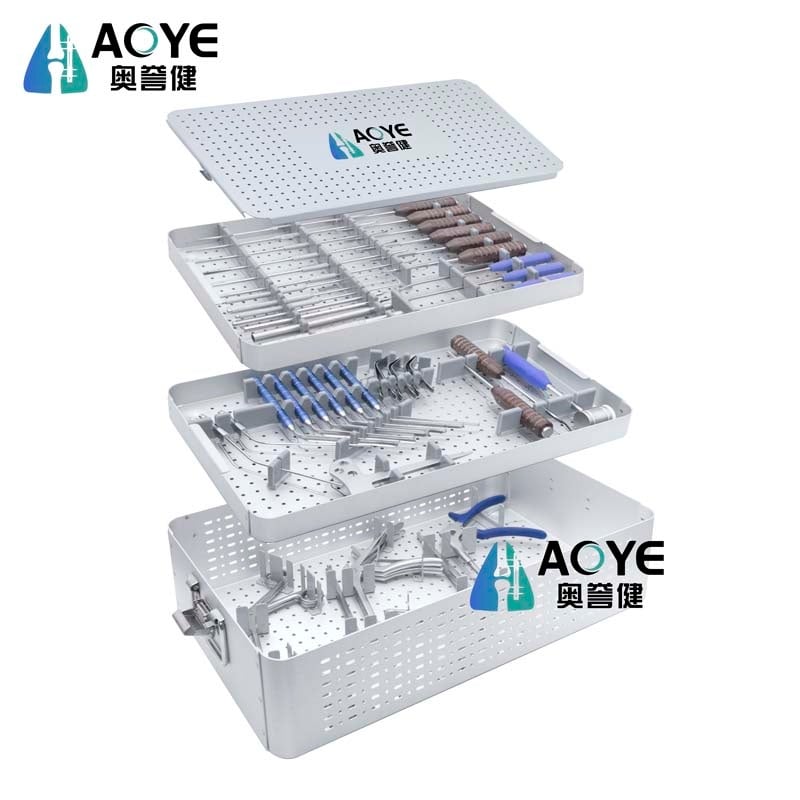
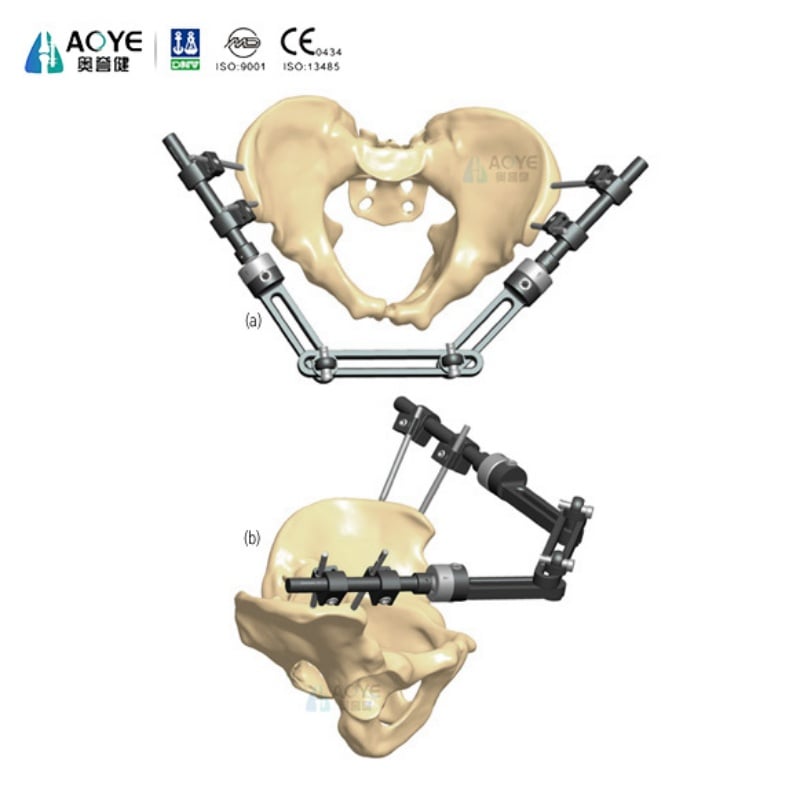
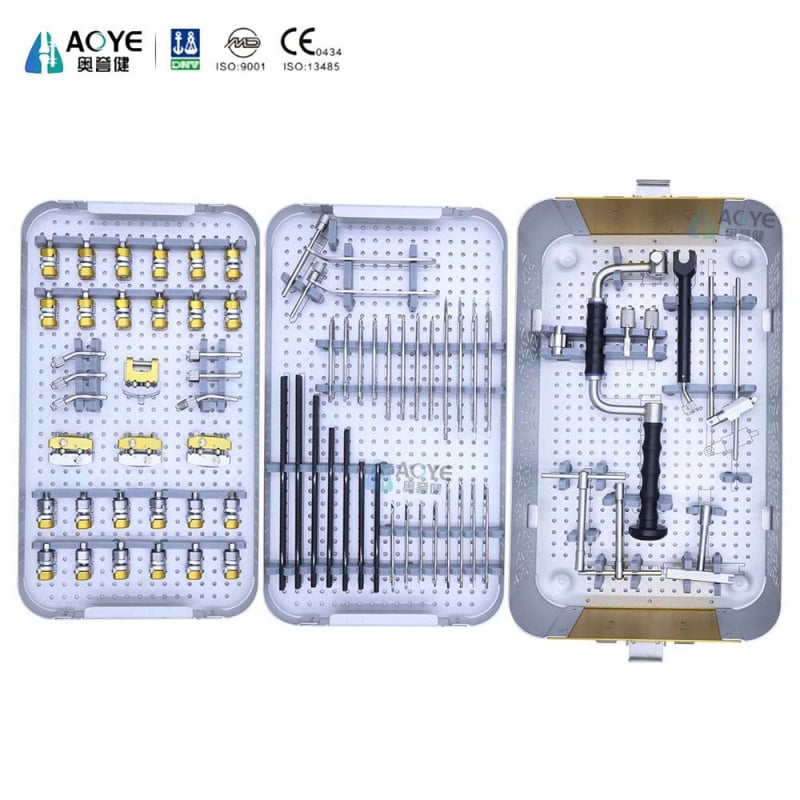
External fixation instruments are vital medical devices used in orthopedic surgeries to stabilize fractured bones or to assist in limb lengthening. As a B2B buyer in this field, your primary concerns may include product efficacy, quality, and cost-effectiveness. This article will provide insights into critical specifications, quality evaluation, cost considerations, common issues, and installation guidance for external fixation ortho surgery instruments, helping you make informed purchasing decisions.
When sourcing external fixation instruments, several key specifications should be evaluated to ensure compatibility with your clinical needs.
Material Composition: External fixation instruments are typically made from stainless steel or titanium. Stainless steel is known for its strength and corrosion resistance, making it a common choice for temporary fixations. Titanium, while generally more expensive, offers superior biocompatibility and reduced risk of allergic reactions. Evaluating the material is essential to ensure it meets the specific requirements of the patient and the surgical procedure.
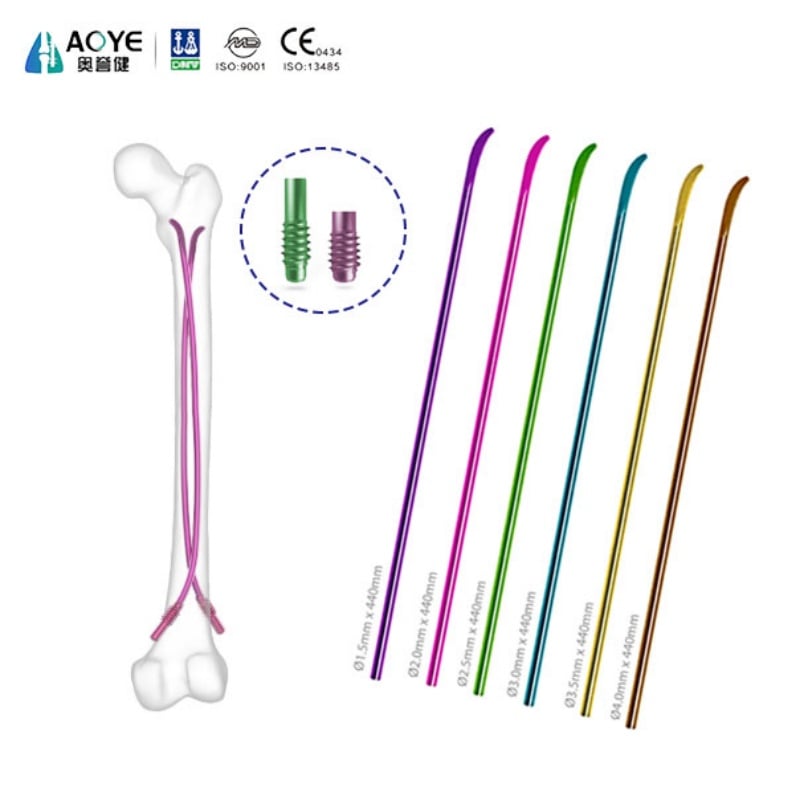
Dimensions and Load Capacity: The size and load-bearing capacity of the fixation instruments must align with the application. Verify the dimensions of rods, pins, and clamps to ensure they fit within the desired anatomical space while providing the necessary support for the fracture. Manufacturers often provide load capacity specifications, which should be checked against the anticipated stress levels during recovery.
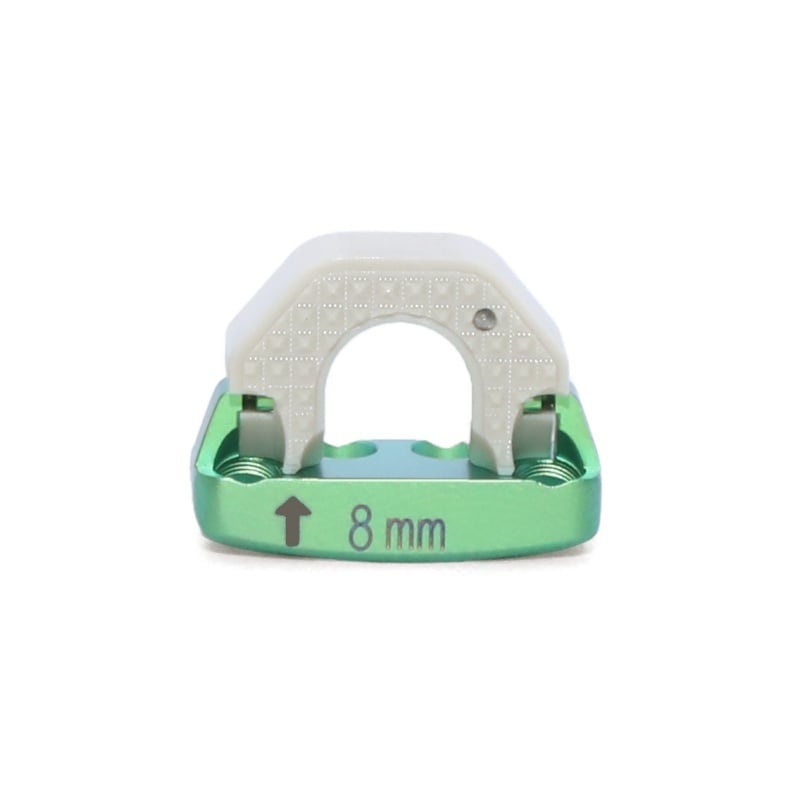
Surface Treatment: The surface finish of the instruments can affect their performance and longevity. Instruments with a smooth finish reduce the risk of tissue irritation and infection. Consider if the orthopaedic implants and instruments have undergone any surface treatments, such as anodization or coating, which can enhance their performance in specific applications.
Modularity and Customization: Some external fixation systems offer modular components that allow for customization based on the clinical scenario. Check whether the supplier provides options for tailored solutions, which can be imperative for complex cases.
Quality evaluation is paramount, especially when placing bulk orders for external fixation instruments.
Certification and Compliance: Ensure that the instruments are ISO13485 and CE certified, indicating they meet international quality management standards. These certifications reflect the manufacturer’s commitment to quality and regulatory compliance.
Manufacturing Processes: A reliable manufacturer should employ stringent quality control measures throughout the production process. Inquire about their manufacturing capabilities, including the use of advanced machinery and technologies that ensure precision in each instrument.
Sample Testing: Before committing to a large order, request samples to assess the quality firsthand. Examine the craftsmanship, surface finish, and overall design. Testing samples under actual surgical conditions can provide valuable insights into their performance.
Supplier Reputation: Research the manufacturer’s reputation in the market. Consider their experience in serving diverse healthcare providers across various countries. Positive testimonials and case studies can offer additional assurance of their product quality.
When evaluating the costs associated with external fixation instruments, consider the following factors:
Material Costs: The choice of materials significantly impacts the overall price. Titanium instruments tend to be more expensive than stainless steel options due to their properties. Assess the cost in relation to the expected benefits derived from using higher-quality materials.
Volume Discounts: Many manufacturers offer discounts for bulk purchases, which can substantially reduce the overall cost per unit. Be sure to inquire about minimum order quantities (MOQ) and potential savings for larger orders.
Shipping and Handling: Factor in shipping costs and delivery times when calculating the total expenditure. Instruments may require special packaging to ensure they reach your facility in optimal condition, which can influence the shipping costs.
Long-term Value: While initial costs are important, consider the long-term value of the instruments. Investing in high-quality products can lead to better surgical outcomes, fewer complications, and ultimately, cost savings through reduced revision surgeries.
Despite their effectiveness, external fixation instruments can present several challenges. Being aware of these issues can help you mitigate risks.
Infection Risk: One of the most common concerns is the risk of infection at the pin site. To minimize this, ensure that the instruments have a smooth finish and are made from materials that are less likely to harbor bacteria. Education on proper insertion techniques and post-operative care can also reduce infection rates.
Mechanical Failure: Occasionally, instruments may fail due to unexpected stress or improper installation. To combat this, ensure that users receive adequate training on the proper application and maintenance of the fixation devices. Regular inspections and prompt replacement of worn components can also help maintain integrity.
Patient Discomfort: Some patients may experience discomfort due to the external fixation device. Selecting instruments that offer adjustable features can enhance patient comfort and compliance. Additionally, consider using softer padding materials to ease pressure points.
Limited Mobility: External fixation can restrict a patient’s mobility, impacting their recovery. Discuss with your supplier if they have options that allow for better mobility while maintaining necessary stabilization.
Proper installation of external fixation instruments is crucial for effective treatment and patient safety.
Pre-operative Planning: Before installation, careful pre-operative planning is essential. Review the patient's medical history, including any contraindications for certain materials or fixation techniques. This will ensure that the chosen instruments are appropriate for the specific clinical scenario.
Surgical Techniques: Familiarize the surgical team with the specific techniques required for the installation of the fixation devices. Detailed instructions from the manufacturer should be followed to ensure correct placement and tightening of components.
Post-operative Monitoring: After installation, monitor the surgical site for signs of infection or mechanical failure. Schedule follow-up appointments to assess the stability of the fixation and make any necessary adjustments.
Training and Support: Consider providing training for the surgical staff on the latest installation techniques and best practices. Some manufacturers, like Aoyujian Medical, may offer educational resources or on-site training to ensure optimal outcomes.
By understanding these critical aspects of external fixation orthopedic surgical instruments, you can make informed purchasing decisions that benefit your clinical practice and improve patient outcomes.
Aoyujian Medical Technology provides trusted orthopedic solutions, high-quality implants, OEM/ODM services, and global shipping for hospitals & distributors.
No. 2 Changting Road, Gehu Farm, Wujin Economic Development Zone, Changzhou, Jiangsu, China
Copyright © Aoyujian Medical Technology (Changzhou) Co., Ltd. All Rights Reserved - Privacy Policy - Blog
 EN