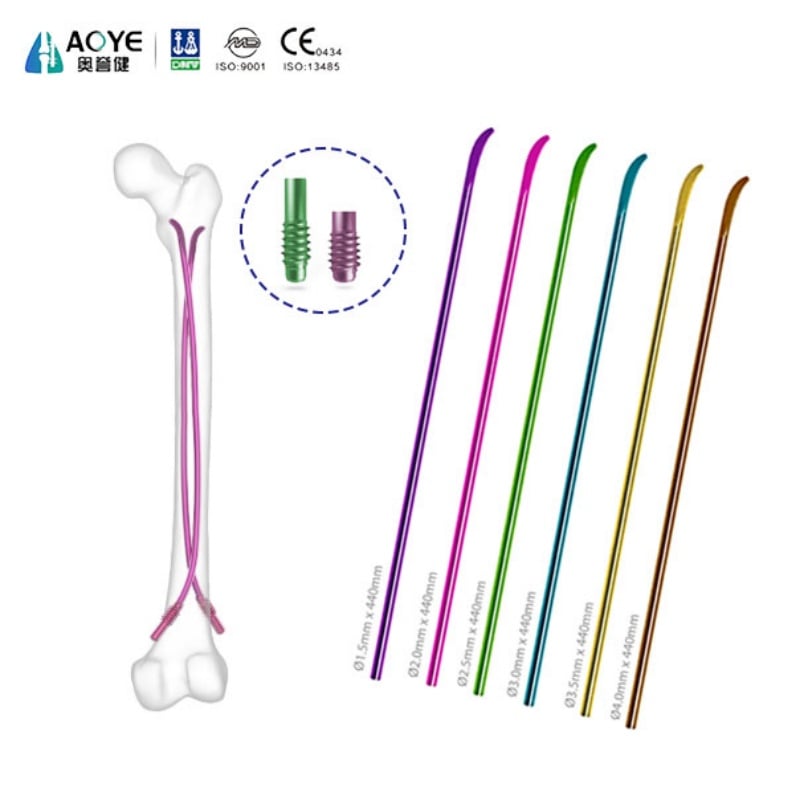
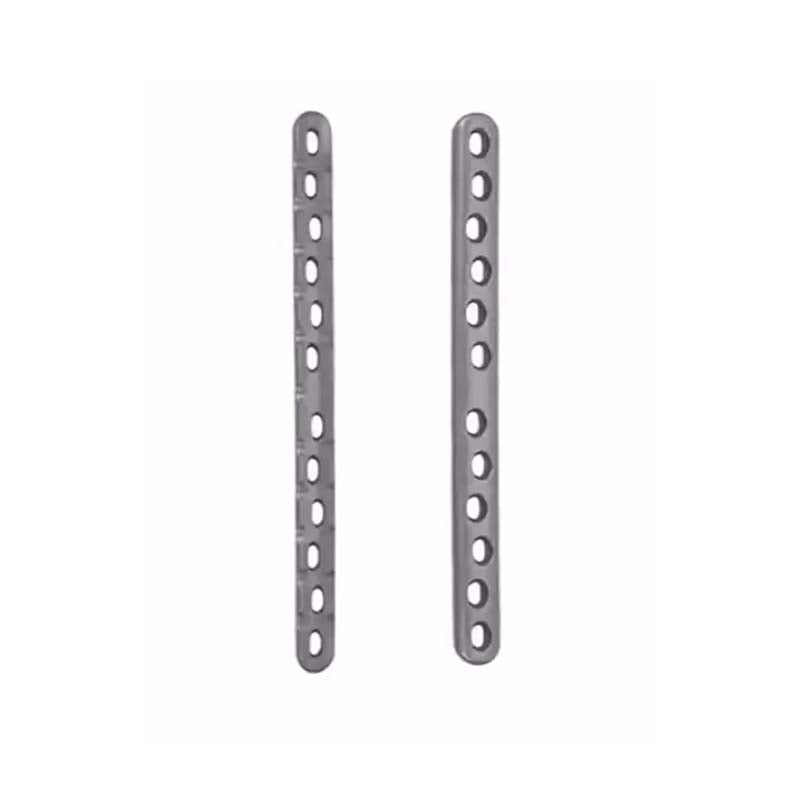
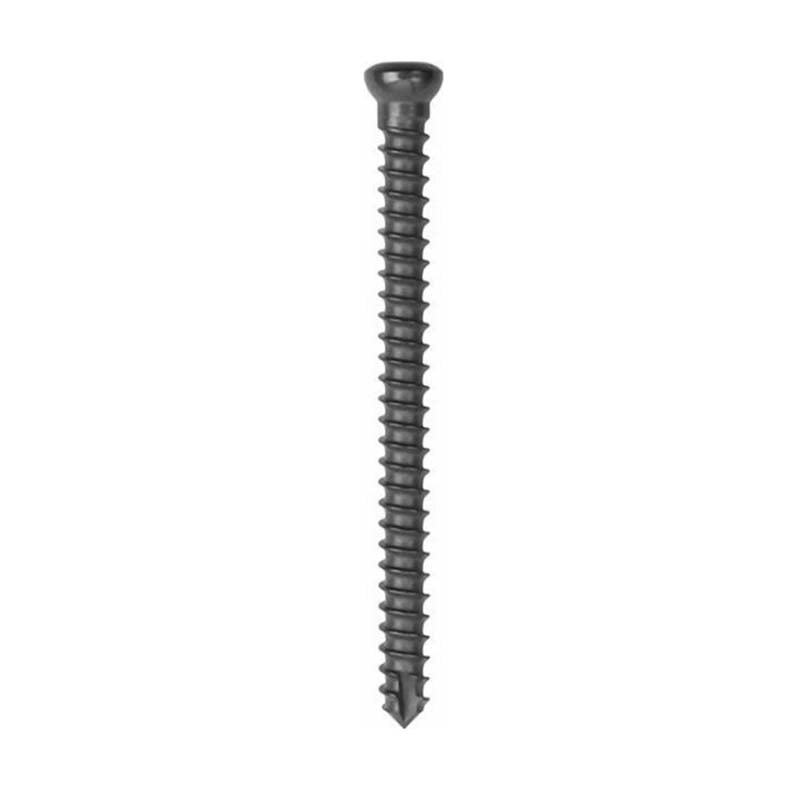
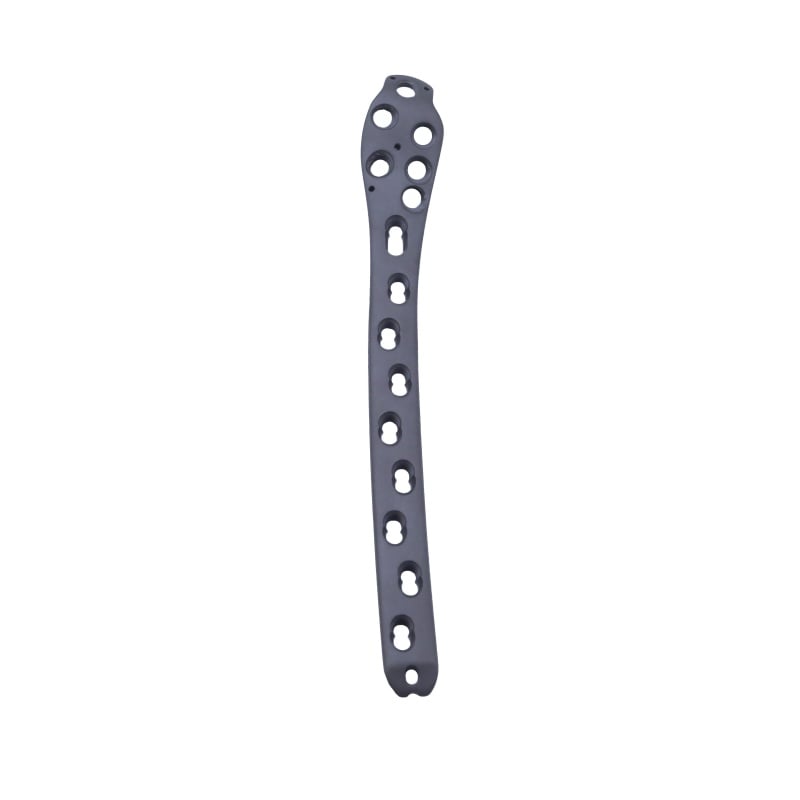
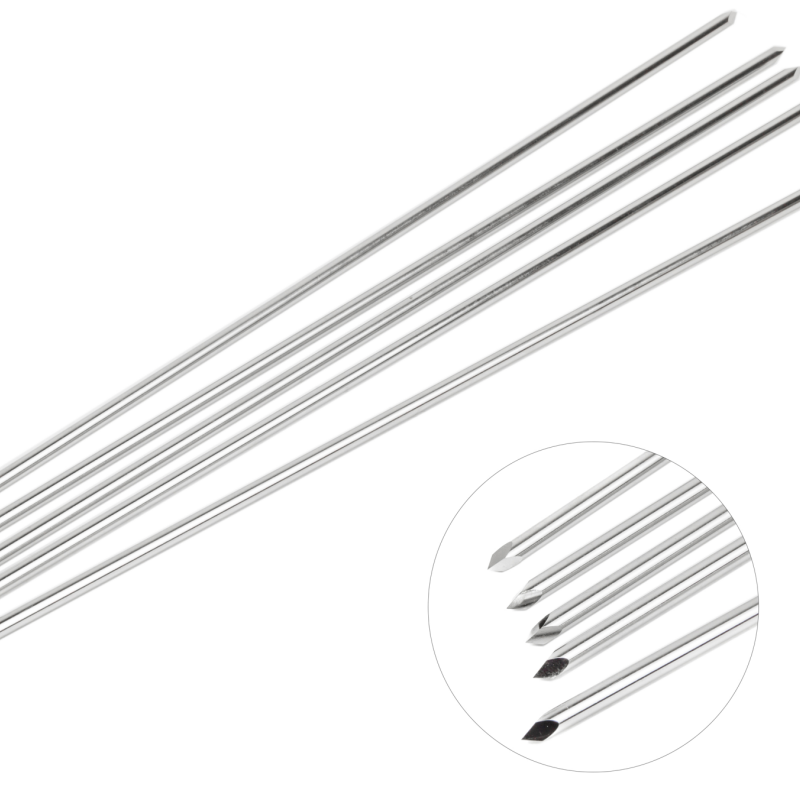
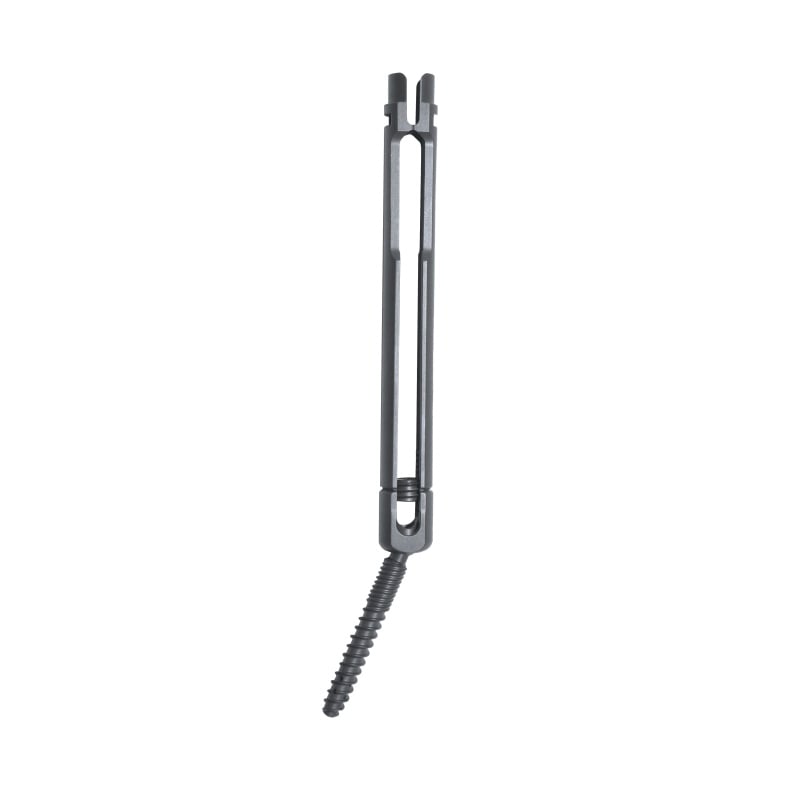
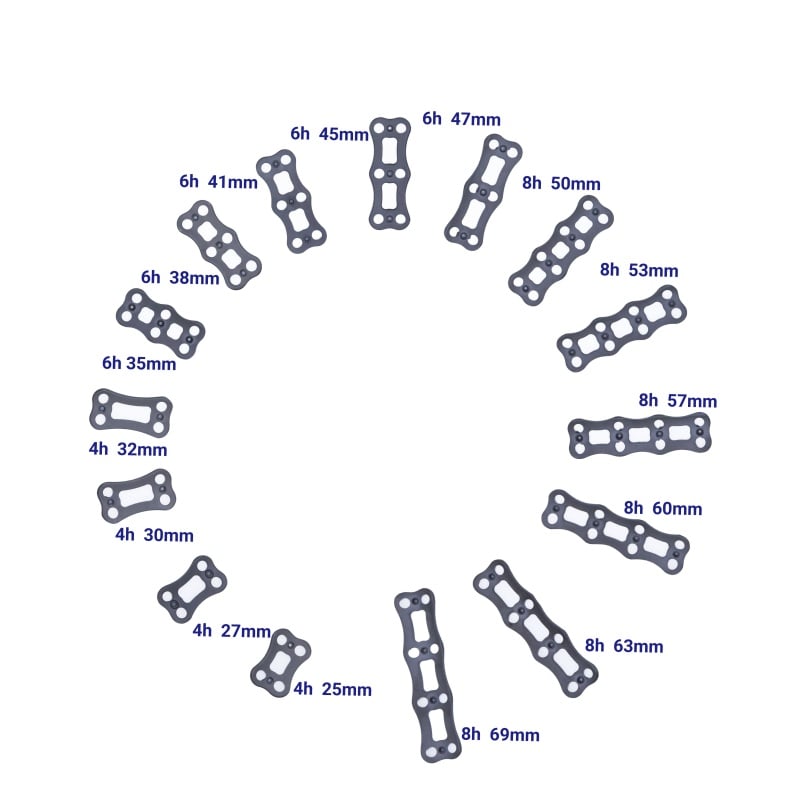
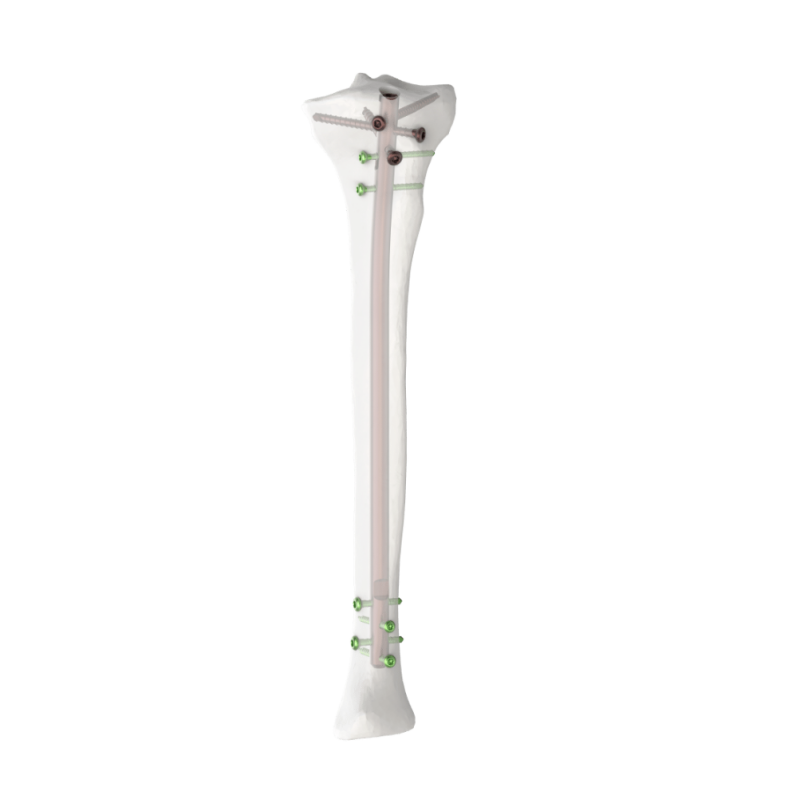
Understanding femoral intramedullary nails is crucial for purchasing managers, orthopedic surgeons, and medical device distributors. These specialized implants play a vital role in stabilizing fractures in the femur, ensuring proper alignment and promoting healing. Key concerns when considering these devices typically include material quality, design specifications, manufacturing standards, and the supplier's reliability. This article will guide you through the essential aspects of selecting the right tibial intramedullary nail, evaluating manufacturing quality, sourcing for bulk orders, and understanding their applications in orthopedic surgery.
When selecting a femoral intramedullary nail, it’s important to consider several key factors. Firstly, dimensions and length are crucial; they must match the anatomical requirements of the patient to ensure effective stabilization of the fracture. Common dimensions include diameters ranging from 8mm to 12mm, with lengths varying based on the patient's height and specific injury.
Next, consider the material of the nail. Most femoral intramedullary nails are made from titanium or stainless steel due to their strength, biocompatibility, and resistance to corrosion. Each material has its advantages: titanium is lighter and offers excellent fatigue resistance, while stainless steel is often more cost-effective and provides robust structural integrity.
Additionally, assess the design features of the nail, such as locking mechanisms. Locking nails can provide greater stability by preventing movement at the fracture site. It is also important to consider any customization options available, such as specific lengths or diameters tailored to individual patient needs.
Finally, ensure that the supplier can provide certifications such as ISO13485 and CE, which indicate adherence to international quality management standards and safety regulations. This guarantees that the product has undergone rigorous testing to meet industry standards.
Quality standards are paramount in the manufacturing of Aoye femoral intramedullary nails. Buyers should pay attention to the following aspects during their evaluation:
Certifications: Ensure the manufacturer is ISO13485 certified, as this indicates compliance with international quality management systems specific to medical devices. Additionally, CE certification is essential for products marketed in Europe, confirming they meet safety and performance requirements.
Manufacturing Processes: Understanding the manufacturing process is vital. High-quality hip intramedullary nailing are typically produced using precision machining and advanced manufacturing techniques, including CNC machining and laser cutting. This ensures consistent quality and precision in dimensions, which is crucial for effective clinical outcomes.
Quality Control: A robust quality control process should be in place, including testing for mechanical strength, biocompatibility, and fatigue resistance. Manufacturers should conduct regular inspections and tests throughout the production process to identify and rectify any issues early.
Traceability: Reliable manufacturers maintain traceability of their products, allowing them to track the materials and processes used in production. This is crucial for quality assurance and for addressing any potential product recalls or concerns.
Material Specifications: Buyers should verify that the materials used meet industry standards, particularly for biocompatibility and mechanical properties, ensuring they are suitable for medical applications.
Sourcing Aoye femoral intramedullary nails in bulk requires careful consideration of potential suppliers. Here are steps to identify reliable sources:
Industry Directories and Trade Shows: Utilize industry directories and attend medical device trade shows to connect with reputable manufacturers like Aoyujian Medical, known for its specialization in orthopedic implants. These platforms provide opportunities to evaluate product quality and meet suppliers face-to-face.
Online Supplier Platforms: Websites like Alibaba or ThomasNet can be useful for finding manufacturers. Look for suppliers with strong ratings and reviews, and check their compliance with international standards.
Request for Quotations (RFQs): Prepare a detailed RFQ that includes specifications, expected quantities, and delivery timelines. This will help suppliers provide accurate pricing and lead times.
Samples: Before placing a bulk order, request samples to evaluate the product’s quality, dimensions, and overall performance. Testing these samples under actual conditions can help verify their suitability for clinical applications.
Supplier Audits: Conduct audits or site visits to potential suppliers to assess their manufacturing capabilities, quality control processes, and adherence to standards. This direct engagement can build trust and ensure that your requirements are understood.
When purchasing Aoye femoral intramedullary nails, it’s important to focus on the following insights for a successful procurement process:
Understand the Clinical Needs: Collaborate with orthopedic professionals to understand the specific needs based on patient demographics and injury types. This collaboration will inform your selection of appropriate nail specifications.
Evaluate Total Cost of Ownership: Beyond the unit price, consider aspects like shipping costs, potential tariffs, and the reliability of supply. A lower initial cost might not reflect the total cost if the supplier cannot deliver on time or if quality issues arise.
Build Long-Term Relationships: Establishing a long-term relationship with a reliable supplier can lead to better pricing, more favorable terms, and customized solutions that meet your evolving needs.
Femoral intramedullary nails are primarily used for the stabilization of femoral fractures, particularly in orthopedic surgery. Their applications include:
Stabilization of Fractures: They are used in both closed and open fractures of the femur, providing internal support that allows for better alignment and healing.
Revision Surgeries: In cases where prior fixation methods have failed, femoral intramedullary nails can be utilized as a revision solution to stabilize the bone.
Use in Complex Cases: Advanced designs that include locking mechanisms are particularly beneficial in complex fractures or cases where additional stability is required, such as in osteoporotic bones.
Minimally Invasive Surgery: The use of intramedullary nails allows for a minimally invasive surgical approach, leading to reduced recovery times and lower risk of infection compared to traditional external fixation methods.
By understanding these applications, purchasing managers and medical professionals can make informed decisions regarding the procurement of reamed intramedullary nail that best meet their clinical needs.
Aoyujian Medical Technology provides trusted orthopedic solutions, high-quality implants, OEM/ODM services, and global shipping for hospitals & distributors.
No. 2 Changting Road, Gehu Farm, Wujin Economic Development Zone, Changzhou, Jiangsu, China
Copyright © Aoyujian Medical Technology (Changzhou) Co., Ltd. All Rights Reserved - Privacy Policy - Blog
 EN