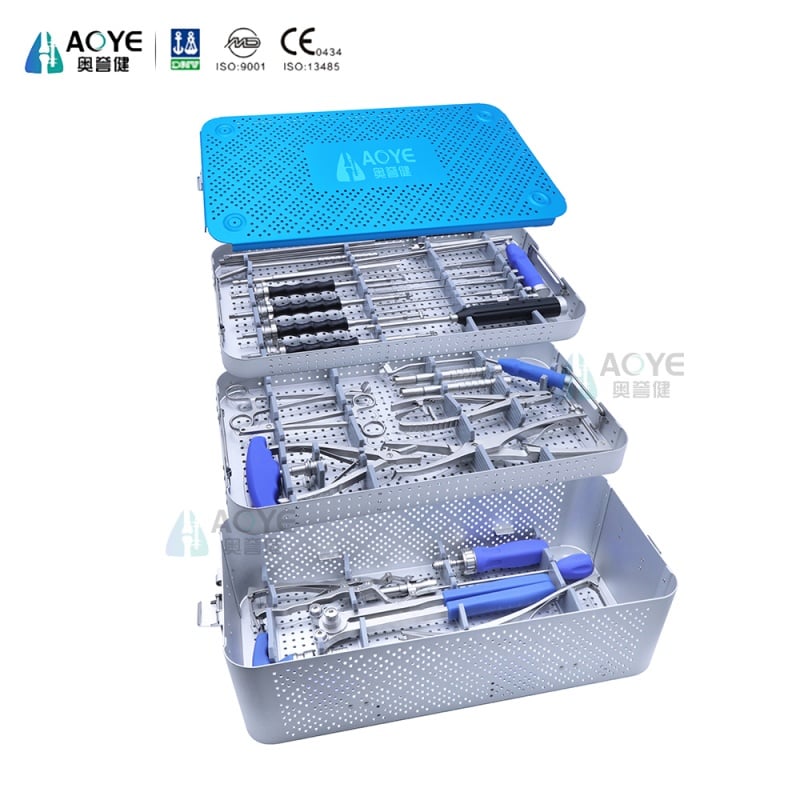
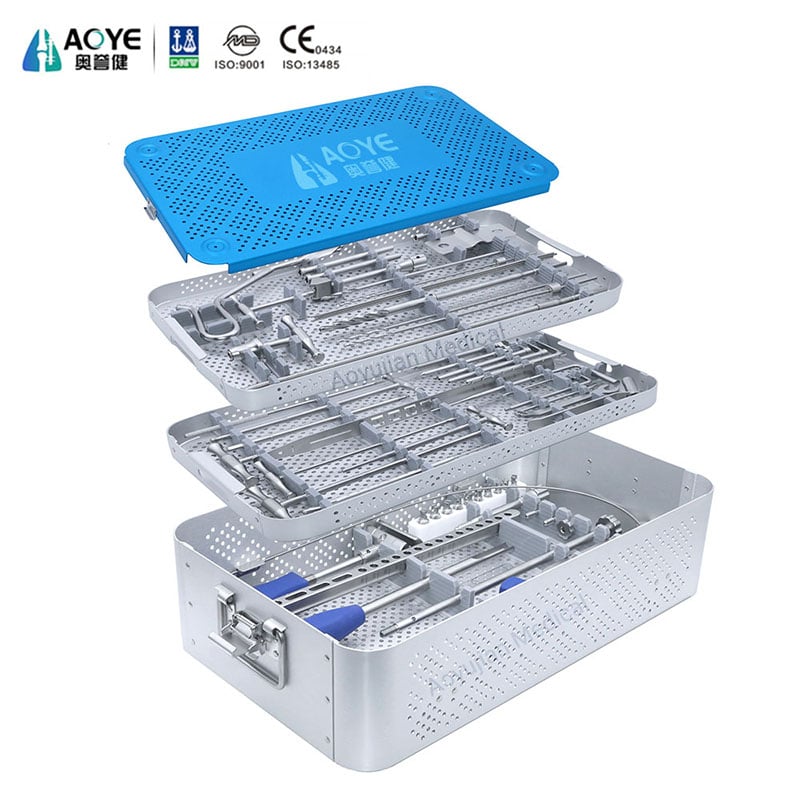
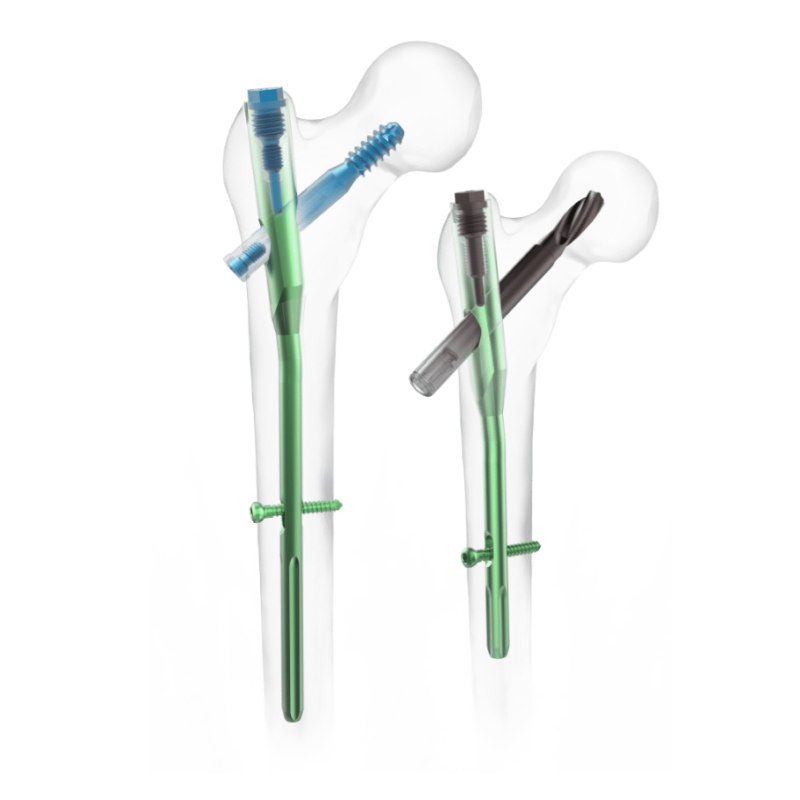
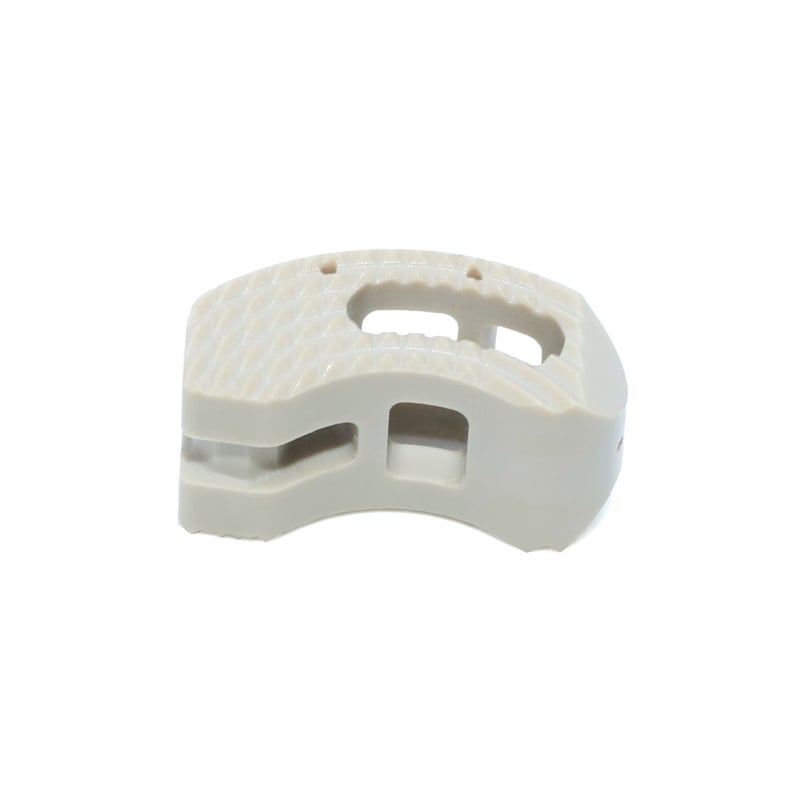
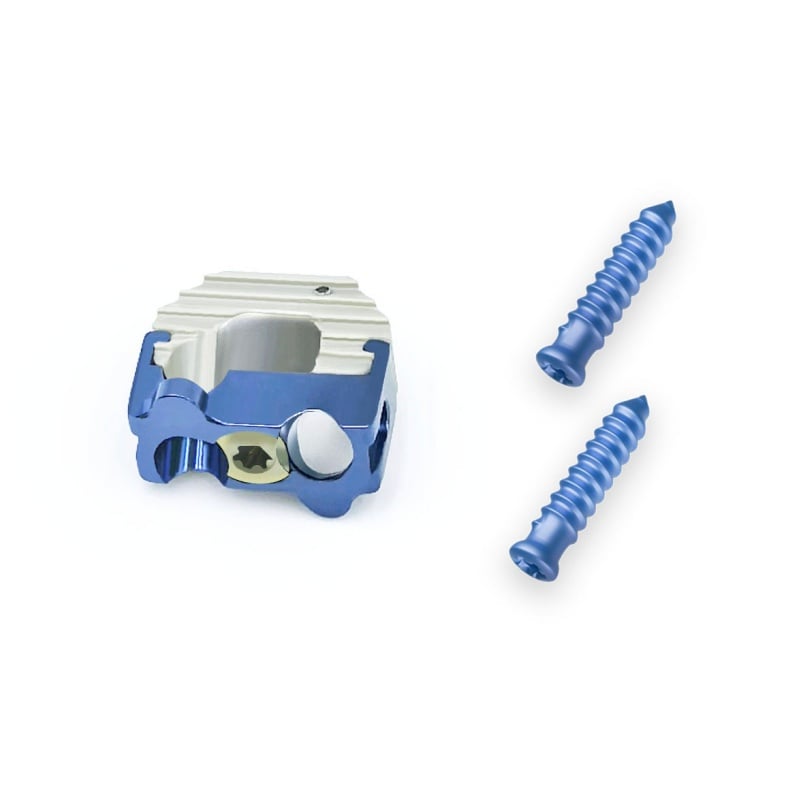
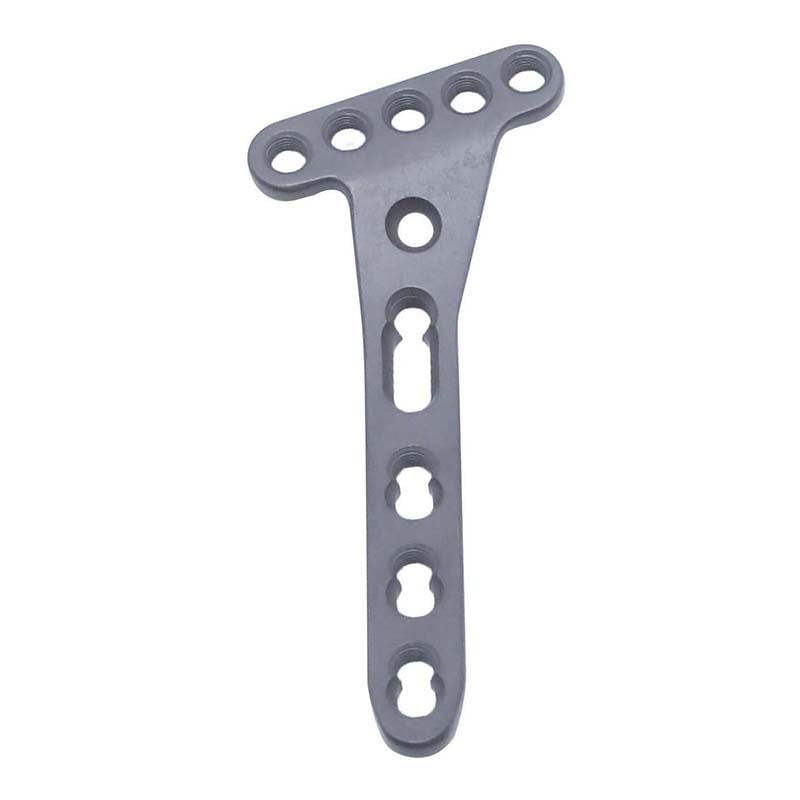
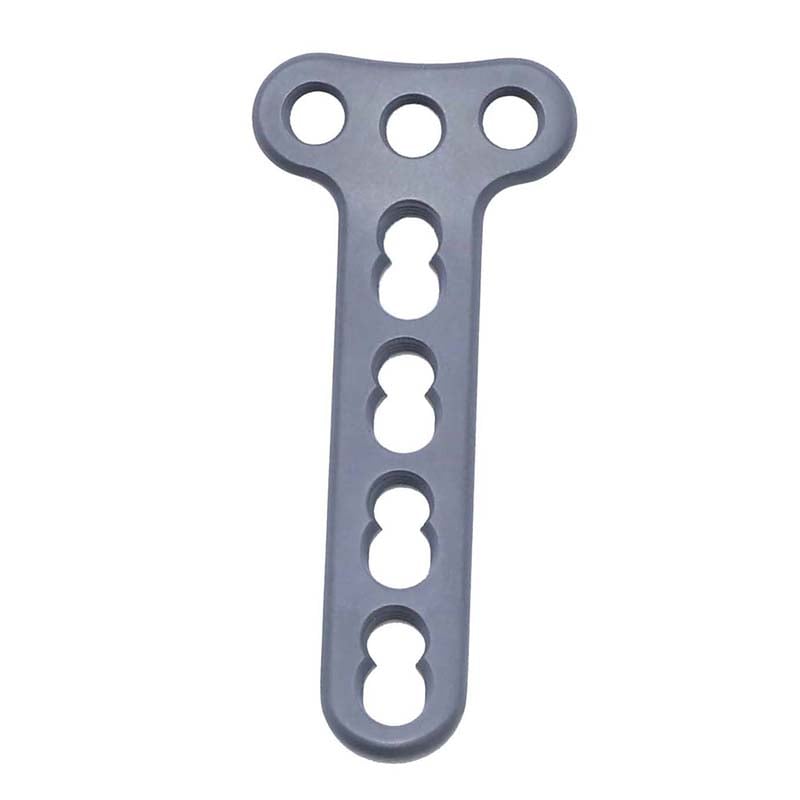
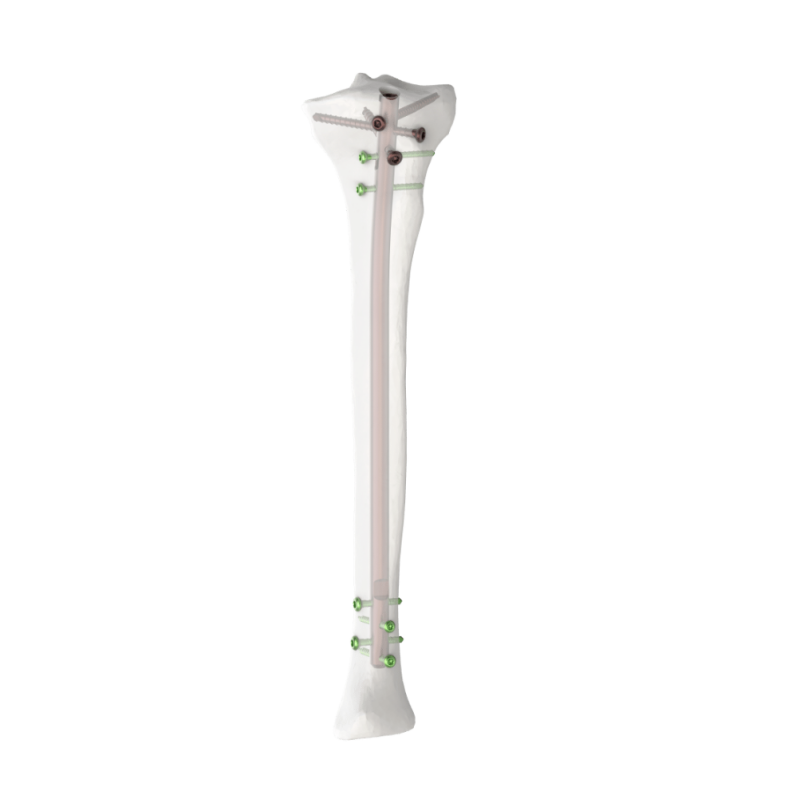
Femur bone plates are essential orthopedic implants used to stabilize fractures in the femur, ensuring proper healing and restoring functionality. For B2B buyers, understanding the specifics of femur titanium bone plate, including their material composition, installation challenges, and application scenarios, is crucial for making informed purchasing decisions. This article aims to equip purchasing managers, distributors, and other professionals with the knowledge they need to source high-quality femur bone plates effectively.
When sourcing femur bone plates, buyers should consider several critical factors. First, the specifications of the plates, such as size, thickness, and design, must align with the intended application. Plates are typically made from biocompatible materials such as titanium or stainless steel, each offering unique advantages in terms of strength and corrosion resistance.
Buyers should also be aware of the importance of certifications, such as ISO13485 and CE, which indicate compliance with international quality standards. These certifications ensure that the femur bone drill machine stringent safety and efficacy requirements, which is vital for any orthopedic application.
Additionally, understanding the manufacturing process is essential. A reliable manufacturer should have robust quality control processes in place to ensure consistency and reliability in their products. This can include regular testing of materials, inspections during production, and final quality assessments before shipping.
For businesses looking to purchase femur bone plates in bulk, partnering with a reputable manufacturer is key. Aoyujian Medical, for example, is an established Chinese manufacturer that specializes in orthopedic implants and instruments. They have a proven track record of serving partners in over 45 countries, offering a range of femur bone plates suitable for various clinical applications.
When selecting a supplier, consider their production capacity and lead times. A manufacturer like Aoyujian Medical can often accommodate bulk orders and provide competitive pricing without compromising surgical bone drill quality. Requesting a sample before placing a large order is advisable to evaluate the product's quality and ensure it meets your specific requirements.
Additionally, inquire about customization options. Depending on the surgical needs, buyers may require specific dimensions or configurations that can only be achieved through custom manufacturing.
One of the primary challenges during the installation of femur bone plates is ensuring proper alignment and fixation to promote optimal healing. Misalignment can lead to complications, including non-union or malunion of the bone. To mitigate this risk, it is vital to use appropriate surgical techniques and tools.
Another challenge is dealing with soft tissue interference during the plating process. Surgeons must carefully navigate soft tissues to minimize damage and ensure proper plate placement. Utilizing advanced imaging technologies, such as fluoroscopy, during surgery can enhance accuracy and reduce the risk of complications.
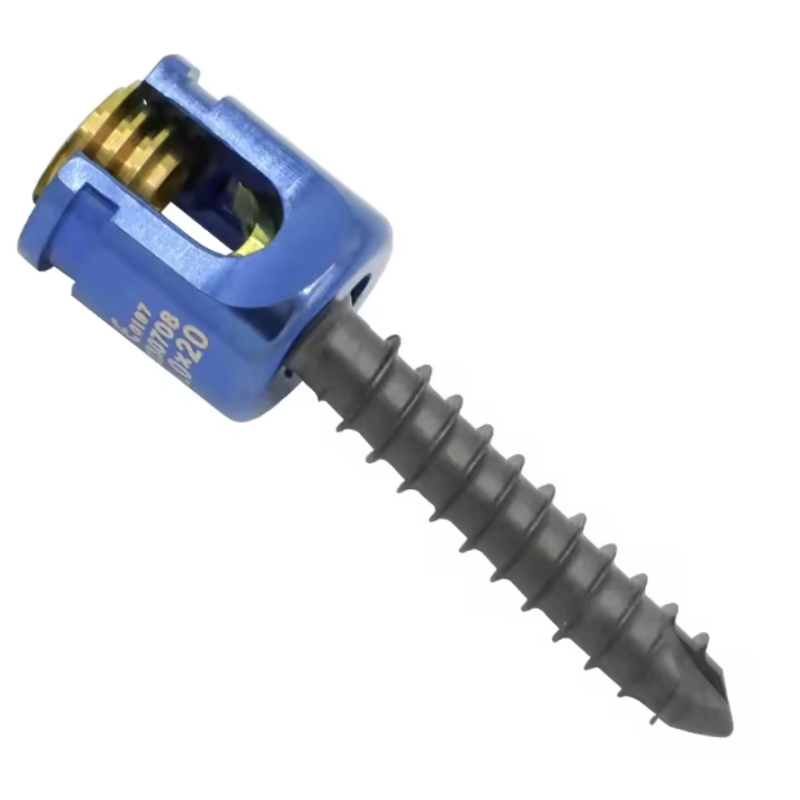
Furthermore, selecting the right screws for fixation is crucial. Buyers should ensure that the screws used with the femur bone plates are compatible and of high quality to prevent loosening or breakage. A thorough understanding of these challenges and their respective solutions can significantly improve surgical outcomes.
The choice of material for femur bone plates plays a critical role in their performance and longevity. Titanium is a popular choice due to its excellent strength-to-weight ratio and biocompatibility, making it suitable for long-term implantation. It resists corrosion and can withstand the body's physiological environment without causing adverse reactions.
Stainless steel is another common material, offering high strength and durability at a lower cost compared to titanium. However, it may be more prone to corrosion in certain conditions. Buyers should understand the specific application requirements, such as load-bearing capacity and environmental conditions, to determine the most suitable material.
Importers should also consider the surface treatment of femur bone plates. Coatings can enhance biocompatibility and reduce the risk of infection, making them a valuable addition to the product specifications. Discussing these options with the manufacturer can lead to better product outcomes and customer satisfaction.
Femur bone plates are primarily used in orthopedic surgery to stabilize fractures and facilitate healing. They are applied in various scenarios, including:
Trauma Cases: In instances of traumatic fractures due to falls or accidents, femur bone plates provide the necessary support for realignment and healing.
Revision Surgeries: For patients requiring revision surgeries due to previous implant failures, femur bone plates can stabilize the bone and aid in recovery.
Tumor Resection: In cases where tumors are removed from the femur, bone plates can help restore structural integrity during the healing process.
Osteotomy Procedures: When realigning the femur for conditions like osteoarthritis, femur bone plates can provide the necessary stabilization.
Understanding these application scenarios can help buyers assess the market demand for femur bone plates and tailor their purchasing strategies accordingly. By aligning product offerings with these applications, distributors can better serve healthcare providers and improve patient outcomes.
sourcing femur bone plates involves understanding product specifications, material advantages, installation challenges, and application scenarios. By leveraging the knowledge presented , B2B buyers can make informed decisions, ensuring the procurement of high-quality orthopedic implants that meet the needs of healthcare professionals and their patients.
Aoyujian Medical Technology provides trusted orthopedic solutions, high-quality implants, OEM/ODM services, and global shipping for hospitals & distributors.
No. 2 Changting Road, Gehu Farm, Wujin Economic Development Zone, Changzhou, Jiangsu, China
Copyright © Aoyujian Medical Technology (Changzhou) Co., Ltd. All Rights Reserved - Privacy Policy - Blog
 EN