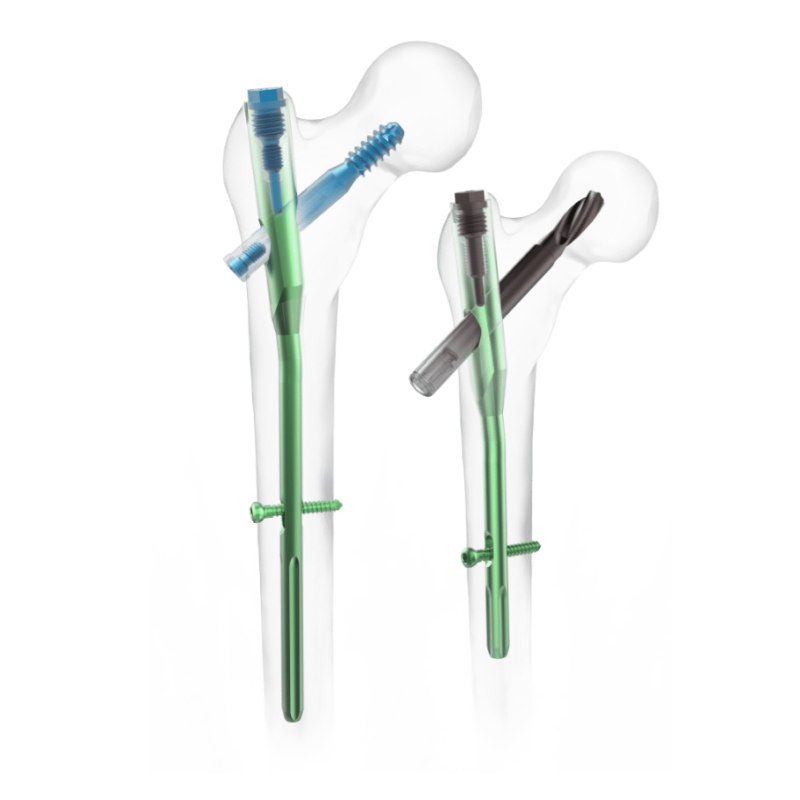
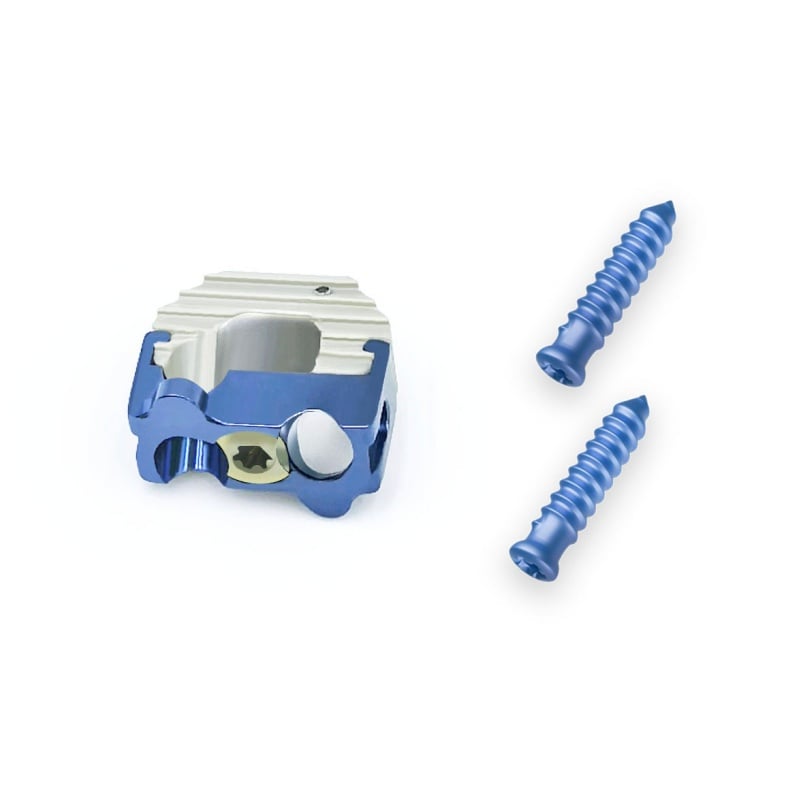
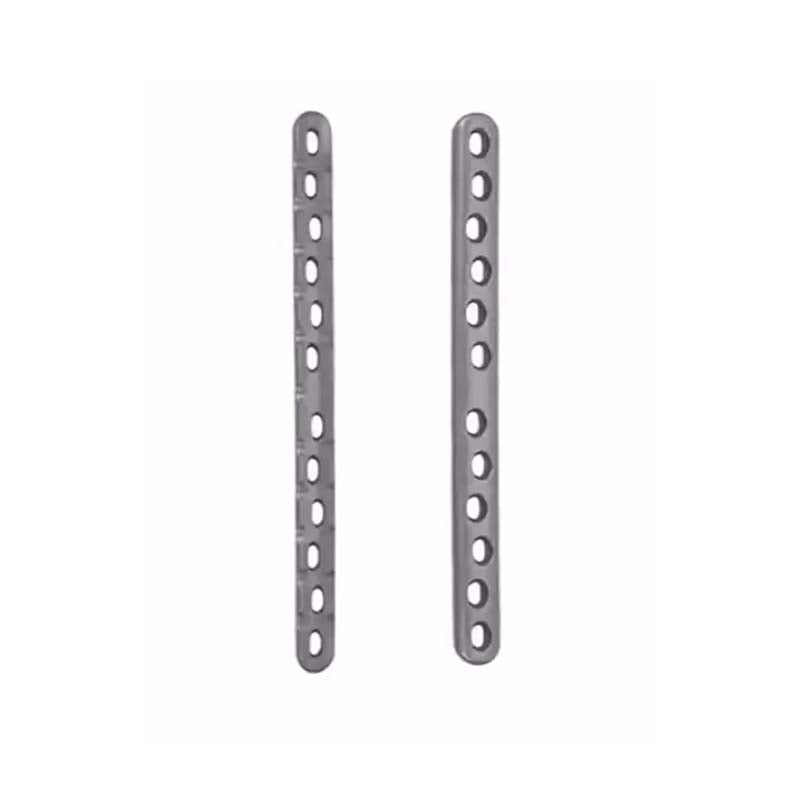
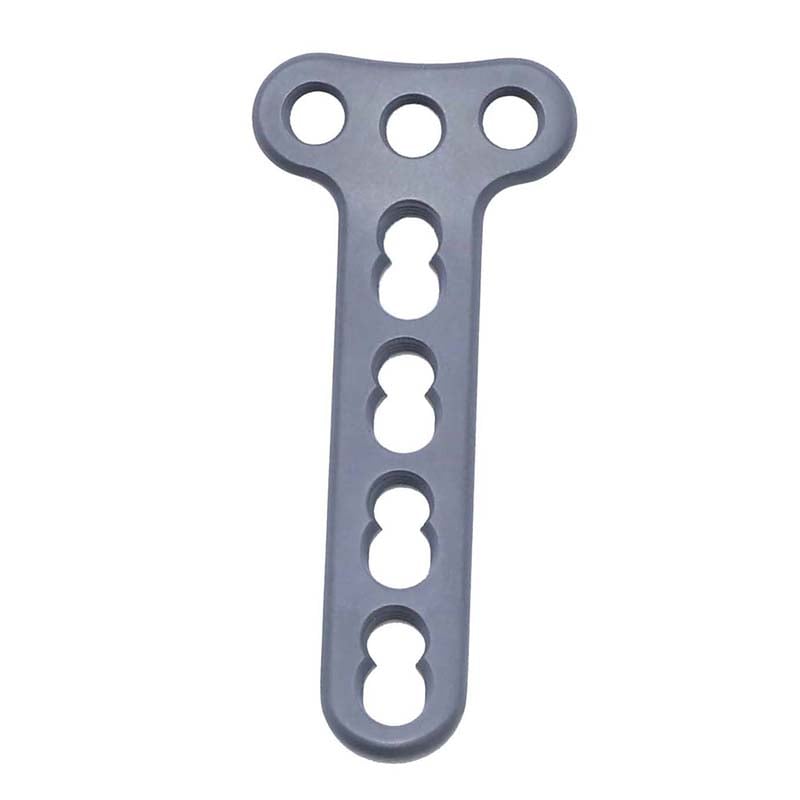
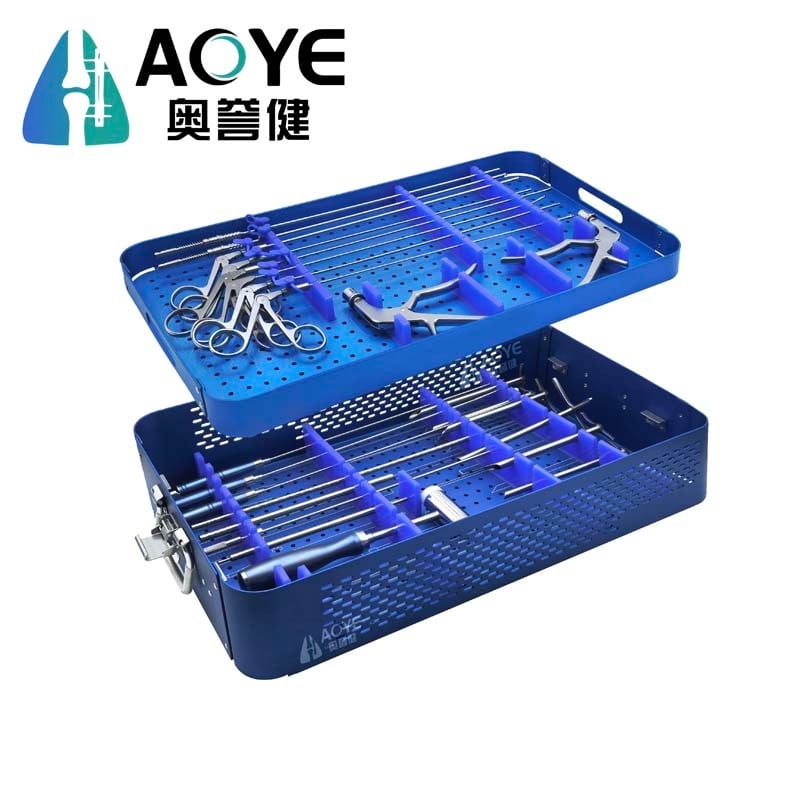
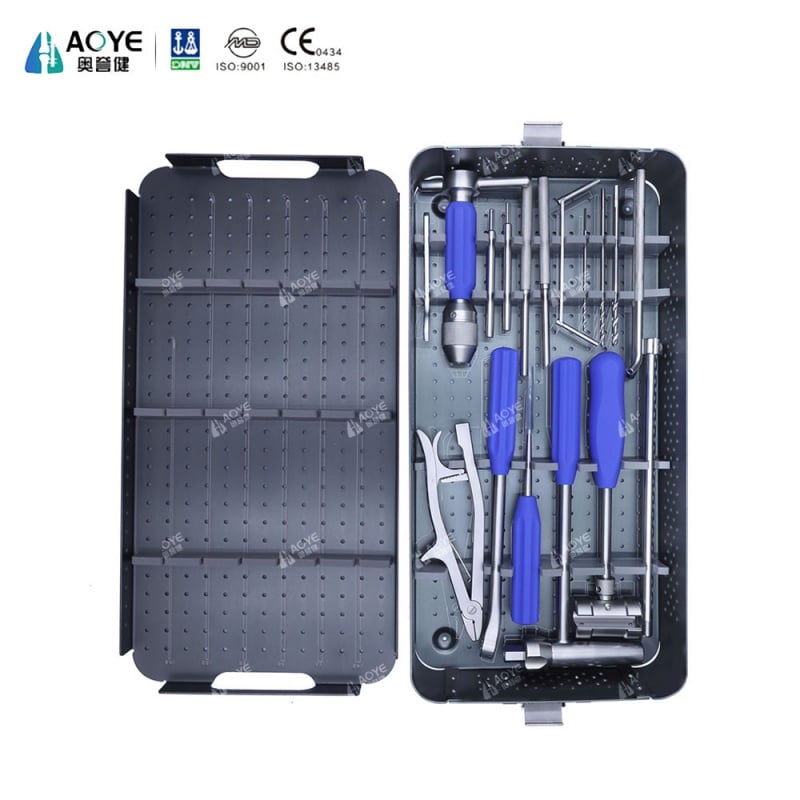
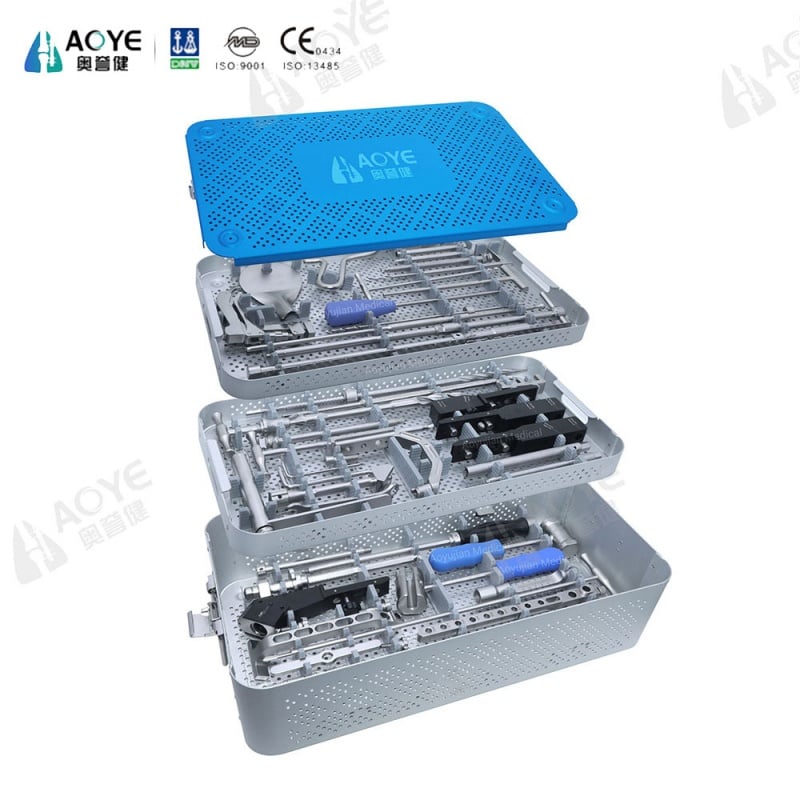
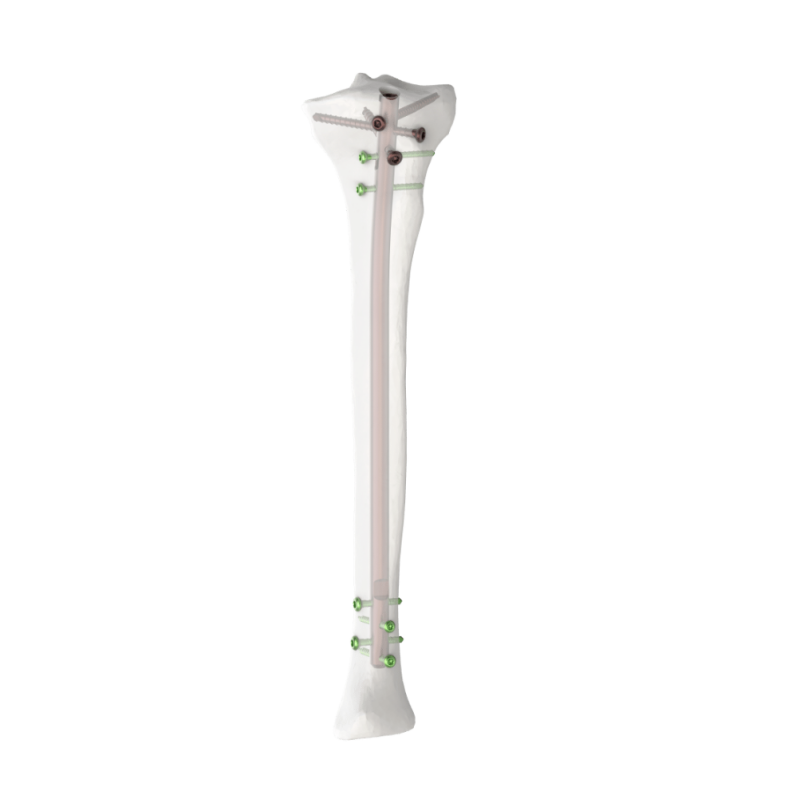
Finger fixators are specialized medical devices used in orthopedic applications to stabilize and immobilize fractured or injured fingers. As a B2B buyer, understanding the nuances of fixator ilizarov is critical for making informed purchasing decisions. Key concerns typically include product specifications, material quality, and compatibility with existing medical instruments. This article will guide you through essential considerations when selecting finger fixators, providing valuable insights that will help ensure you choose the right solution for your project needs.
When selecting a finger fixator, it’s essential to consider the specific application and the type of injury being treated. Finger fixators vary in design, and the right choice will depend on factors such as the location and severity of the fracture, as well as patient-specific requirements. For instance, external fixators may be more suitable for complex fractures that require effective stabilization without excessive soft tissue disruption.
Additionally, consider the ease of application and removal. Some fixator ilizarov allow for faster application times, which can be a crucial factor in emergency situations. Engaging with suppliers who have experience in orthopedic implants that can provide access to a range of options tailored to different clinical scenarios.
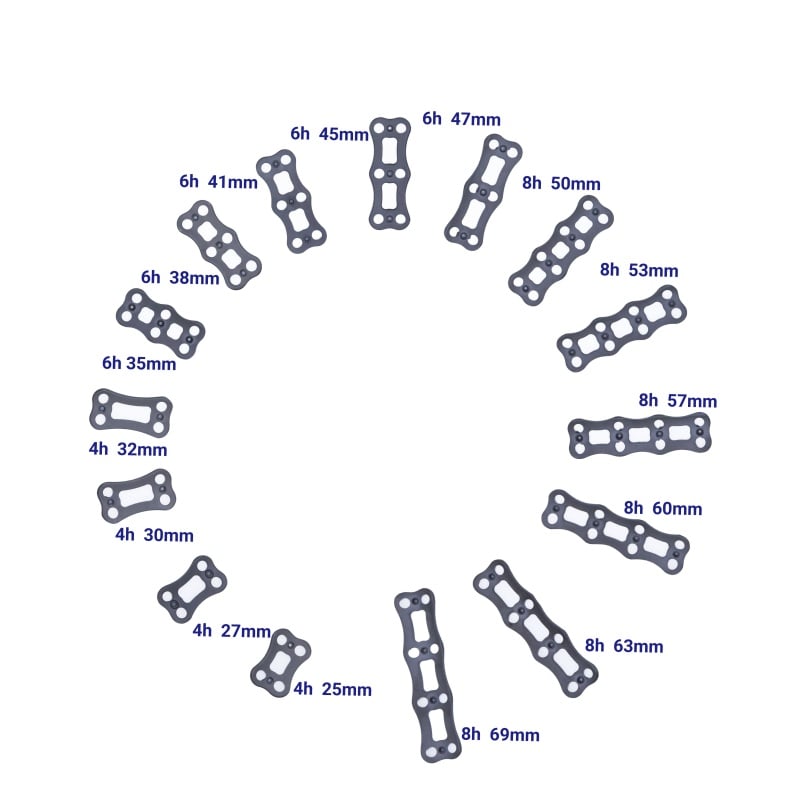
Understanding the specifications of finger fixators is vital for ensuring performance and safety.There are some key specifications to evaluate. First is the material composition, most finger fixators are made from bio-compatible materials such as titanium or stainless steel. These materials not only provide strength and durability but also reduce the risk of infections. When choosing a fixator, confirm that the material meets the required standards for safety and efficacy. Next is dimensions and configuration, the dimensions of the fixator should align with the anatomical features of the patient's fingers. A well-fitting fixator will ensure proper immobilization and promote effective healing.
Then load capacity, depending on the nature of the injury, the fixator must be capable of handling various load conditions without failure. Evaluate the manufacturer's testing data to confirm that the product meets the necessary load-bearing requirements for the intended application. Another one is adaptability, some fixator ilizarov offer adjustable features that allow for fine-tuning post-application. This can be particularly useful in accommodating swelling or changes in the patient's condition.Last, ease of sterilization, since finger fixators are used in medical settings, they must be easily sterilization.
Confirm that the materials and design facilitate effective sterilization processes.
Before making a purchase, it is important to gather comprehensive information about the fixator ilizarovyou are considering. Factors such as the manufacturer's reputation for quality, compliance with international standards (such as ISO 13485), and the availability of certifications (like CE marking) should be verified.
Furthermore, it's beneficial to understand the manufacturer’s quality control processes, as this directly impacts the reliability of the product. Engaging with experienced manufacturers like Aoyujian Medical can provide insights into their quality assurance protocols, which can help mitigate risks associated with product performance.
Despite their effectiveness, finger fixators can present certain challenges. Some common problems that includes improper fit, a fixator that does not fit properly can result in discomfort or inadequate immobilization. To prevent this, it's essential to conduct thorough assessments of the patient's finger anatomy and select a fixator that matches those specifications. Also the infection risk, infections are a potential concern with any external fixation device. Ensuring that the fixator is made from high-quality, bio compatible materials can help reduce this risk. Additionally, proper post-operative care and monitoring are crucial in preventing infection. Occasionally, components of the fixator ilizarov may fail due to excessive stress or poor-quality materials. Opting for reputable manufacturers who adhere to stringent quality control measures can significantly reduce the likelihood of component failure. Some patients may struggle with adhering to the treatment plan, leading to sub optimal recovery. Educating patients about the importance of immobilization and follow-up care can improve compliance.
When budgeting for finger fixators, several cost factors should be taken into account:
1. Material Costs - The choice of materials directly influences the overall cost. Higher-quality materials may come at a premium but provide better performance and longevity.
2. Customization - If you require specific configurations or adaptations for your fixator ilizarov, customization can incur additional costs. Discuss your needs with the supplier to understand potential pricing implications.
3. Order Quantity - Manufacturers often provide discounts for bulk purchases. Understanding your minimum order quantity (MOQ) and negotiating pricing based on volume can lead to significant savings.
4. Shipping and Handling - Depending on your location and the manufacturer’s shipping policies, logistics costs can vary considerably. Assess these costs when planning your budget to avoid unexpected expenses.
5. Quality Assurance Testing - Some manufacturers include the cost of quality assurance testing in their pricing structure, while others may charge separately for it. Ensure you are aware of these factors, as they can impact your total expenses.
By understanding these considerations and collaborating with experienced suppliers, you can make well-informed purchasing decisions that ensure the successful integration of finger fixators into your medical practice.
Aoyujian Medical Technology provides trusted orthopedic solutions, high-quality implants, OEM/ODM services, and global shipping for hospitals & distributors.
No. 2 Changting Road, Gehu Farm, Wujin Economic Development Zone, Changzhou, Jiangsu, China
Copyright © Aoyujian Medical Technology (Changzhou) Co., Ltd. All Rights Reserved - Privacy Policy - Blog
 EN