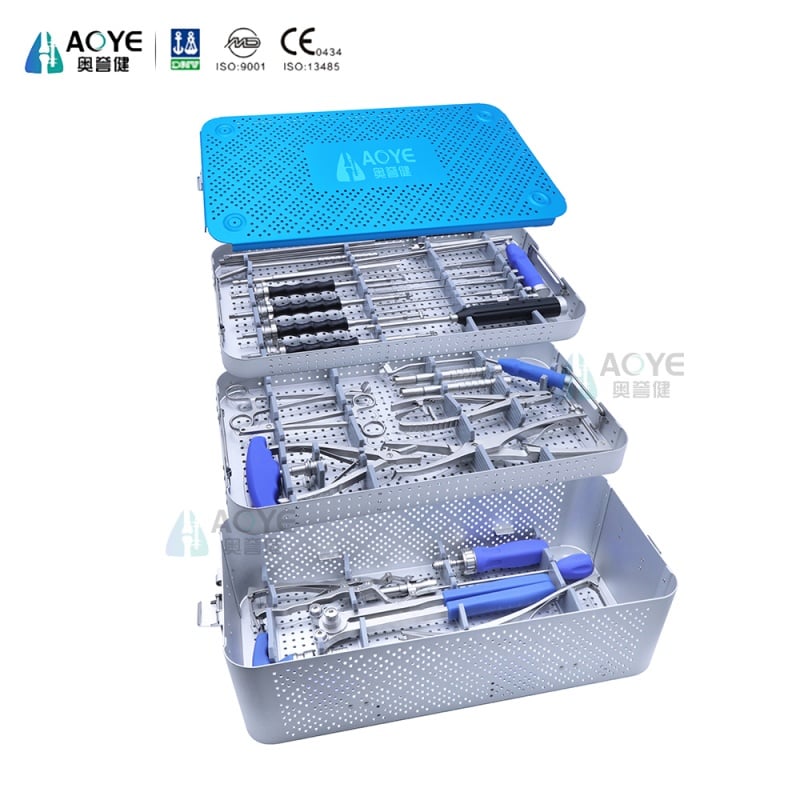
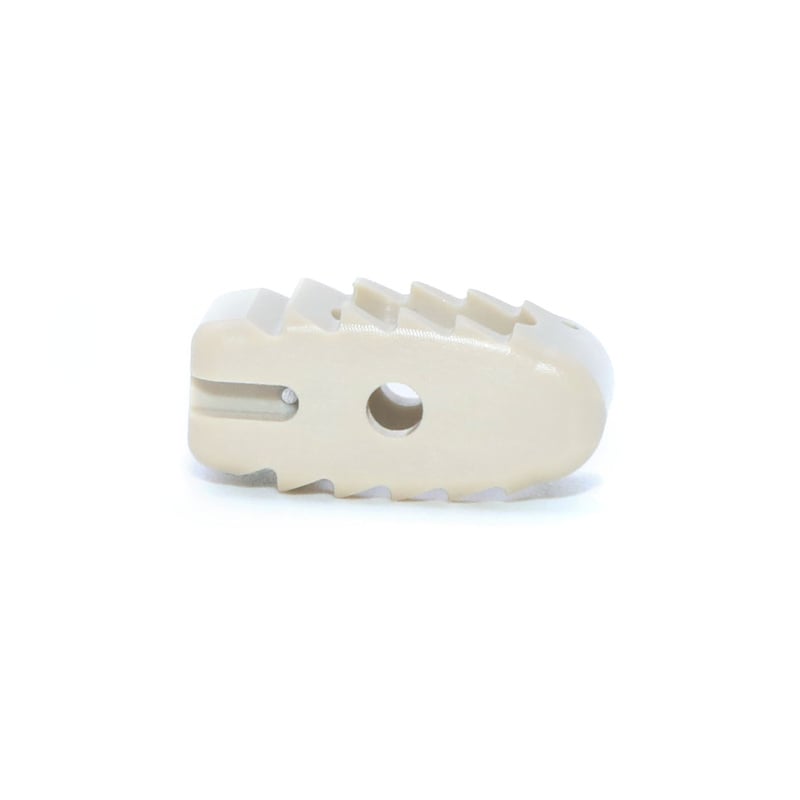
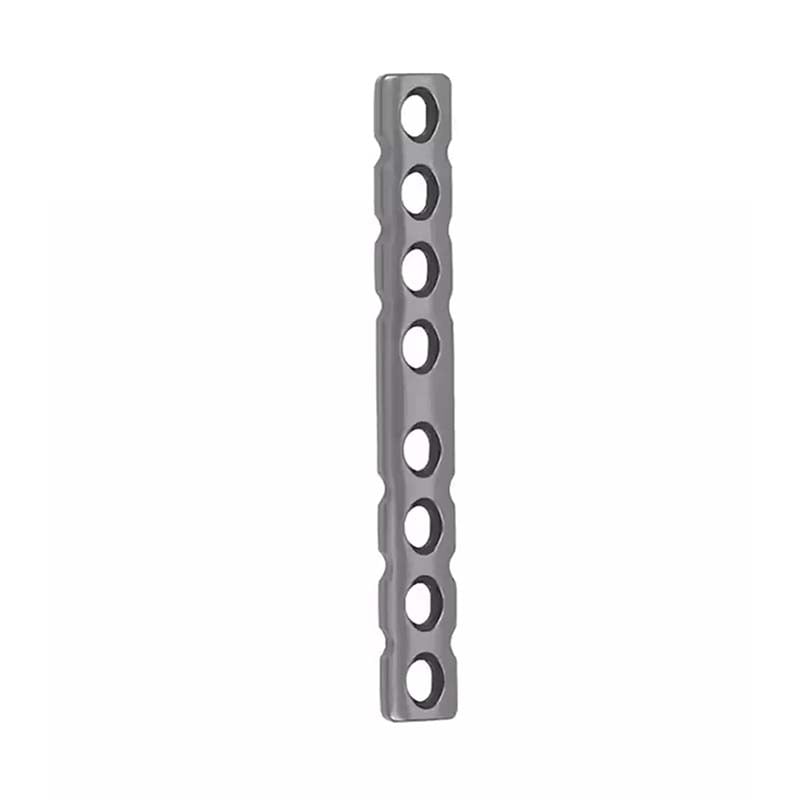
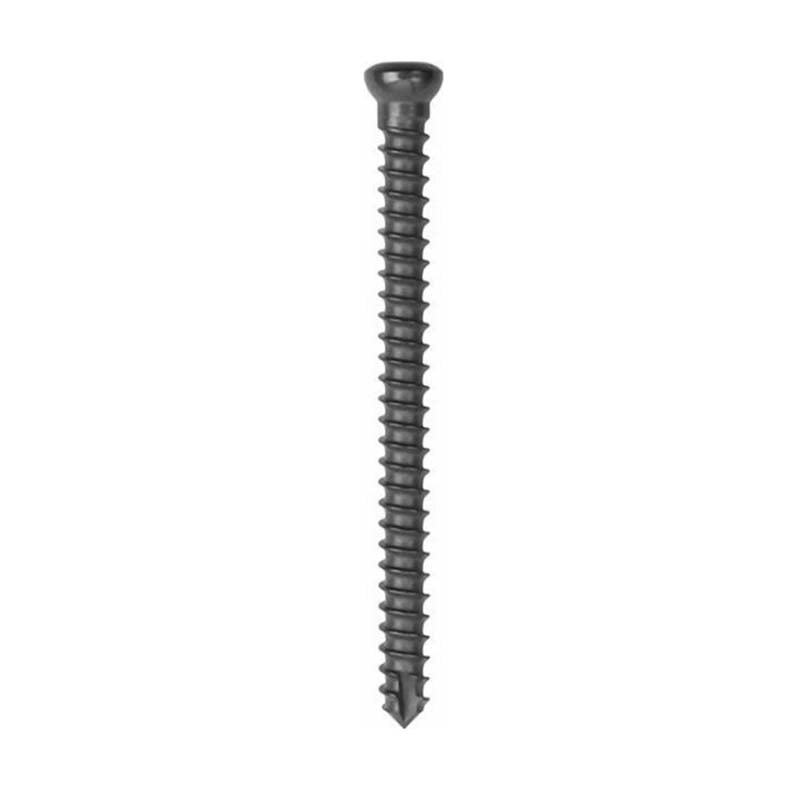
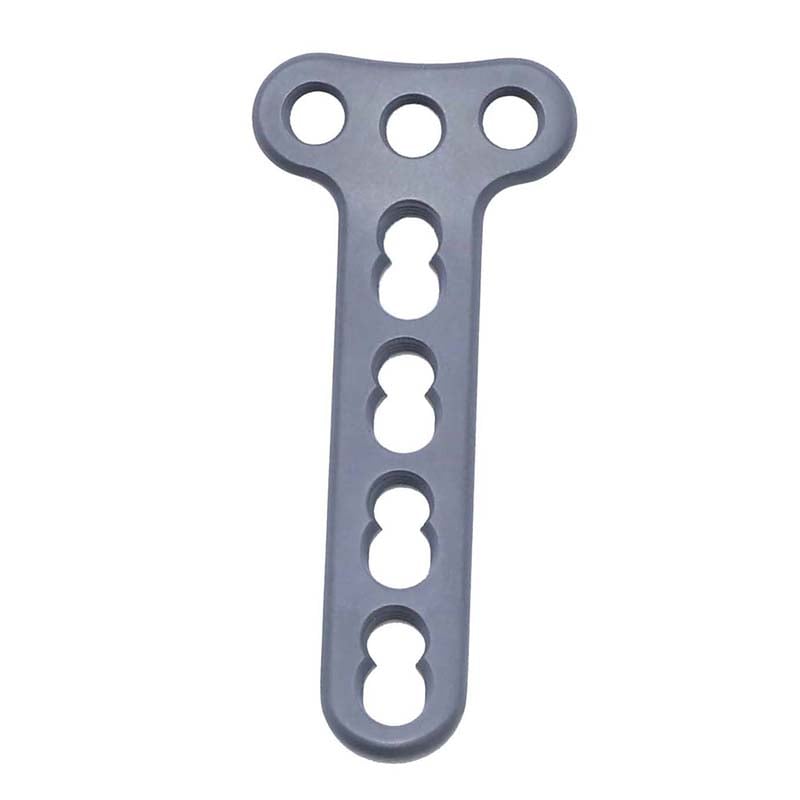
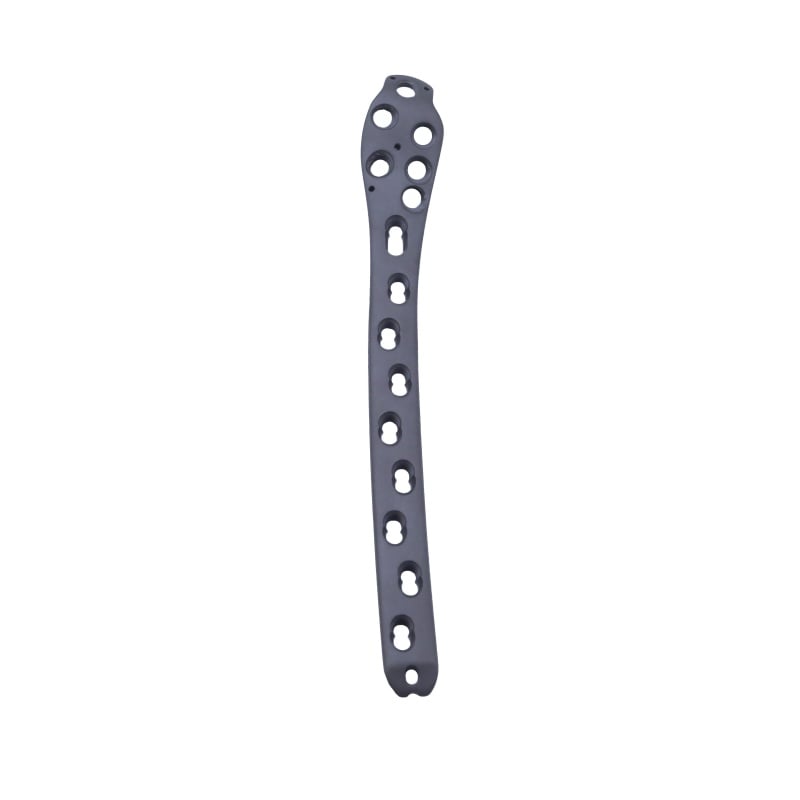
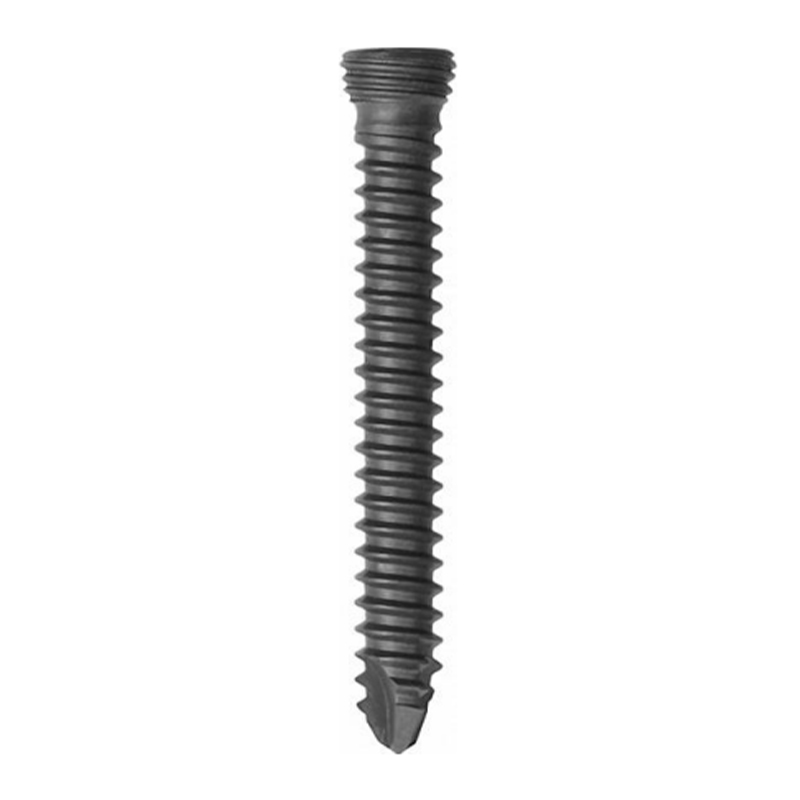
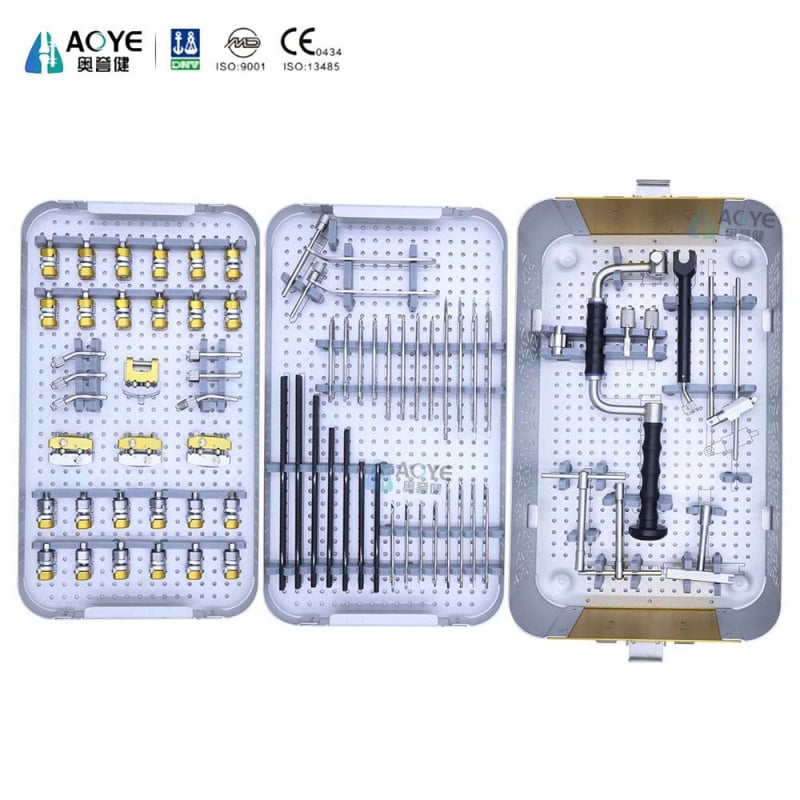
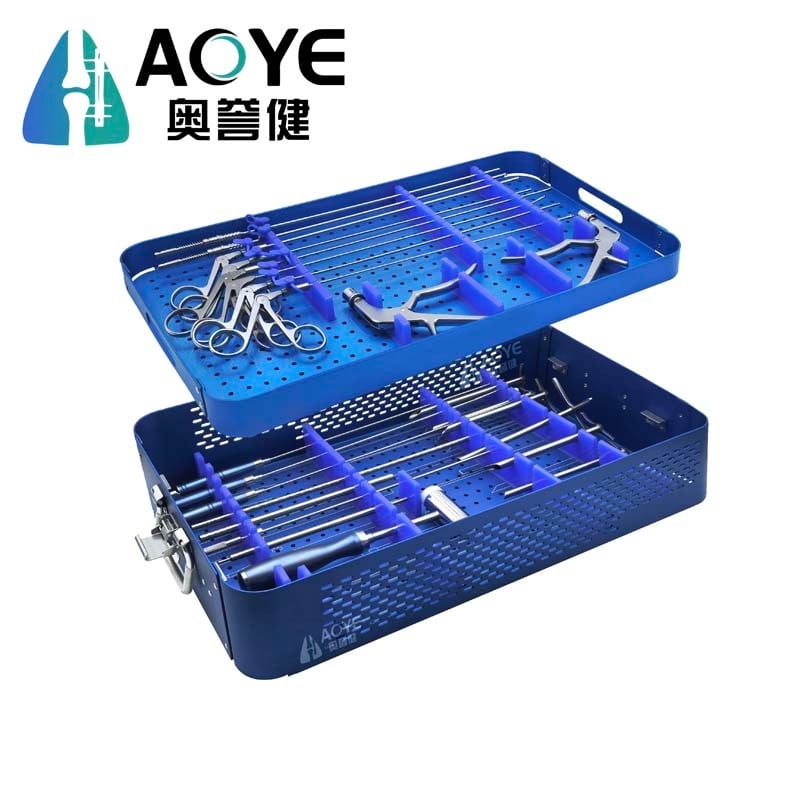
Ilizarov fixator parts are specialized components used in the Ilizarov technique, a method for treating complex fractures and bone deformities. B2B buyers in the medical field, such as orthopedic surgeons, hospital purchasing managers, and medical device distributors, often seek reliable suppliers for these critical components. This article aims to guide buyers on what to consider when purchasing spanning external fixator, ensuring they make informed decisions that prioritize quality, compatibility, and practicality.
When purchasing Ilizarov fixator parts, buyers should focus on several key factors:
Specifications: Understanding the technical requirements, such as dimensions, load-bearing capacity, and compatibility with existing fixation systems, is crucial. Buyers should specify their needs clearly in any requests for quotes (RFQs).
Quality Assurance: Look for manufacturers that adhere to international standards, such as ISO13485 or CE certification. These certifications indicate a commitment to quality management systems, essential for medical devices.
Customization Options: Many manufacturers offer customization capabilities, allowing buyers to tailor fixator parts to specific patient needs or surgical preferences. This could include adjustments in size, material, or design.
Lead Time: In the medical field, timely delivery can be critical. Buyers should inquire about production timelines and the manufacturer’s capacity to meet urgent requests.
Support and Service: Consider the level of technical support and training offered by the supplier. A knowledgeable partner can aid in the correct application and use of the orthofix external fixator.
Finding reliable suppliers for Ilizarov fixator parts involves thorough research and evaluation. Potential sources include:
Industry Trade Shows: Attending medical device exhibitions and orthopedic conferences can provide direct access to manufacturers, enabling buyers to assess products firsthand and establish relationships.
Professional Associations: Organizations like the American Academy of Orthopaedic Surgeons (AAOS) often provide resources for finding reputable suppliers and manufacturers.
Online Marketplaces: Platforms dedicated to medical supplies can help buyers compare products and read reviews from other professionals.
Direct Manufacturer Outreach: Engaging with manufacturers like Aoye, which specializes in orthopedic implants, can yield valuable insights into product offerings and capabilities.
Referrals: Networking within the medical community can lead to trusted supplier recommendations, enhancing confidence in purchasing decisions.
Cost is a significant consideration when purchasing Ilizarov fixator parts. Here are key factors that influence pricing:
Material Costs: The choice of materials, such as titanium or stainless steel, affects pricing. High-quality materials may come at a premium but provide enhanced durability and biocompatibility.
Manufacturing Methods: Advanced manufacturing techniques, such as CNC machining or additive manufacturing, can impact costs. Custom components may require more intricate processes, leading to higher prices.
Order Volume: Suppliers often provide discounts for bulk orders. Understanding the minimum order quantities (MOQ) can help buyers manage budgets effectively.
Shipping and Handling: Transportation costs can vary based on distance and shipping methods. Buyers should clarify these costs upfront to avoid unexpected expenses.
Warranty and Support: Consider any additional costs associated with warranties or post-purchase support. Reliable support can save money in the long run by preventing issues during use.
Selecting the appropriate materials for Aoye Ilizarov fixator parts is critical for ensuring performance and patient safety. Factors to consider include:
Biocompatibility: Materials must be non-toxic and compatible with human tissue. Titanium is a popular choice due to its strength and biocompatibility, while stainless steel offers good corrosion resistance.
Mechanical Properties: The material should withstand the stresses of fixation without deforming. Buyers should assess tensile strength, fatigue resistance, and elasticity to ensure the parts can perform under load.
Surface Treatment: Surface finishes can enhance properties like corrosion resistance and reduce friction. Buyers should inquire about available treatments that may improve performance in specific applications.
Weight: Consideration of weight is essential, especially for long-term fixations. Lighter materials can enhance patient comfort and ease of mobility.
Regulatory Compliance: Ensure that selected materials meet relevant regulatory standards for medical devices, confirming that they have been tested for safety and efficacy.
To ensure successful procurement and application of Aoye Ilizarov fixator parts, adhere to these best practices:
Request Detailed Quotations: When reaching out to suppliers, provide comprehensive details about the required parts, including specifications, expected delivery dates, and quantities. This clarity helps in receiving accurate quotes.
Evaluate Samples: Before committing to a large order, request samples to assess the quality and compatibility of the products with existing systems. Testing under real-world conditions can uncover potential issues.
Inspect Certifications: Always verify the certifications of suppliers. This ensures that they comply with industry standards, providing confidence in the quality of the supplied components.
Establish Communication: Maintain open lines of communication with suppliers. Discuss any concerns or specific requirements upfront to avoid misunderstandings later in the process.
Monitor Feedback: After using the wrist spanning external fixator, gather feedback from surgical teams to evaluate performance. This information can inform future purchasing decisions and strengthen supplier relationships.
By following these guidelines, buyers can enhance their purchasing strategy for Ilizarov fixator parts, ensuring they choose reliable suppliers and high-quality components that meet their specific needs.
Aoyujian Medical Technology provides trusted orthopedic solutions, high-quality implants, OEM/ODM services, and global shipping for hospitals & distributors.
No. 2 Changting Road, Gehu Farm, Wujin Economic Development Zone, Changzhou, Jiangsu, China
Copyright © Aoyujian Medical Technology (Changzhou) Co., Ltd. All Rights Reserved - Privacy Policy - Blog
 EN