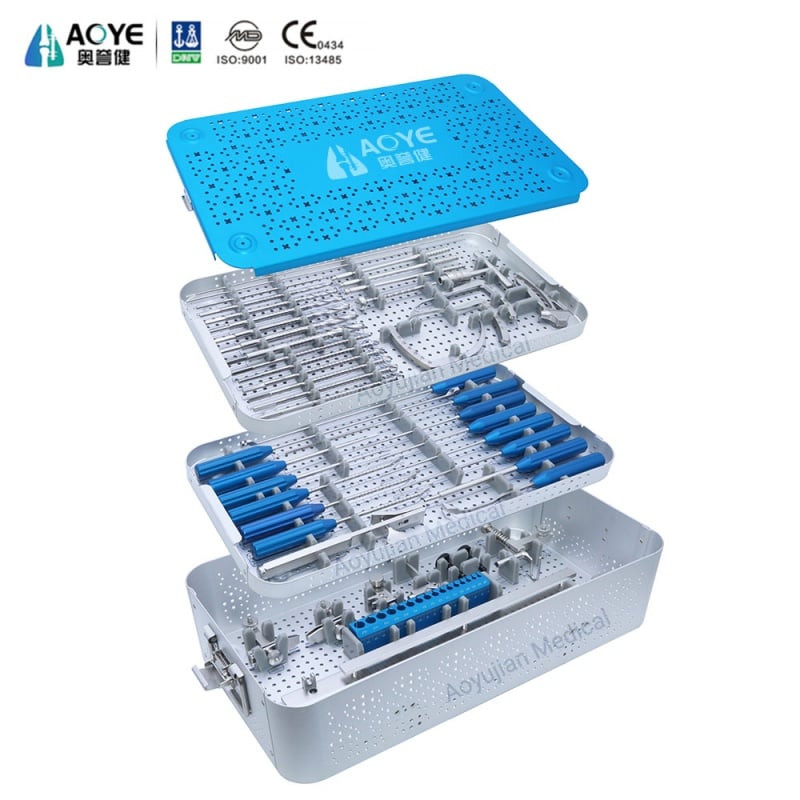
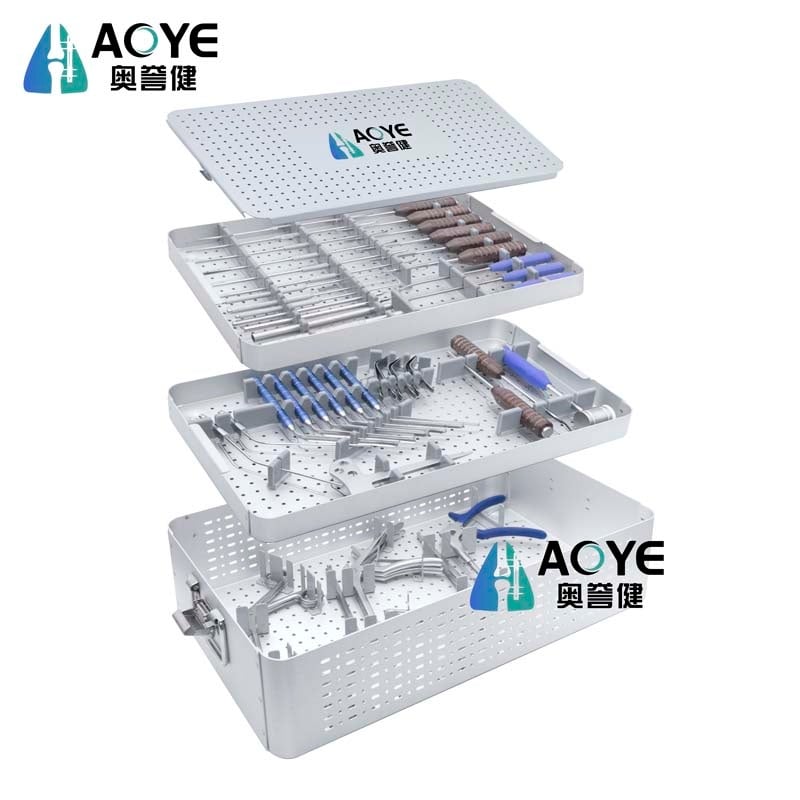
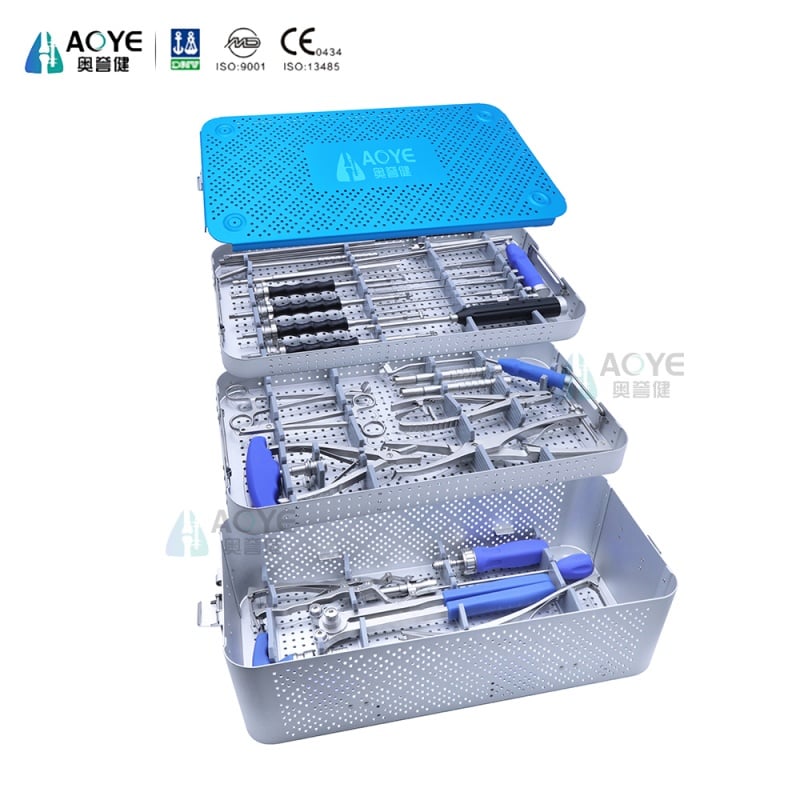
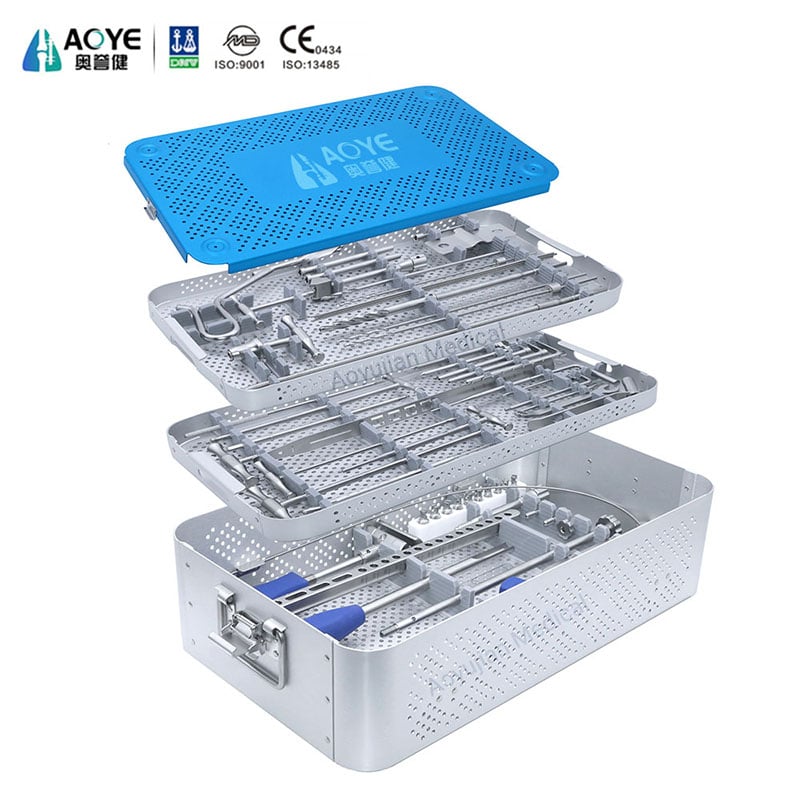
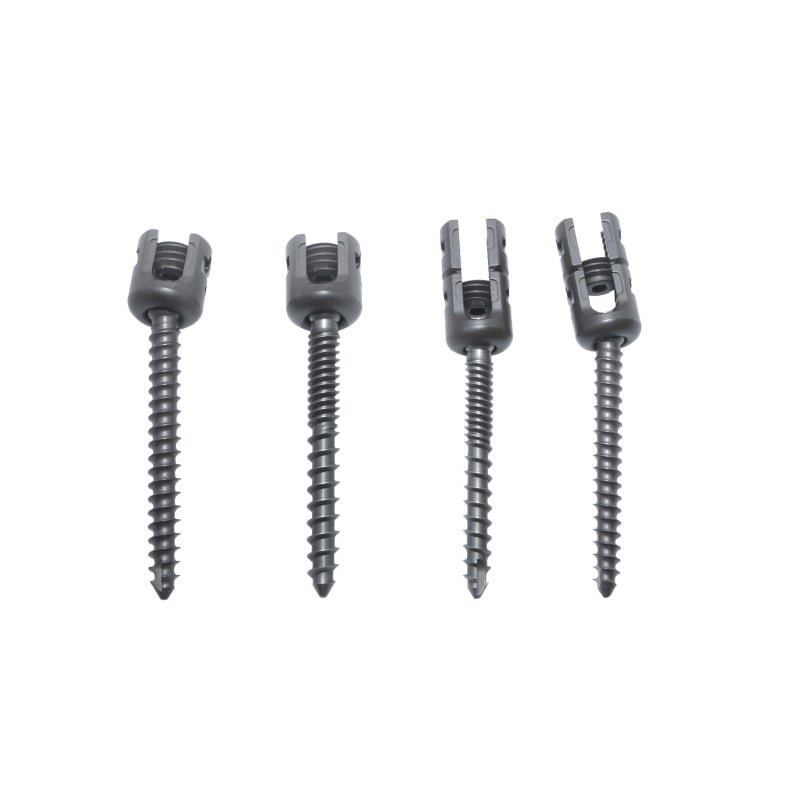
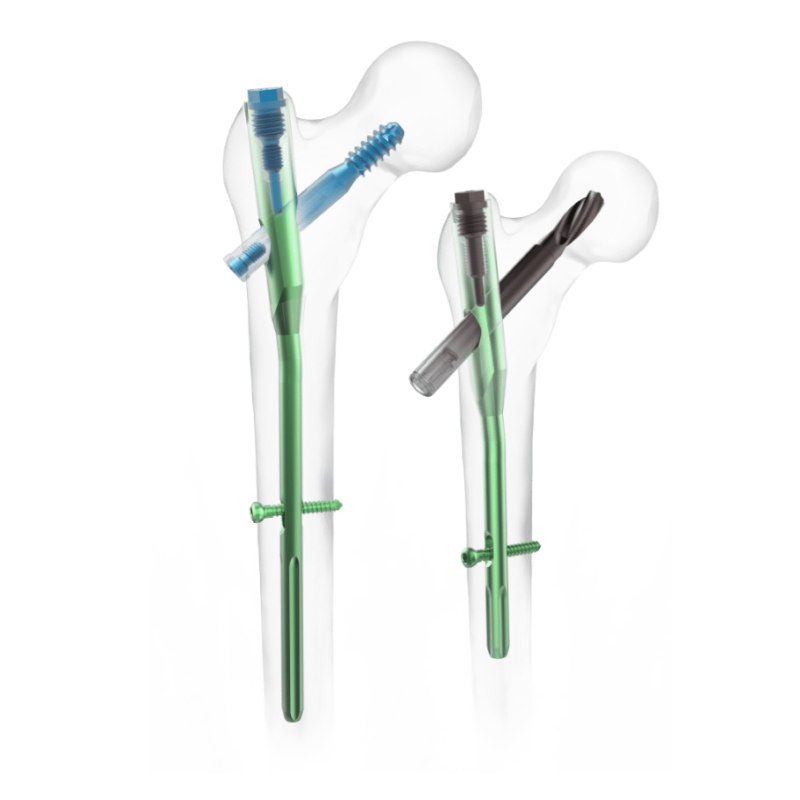
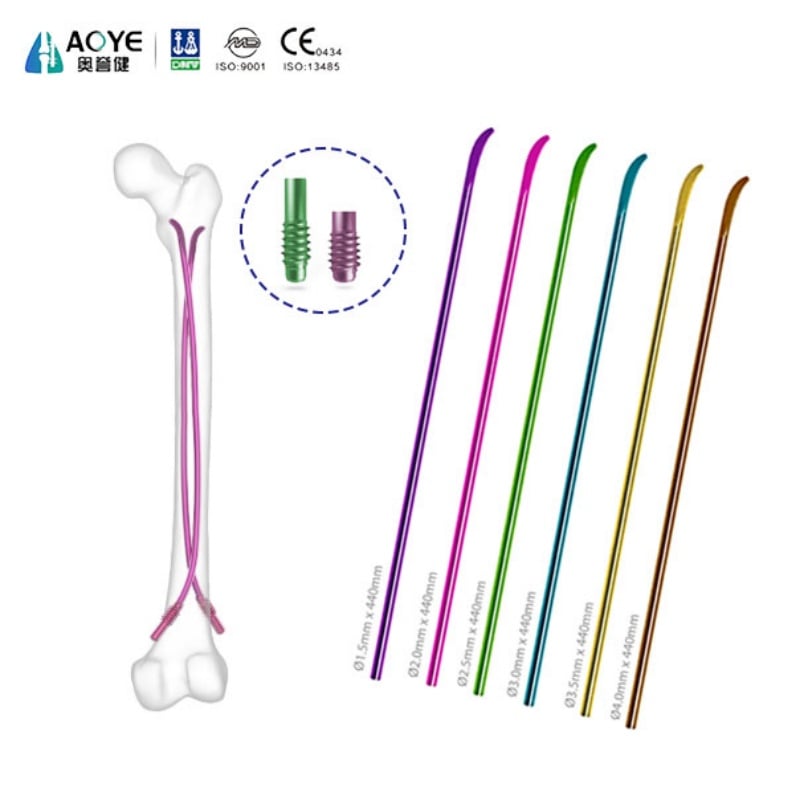
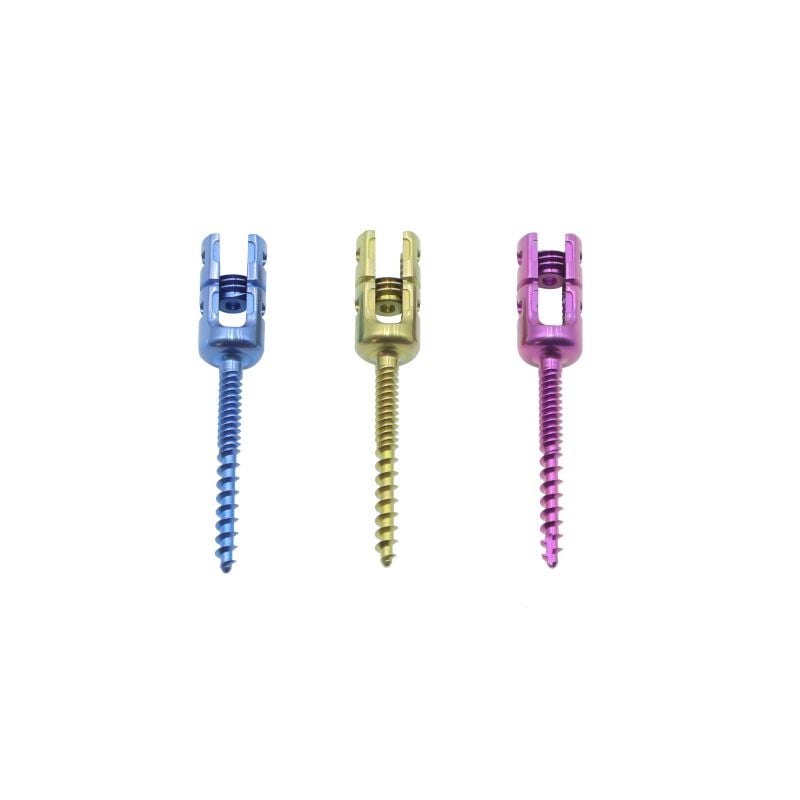
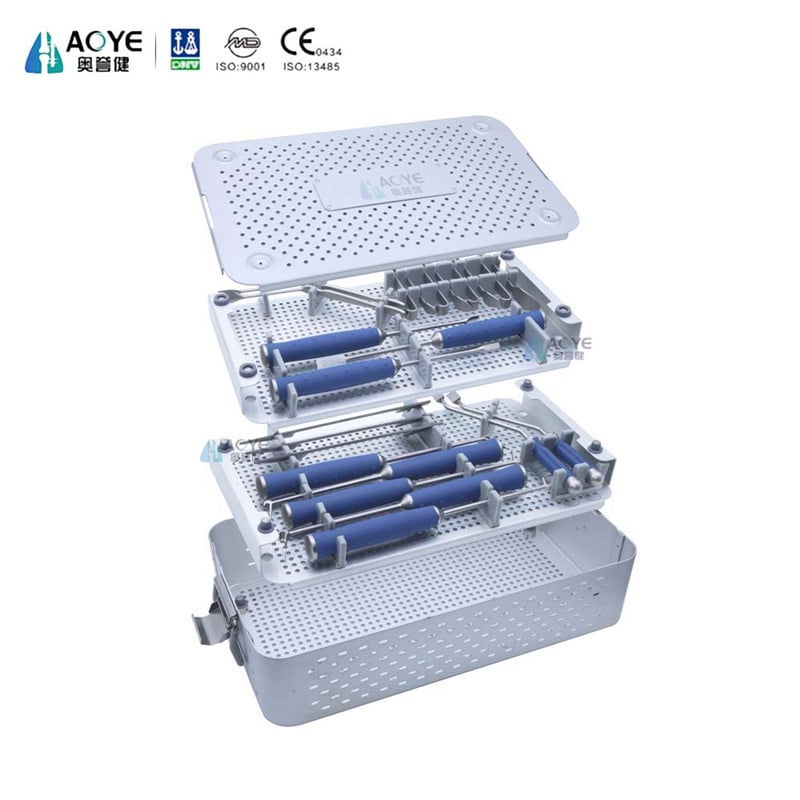
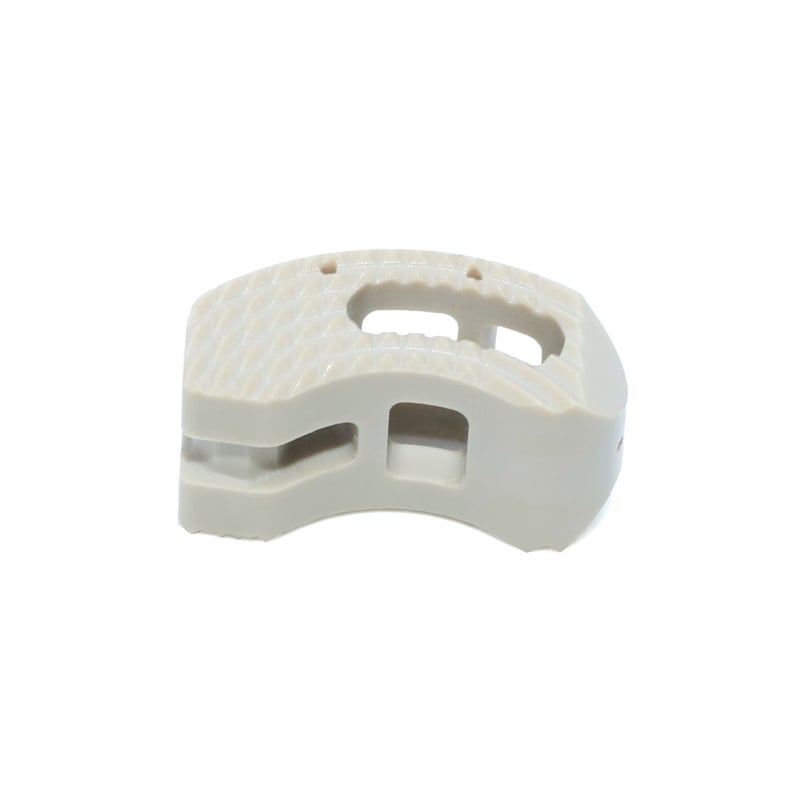
In the realm of orthopedic surgery, the selection of appropriate instruments is critical for successful outcomes. These instruments used in orthopedics encompass a broad range of tools designed for various procedures, including trauma, spine, and sports medicine applications. For purchasing managers, engineers, and product managers, understanding the nuances of these orthopedic instrument is essential. This article aims to provide valuable insights into selecting the right orthopedic instruments, ensuring quality in bulk orders, identifying reliable suppliers, troubleshooting common issues, and installation practices in clinical settings.
Selecting the right Aoye orthopedic instruments begins with understanding the specific procedures and applications they will be used for. Consider the type of surgery — trauma, spine, or sports medicine — as each may require specialized tools. For example, trauma surgeries might necessitate instruments like bone clamps and reduction forceps, while spine surgeries often require retractors and screwdrivers designed for delicate manipulation.
Buyers should also evaluate the materials used in these instruments. High-quality stainless steel is a common choice due to its durability and resistance to corrosion, which is crucial for maintaining instrument integrity over time. Additionally, consider the weight and ergonomics of the instruments; lighter tools can reduce surgeon fatigue during lengthy procedures. Customization options, such as specific sizes or finishes, can also be a deciding factor based on the surgeon's preferences.
Lastly, before making a purchase, it is advisable to assess the manufacturer’s reputation. Look for ISO certifications, which indicate adherence to international quality standards, and consider feedback from other healthcare professionals regarding the performance of the instrument of orthopedic surgery.
When placing bulk orders for orthopedic instruments, quality assurance is paramount. Start by ensuring that the instruments meet relevant quality standards, such as ISO 13485, which specifies requirements for a quality management system in the medical device industry. Request detailed product specifications and samples before committing to large orders.
During the evaluation process, inspect the instruments for any manufacturing defects. Check for smooth finishes, sharp edges, and proper alignment, as these factors can significantly impact functionality. It is also wise to confirm that the instruments have undergone rigorous quality control processes, including testing for sterilization and usability.
Consider potential common issues like inconsistent dimensions or surface imperfections that may arise in mass production. Establish a clear communication line with the manufacturer to address any concerns swiftly, ensuring that corrective measures can be implemented before full-scale production.
Identifying reliable suppliers for orthopedic surgical instruments involves thorough research and evaluation. Start by exploring established manufacturers with a proven track record in orthopedic device production, such as Aoye. Look for suppliers that hold relevant certifications and have experience exporting to various markets.
Utilize industry trade shows and medical conferences to connect with potential suppliers directly. This networking opportunity allows buyers to establish personal relationships and gain firsthand insights into manufacturers’ capabilities and product offerings.
Online platforms and industry directories can also serve as valuable resources. When evaluating suppliers, consider their production capacity, customization options, and lead times, as these factors can significantly impact your supply chain. Additionally, request references or testimonials from other buyers to gauge their reliability and service quality.
Despite rigorous quality control, buyers may encounter common issues with orthopedic instruments. One frequent problem is instrument corrosion, which can occur if instruments are not properly sterilized or maintained. To mitigate this, ensure proper cleaning and sterilization protocols are followed, and consider investing in high-grade stainless steel instruments that offer better resistance to corrosion.
Another common issue is instrument misalignment, which can lead to complications during surgery. This problem often arises from manufacturing defects or improper handling. To address this, always inspect instruments for alignment before use and implement training for staff on proper handling techniques.
Lastly, ensure that all instruments are compatible with existing surgical systems. Buyers should confirm compatibility with specific surgical procedures and equipment to prevent delays or complications during operations. Engaging with manufacturers about these concerns can lead to better-informed purchasing decisions and improved surgical outcomes.
The installation of Aoye orthopedic instruments in clinical settings requires careful consideration to ensure efficiency and safety. Begin by organizing instruments according to their specific use in surgical procedures. This can include categorizing by type, size, or intended application. A clear organization system can streamline the surgical process and minimize the risk of errors.
Next, provide comprehensive training for staff on the proper use and handling of these instruments. This training should cover everything from sterilization procedures to specific operational techniques for each instrument. Regular refresher courses can help maintain high standards of safety and effectiveness.
Additionally, establish a robust maintenance schedule for the instruments to ensure they remain in optimal condition. Regular inspections and servicing can prevent potential issues and extend the lifespan of the orthopedic implants and instruments. Collaborate with the manufacturer to develop a maintenance program tailored to your specific instruments and clinical use cases.
By following these guidelines, healthcare facilities can enhance the effectiveness of their orthopedic instruments, ultimately leading to better patient outcomes and operational efficiency.
Aoyujian Medical Technology provides trusted orthopedic solutions, high-quality implants, OEM/ODM services, and global shipping for hospitals & distributors.
No. 2 Changting Road, Gehu Farm, Wujin Economic Development Zone, Changzhou, Jiangsu, China
Copyright © Aoyujian Medical Technology (Changzhou) Co., Ltd. All Rights Reserved - Privacy Policy - Blog
 EN