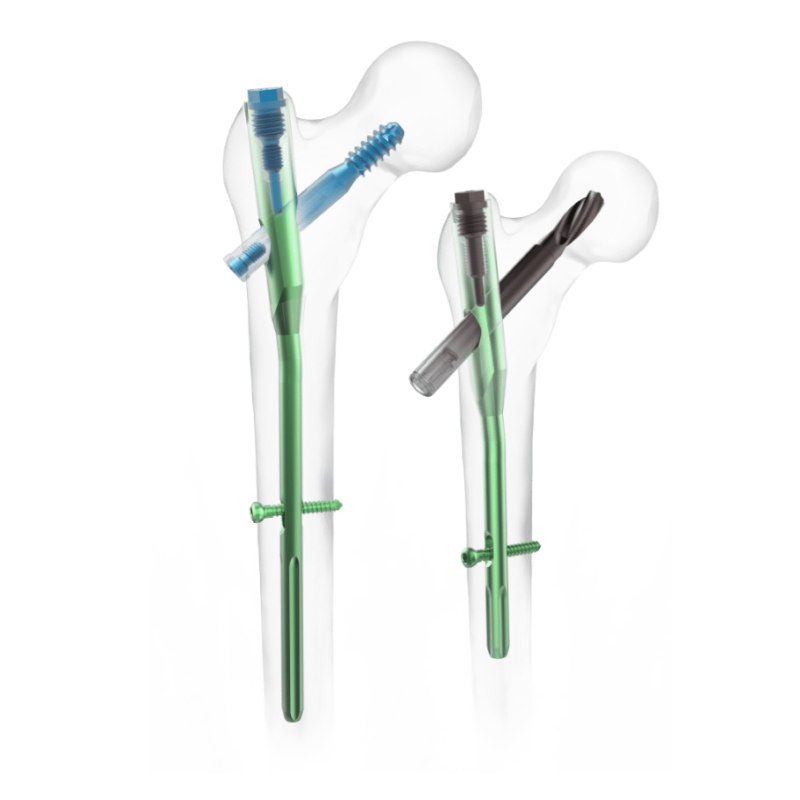
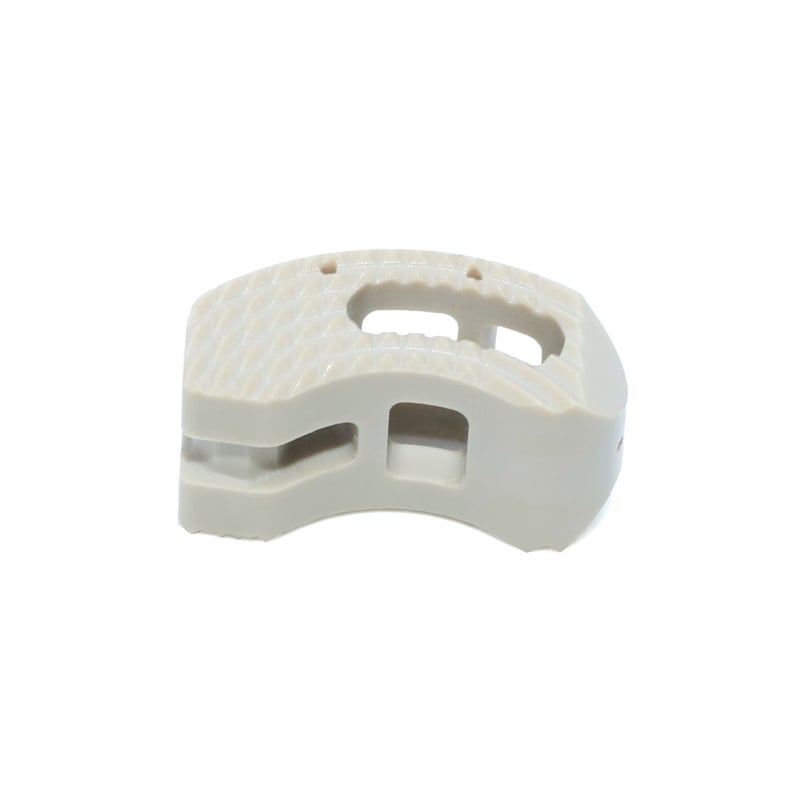
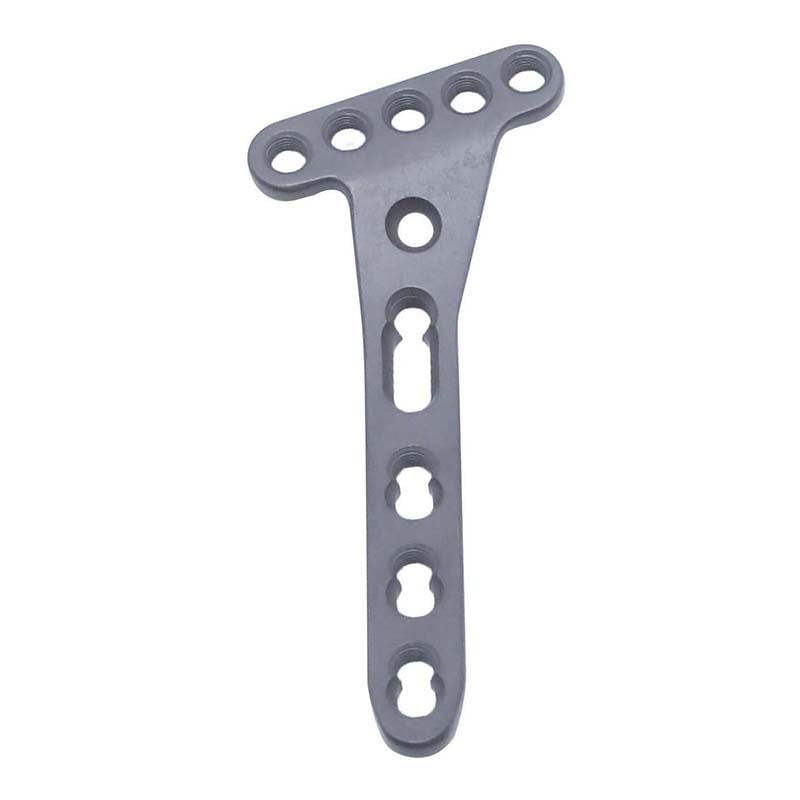
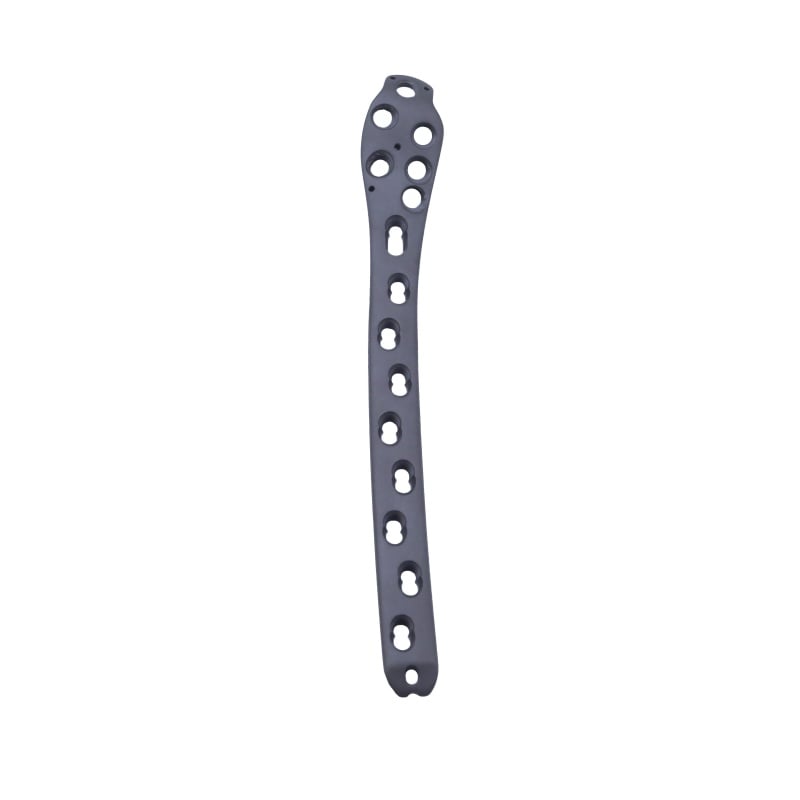
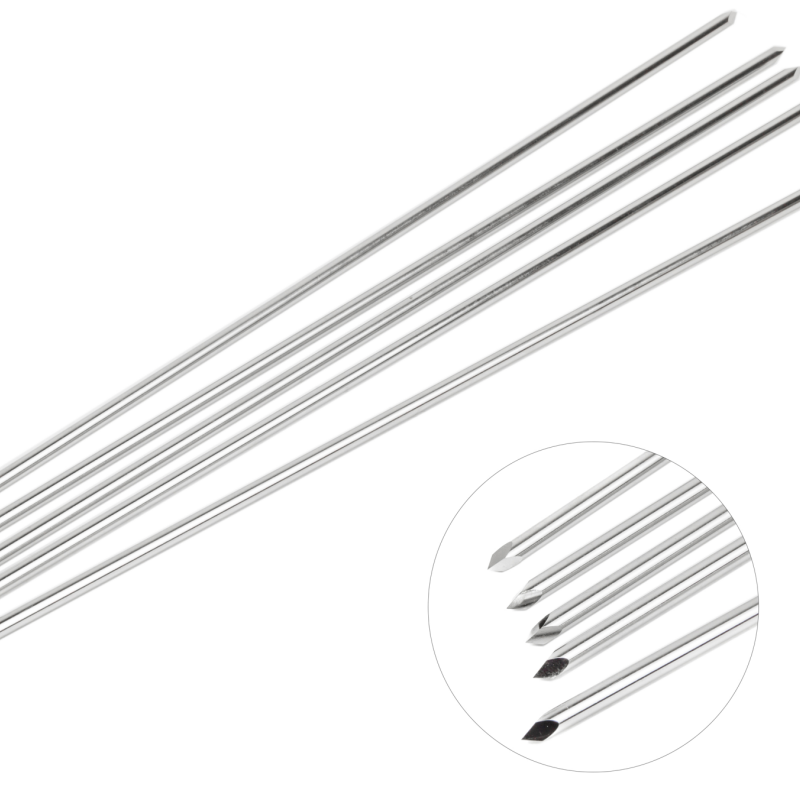
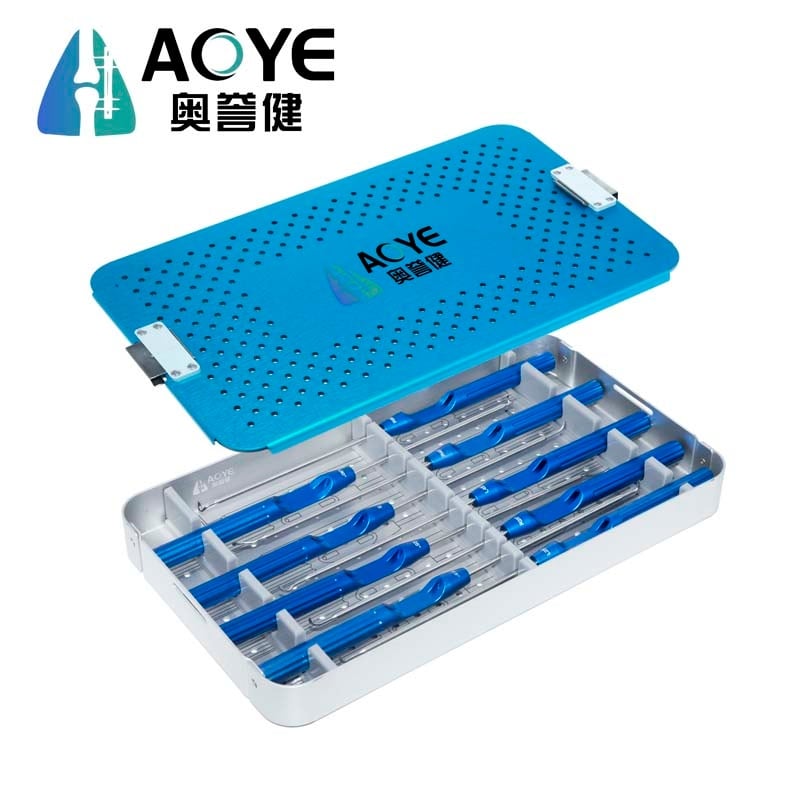
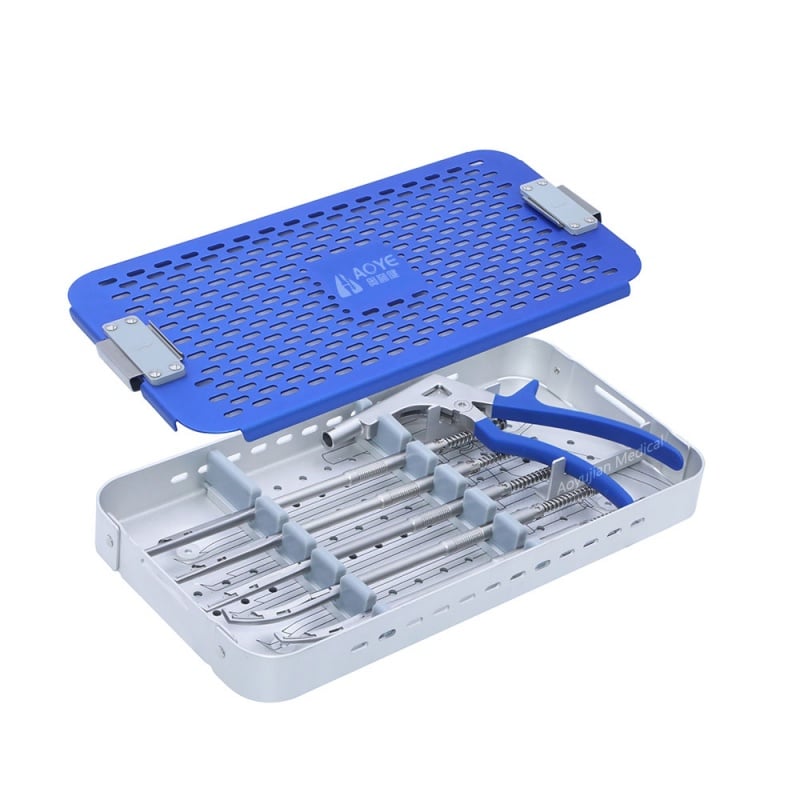
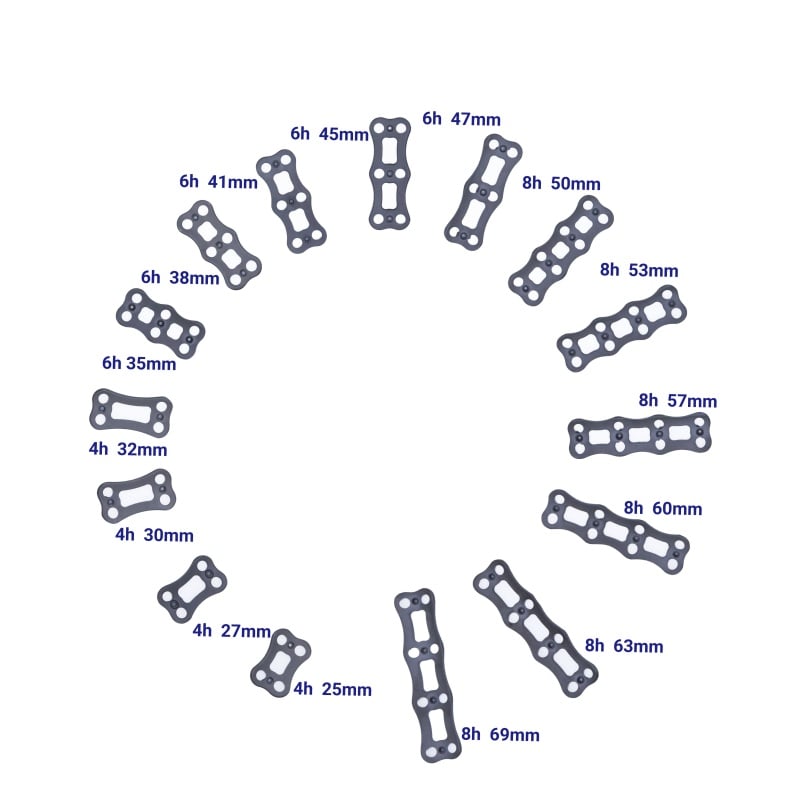
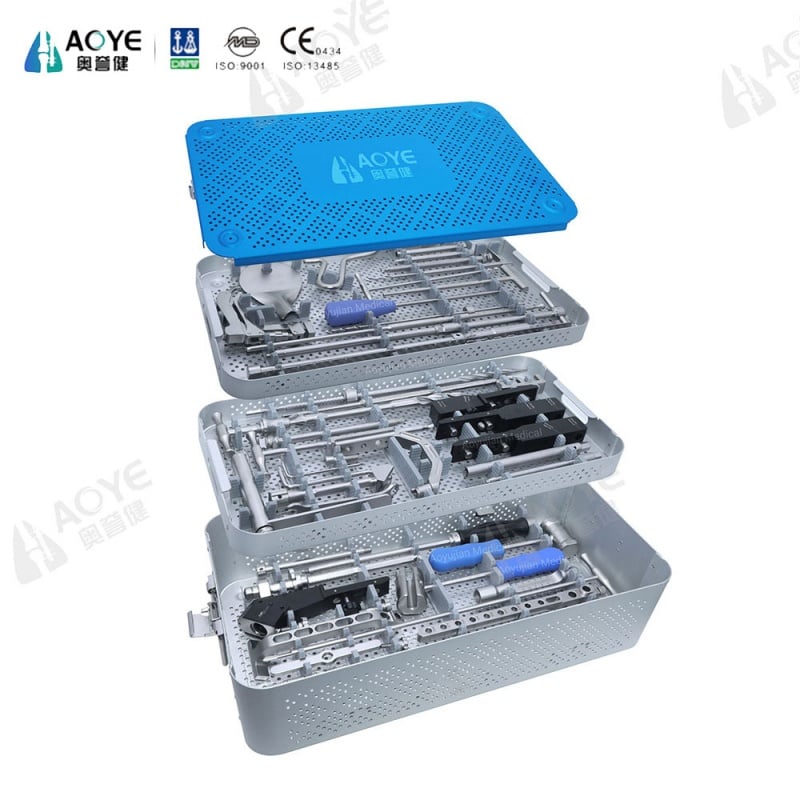
Interlocking intramedullary nails are critical orthopedic implants used to stabilize fractures, particularly in long bones like the femur and tibia. As a B2B buyer in this field, understanding the nuances of these products is essential for making informed purchasing decisions. Key concerns often revolve around quality, material specifications, and the manufacturer's capabilities. This article aims to provide insights into interlocking flexible intramedullary nail, focusing on critical considerations for bulk ordering, quality evaluation, common issues, and their applications in orthopedic procedures.
When sourcing interlocking intramedullary nails, several key factors should be considered to ensure you select the right product for your needs. First, assess the material composition of the nails, which typically includes stainless steel or titanium. These materials are favored for their strength, biocompatibility, and corrosion resistance.
Next, evaluate the dimensions and design of the nails. Factors such as diameter, length, and interlocking mechanism can significantly influence the nail's performance and compatibility with specific surgical techniques. Additionally, consider the manufacturer’s certifications, such as ISO13485 and CE marking, which indicate compliance with international quality standards.
Finally, think about the customization options available. Some manufacturers, like Aoyujian Medical, offer tailored solutions to meet specific clinical requirements, which can enhance the effectiveness of the implant in various surgical scenarios.
Quality evaluation is paramount when ordering interlocking intramedullary nails in bulk. Begin by requesting detailed product specifications, including material properties, mechanical strength, and surface finish. These specifications will help you assess whether the product meets the necessary performance requirements.
Conduct sample testing prior to bulk orders. This is crucial to ensure that the antegrade intramedullary nail meet the expected quality and performance standards. Focus on checking the dimensions, surface smoothness, and overall finish, as even minor discrepancies can affect the nail's fit and performance during surgical procedures.
Quality control processes are another critical aspect of evaluation. Inquire about the manufacturer's quality assurance protocols, including testing methods, inspection processes, and any certifications that demonstrate their commitment to quality. A reputable manufacturer will provide transparency regarding their quality control measures, which can help build trust before placing a significant order.
When ordering interlocking intramedullary nails, adopt the following best practices to streamline the purchasing process and ensure product quality:
Detailed RFQ Preparation: When preparing a Request for Quotation (RFQ), include specific details such as nail type, dimensions, material preferences, and required certifications. This clarity will enable suppliers to provide accurate quotes and recommendations.
Supplier Assessment: Evaluate potential suppliers based on their manufacturing capabilities, quality control processes, and previous customer feedback. Look for companies with a proven track record in producing orthopedic implants.
Sample Approval: Always request samples for approval before committing to mass production. This practice allows you to verify the product’s specifications and performance under actual operating conditions.
Clear Communication: Maintain open lines of communication with your supplier throughout the procurement process. Discuss any concerns regarding lead times, minimum order quantities (MOQ), and delivery schedules to avoid surprises.
Post-Delivery Inspection: Upon delivery, perform a thorough inspection of the products to ensure they meet the agreed-upon specifications. Document any discrepancies and communicate them with the supplier promptly.
While interlocking intramedullary nails are highly effective, several common issues may arise during production or use. Understanding these challenges can help you mitigate risks:
Dimensional Variability: Variations in dimensions can lead to poor fit during surgical procedures. To address this, ensure that the manufacturer employs precise machining and rigorous quality checks to maintain consistency.
Surface Imperfections: Surface roughness can affect the nail's integration with bone. Choose suppliers who utilize advanced surface treatment processes to enhance smoothness and biocompatibility.
Material Deficiencies: Inadequate material strength can lead to implant failure. Always verify the material specifications and consider conducting tensile strength tests on samples.
Compatibility Issues: Sometimes, nails may not be compatible with certain surgical techniques or instruments. Discuss your specific applications with the manufacturer to ensure compatibility with existing systems.
Shipping Damage: Improper packaging can lead to product damage during transportation. Confirm that the elastic intramedullary nail manufacturer uses robust packaging methods to protect the nails during shipping.
Interlocking intramedullary nails are primarily used for stabilizing fractures in long bones, particularly in trauma cases. Their design allows for minimal invasiveness, which can lead to quicker recovery times and reduced hospital stays.
In trauma surgeries, these nails are often employed to treat diaphyseal fractures, where they provide enhanced stability due to their interlocking mechanism. This is particularly important in cases where traditional fixation methods may not suffice.
Beyond trauma, these nails are also utilized in orthopedic procedures involving revision surgeries or complex fracture patterns. The versatility of interlocking intramedullary nails makes them suitable for various patient demographics, including pediatric and geriatric patients, where different anatomical considerations may apply.
Overall, understanding the applications and selecting the right interlocking intramedullary nails can significantly impact surgical outcomes and patient recovery. By focusing on quality, adhering to best practices, and being aware of potential problems, B2B buyers can make informed decisions that enhance the effectiveness of orthopedic treatments.
Aoyujian Medical Technology provides trusted orthopedic solutions, high-quality implants, OEM/ODM services, and global shipping for hospitals & distributors.
No. 2 Changting Road, Gehu Farm, Wujin Economic Development Zone, Changzhou, Jiangsu, China
Copyright © Aoyujian Medical Technology (Changzhou) Co., Ltd. All Rights Reserved - Privacy Policy - Blog
 EN