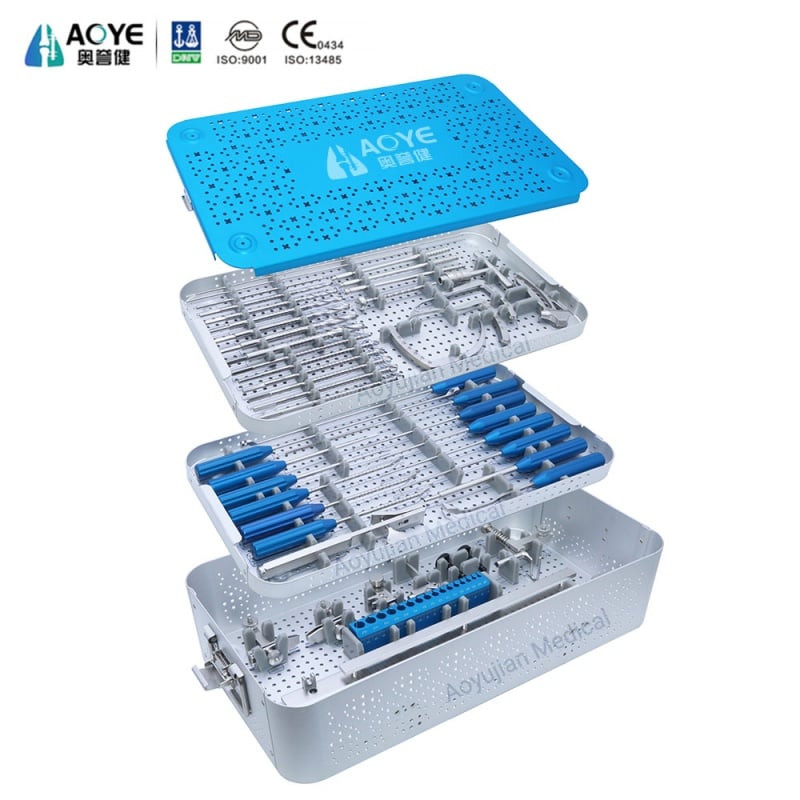
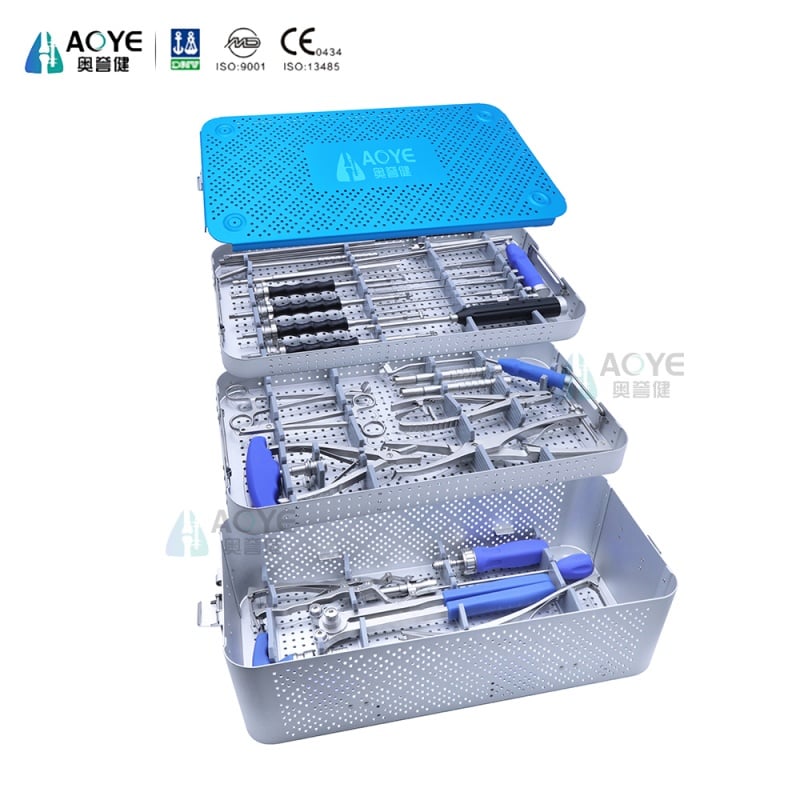
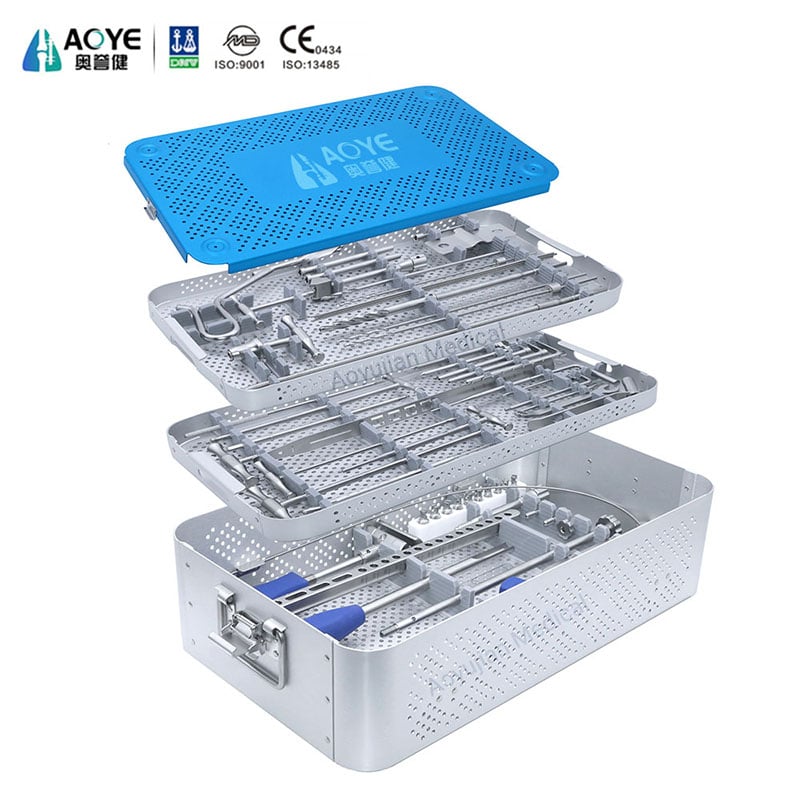
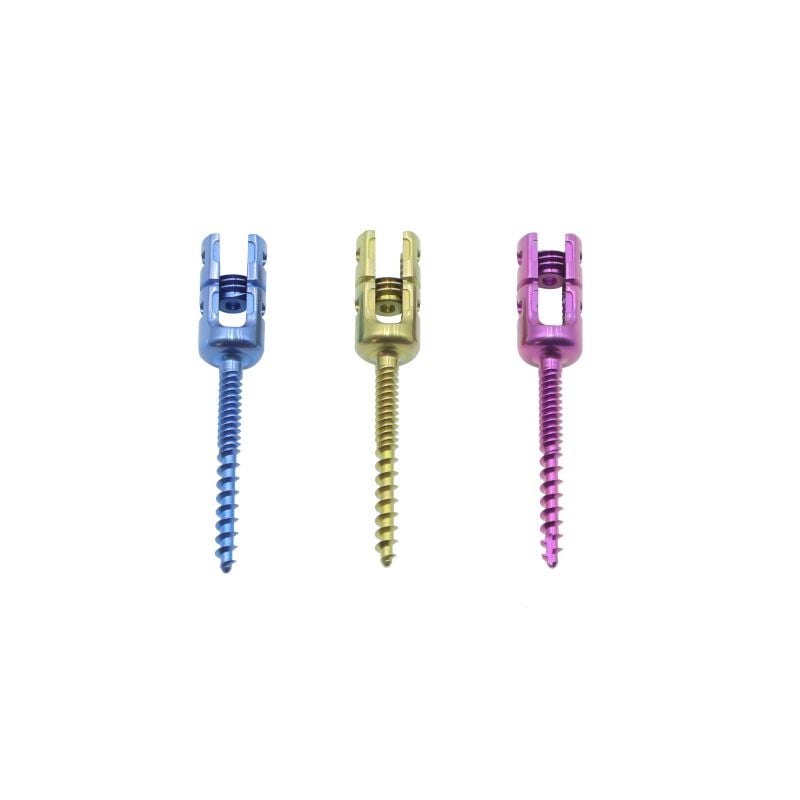
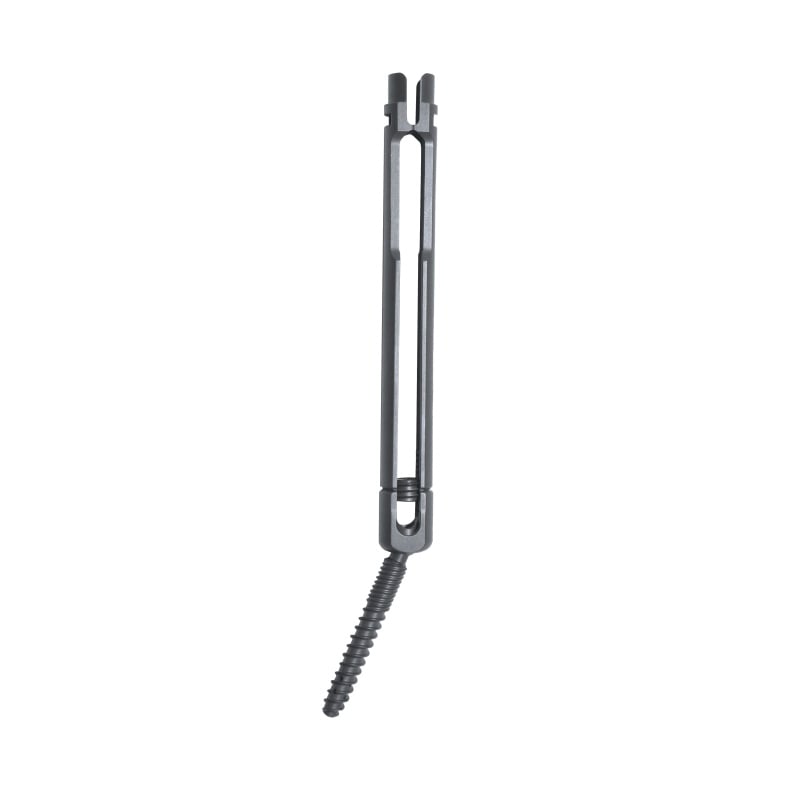
Interlocking tibia nails are essential orthopedic implants designed for stabilizing fractures in the tibia, particularly in complex or unstable cases. As a purchasing manager or medical professional, you'll want to understand the nuances of selecting the right interlocking tibia nail, ensuring that it meets your project requirements while adhering to quality standards. This article will guide you through key considerations, specifications, common challenges, and material advantages associated with interlocking tibia nails.
Selecting the appropriate interlocking tibia nail involves several considerations. First, evaluate the type of fracture you are addressing. For example, certain nails are better suited for metaphyseal fractures, while others work well for diaphyseal fractures. It's crucial to match the nail's design and length with the anatomical requirements of the patient.
Next, consider the diameter of the nail, as it should correlate with the patient's tibial canal size. A nail that is too large may lead to complications during insertion, whereas one that is too small may not provide the necessary stability. Additionally, assess whether the nail features locking mechanisms that can accommodate various fracture patterns and fixation needs.
Lastly, confirm the manufacturer's quality certifications, such as ISO 13485 and CE, which ensure compliance with international medical device standards. These certifications are vital for trust in the product's reliability and safety.
When sourcing interlocking tibia nails, pay attention to several key specifications:
Material: Most Aoye interlocking tibia nails are made from titanium or stainless steel. Each material has unique properties—titanium is lightweight and biocompatible, while stainless steel offers strength and durability.
Length and Diameter: Ensure the nail is offered in a range of lengths and diameters to suit different patient anatomies. The dimensions should be clearly listed and verified against patient data.
Locking Mechanism: Evaluate whether the nail includes both proximal and distal locking options. This feature enhances stability and allows for better alignment during healing.
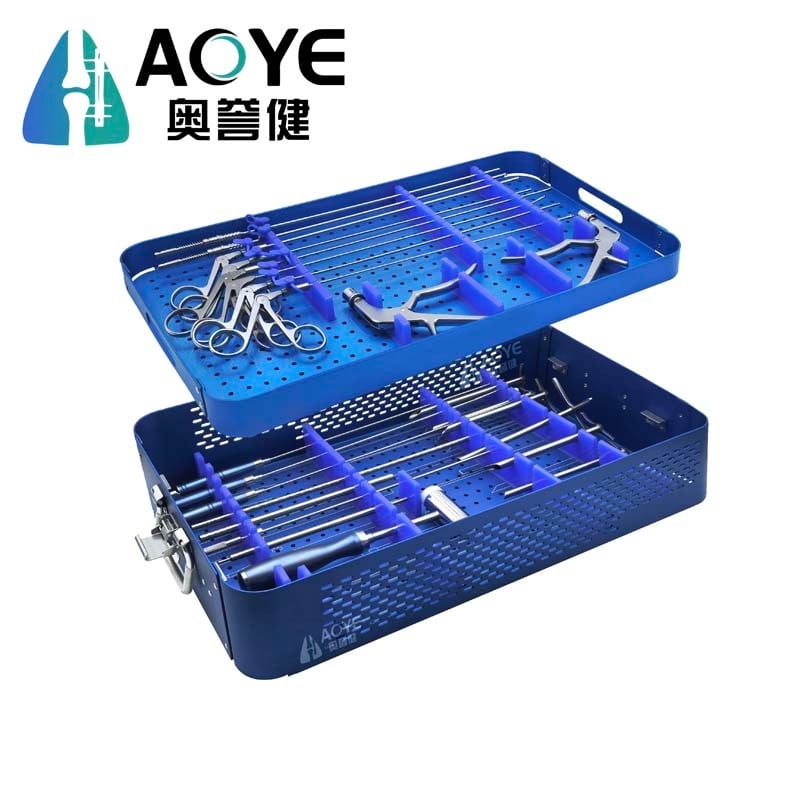
Surface Finish: A roughened surface finish can promote osseointegration, which is essential for successful healing. Ensure that the manufacturer specifies the surface treatment applied to the nail instrument set.
Radiopacity: The nail should be radiopaque for visibility under fluoroscopy, aiding in surgical guidance and post-operative assessments.
By understanding these specifications, you can make informed decisions that align with clinical needs.
Interlocking tibia nails come in various designs, each offering specific advantages. Common designs include:
Straight Nails: Ideal for simple fractures, straight retrograde tibial nail is easier to insert and remove, making them suitable for straightforward cases.
Curved Nails: These designs accommodate the natural curvature of the tibia and are particularly useful for complex fractures in pediatric patients.
Multi-planar Locking Systems: Some advanced designs feature a multi-planar locking system that allows for fixation at various angles, providing enhanced stability for difficult fracture patterns.
When comparing designs, consider the surgical approach and the specific needs of the patient. Also, consult with your surgical team to assess which design they are most comfortable using, as their experience can significantly influence the outcome.
While Aoye interlocking tibia nails are designed to provide stability, several common problems may arise during their use:
Malalignment: This can occur if the nail is not properly positioned during insertion. To mitigate this, ensure the surgical team uses the correct imaging techniques and tools for accurate placement.
Infection: As with any implant, there is a risk of infection. Using high-quality, sterile implants and adhering to strict surgical protocols can minimize this risk.
Nail Breakage: In rare cases, the elastic intramedullary nail may break due to excessive load or improper sizing. To avoid this, always match the nail size with the patient's anatomy and expected load conditions.
Delayed Healing: If the nail does not achieve adequate fixation, it could lead to delayed union. Regular follow-ups and imaging can help assess healing progress and allow for timely intervention if needed.
Understanding these challenges enables you to prepare and implement strategies to enhance surgical outcomes.
The material used in interlocking tibia nails plays a crucial role in their performance:
Titanium: Known for its excellent biocompatibility, titanium reduces the risk of adverse reactions in patients. Its lightweight nature also minimizes stress on the bone during healing.
Stainless Steel: Offering superior strength, stainless steel nails are favored for their durability. However, they may not provide the same level of biocompatibility as titanium.
Coatings: Some nails come with specialized coatings that enhance their integration with bone tissue and improve resistance to corrosion. These features are essential for long-term stability and performance.
Choosing the right material is critical and should be based on the specific application, patient profile, and desired outcomes. Always consult with orthopedic specialists to confirm material compatibility with patient needs.
By understanding the intricacies of interlocking tibia nails, you can make informed decisions that enhance surgical success and patient outcomes. As a reputable manufacturer, Aoye is committed to providing high-quality orthopedic implants that meet international standards, ensuring that you have reliable options for your surgical needs in trauma, spine, and sports medicine applications.
Aoyujian Medical Technology provides trusted orthopedic solutions, high-quality implants, OEM/ODM services, and global shipping for hospitals & distributors.
No. 2 Changting Road, Gehu Farm, Wujin Economic Development Zone, Changzhou, Jiangsu, China
Copyright © Aoyujian Medical Technology (Changzhou) Co., Ltd. All Rights Reserved - Privacy Policy - Blog
 EN