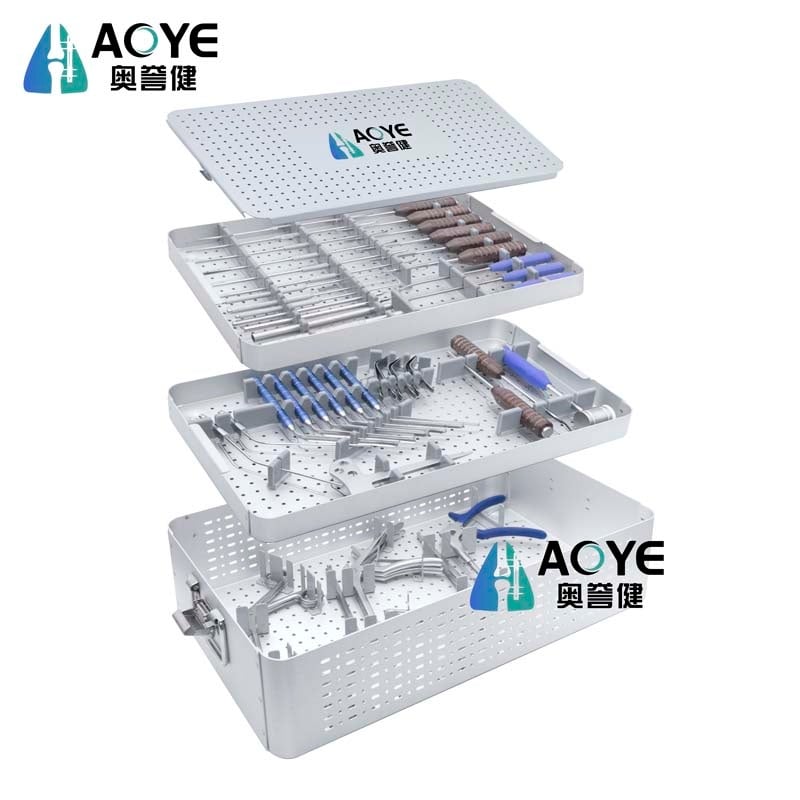
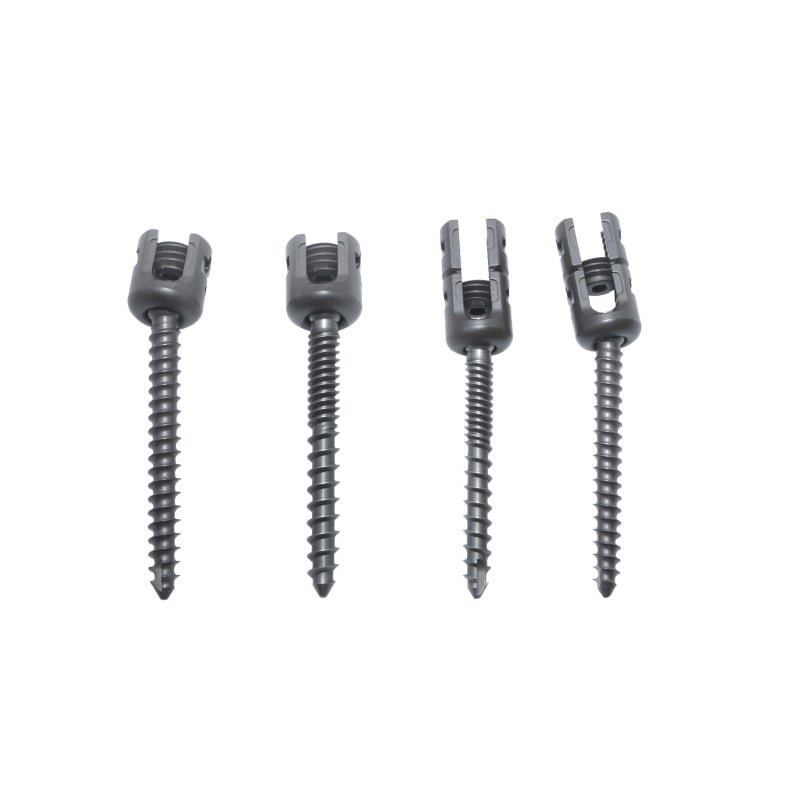
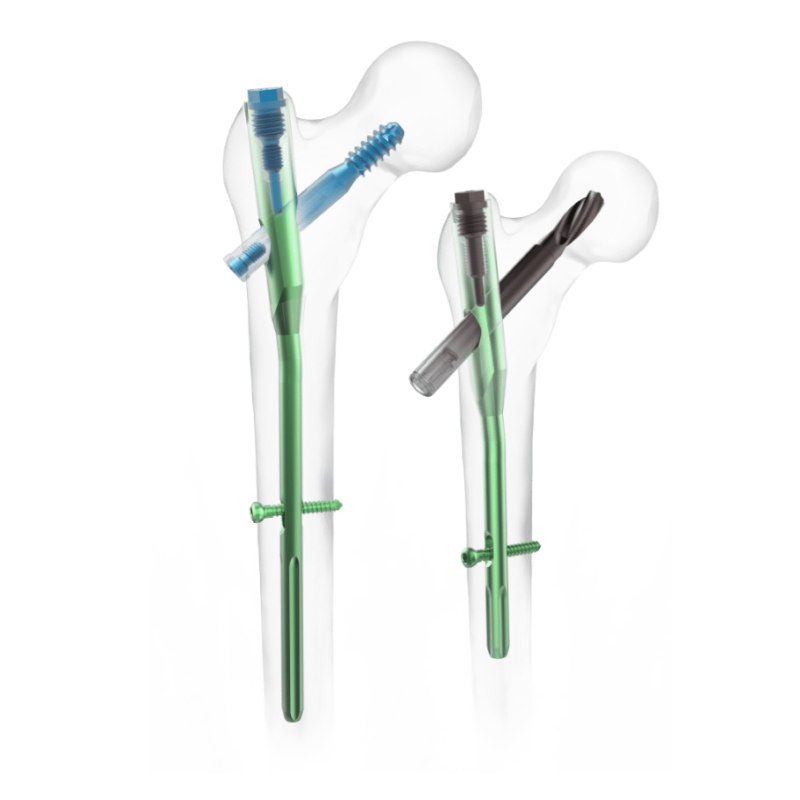
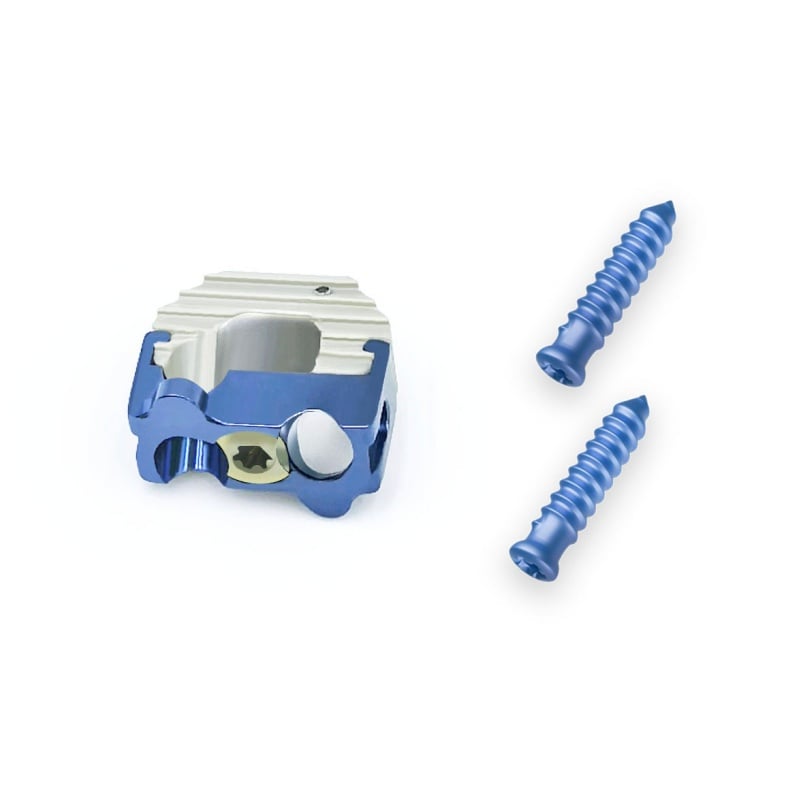
Intramedullary nail femur surgery is a critical procedure used to stabilize fractures in the femur, offering a reliable solution for orthopedic surgeons. Choosing the right intramedullary nail is paramount for ensuring successful surgical outcomes, as it directly impacts the healing process and the flexible nail femur patient's recovery. This article will guide you through essential considerations when selecting intramedullary nails, including specifications and quality evaluation, equipping you with the knowledge needed to make informed purchasing decisions.
When selecting intramedullary nails for femur surgery, several factors should be prioritized. First, the compatibility of the nail with the specific type of femur fracture is crucial. For instance, nails designed for intertrochanteric fractures differ from those used for subtrochanteric fractures. Moreover, the diameter and length of the nail must match the patient's anatomy to ensure optimal fixation.
Material selection is another significant consideration. Most intramedullary nails are made from titanium or stainless steel due to their strength and biocompatibility. Titanium offers a favorable strength-to-weight ratio, while stainless steel provides excellent durability at a lower cost. Both materials should comply with relevant medical standards to ensure patient safety.
Finally, the design features of the nail, such as locking mechanisms, should be evaluated. A locking nail can provide additional stability, especially in complex fractures, and facilitate easier surgical application. Understanding these aspects will aid in selecting retrograde femoral nailing most appropriate intramedullary nail for each unique surgical case.
Key specifications that should be assessed when choosing intramedullary nails include the following:
Diameter and Length: The diameter typically ranges from 8mm to 12mm, while lengths can vary from 200mm to 400mm. These dimensions must match the patient's femur to ensure proper fit and stability.
Locking Mechanisms: Many nails feature dynamic or static locking options. Dynamic locking allows for controlled axial motion, which is beneficial for certain fracture types, while static locking provides enhanced stability.
Surface Treatment: The surface finish of tibial intramedullary nail can affect its integration with bone. A roughened surface may encourage better osseointegration, while a smooth surface can be easier to insert.
Weight Bearing Capability: The nail's ability to support weight is vital, especially in active patients. Specifications should indicate the load-bearing limits to evaluate its suitability for different patient profiles.
These specifications directly affect the performance of the intramedullary nail in clinical settings and should be thoroughly reviewed before making a purchase.
Evaluating the quality of intramedullary nails is essential to ensure patient safety and successful surgical outcomes. Here are key points to consider:
Certifications: Ensure that the nails meet international standards, such as ISO13485 and CE certification. These certifications indicate compliance with quality management systems and safety measures.
Manufacturing Processes: Understanding the manufacturing capabilities of your supplier is crucial. Advanced processes such as precision machining and quality assurance testing can enhance the reliability of the final product.
Quality Control Measures: Investigate the quality control processes employed by the manufacturer. Regular testing of tensile strength, fatigue resistance, and corrosion resistance can help ensure product integrity.
Supplier Reputation: Researching the supplier's reputation in the industry can provide insights into the quality of their products. Engaging with other purchasing managers or reviewing client testimonials can help in assessing reliability.
Confirming these quality aspects can mitigate risks associated with substandard products and enhance surgical success rates.
Intramedullary nails offer numerous advantages in femur surgeries. They allow for minimally invasive procedures and provide stable fixation, which is especially crucial for femoral fractures. Their design enables surgeons to perform surgeries with reduced risk of soft tissue damage and quicker recovery times for patients.
Additionally, the variety of available designs caters to different fracture types. For instance, some nails come with anti-rotation features that help maintain alignment during the healing process. The versatility of intramedullary nails means they can be tailored to meet the specific needs of individual patients, making them a go-to option in orthopedic surgeries.
A reputable manufacturer like Aoyujian Medical can provide a range of options that adhere to stringent quality standards, ensuring that healthcare providers have access to reliable products for their surgical needs.
Finding trusted suppliers for intramedullary nails involves several steps. Start by exploring manufacturers with proven track records in orthopedic implants. Look for companies that have extensive experience in the field, such as Aoyujian Medical, which serves partners in over 45 countries and holds ISO13485 and CE certifications.
Trade shows and industry conferences can also be excellent venues for meeting suppliers directly. Engaging with representatives can provide insights into their product offerings and quality assurance practices. Additionally, online platforms such as trade directories and industry-specific forums can be useful for comparing multiple suppliers and reading reviews from other professionals.
Finally, request samples before committing to larger orders. Testing samples against your specifications can help ensure that the chosen intramedullary nails meet the necessary quality and performance standards for your surgical applications.
Aoyujian Medical Technology provides trusted orthopedic solutions, high-quality implants, OEM/ODM services, and global shipping for hospitals & distributors.
No. 2 Changting Road, Gehu Farm, Wujin Economic Development Zone, Changzhou, Jiangsu, China
Copyright © Aoyujian Medical Technology (Changzhou) Co., Ltd. All Rights Reserved - Privacy Policy - Blog
 EN