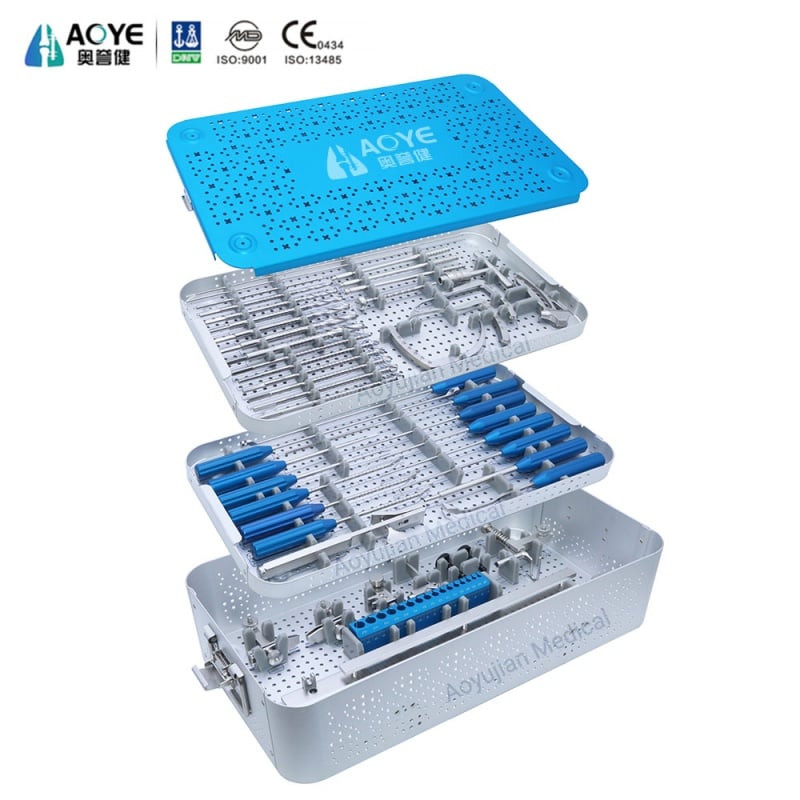
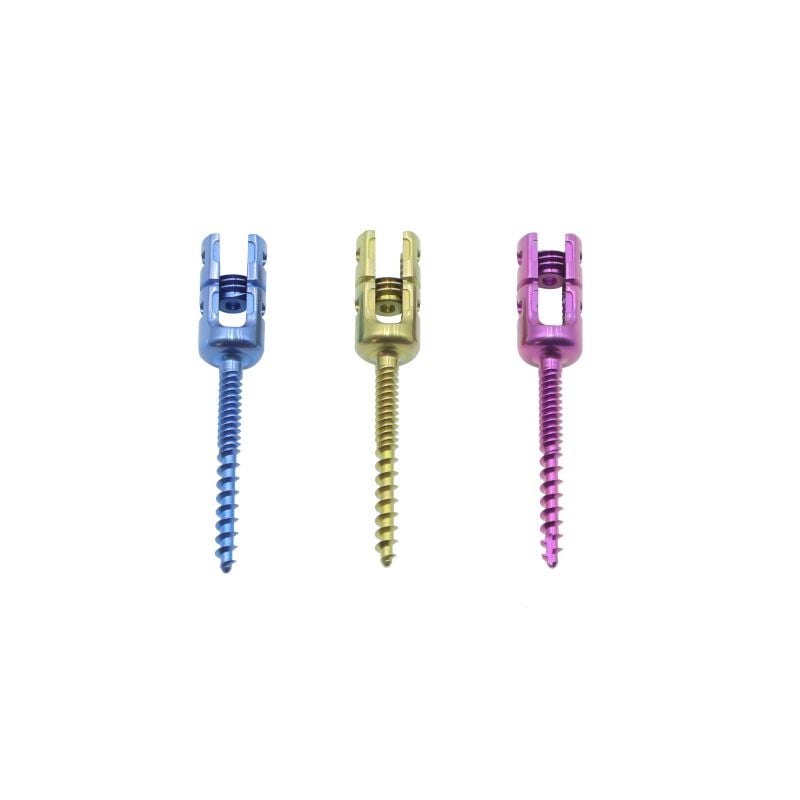
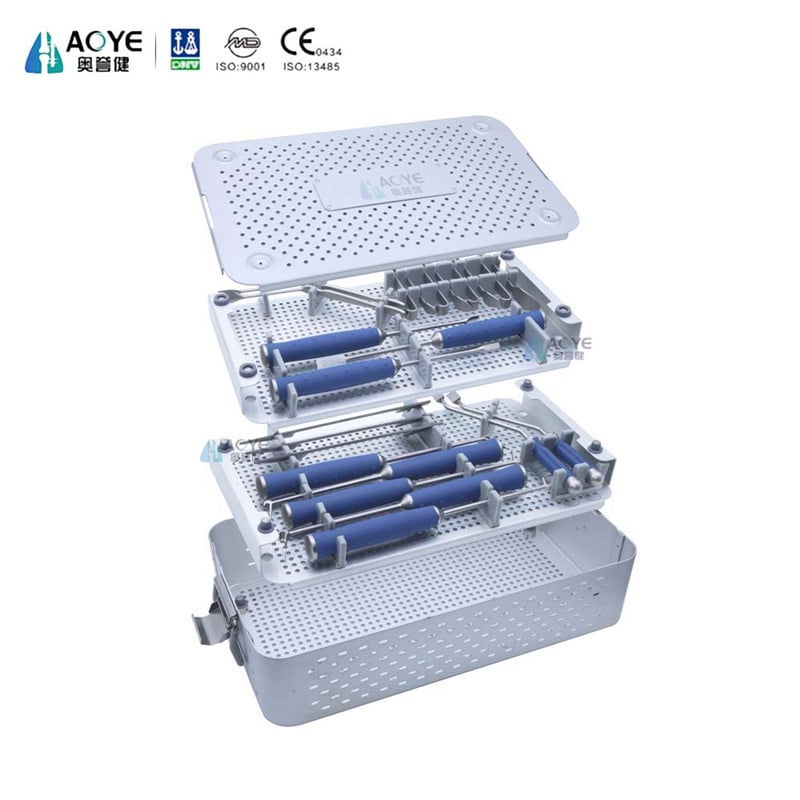
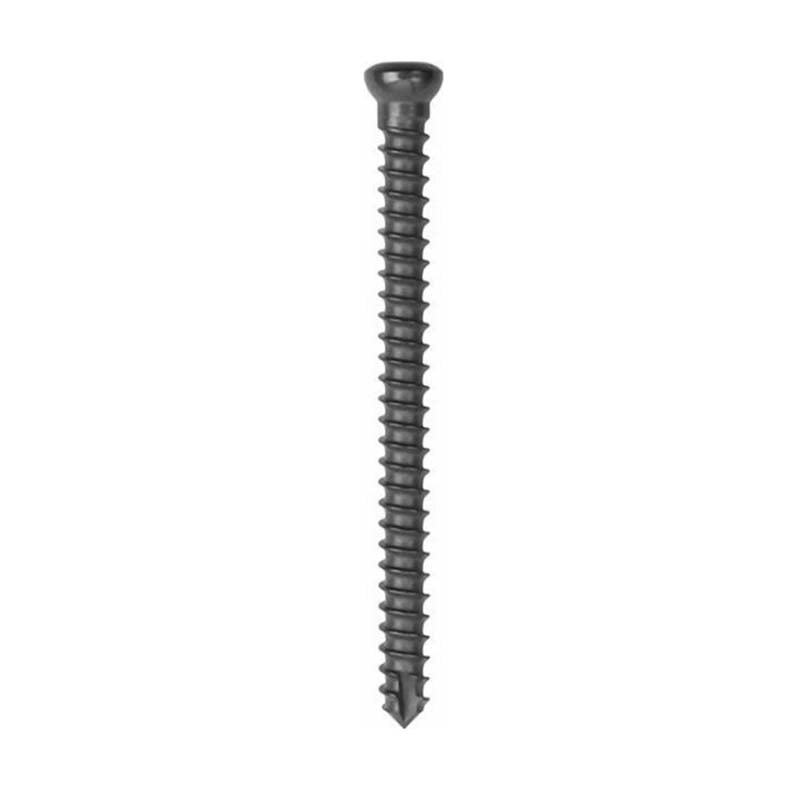
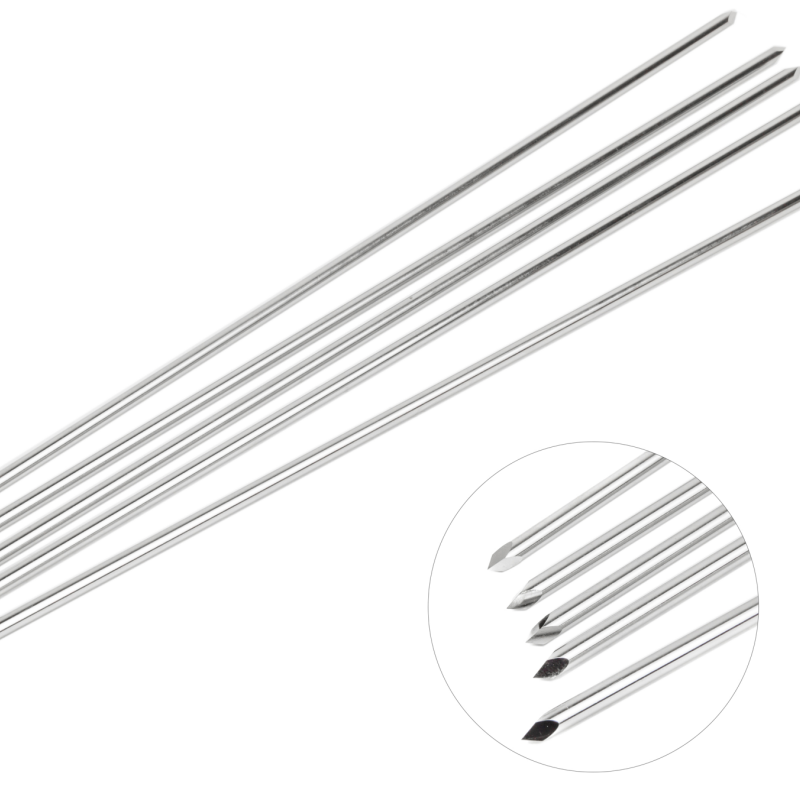
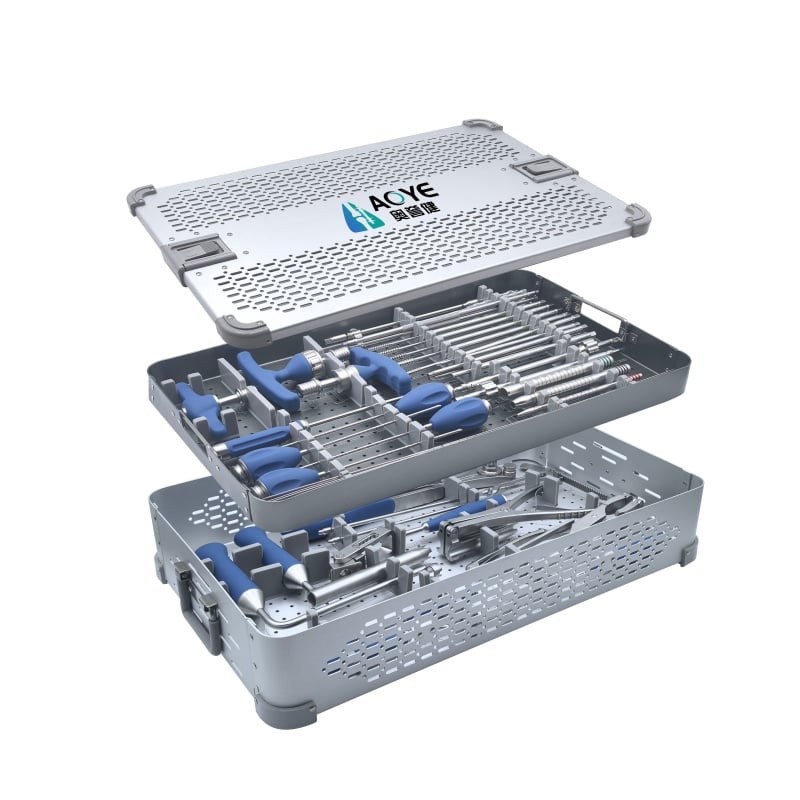
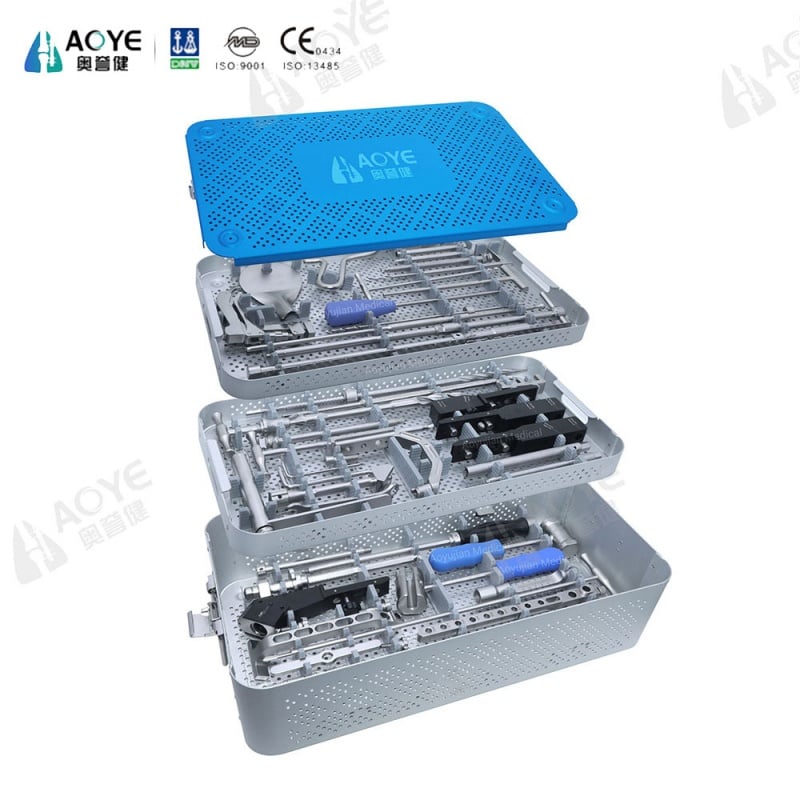
Choosing the right LCP distal humerus plate is critical for successful orthopedic surgery and patient recovery. These plates are specifically designed to stabilize fractures in the distal humerus, a crucial area for arm functionality. As a B2B buyer, you may face concerns regarding material quality, product specifications, and the reliability of your supplier. This article aims to guide you through the selection process, ensuring you find the most suitable distal humerus plate to meet your needs.
Selecting the right Aoye LCP distal humerus plate involves assessing several factors that can influence the success of a surgical procedure. Key considerations include the plate's size, design, and material.
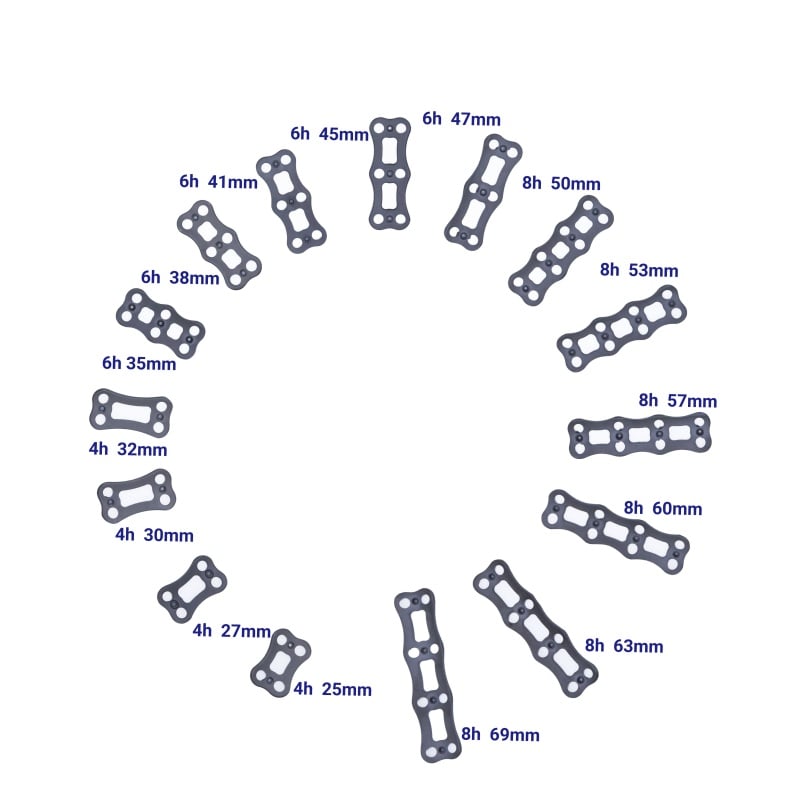
Plate Size and Design: LCP plates come in various sizes and configurations to accommodate different patient anatomies and fracture types. It is crucial to choose a plate that matches the specific requirements of the procedure. Measurements should align with the patient's anatomy to ensure proper fixation and minimize complications.
Material: Most LCP distal humerus plates are made from high-grade titanium or stainless steel. Titanium is known for its lightweight yet strong properties, which help reduce stress on the bone while providing effective stabilization. Stainless steel, on the other hand, offers great durability but may be heavier. Consider the surgical context and patient needs when selecting the material.
Compatibility with Surgical Techniques: Ensure that the plate design supports the surgical techniques you plan to use. Some plates are optimized for minimally invasive approaches, while others may be better suited for open reduction techniques. Discussing these options with your surgical team can guide your decision.
For importers and distributors, understanding the technical specifications of LCP distal humerus plates is crucial. Here are key specifications to consider:
Thickness: Typical thickness ranges from 3 mm to 5 mm. Thicker proximal humerus plates may provide additional strength but can increase the risk of complications such as soft tissue irritation.
Dimensions: Plates generally vary in length from 6 cm to 15 cm. It is important to stock a range of sizes to cater to diverse patient needs.
Screw Compatibility: Ensure that the plates are compatible with standard locking screws. This compatibility is essential for providing stable fixation.
Surface Treatment: Look for plates that undergo surface treatments, such as anodization or passivation, to enhance biocompatibility and reduce the risk of infection.
By stocking a variety of plates that meet these specifications, you can better serve your medical clients and ensure successful surgical outcomes.
Quality control is paramount in the production of LCP distal humerus plates. Manufacturers should implement rigorous quality assurance protocols to ensure that each plate meets industry standards.
Material Inspection: Raw materials should undergo strict inspection and testing to verify their mechanical properties and biocompatibility. This includes tensile strength tests and corrosion resistance evaluations.
Production Process Monitoring: Continuous monitoring during the manufacturing process can identify potential defects early. This includes assessing machining precision, surface finish, and dimensional accuracy.
Post-Production Testing: Each batch of plates should undergo post-production testing, including load-bearing tests to ensure that they can withstand the stresses of surgical applications.
Certification: Ensure that your manufacturer holds relevant certifications, such as ISO13485 and CE marking, which indicate compliance with international quality management standards.
By prioritizing these quality control measures, manufacturers can build trust with their clients and ensure patient safety during surgical procedures.
The cost of Aoye LCP distal humerus plates can vary significantly based on several factors:
Material Costs: The choice between titanium and stainless steel will impact the overall cost. Titanium plates are generally more expensive due to their superior properties, but they may offer long-term savings due to reduced complications.
Manufacturing Processes: The complexity of the manufacturing process, including machining and surface treatments, can influence pricing. Advanced manufacturing techniques may increase initial costs but could lead to better patient outcomes.
Volume Discounts: Consider the potential for bulk purchasing. High-volume orders may qualify for discounts, which can significantly reduce per-unit costs.
Logistics and Shipping: Factor in shipping costs, especially if importing from overseas. Delays in shipping can also impact project timelines, so it's important to work with reliable logistics partners.
By evaluating these cost factors, you can make informed decisions that align with your budget and project requirements.
Aoye LCP distal humerus plates are primarily used in orthopedic surgeries to address various types of fractures in the distal humerus. Their applications include:
Fracture Stabilization: These plates are designed to provide stable fixation for complex fractures, ensuring proper alignment during the healing process.
Osteotomy Procedures: LCP plates can also be used in osteotomy procedures where bone realignment is necessary. They allow for precise adjustment of the bone structure.
Revision Surgeries: In cases where previous surgical interventions have failed, locking proximal humerus plate can be employed to provide additional stability during revision surgeries.
Trauma Cases: The plates are essential in trauma cases where patients have sustained injuries that require immediate surgical intervention. Their design allows for quick and effective stabilization of fractures in emergency settings.
Understanding these applications enables suppliers to better position their products to meet the specific needs of healthcare providers, ensuring that surgical teams have the right tools for successful patient outcomes.
By focusing on these aspects, Aoyujian Medical aims to support healthcare professionals with high-quality, reliable LCP distal humerus plates that meet the rigorous demands of orthopedic surgery.
Aoyujian Medical Technology provides trusted orthopedic solutions, high-quality implants, OEM/ODM services, and global shipping for hospitals & distributors.
No. 2 Changting Road, Gehu Farm, Wujin Economic Development Zone, Changzhou, Jiangsu, China
Copyright © Aoyujian Medical Technology (Changzhou) Co., Ltd. All Rights Reserved - Privacy Policy - Blog
 EN