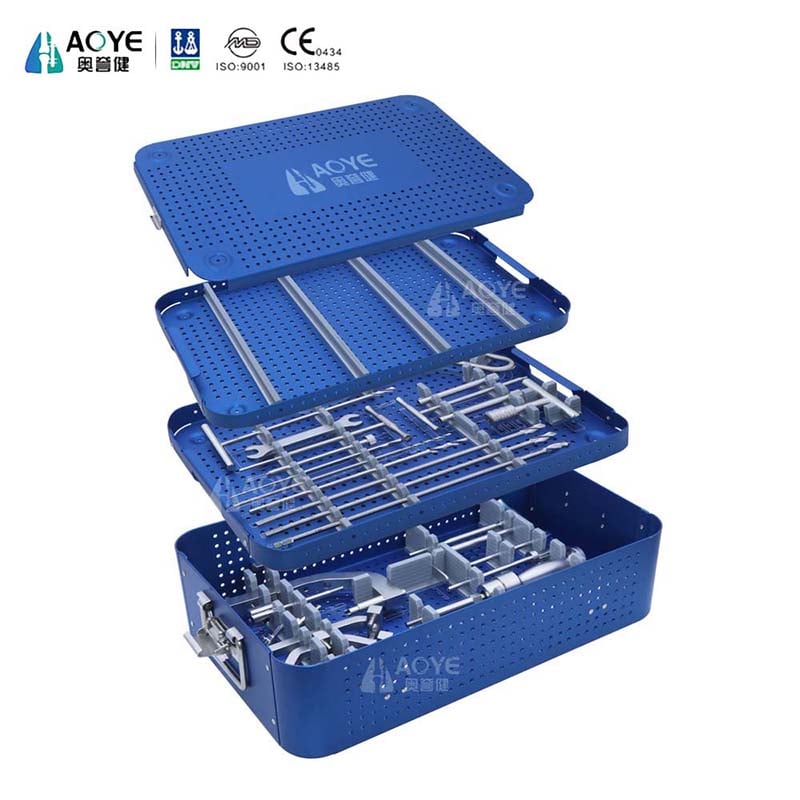
Locking plates are critical components in orthopedic surgery, primarily used to stabilize fractures and ensure proper bone healing. For purchasing managers and healthcare professionals, selecting the right sternum titanium plates involves understanding specific product features, material properties, and application suitability. This article will explore essential considerations when choosing locking plates, key specifications for wholesale buyers, cost factors, applications in orthopedic surgery, and the materials and benefits associated with these devices.
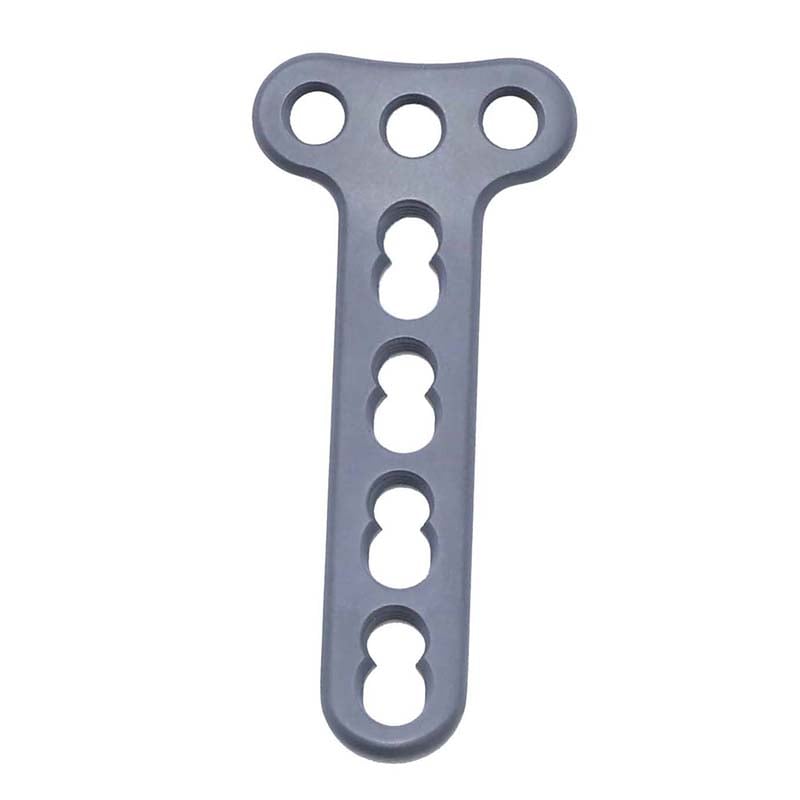
When selecting a locking plate, several factors come into play. First, consider the anatomical location of the fracture and the corresponding plate design. Locking plates are available in various shapes and sizes tailored to fit specific bone structures. The dimensions of the plate must align with the patient's anatomy for optimal fit and stability.
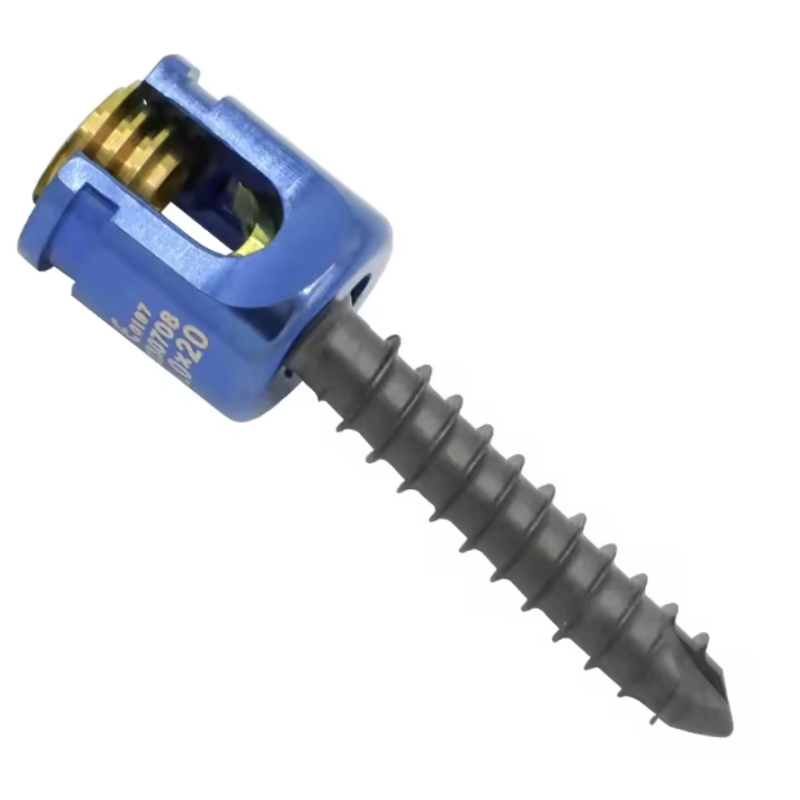
Next, evaluate the locking mechanism. Locking plates utilize screws that engage with the plate, creating a fixed-angle construct. This design minimizes the risk of screw loosening, which is particularly important in cases with compromised bone quality. Ensure that the screws provided are compatible with the plate and suitable for the specific application.
Lastly, assess the certification and quality standards of the manufacturer. Aoye for example, is ISO13485 and CE certified, indicating compliance with international quality management standards and regulatory requirements for medical devices. Reliable certification not only ensures product quality but also signifies a commitment to safety and effectiveness.
For wholesale buyers, understanding the following key specifications is essential:
Dimensions: Locking plates come in various lengths and widths. The appropriate size depends on the fracture type and bone anatomy. Buyers should verify these dimensions against the intended application to ensure proper fit.
Screw Compatibility: Different locking plates may require specific screw types. Check the screw length, diameter, and thread design to ensure they match the intended locking plate. This compatibility is crucial for maintaining the integrity of the fixation.
Material Composition: Locking plates are commonly made from titanium or stainless steel. Titanium offers a lower density and higher biocompatibility, while stainless steel provides strength and rigidity. The choice of material should align with the surgical requirements and patient needs.
Surface Treatment: Surface treatments can enhance the plate's performance by improving biocompatibility and reducing the risk of infection. Anodization or coatings may be applied to achieve these benefits.
Load-Bearing Capacity: Understanding the load-bearing capacity of a distal radius plate is vital, particularly in high-stress applications. Buyers should confirm that the plate can withstand the expected loads during the healing process.
Cost considerations for Aoye locking plates can vary significantly based on several factors:
Material Type: The choice between titanium and stainless steel impacts pricing. Titanium plates typically cost more due to their enhanced properties but may offer long-term benefits in terms of patient outcomes.
Manufacturing Processes: Advanced manufacturing techniques, such as CNC machining and precision forging, can influence the price. Plates that undergo rigorous quality control and testing may also carry a premium.
Volume Discounts: Bulk purchases often result in cost savings. Buyers should inquire about minimum order quantities (MOQ) and potential discounts for larger orders.
Supplier Reputation: Established manufacturers with proven track records may charge higher prices due to their reliability and quality assurances. It's vital to balance cost with the assurance of product performance and safety.
Shipping and Handling: Consider additional costs associated with shipping, customs, and handling, especially for international orders. Understanding these factors can help in budgeting effectively.
Locking plates find extensive applications in orthopedic surgery, including:
Fracture Fixation: They are primarily used to stabilize fractures, particularly in complex cases where traditional plates may not provide sufficient stability.
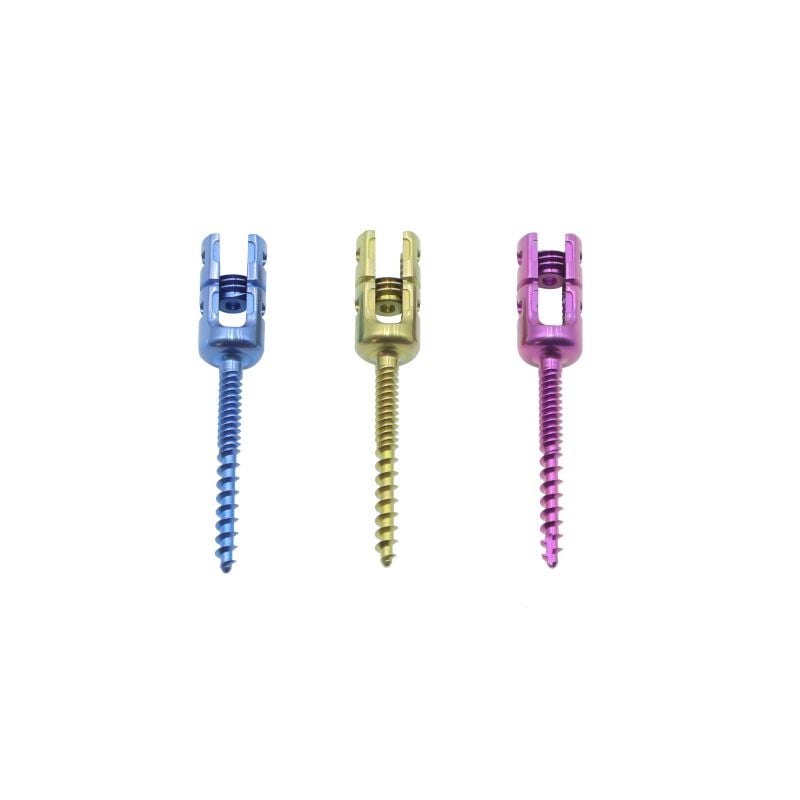
Spinal Surgery: In spine surgery, locking plates can support spinal fusion and stabilize vertebrae after corrective procedures.
Sports Medicine: Athletes often sustain injuries requiring surgical intervention. Locking plates can be utilized in repairing fractures resulting from high-impact sports activities.
Trauma Cases: In emergency situations, locking plates can provide rapid stabilization for fractures resulting from accidents, ensuring quick and effective treatment.
Pediatric Applications: Specially designed locking plates can be employed in pediatric orthopedic surgeries, taking into account the unique anatomical considerations in children.
The material selection for locking plates is crucial, as it directly affects performance and patient outcomes.
Titanium: Known for its excellent biocompatibility and corrosion resistance, titanium is a preferred choice for many orthopedic implants. It is lightweight yet strong, minimizing the impact on the patient's overall health.
Stainless Steel: Stainless steel offers enhanced strength and rigidity, making it suitable for high-load applications. However, it may not provide the same level of biocompatibility as titanium, which can lead to a higher risk of complications in some patients.
Coatings: Some locking plates are treated with special coatings to enhance their properties. For example, hydroxyapatite coatings can promote bone integration and reduce the risk of postoperative infections.
Customization Options: Aoye offers customization capabilities for titanium bone platel, allowing healthcare professionals to specify dimensions, materials, and surface treatments according to their specific needs.
selecting the right locking plate involves careful consideration of design, specifications, and materials. By understanding these factors, B2B buyers can make informed decisions that enhance patient outcomes and ensure successful surgical interventions.
Aoyujian Medical Technology provides trusted orthopedic solutions, high-quality implants, OEM/ODM services, and global shipping for hospitals & distributors.
No. 2 Changting Road, Gehu Farm, Wujin Economic Development Zone, Changzhou, Jiangsu, China
Copyright © Aoyujian Medical Technology (Changzhou) Co., Ltd. All Rights Reserved - Privacy Policy - Blog
 EN