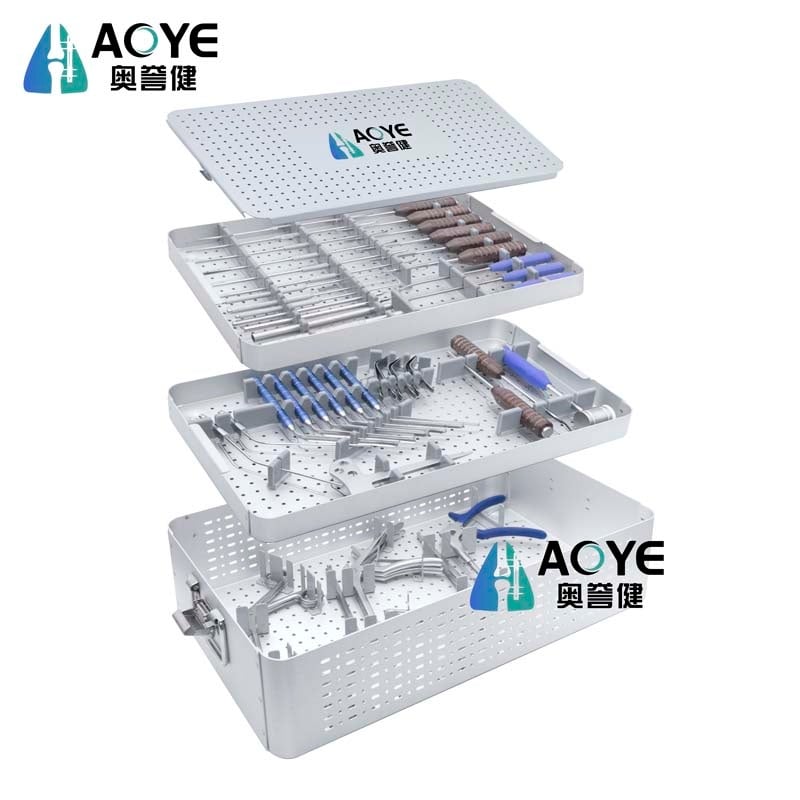
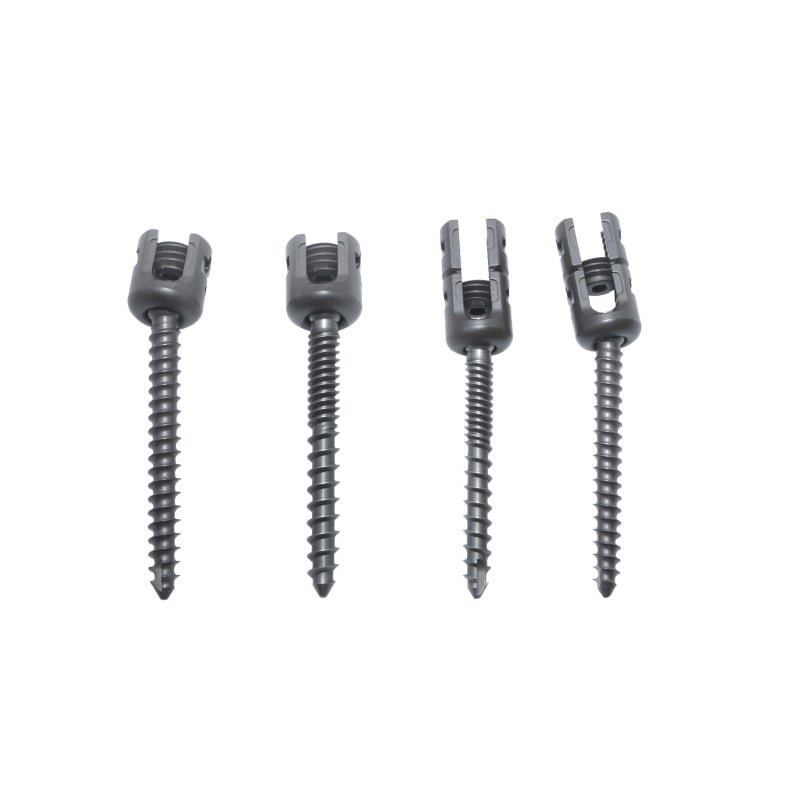
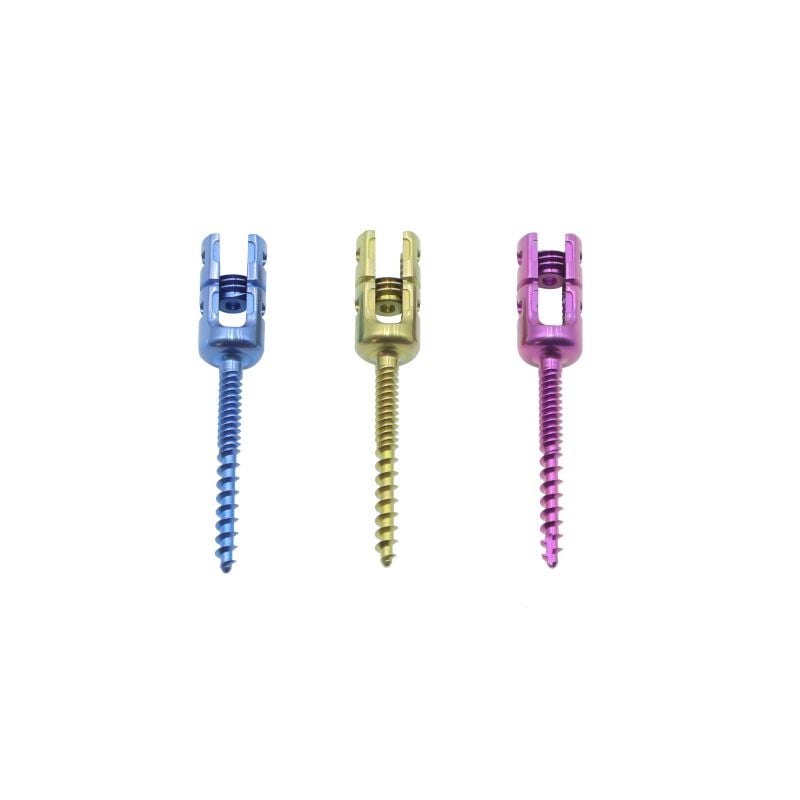
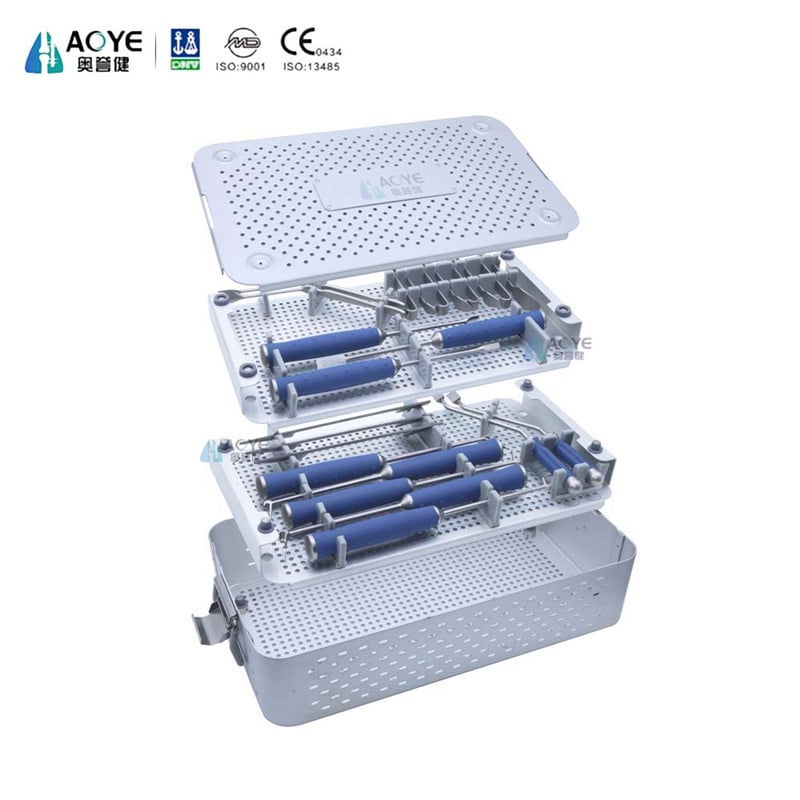
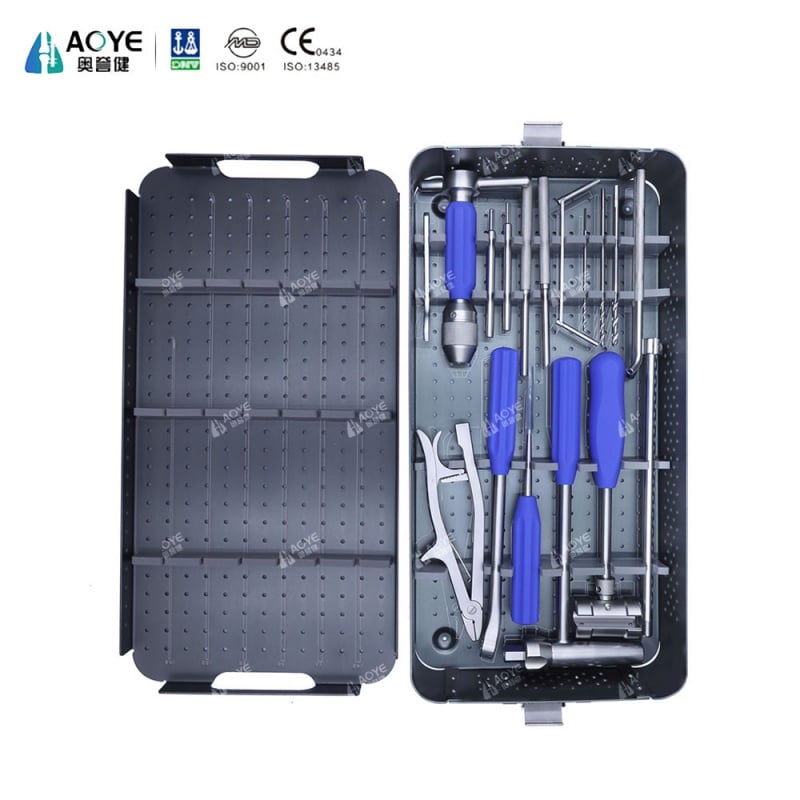
When sourcing medical orthopedic products, understanding the intricacies involved in orthopedic implants and instruments is paramount. These products play a crucial role in trauma, spine, and sports medicine, demanding a comprehensive grasp of specifications, materials, and applications. As a purchasing manager or medical distributor, your main concerns likely revolve around quality, compliance, cost, and suitability for specific medical applications. This article aims to provide insights into what to look for when sourcing orthopedic supplies and how to make informed decisions.
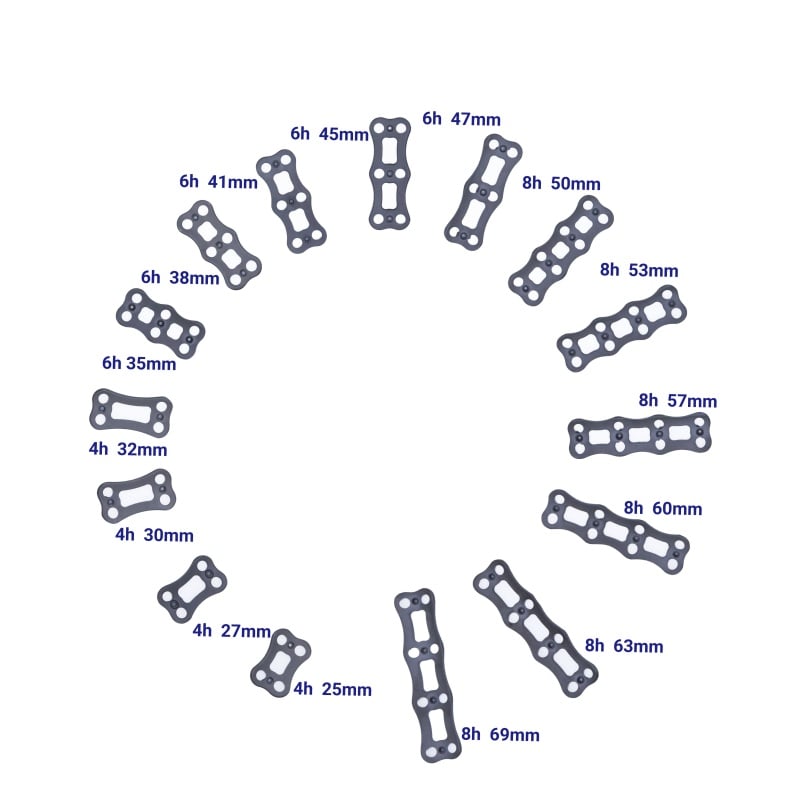
When evaluating Aoye medical orthopedic products, several key specifications are vital to ensure optimal performance and safety. Firstly, dimensions and tolerances should be meticulously assessed, as improper sizing can lead to complications during surgical procedures. For instance, a mismatch in implant dimensions may affect the stability and integration of the implant within the patient's anatomy.
Another critical specification is the material composition. Common materials for orthopedic implants include titanium and cobalt-chromium alloys, which offer excellent biocompatibility and strength. Understanding the mechanical properties of these materials, such as tensile strength and fatigue resistance, is essential, as they directly impact the implant's performance under physiological loads.
Finally, surface treatment processes, such as coating or texturing, can enhance the integration of the implant with bone tissue. Buyers should evaluate these treatments to ensure they meet the necessary biological and mechanical requirements for their specific applications.
When sourcing orthopedic medical devices, buyers should prioritize several essential factors:
Regulatory Compliance: Ensure that the products are ISO13485 and CE certified. These certifications indicate adherence to international quality management standards and regulatory compliance, instilling confidence in the product's safety and efficacy.
Quality Control Processes: Investigate the manufacturer's quality control procedures. A robust quality management system, including rigorous testing and validation protocols throughout the production process, is crucial to ensure the reliability of bone saw orthopedic.
Customization Capabilities: Different patients may require tailored solutions. Assess the manufacturer's ability to customize implants or instruments to meet specific anatomical requirements or surgical preferences. This flexibility can significantly enhance patient outcomes.
Technical Support and Documentation: Comprehensive technical documentation, including user manuals, surgical guides, and maintenance instructions, is vital for ensuring proper usage and compliance with safety standards.
Cost is a significant factor when sourcing Aoye orthopedic instruments in bulk. Here are several aspects to consider:
Unit Pricing vs. Total Cost: While the unit price might seem attractive, be mindful of hidden costs such as shipping, customs duties, and taxes, which can inflate the total expenditure. Always request a detailed quotation that includes these factors.
Minimum Order Quantities (MOQ): Many manufacturers have MOQs that can influence your purchasing strategy. Ensure that the MOQ aligns with your inventory needs and budget constraints.
Lead Time and Production Capacity: Evaluate the manufacturer's production capacity and lead times. Delays can impact your supply chain, especially in medical settings where timely availability of orthopedic instruments is critical.
Volume Discounts: Inquire about discounts for larger orders. Manufacturers often offer price breaks for bulk purchases, which can lead to significant cost savings.
Orthopedic products serve a wide range of applications, from trauma care to reconstructive surgery. Understanding these applications can help buyers make informed decisions about product selection.
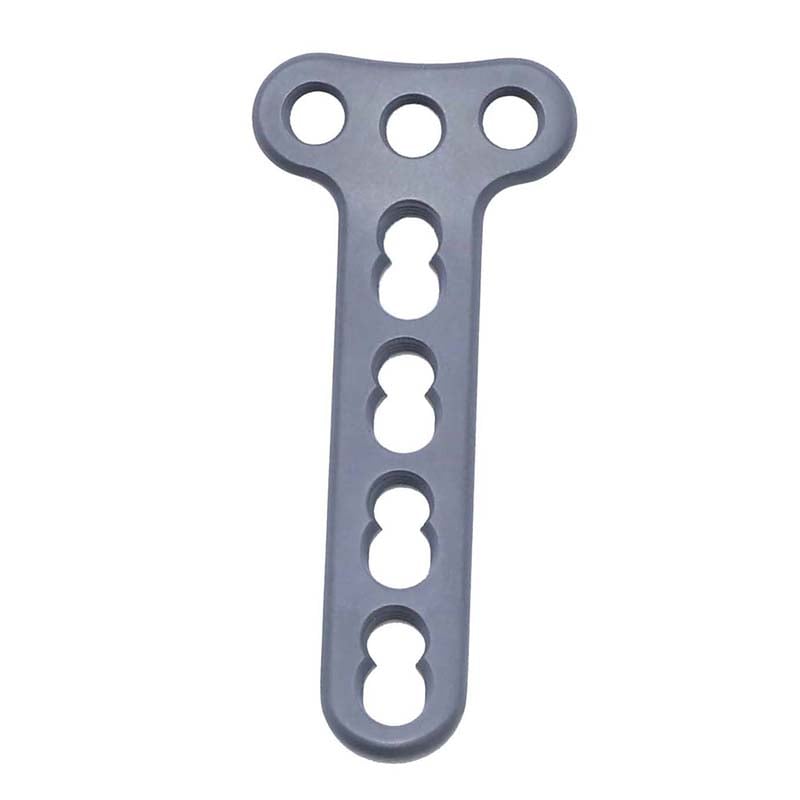
Trauma Surgery: Devices such as intramedullary nails, plates, and screws are commonly used in trauma cases to stabilize fractures. The choice of implant depends on the fracture type, location, and patient-specific factors.
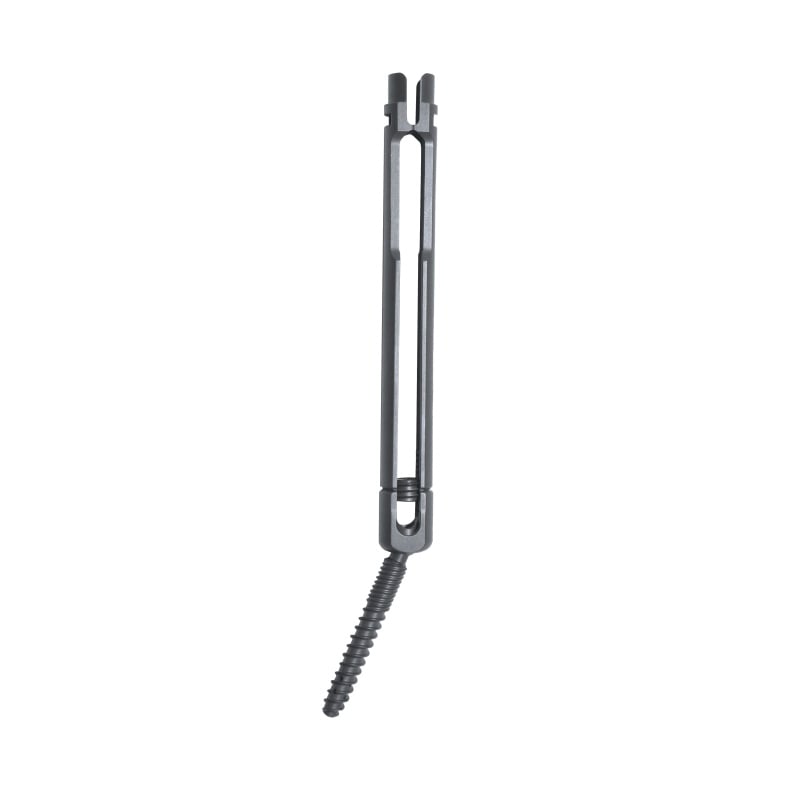
Spinal Surgery: Orthopedic implants for spinal fusion, such as rods and interbody cages, play a vital role in stabilizing the spine. Materials used in these applications must support fusion while maintaining structural integrity under load.
Sports Medicine: Products such as arthroscopic instruments and soft tissue anchors are designed for minimally invasive procedures in sports medicine. Their design must facilitate precise manipulation while ensuring durability and reliability.
Reconstructive Surgery: Implants used in joint replacement surgeries, such as hip or knee replacements, must be carefully selected based on the patient's age, activity level, and bone quality.
The selection of materials for Aoye orthopedic implants and instruments is critical, as they must withstand various mechanical and biological challenges. Here are some advantages of commonly used materials:
Titanium Alloys: Renowned for their excellent biocompatibility, lightweight nature, and corrosion resistance, titanium alloys are ideal for load-bearing implants. They minimize the risk of adverse reactions and promote osseointegration, which is vital for long-term success.
Cobalt-Chromium Alloys: These materials offer high wear resistance and strength, making them suitable for high-stress applications like joint replacements. Their durability reduces the likelihood of implant failure over time.
Polyethylene: Often used in conjunction with metal implants, polyethylene serves as a bearing surface in joint replacements. Its properties can be engineered to enhance wear resistance while maintaining flexibility.
Bioactive Glass and Ceramics: These materials promote bone regeneration and can be used in conjunction with metallic implants to enhance osseointegration. Their unique properties allow for effective bonding with surrounding bone tissue.
when sourcing medical orthopedic products, understanding the specifications, compliance, cost factors, applications, and material advantages is crucial for making informed purchasing decisions. By closely evaluating these aspects, buyers can ensure they select the right orthopedic bone saw and instruments that meet the specific needs of their medical applications.
Aoyujian Medical Technology provides trusted orthopedic solutions, high-quality implants, OEM/ODM services, and global shipping for hospitals & distributors.
No. 2 Changting Road, Gehu Farm, Wujin Economic Development Zone, Changzhou, Jiangsu, China
Copyright © Aoyujian Medical Technology (Changzhou) Co., Ltd. All Rights Reserved - Privacy Policy - Blog
 EN