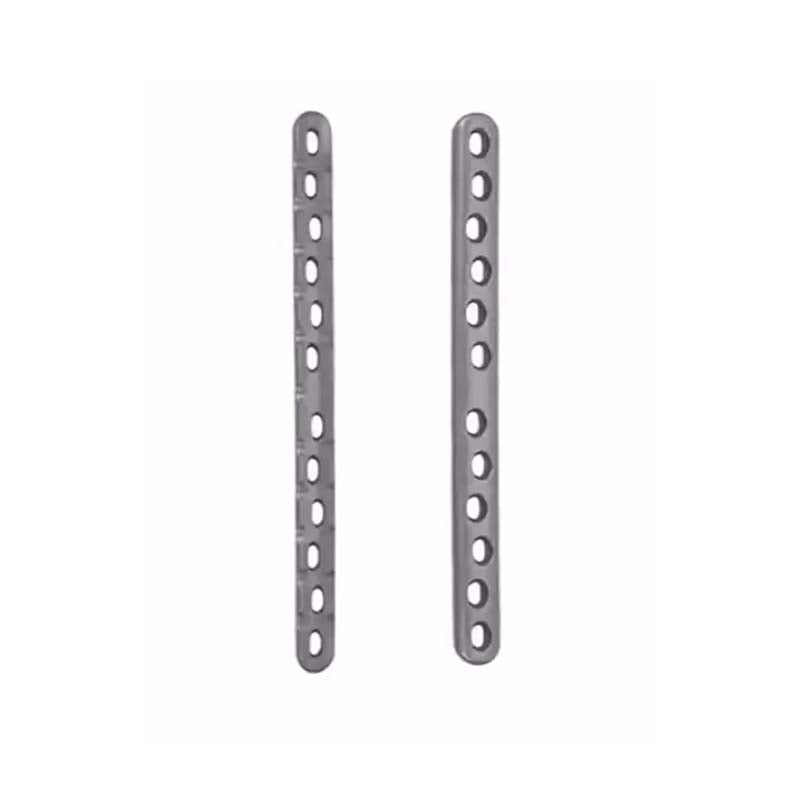
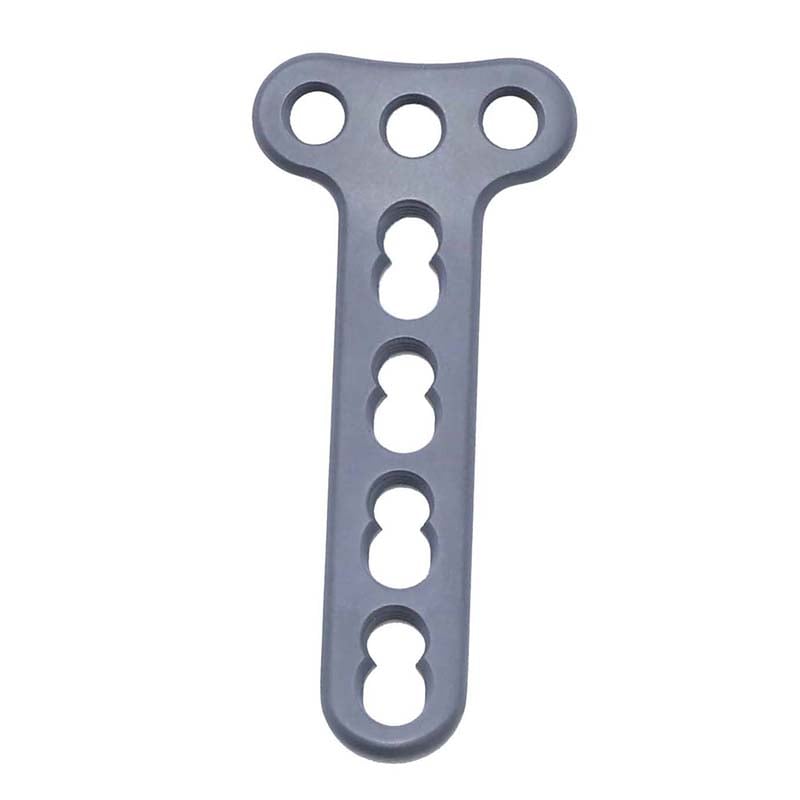
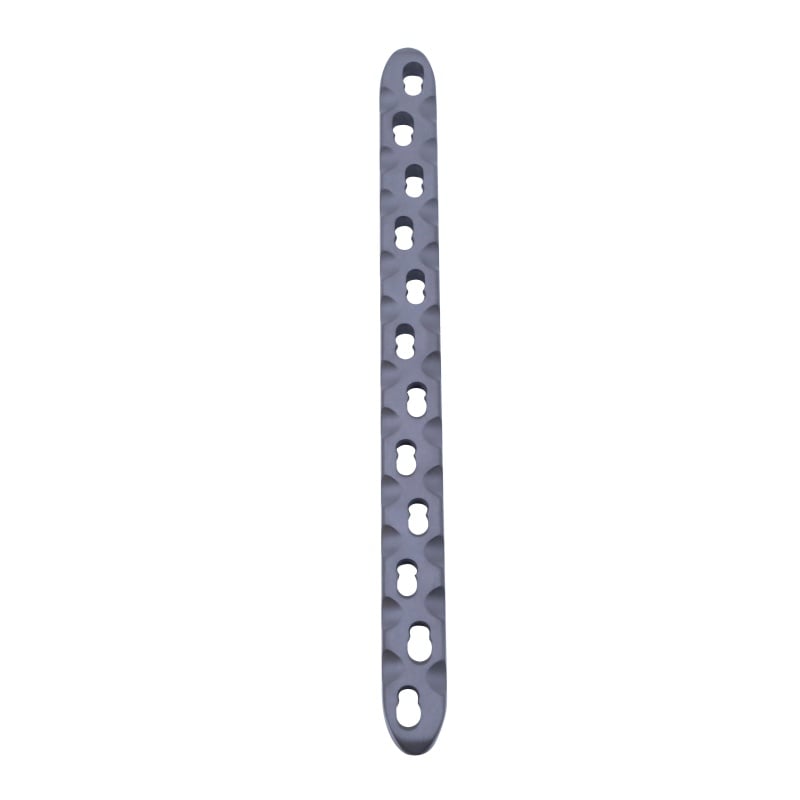
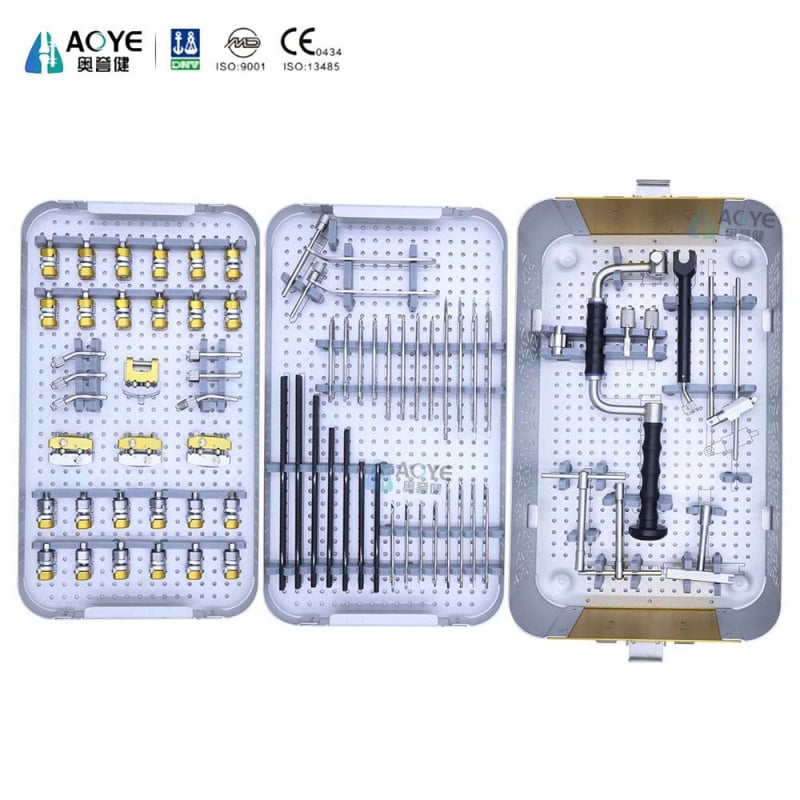
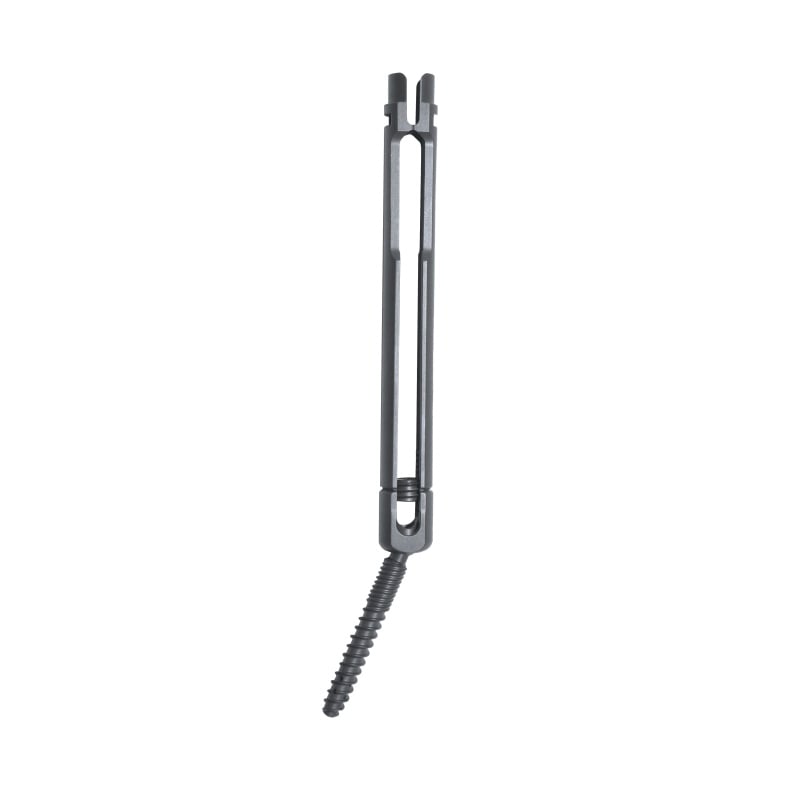
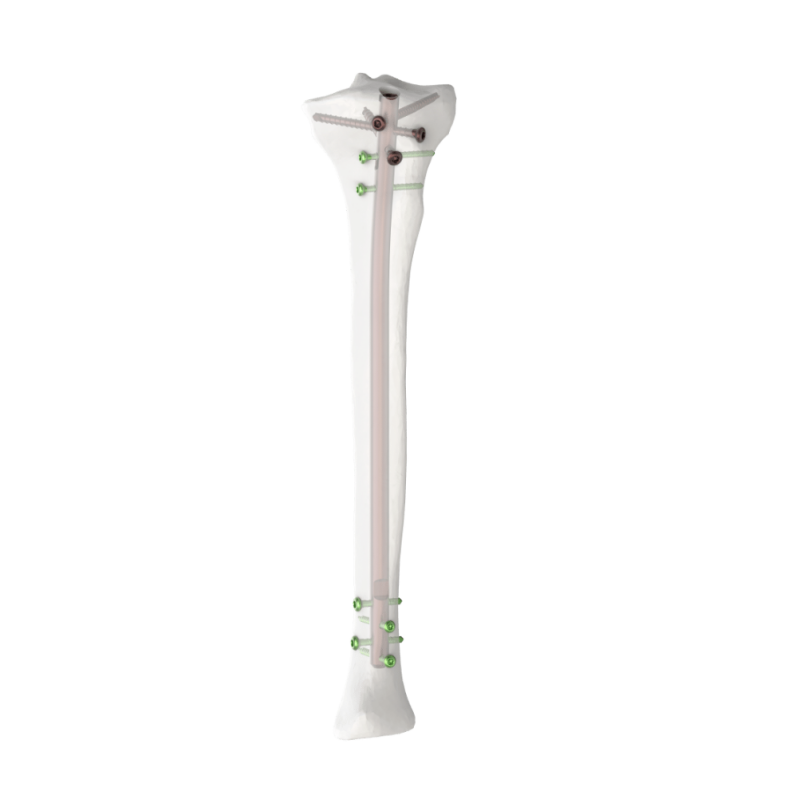
In wrist surgery, metal plates play a critical role in stabilizing fractures and supporting the healing process. These distal radius plate, typically made from biocompatible materials like titanium or stainless steel, are designed to provide the necessary strength and flexibility for optimal recovery. As a purchasing manager or medical professional, understanding the specifications, cost factors, installation guidance, common issues, and reliable suppliers for metal plates in wrist surgery will enable you to make informed decisions that enhance surgical outcomes and patient satisfaction.
When selecting metal plates for wrist surgery, several key specifications must be considered to ensure compatibility and optimal performance.
Material Composition: The most common materials used are titanium and stainless steel due to their strength, corrosion resistance, and biocompatibility. Titanium is often preferred for its lower density and greater strength-to-weight ratio, which can be beneficial in minimizing overall implant weight.
Dimensions and Thickness: The dimensions of the plate must align with the specific anatomical requirements of the wrist. The thickness of the distal radius t plate can affect stability and flexibility; a thicker plate may provide more strength but could also limit the range of motion.
Surface Treatment: Plates may undergo surface treatments, such as anodization or passivation, which enhance biocompatibility and reduce the risk of infection. These treatments can also improve the adhesion of bone in the healing process.
Design Features: Plates often come with specific design features like locking mechanisms or variable screw holes that allow for enhanced fixation options. These design elements can influence the ease of installation and overall surgical outcomes.
Load-Bearing Capacity: Understanding the load-bearing capacity is crucial. The selected plate must withstand the physiological stresses encountered during the healing phase without failure.
Ensuring these specifications meet the surgical requirements is essential for the successful application of metal plates in wrist surgery.
When sourcing metal plates for wrist surgery, several cost factors come into play.
Material Costs: The choice between titanium and stainless steel significantly affects pricing. While titanium is generally more expensive, its advantages in terms of weight and biocompatibility may justify the higher cost for certain applications.
Manufacturing Processes: The complexity of the manufacturing process, including machining, surface treatments, and quality control, can influence the final price. Plates that require intricate designs or specialized surface treatments may have higher production costs.
Order Volume: Minimum order quantities (MOQ) can also impact pricing. Bulk orders often reduce the per-unit cost, while smaller orders may incur higher prices due to setup costs.
Customization Needs: Custom plates tailored to specific surgical requirements can increase costs. It is vital to communicate any customization requests early in the procurement process to understand the associated pricing.
Supplier Location and Shipping: Importing metal plates from manufacturers like Aoyujian Medical in China may involve additional shipping and tariff costs, which should be factored into the overall budget.
Understanding these cost factors will help in budgeting for metal radius plate and making informed purchasing decisions that align with financial constraints.
Proper installation of metal plates in wrist surgery is crucial for ensuring patient safety and optimal outcomes. Here are some essential guidelines for surgeons:
Pre-Operative Planning: Surgeons should conduct thorough pre-operative assessments, including imaging studies to determine the fracture pattern and the appropriate plate design. This planning phase is critical for selecting the right size and type of plate.
Surgical Technique: During the procedure, proper alignment of the plate with the bone is essential. Surgeons should use appropriate fixation techniques, such as locking screws, to secure the plate firmly against the bone. The choice of drill and screw size must align with the plate’s specifications.
Post-Operative Care: After installation, the surgical team should monitor the site for signs of complications, such as infection or non-union. Regular follow-ups are necessary to assess the healing process and make any adjustments if needed.
Training and Experience: Surgeons should be well-trained in the use of specific plate systems, as familiarity with the product can lead to better handling and installation outcomes. Continuous education about new materials and techniques can also improve results.
Adhering to these installation guidelines will enhance the chances of successful recovery for patients undergoing wrist surgery.
Despite their benefits, metal plates in wrist surgery can present certain challenges. Being aware of these common problems can help in mitigating risks:
Infection: One of the most significant concerns is the risk of infection at the surgical site. Proper sterilization of instruments and adherence to aseptic techniques during surgery can help reduce this risk.
Non-Union or Malunion: Failure of the bone to heal correctly can occur if the plate is not adequately fixed or if the bone is subjected to excessive stress during recovery. This emphasizes the importance of selecting the correct plate and proper installation techniques.
Plate Breakage: In cases of high stress or inadequate material selection, plates may fracture under load. Regular monitoring of the patient's recovery and adherence to weight-bearing protocols is essential to minimize this risk.
Allergic Reactions: Some patients may experience allergic reactions to the materials used in metal plates. It is crucial to conduct thorough patient history assessments to identify any potential allergies.
Hardware Removal: In some cases, patients may require hardware removal after the bone has healed. This can lead to additional surgeries and complications, so the necessity of removal should be discussed prior to the initial surgery.
By recognizing these potential issues, medical professionals can take proactive steps to enhance patient care and outcomes.
Finding reliable suppliers of metal plates for wrist surgery is essential for ensuring quality and consistency. Here are several strategies to identify trustworthy manufacturers:
Industry Certifications: Look for manufacturers that are ISO13485/CE certified, as these certifications indicate adherence to international quality management systems in the medical device industry. Aoyujian Medical, for instance, holds these certifications, demonstrating their commitment to quality.
Reputation and Reviews: Research supplier reputations through industry forums, trade shows, and professional networks. Reviews from other medical professionals can provide insights into reliability and product performance.
Product Samples: Request product samples to evaluate quality, material, and manufacturing standards before making bulk orders. This step is crucial to ensure that the products meet your specific requirements.
Customization Capabilities: Ensure the supplier can accommodate customization requests. This flexibility can be critical when dealing with complex surgical cases.
Customer Support: Strong customer support from suppliers can facilitate better communication regarding product specifications and after-sales service. A responsive supplier can be invaluable in addressing any issues that arise.
By following these guidelines, buyers can identify reliable suppliers who meet their specific needs for metal plates in wrist surgery, ensuring better outcomes for both the surgical team and their patients.
Aoyujian Medical Technology provides trusted orthopedic solutions, high-quality implants, OEM/ODM services, and global shipping for hospitals & distributors.
No. 2 Changting Road, Gehu Farm, Wujin Economic Development Zone, Changzhou, Jiangsu, China
Copyright © Aoyujian Medical Technology (Changzhou) Co., Ltd. All Rights Reserved - Privacy Policy - Blog
 EN