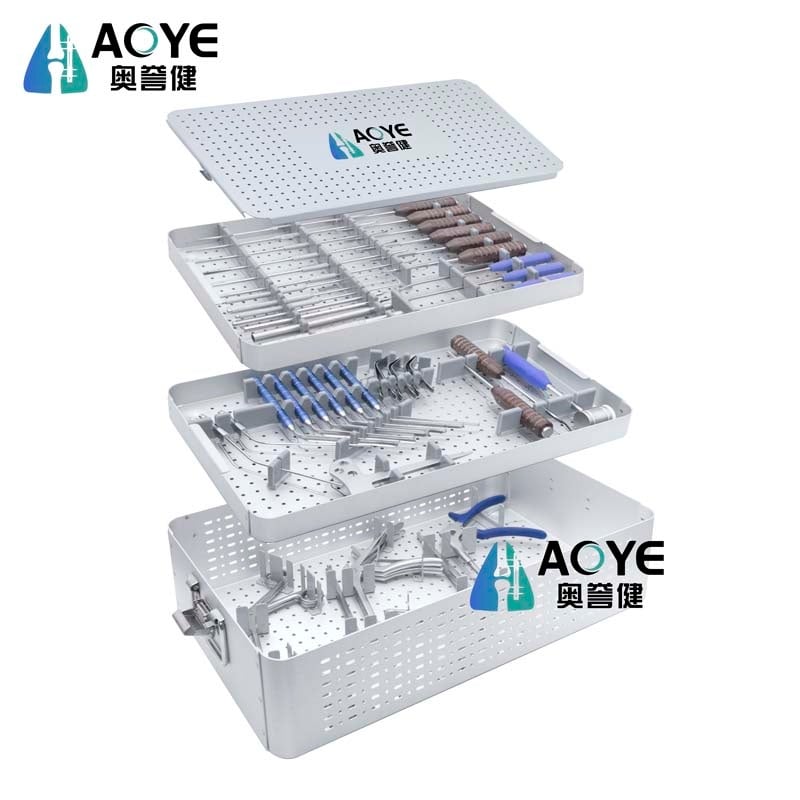
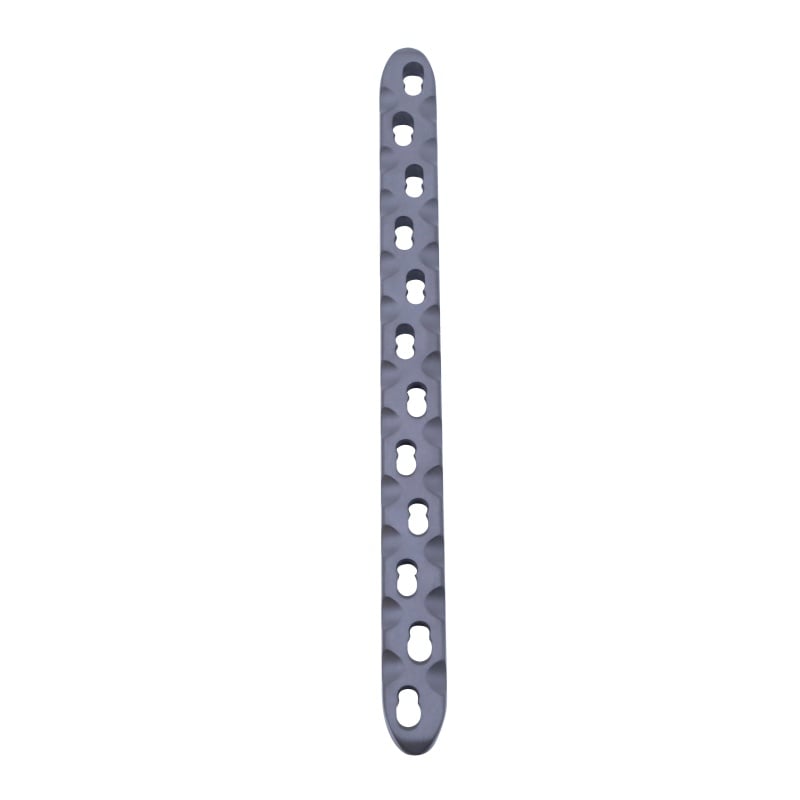
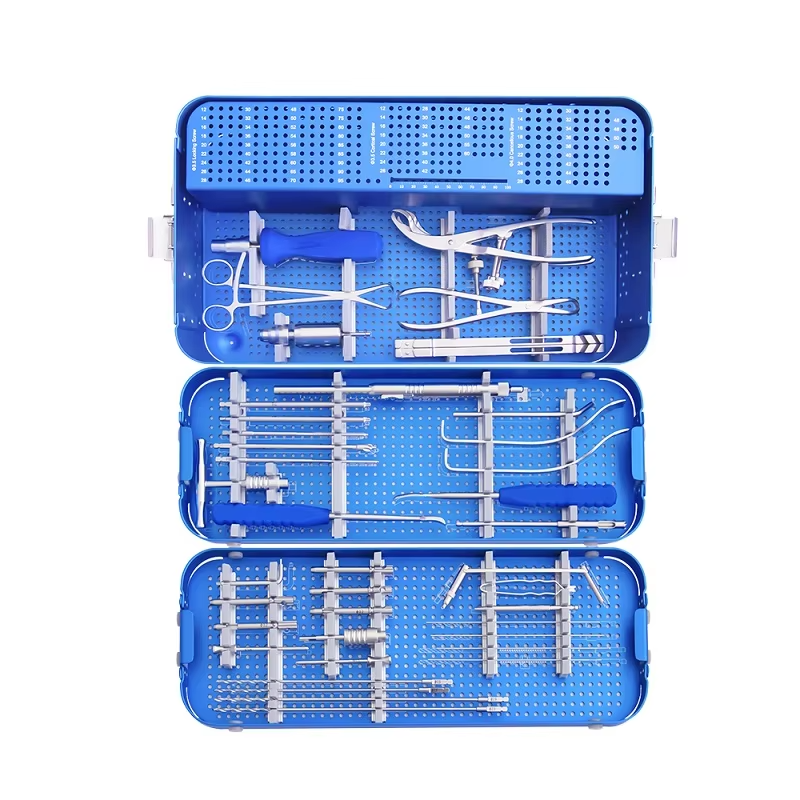
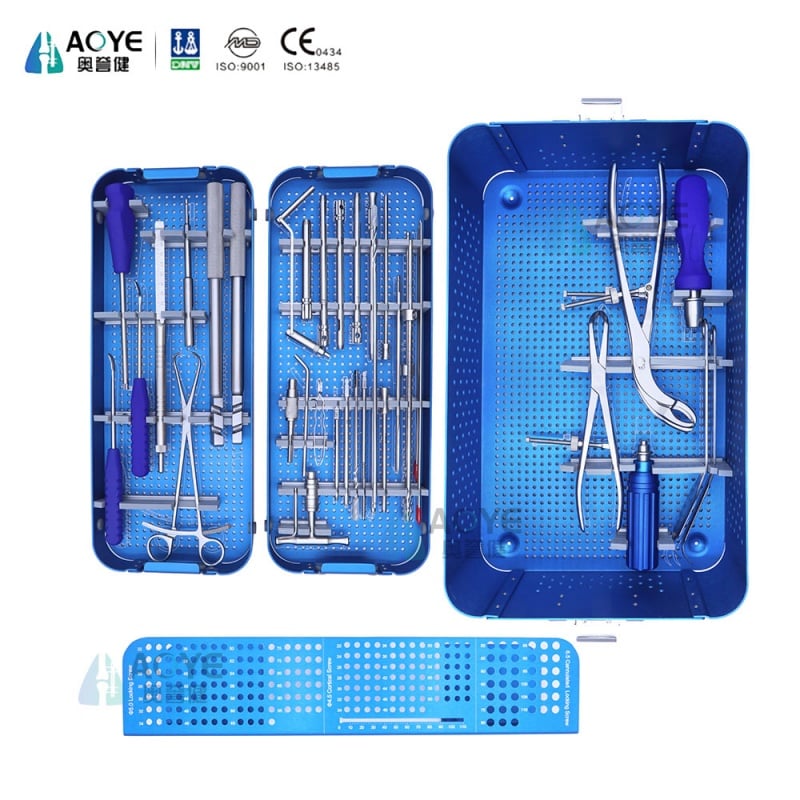
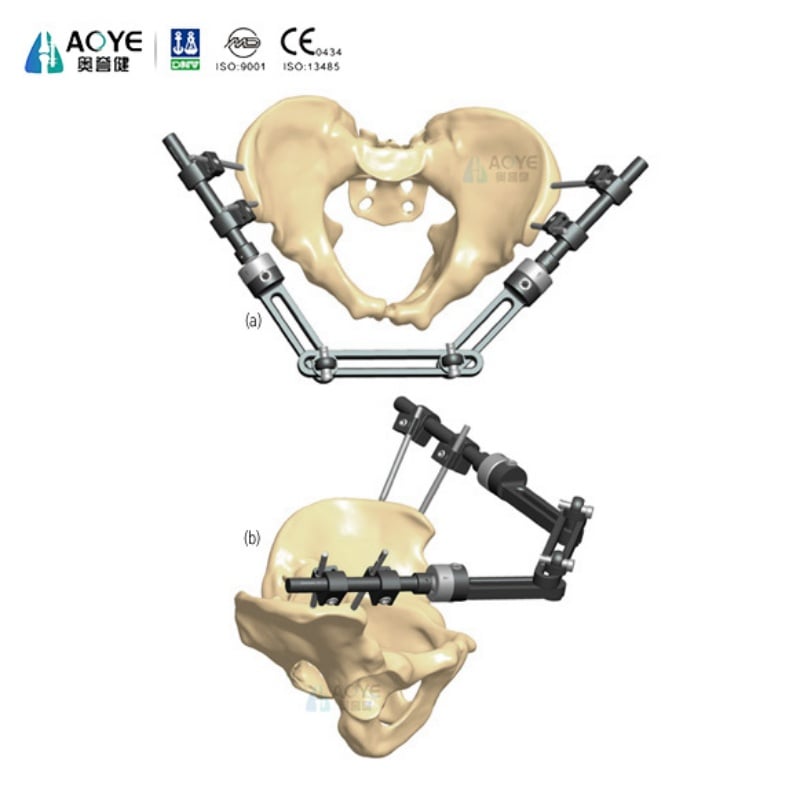
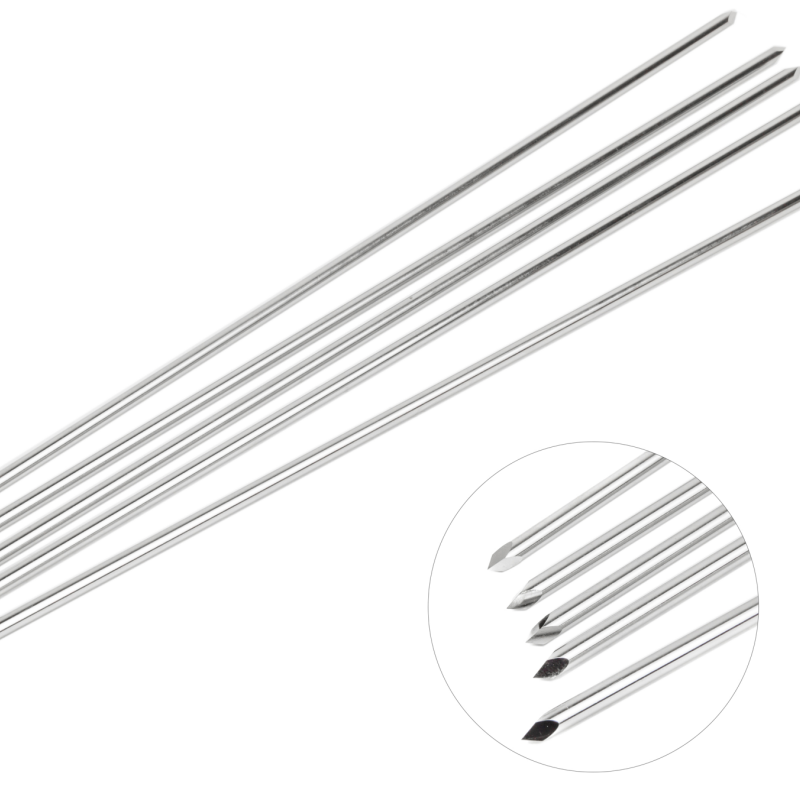
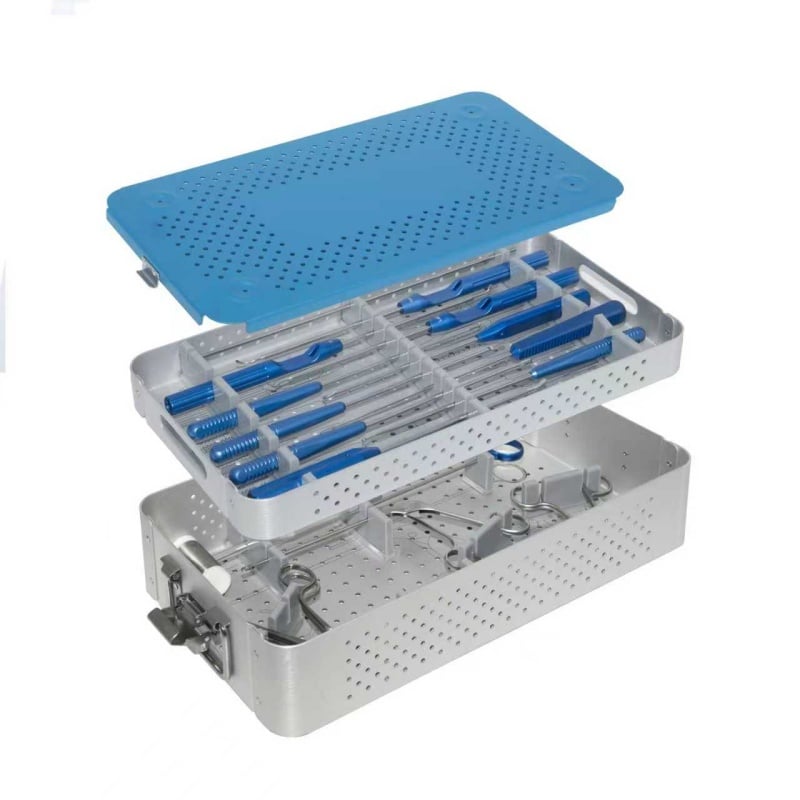
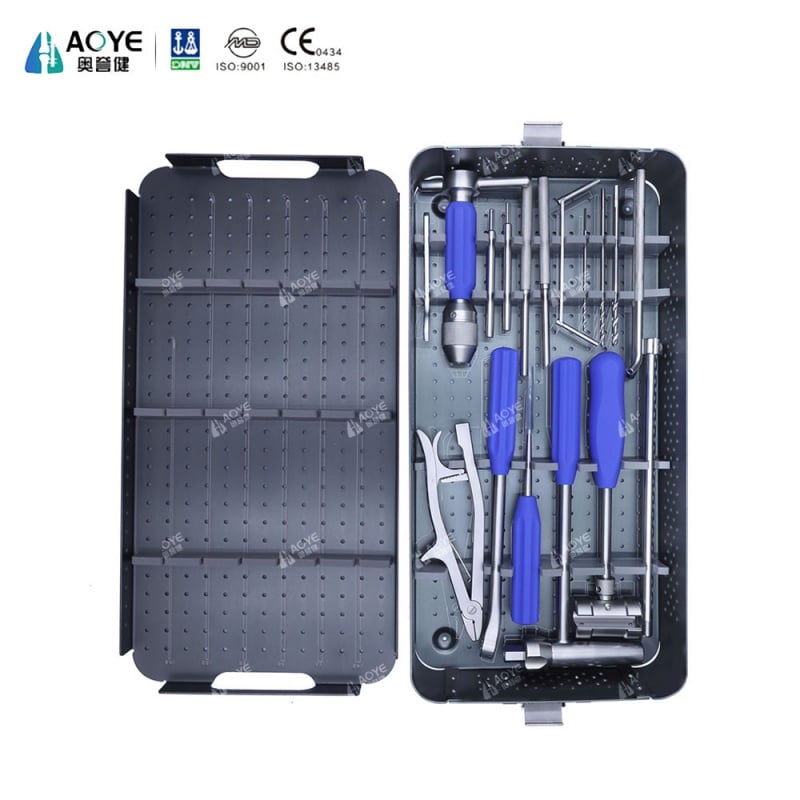
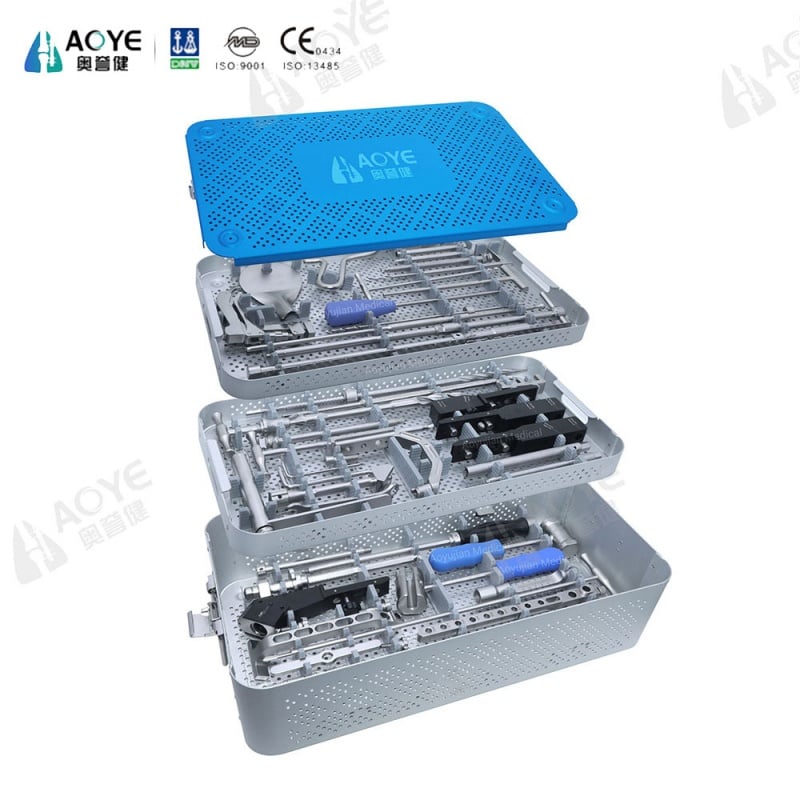
Choosing the right ortho operation theatre instruments is critical for effective surgical procedures in orthopedic medicine. These instruments are essential for trauma, spine, and sports medicine operations, and selecting the appropriate ones can significantly influence patient outcomes. B2B buyers, such as purchasing managers, hospital administrators, and surgical teams, often seek clarity on specifications, material choices, and cost factors. This article will guide you through essential considerations when choosing orthopedic instruments set, ensuring you make informed decisions for your operational needs.
When selecting ortho operation theatre instruments, it's crucial to consider the specific needs of the surgical procedure. Instruments vary widely in type, including saws, drills, fixation devices, and retractors, each designed for particular functions. For instance, trauma surgeries may require robust fixation tools, while spine surgeries might necessitate precision instruments for delicate manipulation.
Before procurement, assess the following factors:
Surgical Procedure Type: Understand the specific requirements of the surgery. For example, spinal surgeries may require specialized retractors and clamps. Material Selection: High-quality stainless steel is commonly used for its durability and resistance to corrosion. However, titanium options exist for lightweight and strength benefits. Sterilization Compatibility: Ensure the ortho instruments can withstand sterilization methods such as autoclaving. Compatibility with sterilization processes is vital for maintaining hygiene standards. Ergonomic Design: Instruments should be easy to handle, reducing fatigue during prolonged procedures.
By aligning instrument selection with surgical needs, you can enhance efficiency and effectiveness in the operating room.
Cost is a significant consideration when purchasing ortho operation theatre instruments. Factors influencing pricing include material, design complexity, and manufacturing processes. Here are key aspects to consider:
Material Costs: Instruments made from high-grade stainless steel or titanium may come at a premium but offer enhanced durability and longevity, leading to lower total costs over time. Customization Needs: Customized instrumentation tailored to specific procedures or surgeon preferences can increase costs due to additional design and manufacturing processes. Volume Discounts: Many manufacturers, including Aoyujian Medical, offer discounts based on order quantity. Assess your needs to negotiate better pricing. Quality Assurance: Instruments that undergo rigorous quality control processes may carry higher upfront costs but reduce the risk of defects and improve operational reliability.
By factoring in these elements, buyers can better estimate the total cost of ownership and make budget-conscious decisions.
Proper installation of ortho operation theatre instruments is essential for their optimal performance. Here are some best practices to consider:
Familiarization with Instrumentation: Before installation, surgical teams should be trained on the specific instruments. Understanding each tool’s function will ensure efficient use during procedures. Calibration and Setup: Instruments that require calibration, such as powered surgical tools, should be set up according to the manufacturer’s specifications to ensure safety and accuracy. Regular Maintenance: Establish a routine maintenance schedule to inspect instruments for wear or damage, ensuring they remain in optimal condition for use. Safety Protocols: Follow stringent safety protocols during installation, including proper sterilization procedures, to minimize infection risks.
Adhering to these guidelines will facilitate a smoother installation process and promote longevity and safety in instrument use.
Ortho operation theatre instruments can encounter various issues that may hinder their performance. Understanding common problems and their solutions can enhance operational efficiency:
Corrosion and Rust: Instruments made from inferior materials may corrode over time. To avoid this, choose high-quality stainless steel or titanium, which are resistant to corrosion. Dull Cutting Edges: Dull instruments can lead to increased procedure time and complications. Regular sharpening and maintenance are essential to keep cutting instruments effective. Misalignment or Jamming: Instruments that do not function smoothly can compromise surgical outcomes. Regularly inspect for wear and misalignment, and replace parts as necessary to ensure optimal performance. Inadequate Sterilization: Instruments that are not adequately sterilized can lead to post-operative infections. Implement a robust sterilization protocol and invest in high-quality sterilization equipment.
By proactively addressing these issues, surgical teams can maintain high standards of care and improve patient outcomes.
Material selection is a critical factor in the performance and longevity of ortho operation theatre instruments. Each material offers distinct advantages depending on the application:
Stainless Steel: Known for its strength and resistance to corrosion, stainless steel is the most common material used in surgical instruments. It offers excellent durability and is suitable for a wide range of surgical applications. Titanium: This lightweight material is favored for its high strength-to-weight ratio and biocompatibility, making it ideal for implants and surgical ortho general instruments that require both durability and minimal patient impact. Carbon Steel: While less corrosion-resistant than stainless steel, carbon steel can achieve sharper edges for cutting instruments. It is often used in tools requiring precision cutting but must be maintained carefully to prevent rust. Coated Instruments: Some instruments are coated to enhance properties such as friction reduction or biocompatibility. While coatings can improve performance, they may require specific care to maintain their integrity.
Selecting the appropriate material based on the intended application and desired performance characteristics will ensure that the instruments meet the operational demands of orthopedic procedures.
By understanding these critical aspects of ortho operation theatre instruments, buyers can make informed decisions that enhance surgical performance and patient care.
Aoyujian Medical Technology provides trusted orthopedic solutions, high-quality implants, OEM/ODM services, and global shipping for hospitals & distributors.
No. 2 Changting Road, Gehu Farm, Wujin Economic Development Zone, Changzhou, Jiangsu, China
Copyright © Aoyujian Medical Technology (Changzhou) Co., Ltd. All Rights Reserved - Privacy Policy - Blog
 EN