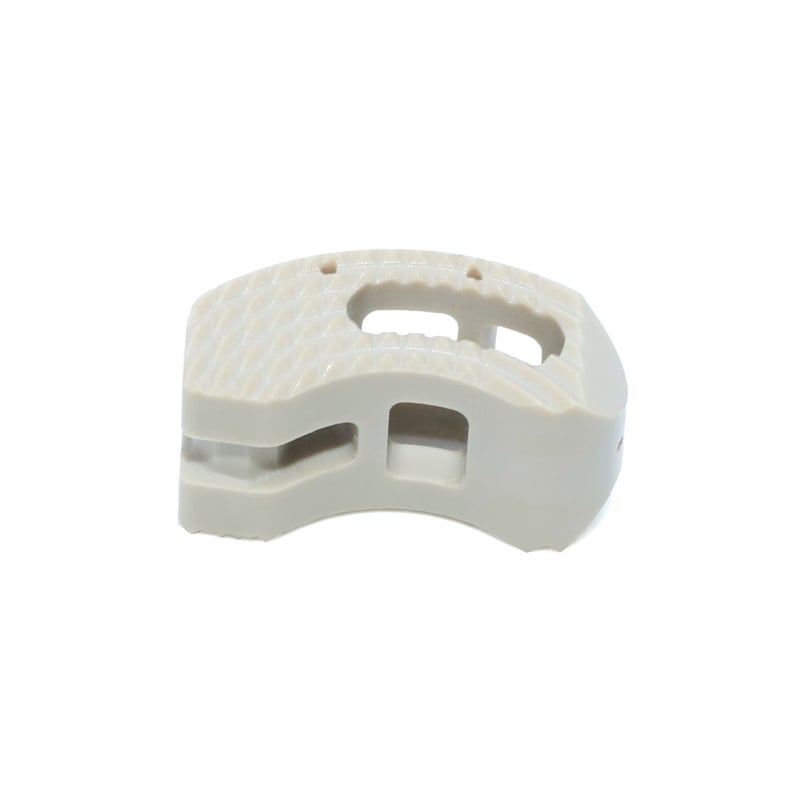
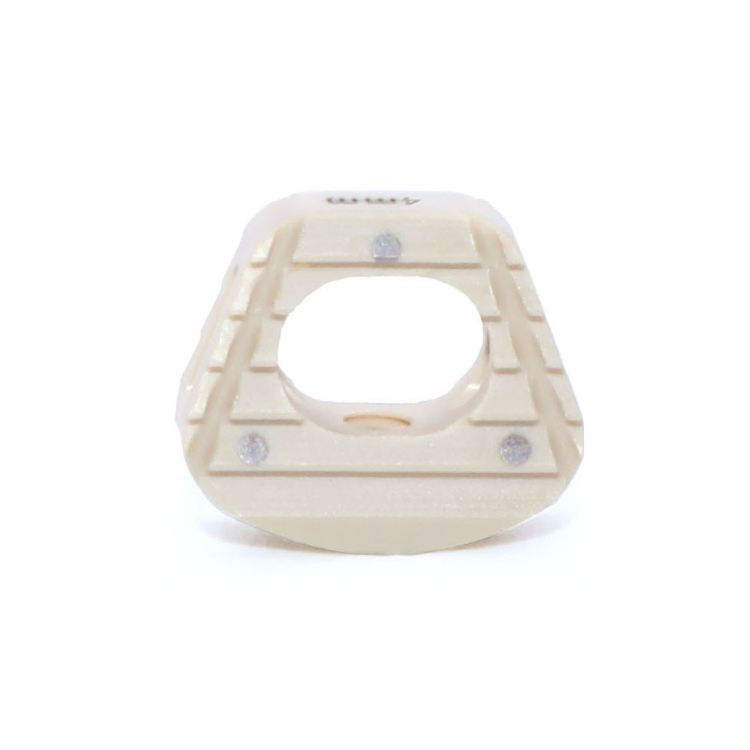
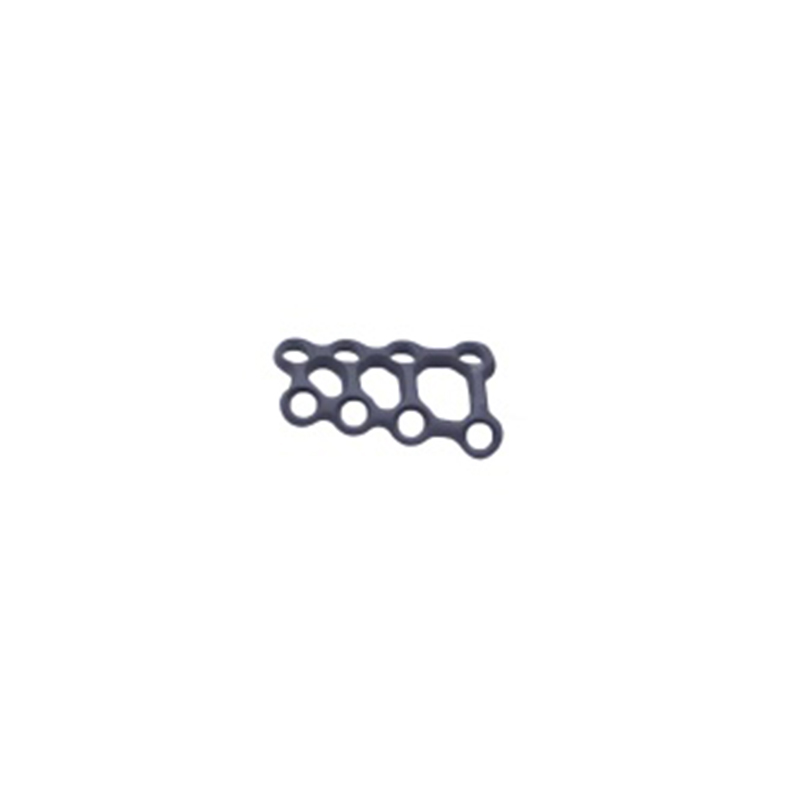
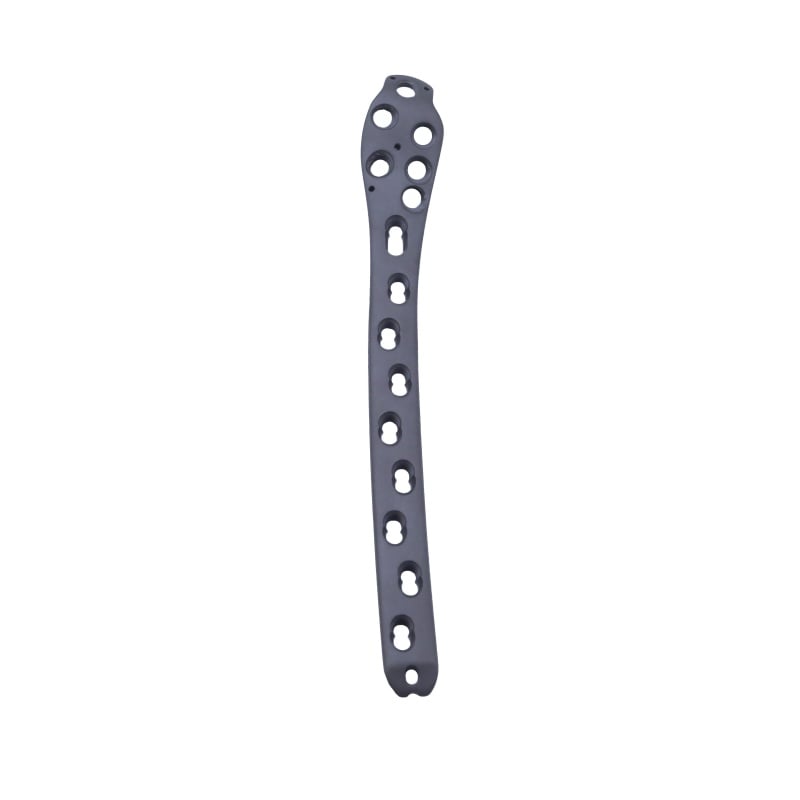
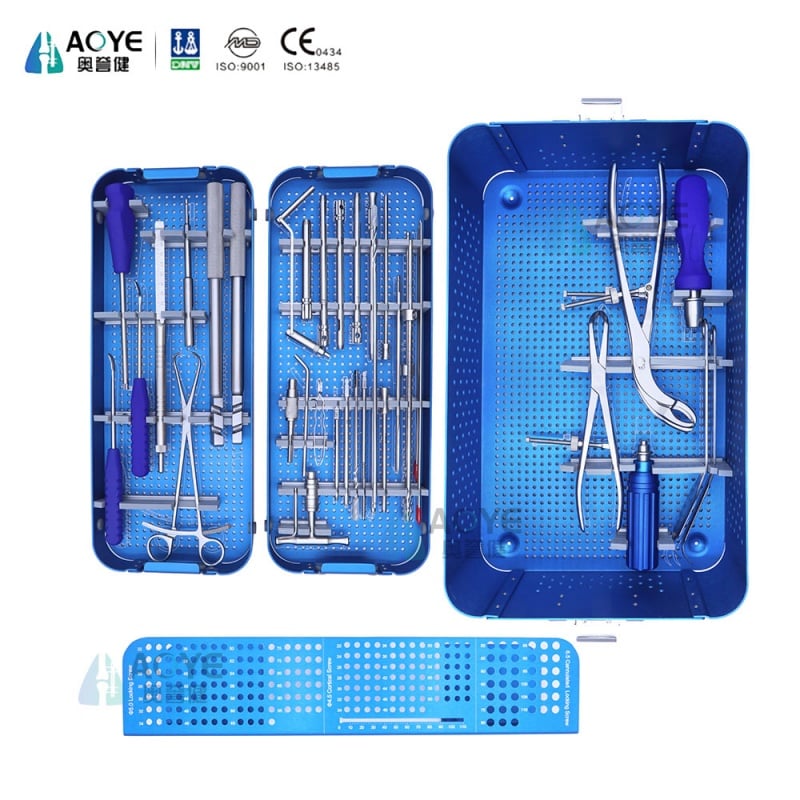
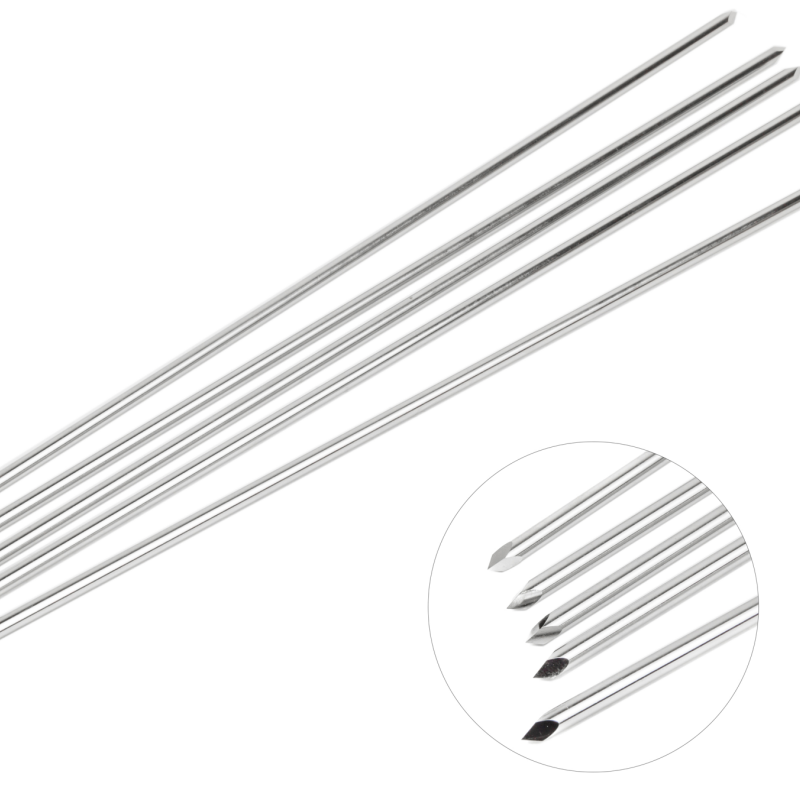
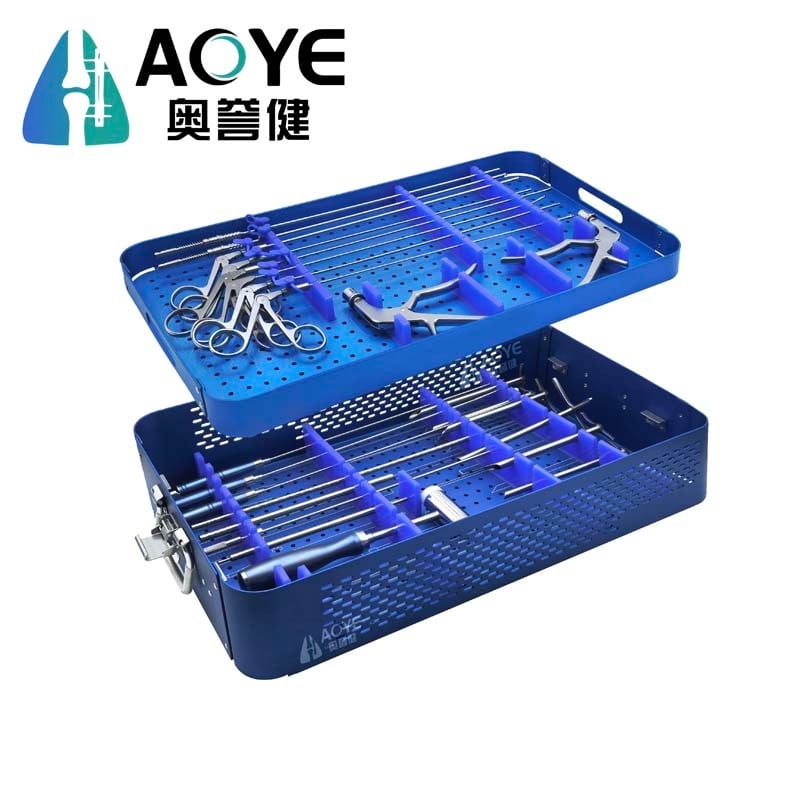
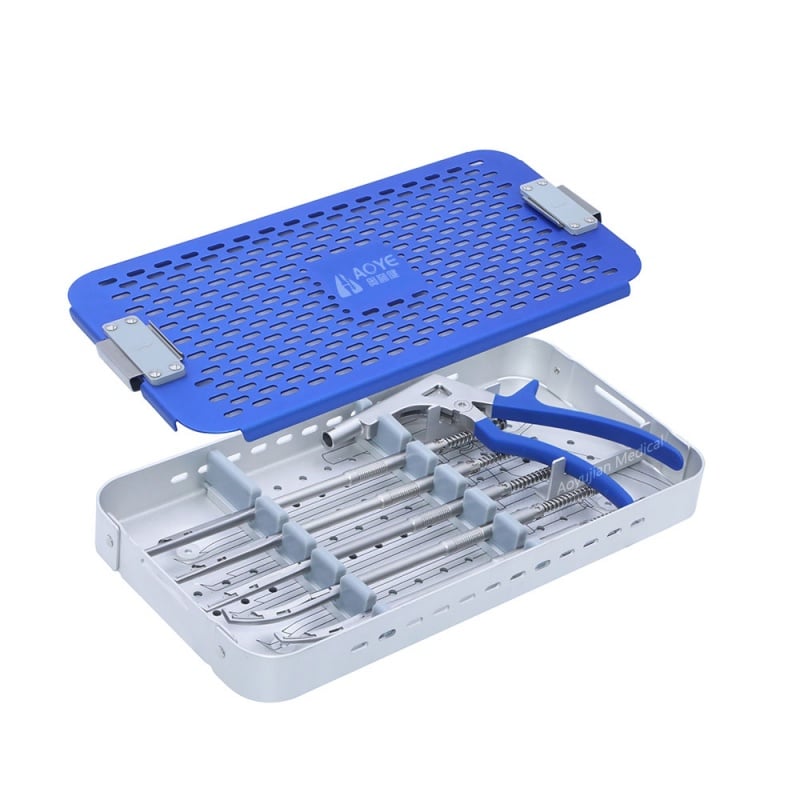
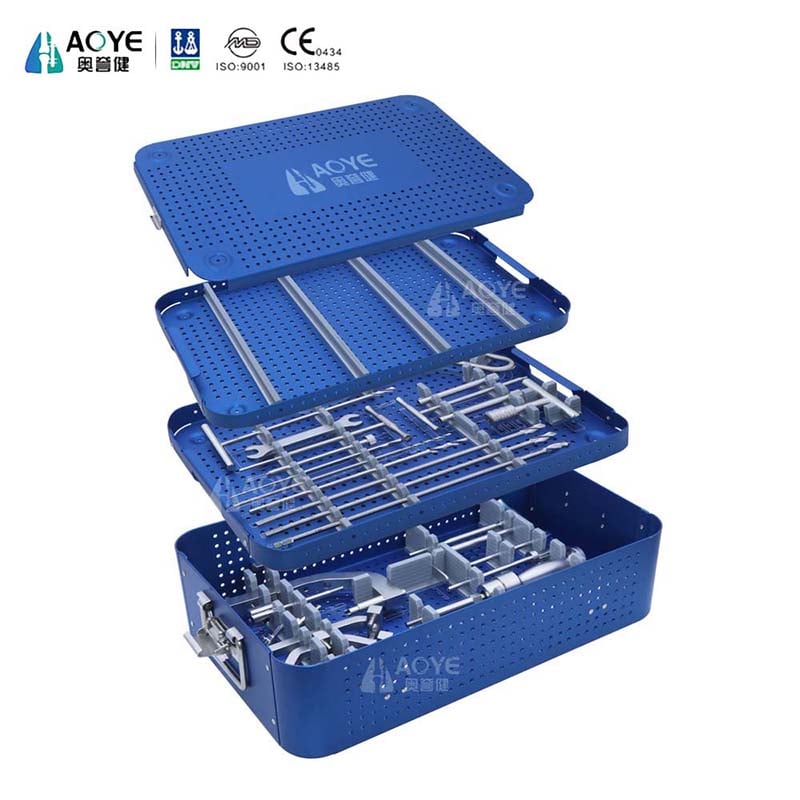
When considering orthopedic solutions, orthofix external fixators play a vital role in stabilizing fractures and deformities. These devices provide external support during the healing process, which is crucial for effective recovery. For B2B buyers such as purchasing managers, distributors, and medical professionals, understanding the specifications, sourcing, and common challenges associated with orthopedic instruments set external fixators is essential. This article will guide you through the key considerations for selecting these devices, ensuring informed purchasing decisions.
When selecting orthofix external fixators for wholesale, several factors are essential for ensuring product efficacy and compliance with industry standards. First, consider the intended application—whether for trauma, spine surgery, or sports medicine. Each application may require specific designs and features to optimize patient outcomes.
Another critical aspect is regulatory compliance. Ensure that the products meet ISO13485 and CE certifications, which indicate adherence to international quality management systems and safety standards. This compliance not only reflects on the product quality but also assures your customers of their reliability.
Pricing is also a key factor. Understand the cost structure, taking into account minimum order quantities (MOQ), lead times, and potential discounts for bulk purchases. Buyers should assess the total cost of ownership, including shipping, customs duties, and potential returns.
Lastly, customization options should not be overlooked. Many orthopedic applications require specific configurations to fit individual patient needs. Engage with manufacturers to explore custom solutions that can meet unique specifications.
For importers and distributors, understanding the technical specifications of Aoye orthofix external fixators is crucial. Key specifications include:
Material Composition: Typically made from high-strength aluminum or titanium, the choice of material affects weight, strength, and biocompatibility. Titanium, for example, is favored for its corrosion resistance and strength-to-weight ratio.
Dimensions and Load Capacity: Specifications such as the diameter of the rods, distance between pins, and overall dimensions should match the intended use case. Ensuring the load capacity aligns with the clinical requirements is critical to prevent failure during use.
Pin and Clamp Design: The design of the fixation pins and clamps impacts stability and ease of application. For example, self-tapping pins may offer easier insertion and better fixation in bone.
Weight and Ergonomics: The overall weight of the external fixator system influences patient comfort and mobility. A lighter design can enhance patient compliance during recovery.
Finish and Coating: Surface treatments can improve biocompatibility and reduce the risk of infection. Understanding the different coatings available can help ensure optimal performance in a clinical setting.
Distributors should verify these specifications with the manufacturer to ensure they meet the needs of healthcare providers effectively.
Sourcing orthofix external fixators requires careful consideration of suppliers and their capabilities. Start by identifying reputable manufacturers with a proven track record in the orthopedic surgical instruments industry. Aoyujian Medical, for instance, is recognized for its ISO13485/CE certified products, serving partners in 45 countries.
When evaluating potential suppliers, request detailed product catalogs, pricing information, and lead times. It’s beneficial to establish a relationship with suppliers who can offer flexible customization options and responsive customer service.
Additionally, consider the supplier's production capacity. Understanding their ability to scale production based on demand can prevent supply chain disruptions. Ask about their quality control processes, as this ensures that every batch meets the necessary safety and performance standards.
Lastly, don’t overlook the importance of visiting the manufacturing facility if possible. This can provide insights into their production processes, equipment, and overall capability to meet your needs.
While Aoye orthofix external fixators are reliable, they can present common challenges that buyers should be aware of. One frequent issue is pin site infection, which can occur if proper hygiene is not maintained. To mitigate this risk, ensure that the external fixator is designed with easily accessible pin sites for cleaning and that it comes with clear instructions for postoperative care.
Another problem can be instability due to inadequate fixation. Ensuring that the pins are correctly placed and that the fixator is properly assembled is crucial. Buyers should look for systems that offer clear guidelines and support for clinicians during application.
Furthermore, mechanical failure can arise from the use of substandard materials or incorrect specifications. To avoid this, verify that the products undergo rigorous testing and conform to the required strength standards. As a buyer, insist on quality inspection reports as part of the procurement process.
Lastly, communication with the manufacturer can help address any concerns about product variations or specific application needs. Effective collaboration can lead to better solutions for any arising issues.
The material used in Aoye orthofix external fixators significantly impacts their performance and suitability for different applications. Common materials include aluminum and titanium, each with distinct advantages.
Aluminum: Lightweight and cost-effective, aluminum fixators are easier to handle during application. They provide adequate strength for many medical orthopedic equipment procedures but may not be suitable for all high-load cases.
Titanium: Known for its strength, corrosion resistance, and biocompatibility, titanium is often preferred in more demanding applications. Its higher cost is justified by its durability and lower risk of infection.
When selecting materials, buyers should consider factors such as the anticipated load, patient comfort, and the potential for allergic reactions. Discussing these requirements with manufacturers can lead to better-informed decisions regarding material selection.
By understanding these material advantages, buyers can align their product choices with the specific needs of healthcare providers and their patients, ultimately enhancing treatment outcomes.
Aoyujian Medical Technology provides trusted orthopedic solutions, high-quality implants, OEM/ODM services, and global shipping for hospitals & distributors.
No. 2 Changting Road, Gehu Farm, Wujin Economic Development Zone, Changzhou, Jiangsu, China
Copyright © Aoyujian Medical Technology (Changzhou) Co., Ltd. All Rights Reserved - Privacy Policy - Blog
 EN