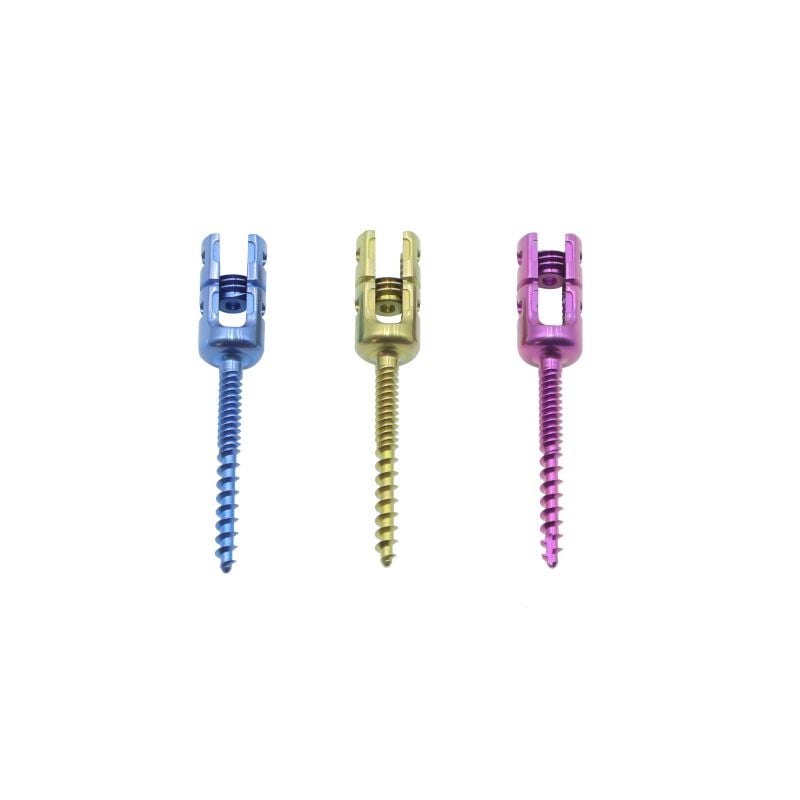
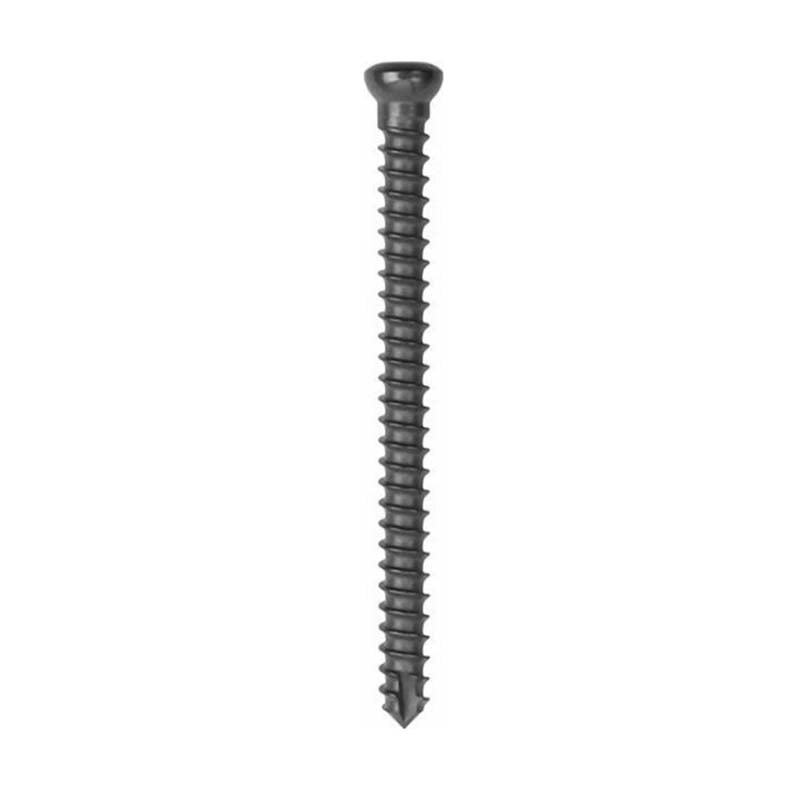
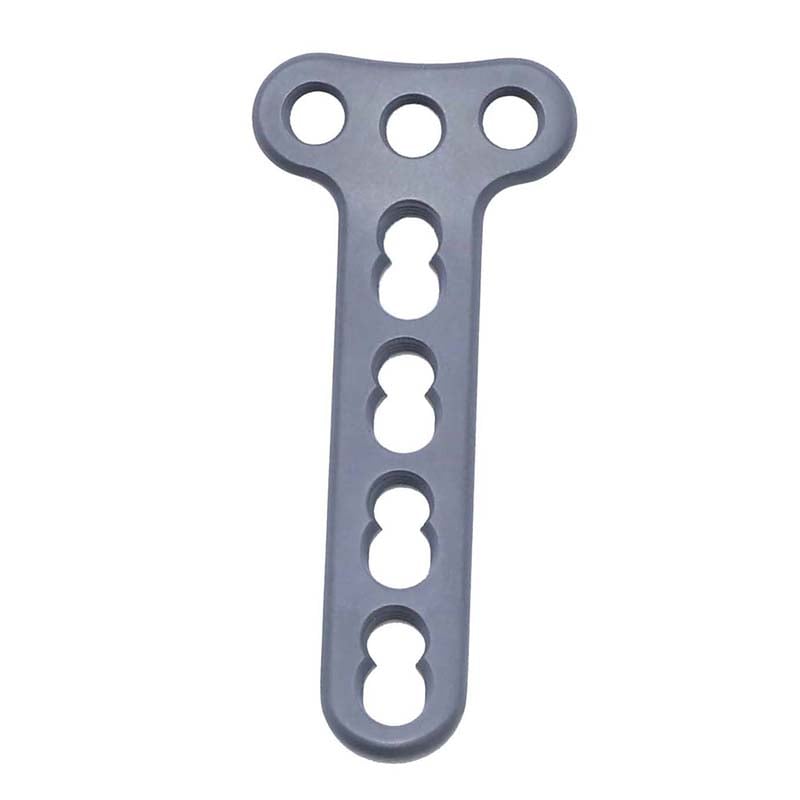
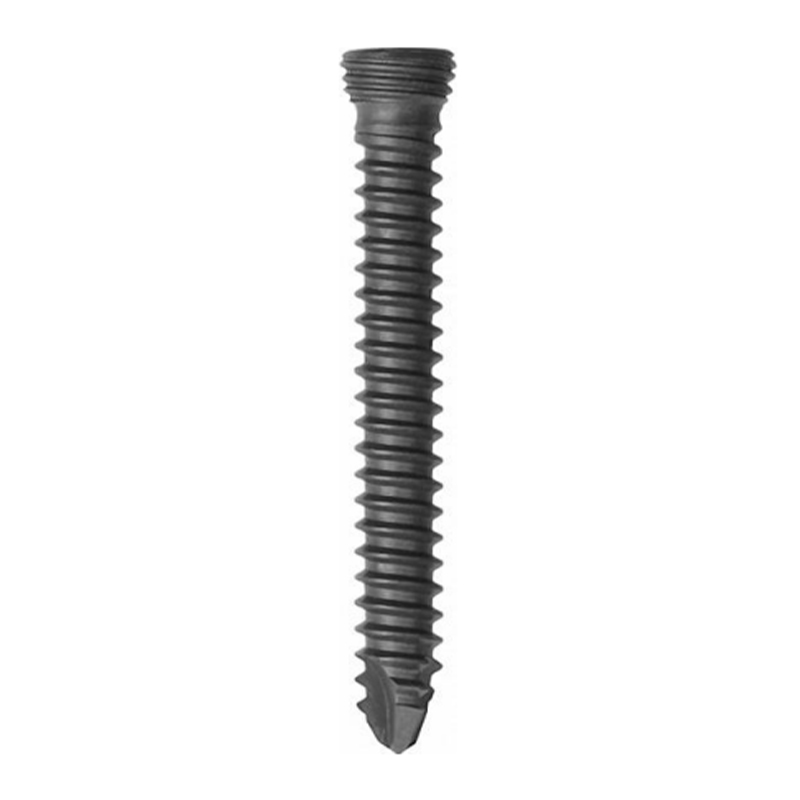
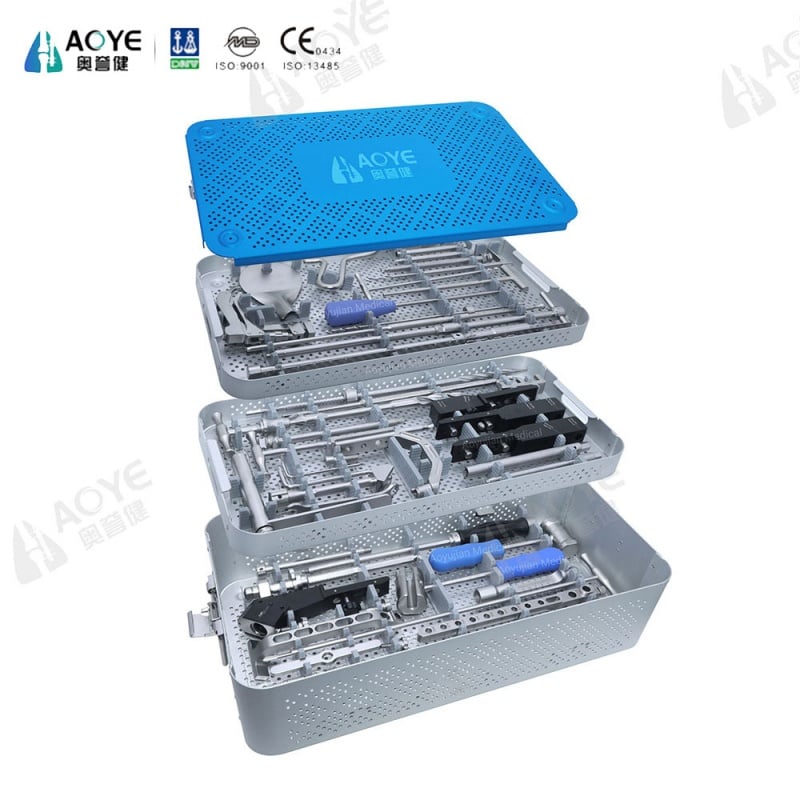
When sourcing components for orthopedic applications, one critical element to consider is the orthopedic bone screw. These screws are essential for securing bone fragments and facilitating healing in various medical procedures. Buyers often face concerns regarding quality, material selection, and supplier reliability. This article provides insights into sourcing high-quality orthopedic titanium bone screw comparing options, quality control measures, material advantages, and common issues faced in the industry.
Sourcing orthopedic bone screws requires careful consideration of suppliers who demonstrate expertise in manufacturing and meet international standards. Aoyujian Medical, an ISO13485/CE certified manufacturer, is a notable option, having successfully served partners in 45 countries. When evaluating suppliers, consider factors such as their manufacturing capabilities, product range, and previous export experience.
Buyers should also look for suppliers that offer transparency in their production processes, including access to technical specifications and the ability to provide samples for evaluation. Establishing a direct line of communication can also facilitate understanding of lead times, pricing, and customization options, which is essential for large wholesale orders.
When comparing orthopedic bone screws, focus on key specifications that affect functionality and compatibility with surgical applications. Important factors include:
Material Composition: Common materials include titanium and stainless steel, each offering unique benefits regarding strength, biocompatibility, and corrosion resistance. Titanium is often preferred for its lightweight and non-reactive properties, while stainless steel provides durability.
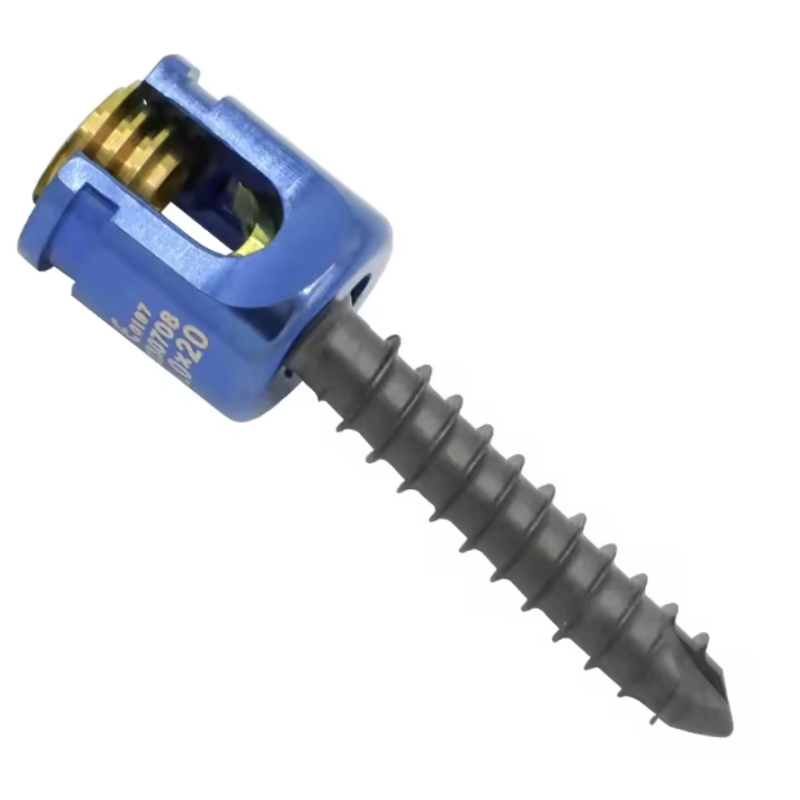
Screw Dimensions: Length, diameter, and thread design are crucial for ensuring proper fit and stability in bone fixation. It’s important to match the screw dimensions to the specific requirements of the surgical procedure.
Coatings and Surface Treatments: Some screws feature coatings that enhance biocompatibility or reduce friction during insertion. Understanding the implications of these treatments on performance can guide your selection.
Load Specifications: Depending on the application, the screw must withstand certain loads without failure. Ensure that the selected screws meet these requirements based on your project needs.
Gathering this information allows buyers to make informed comparisons and select the most suitable orthopedic bone drill machine for their projects.
Quality control is paramount in the manufacturing of orthopedic bone screws. Aoyujian Medical employs rigorous quality assurance measures throughout the production process to maintain high standards. These measures include:
Material Verification: Ensuring that raw materials meet specified standards before production begins is critical. This can involve chemical analysis and mechanical testing.
In-Process Inspections: Regular inspections during manufacturing can catch issues early, ensuring that dimensional tolerances and surface finishes are adhered to.
Final Quality Checks: Before shipment, screws should undergo comprehensive testing to verify that they meet performance specifications. This may include load testing and biocompatibility assessments.
Traceability: Each batch of screws should be traceable back to the materials used and the production conditions. This is essential for addressing any potential quality issues post-distribution.
By working with suppliers who prioritize quality control, buyers can reduce the risk of complications arising from inferior products.
The material used in orthopedic bone screws significantly influences their performance and suitability for different applications. Here are some commonly used materials and their advantages:
Titanium Alloys: Known for their excellent strength-to-weight ratio and corrosion resistance, titanium alloys are frequently used in orthopedic applications. They are also biocompatible, making them suitable for implantation in the human body.
Stainless Steel: This material is widely used due to its high tensile strength and durability. It is also cost-effective and readily available, but it may not offer the same level of corrosion resistance as titanium.
Bioactive Glass Coated Screws: Emerging technologies have led to the development of screws coated with bioactive glass, which can enhance bone integration and promote faster healing.
When selecting materials, consider the specific application requirements, such as load-bearing needs, environmental exposure, and patient biocompatibility.
Despite their critical role in orthopedic procedures, bone screws can encounter several challenges. Being aware of these issues allows buyers to implement effective solutions:
Screw Loosening: This can occur due to inadequate thread design or incorrect insertion techniques. Ensuring proper screw selection and training surgical staff can mitigate this risk.
Corrosion: Exposure to bodily fluids can lead to corrosion, particularly with stainless steel screws. Opting for corrosion-resistant materials like titanium or employing protective coatings can help reduce this risk.
Breakage: Insufficient load capacity or improper installation can lead to screw breakage. Buyers should ensure that the selected screws meet the required load specifications and that surgical teams are trained in proper insertion techniques.
Infection Risks: Contamination during the bone saw orthopedic surgical procedure can lead to infections. Utilizing high-quality, sterilized products and adhering to strict surgical protocols can help minimize this risk.
By understanding these common problems and their solutions, buyers can enhance the reliability of orthopedic procedures involving bone screws.
sourcing quality orthopedic bone screws involves a careful evaluation of materials, specifications, and supplier capabilities. By focusing on these key areas, buyers can make informed decisions that contribute to successful surgical outcomes.
Aoyujian Medical Technology provides trusted orthopedic solutions, high-quality implants, OEM/ODM services, and global shipping for hospitals & distributors.
No. 2 Changting Road, Gehu Farm, Wujin Economic Development Zone, Changzhou, Jiangsu, China
Copyright © Aoyujian Medical Technology (Changzhou) Co., Ltd. All Rights Reserved - Privacy Policy - Blog
 EN