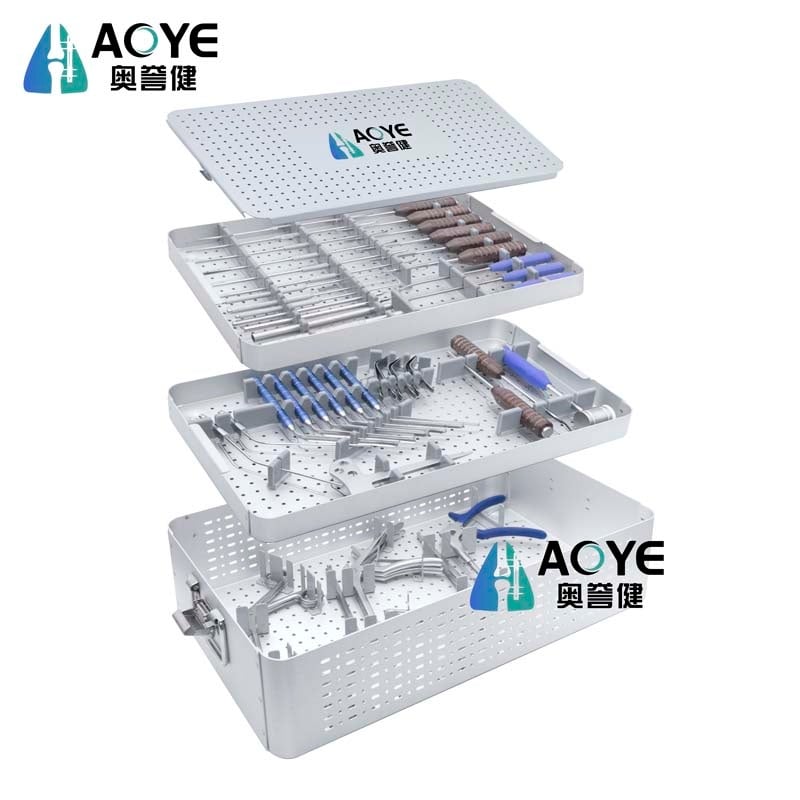
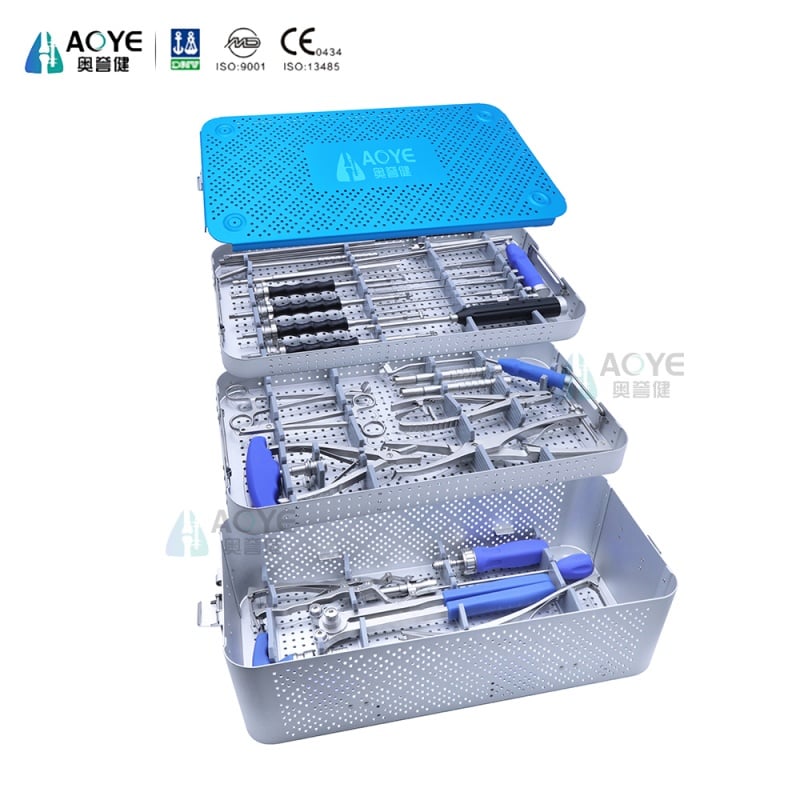
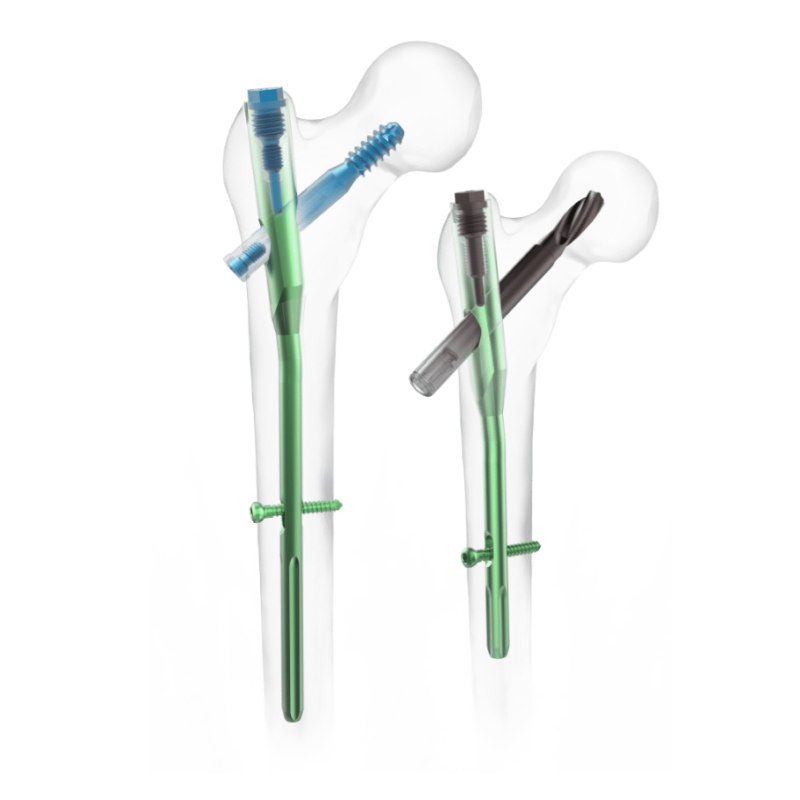
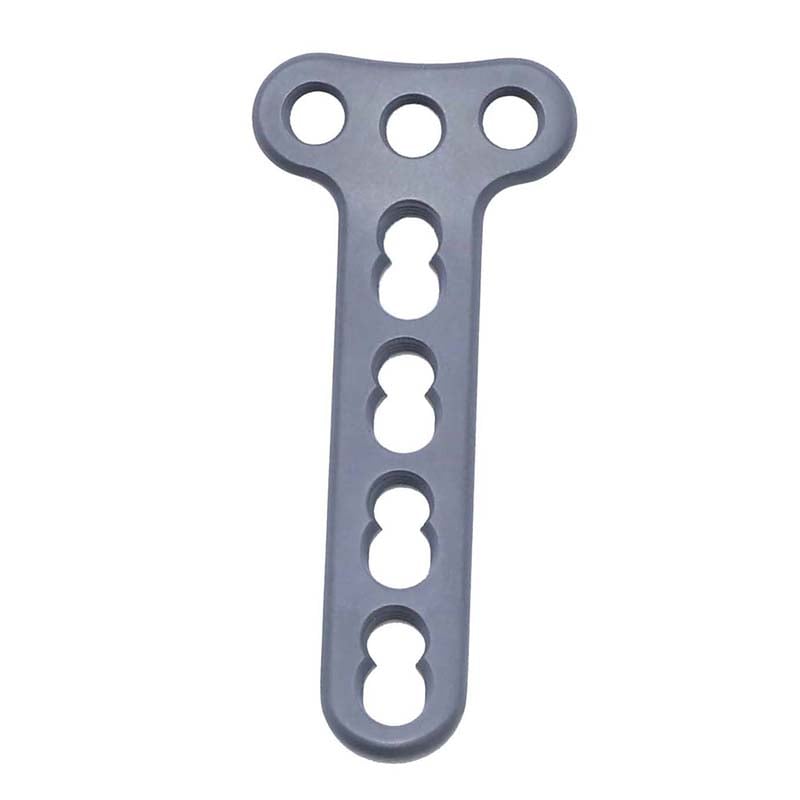
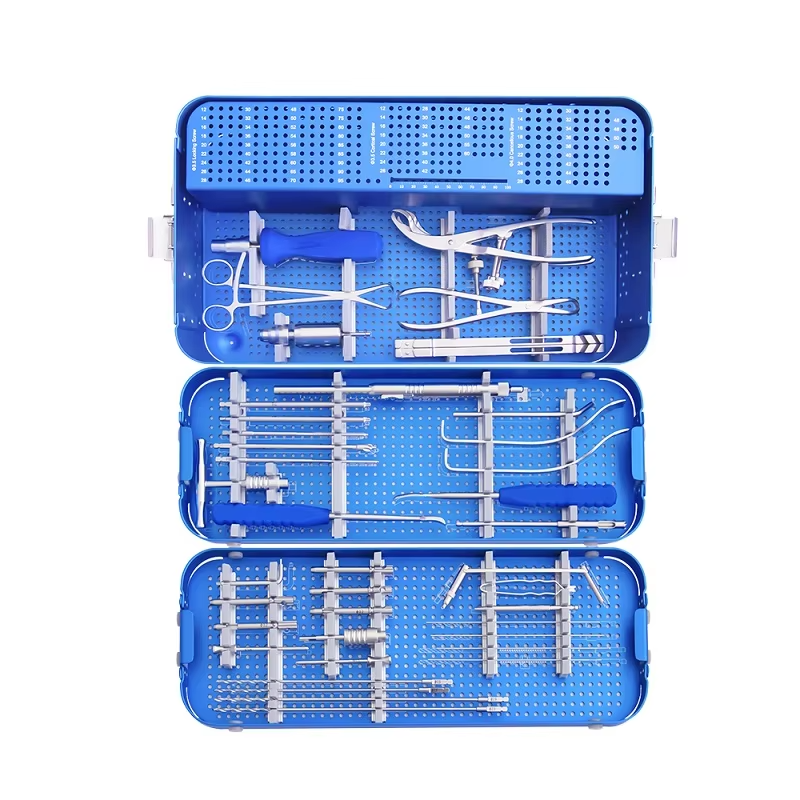
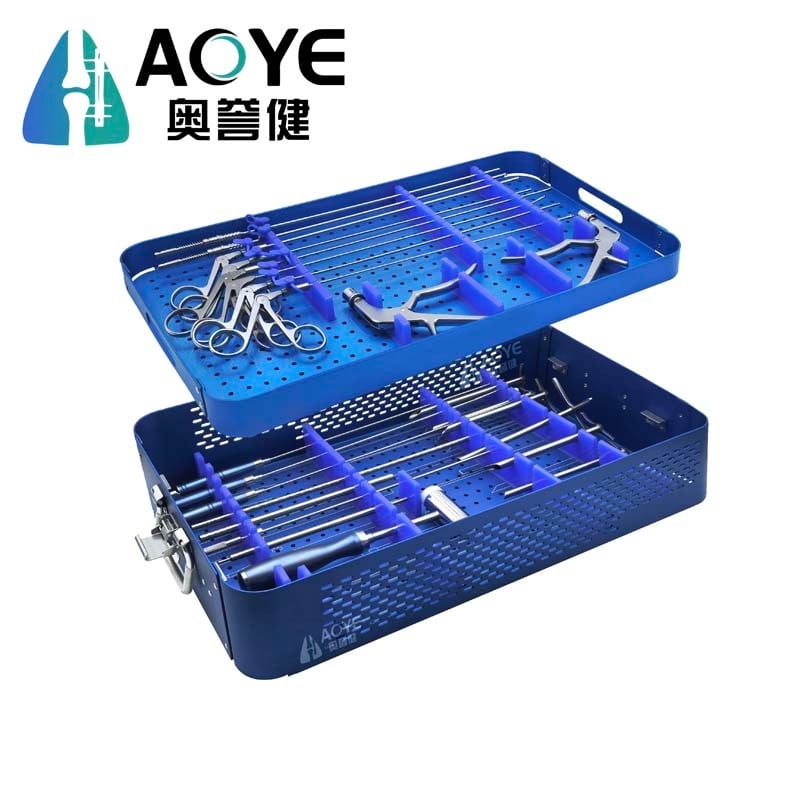
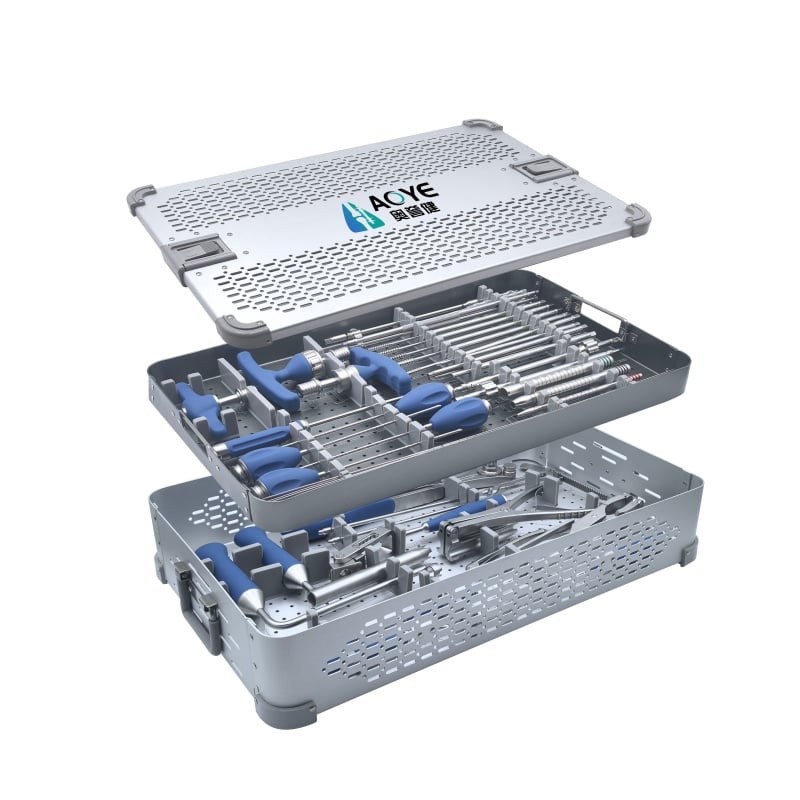
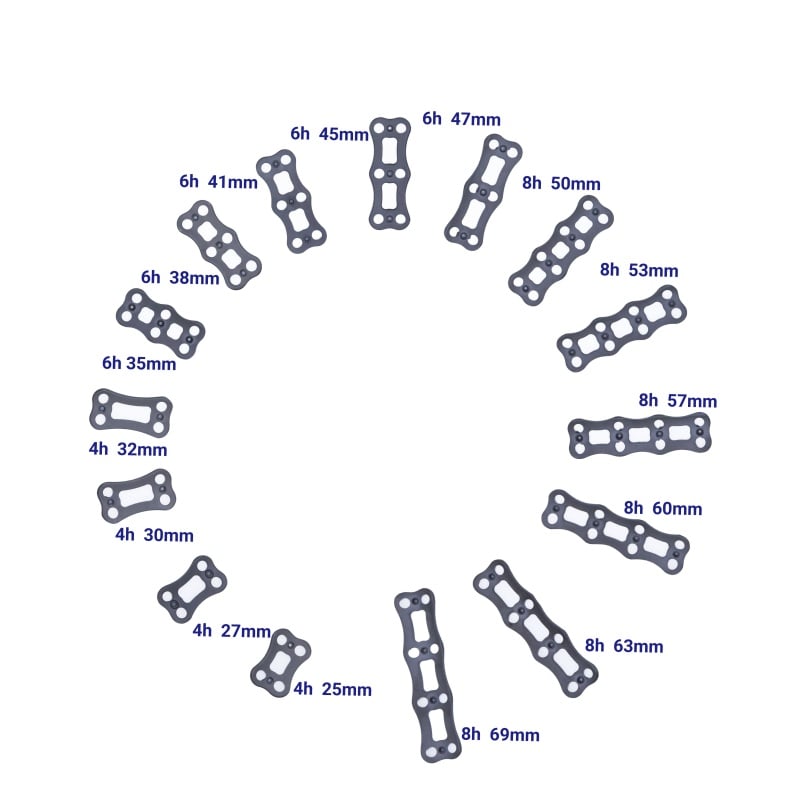
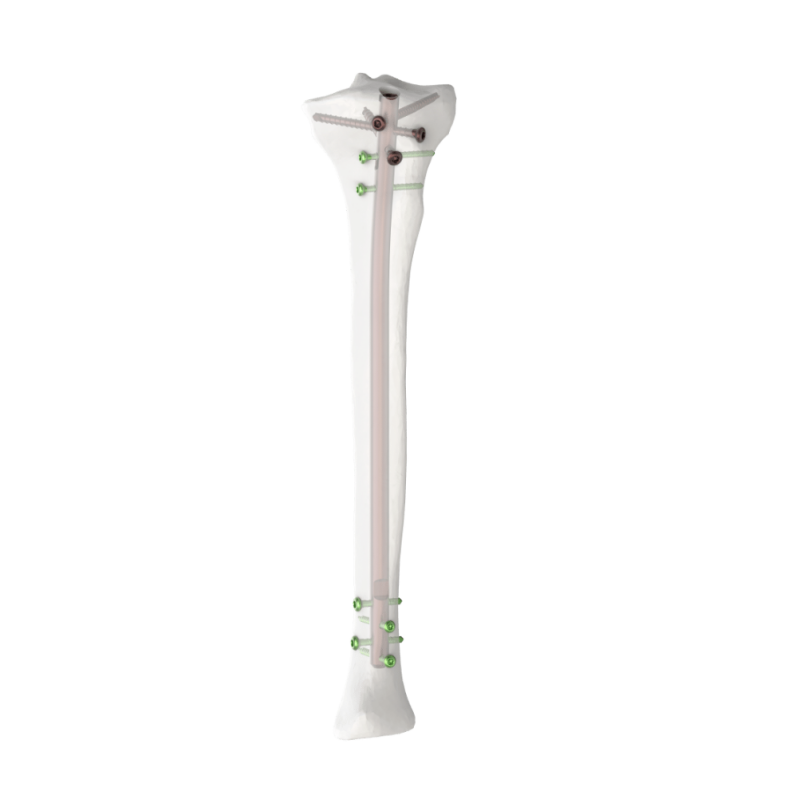
In the field of healthcare, orthopedic equipment plays a critical role in the diagnosis, treatment, and rehabilitation of musculoskeletal conditions. As a professional Chinese manufacturer of orthopedic implants and instruments, Aoyujian Medical understands the importance of selecting reliable suppliers in this sector. Buyers, including purchasing managers and healthcare professionals, often face challenges such as product quality, compliance with standards, and cost-effective purchasing. This article aims to guide you through the process of choosing dependable orthopedic machine suppliers, evaluating quality standards, understanding material advantages, and considering cost factors.
Selecting a reliable supplier for orthopedic equipment is paramount to ensuring patient safety and treatment efficacy. Here are several key considerations:
Certification and Compliance: Look for manufacturers that hold certifications such as ISO13485 and CE. These certifications indicate compliance with international quality management standards and regulatory requirements, ensuring the products meet safety and performance expectations.
Experience and Reputation: Evaluate the supplier's experience in the orthopedic field. A manufacturer with a proven track record in producing orthopedic implants and instruments is more likely to understand the nuances of quality and performance. Checking customer testimonials and industry reputation can provide valuable insights.
Product Range and Customization: Suppliers should offer a comprehensive range of orthopedic products, including trauma, spine, and sports medicine devices. Additionally, inquire about customization capabilities to meet specific clinical needs or preferences.
Quality Control Processes: Understand the quality control measures implemented by the supplier. This includes testing procedures, material inspections, and batch tracking. A robust quality assurance system is essential for consistent product quality.
Technical Support and Communication: Reliable suppliers should provide excellent customer service and technical support. This includes being responsive to inquiries and capable of assisting with product selection and usage.
Quality standards are the backbone of orthopedic equipment manufacturing. Here are some critical aspects to evaluate:
Material Specifications: The materials used in orthopedic implants and instruments should possess specific characteristics, such as biocompatibility, strength, and durability. Common materials include titanium, stainless steel, and polymers. Understanding the suitability of these materials for particular applications is essential.
Manufacturing Processes: Different manufacturing processes, such as forging, machining, and additive manufacturing, affect the performance and reliability of orthopedic surgical instruments. Assessing the manufacturing capabilities of a supplier can provide insight into their production quality.
Testing and Certifications: Products should undergo rigorous testing to meet international standards. Certifications from recognized organizations can ensure that the equipment has been thoroughly evaluated for safety and performance.
Traceability: Effective traceability systems allow manufacturers to track products from raw material sourcing through production to final delivery. This is crucial for managing recalls and ensuring accountability.
Post-Market Surveillance: Reliable manufacturers often engage in post-market surveillance to monitor the performance of their products in clinical settings. This feedback loop is vital for continuous improvement and addressing potential issues.
Before making a purchasing decision, it is essential to gather comprehensive information about the orthopedic equipment you require. Here are some important factors to consider:
Product Specifications: Make sure to clarify the required specifications, including dimensions, load capacities, and material types. Each of these factors can significantly impact the equipment's performance.
Application Suitability: Understanding the specific applications for the orthopedic equipment is crucial. For example, trauma implants may require different characteristics than spinal devices, such as flexibility or rigidity.
Compatibility: Ensure that the equipment is compatible with existing surgical tools and systems. Compatibility can affect the overall success of procedures and patient outcomes.
Lead Times: Inquire about lead times for production and delivery. Knowing how quickly a supplier can fulfill an order is critical for planning and inventory management.
Minimum Order Quantities (MOQ): Understanding the MOQ can help in budgeting and ensuring that you can meet your operational needs without overcommitting.
The choice of material in orthopedic equipment can greatly influence its performance and longevity. Here are common materials and their advantages:
Titanium: Known for its strength-to-weight ratio and biocompatibility, titanium is a preferred choice for many orthopedic implants. It is resistant to corrosion and has a high fatigue strength, making it ideal for load-bearing applications.
Stainless Steel: Often used for instruments and implants, stainless steel is durable and provides good mechanical properties. However, its susceptibility to corrosion in certain environments should be considered.
Polymeric Materials: Polymers can be advantageous for specific applications, such as joint replacements and soft tissue implants. They often provide flexibility and can be designed to mimic the properties of natural tissues.
Ceramics: While less common, ceramics may be used for certain orthopedic applications due to their hardness and wear resistance. They are often utilized in joint replacements but require careful handling due to brittleness.
Composite Materials: Combining different materials can enhance performance characteristics. For example, composite implants can provide the strength of metals while reducing weight, making them suitable for various applications.
Understanding the cost factors involved in purchasing orthopedic equipment can help you make informed decisions. Here are key considerations:
Material Costs: The choice of materials significantly impacts price. High-performance materials such as titanium or specialized polymers may be more expensive but can offer better outcomes and longevity.
Manufacturing Costs: Different production processes can vary in cost. For instance, complex manufacturing methods may increase the price due to higher labor and machinery costs.
Customization Costs: If customization is required to meet specific clinical needs, be prepared for potential increases in cost. Custom designs often require additional engineering and validation efforts.
Volume Discounts: Larger orders may qualify for volume discounts. When planning purchases, consider whether consolidating orders could yield cost savings.
Maintenance and Replacement Costs: Evaluate the long-term costs associated with maintenance and potential replacements. Investing in higher-quality equipment may reduce overall costs by minimizing repairs and replacements.
By understanding these factors, buyers can navigate the complexities of purchasing orthopedic equipment more effectively, ensuring that they select products that align with their clinical needs and budget constraints.
Aoyujian Medical Technology provides trusted orthopedic solutions, high-quality implants, OEM/ODM services, and global shipping for hospitals & distributors.
No. 2 Changting Road, Gehu Farm, Wujin Economic Development Zone, Changzhou, Jiangsu, China
Copyright © Aoyujian Medical Technology (Changzhou) Co., Ltd. All Rights Reserved - Privacy Policy - Blog
 EN