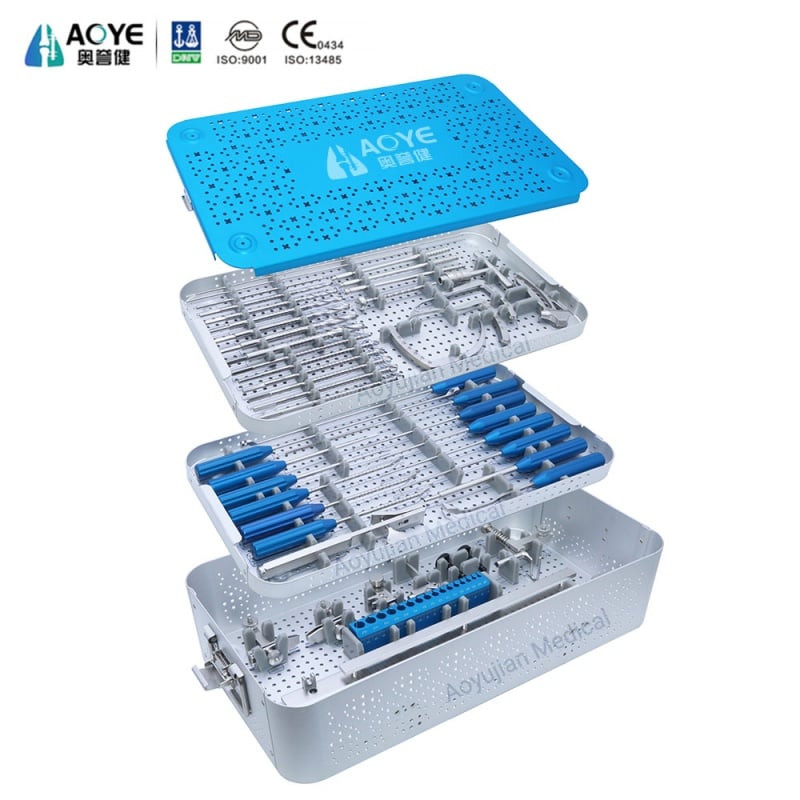
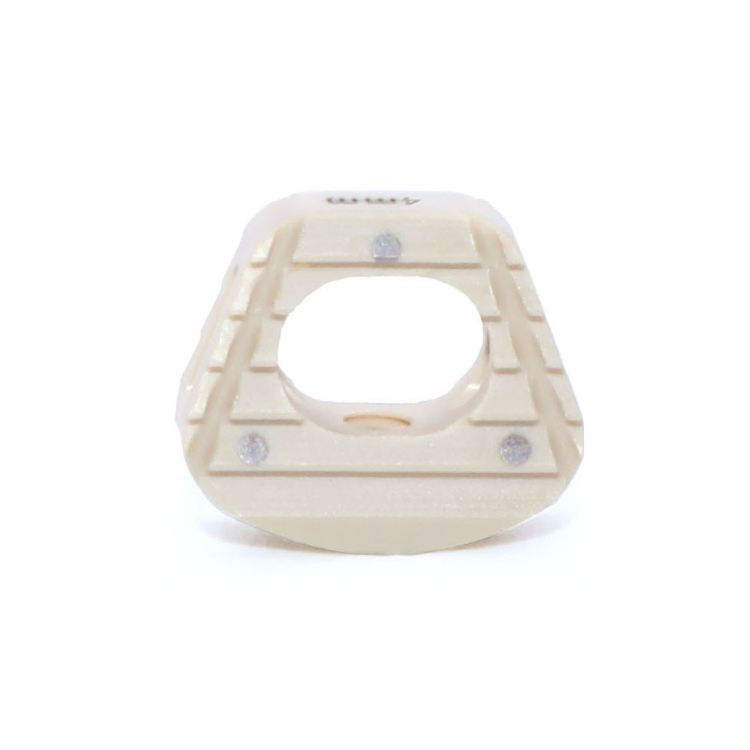
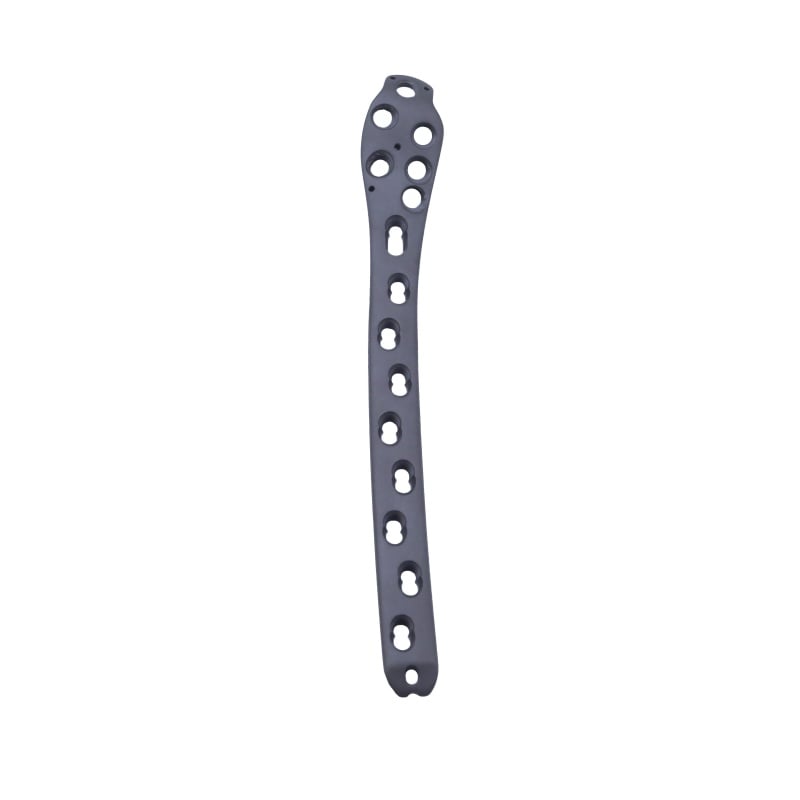
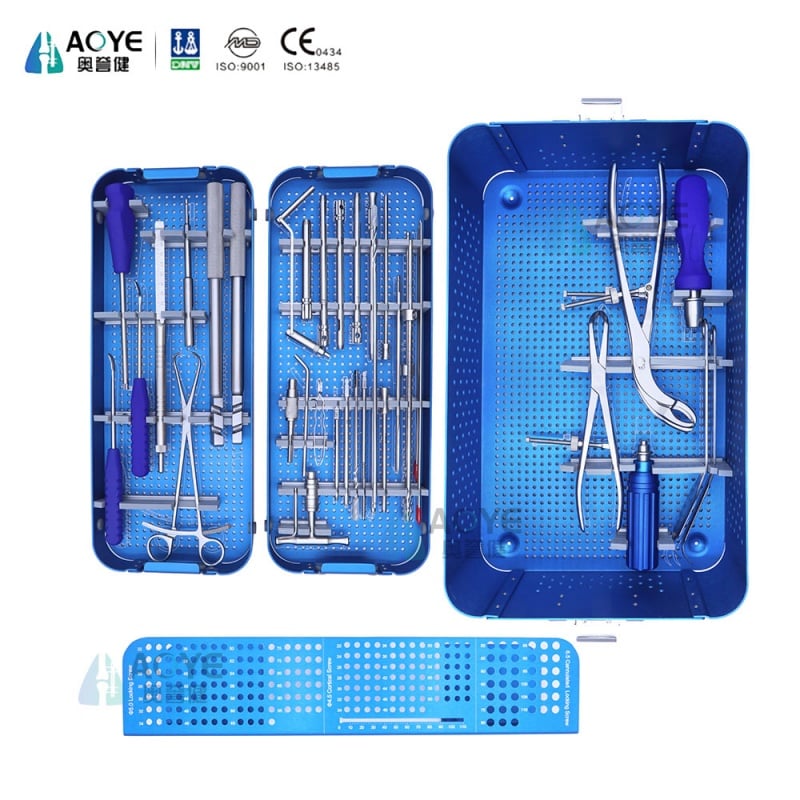
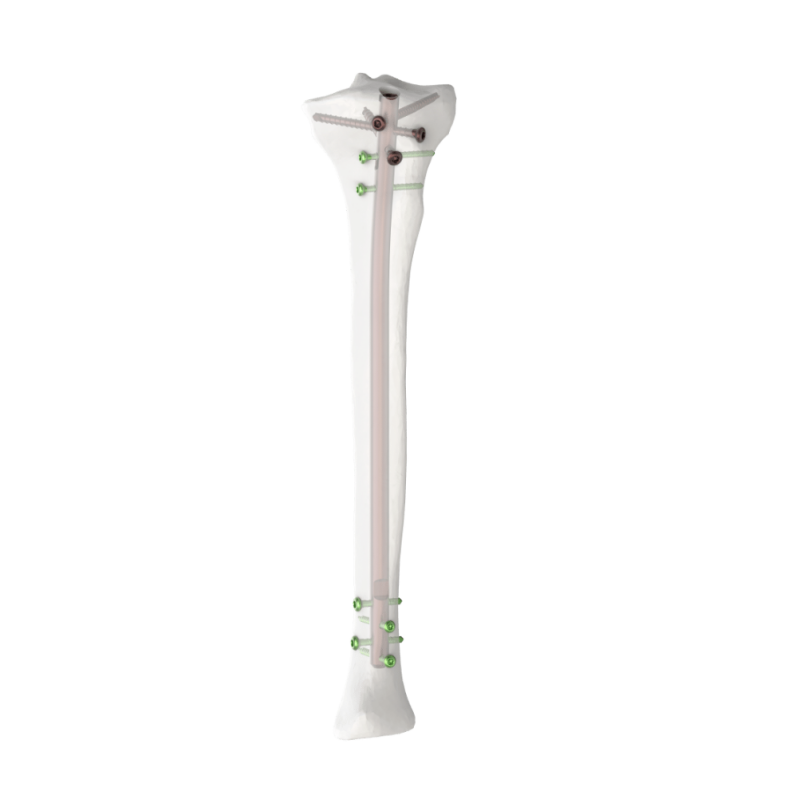
When it comes to selecting orthopedic equipment, having a comprehensive orthopedic equipment list is crucial for healthcare professionals and procurement managers alike. This list includes various implants and instruments essential for trauma, spine, and sports medicine applications. Understanding the specifications, materials, and applications of these products can help ensure that the right equipment is chosen, significantly impacting patient outcomes and operational efficiency. This article will guide you through the key considerations for selecting orthopedic equipment, comparing product specifications, addressing common issues, and exploring the materials and applications pertinent to trauma and sports medicine.
Selecting the right orthopedic equipment involves several considerations. Firstly, assess the specific medical applications you need to address. Are you focusing on trauma, spinal surgeries, or sports medicine? Each area has unique requirements and equipment types. Next, evaluate the specifications of the products. Important factors include the dimensions, material strengths, and compatibility with existing surgical tools and protocols.
Additionally, consider the certification and quality standards of the equipment. For instance, Aoyujian Medical is ISO13485 and CE certified, ensuring that their products meet stringent quality and safety standards. Buyers should verify these certifications when evaluating potential suppliers.
Another critical factor is customization. Many orthopedic procedures require tailored solutions. Ensure the manufacturer can accommodate custom designs based on specific surgical needs, which may involve unique dimensions or specialized materials.
Lastly, engage with your surgical team to gather their input on preferred equipment based on past experiences and specific case requirements. This collaboration will ensure that the equipment aligns with clinical expectations.
When comparing orthopedic products, focus on several key specifications that influence performance and suitability:
Material Composition: The choice of materials, such as titanium, stainless steel, or biocompatible polymers, affects the implant's strength, corrosion resistance, and overall functionality. Titanium, for instance, is favored for its strength-to-weight ratio and biocompatibility.
Dimensions and Load Requirements: Each orthopedic implant must meet specific load-bearing requirements, which will vary based on the application. For example, spinal implants often need to withstand higher loads than trauma implants. Verify that the dimensions specified by the manufacturer align with the requirements of your surgical procedures.
Surface Treatments: Some products incorporate advanced surface treatments to enhance osseointegration or reduce friction. Understanding these treatments can help inform your choice, particularly in demanding applications like orthopedic trauma or spinal fusion.
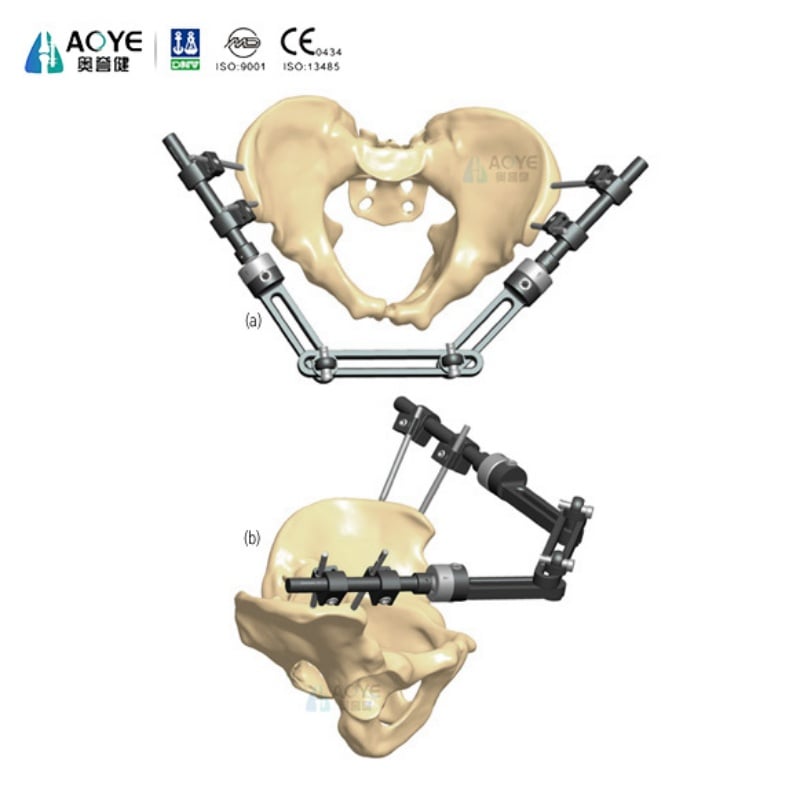
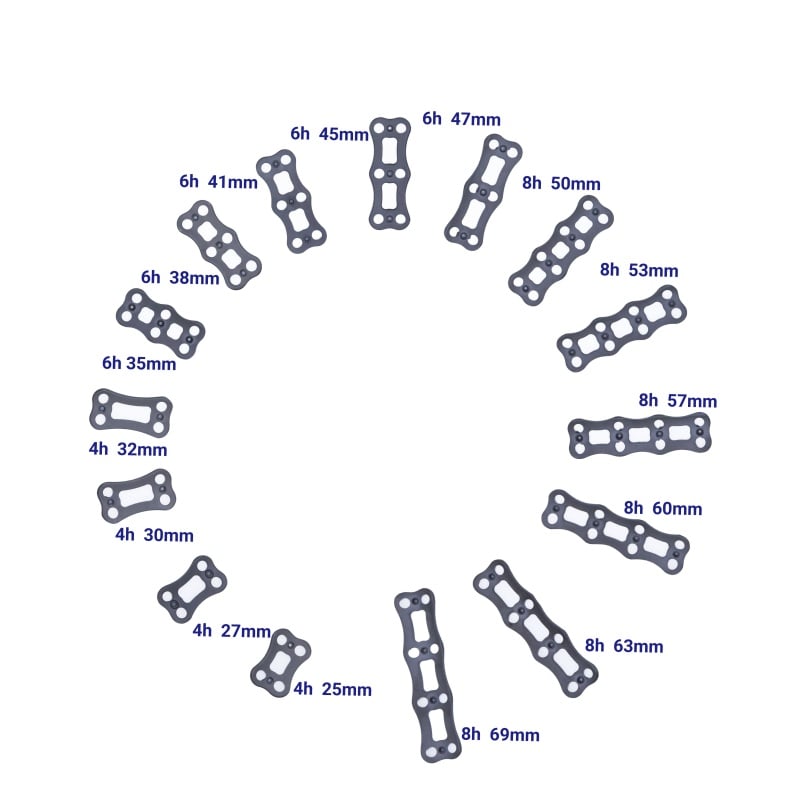
Product Variations: Leading manufacturers often provide a range of sizes and configurations for each type of implant. This diversity allows for better fit and adaptation to individual patient anatomies. Always check the orthopedic external fixator available variations to ensure that you can customize as needed.
Comparing these specifications will help you make an informed decision when selecting orthopedic products that meet your specific needs.
Despite rigorous quality control, issues can arise with orthopedic equipment. Some common problems include:
Misalignment During Surgery: If instruments are not designed for precise alignment, this may lead to improper placement of implants. To mitigate this, ensure that your purchasing specifications include detailed tolerances and that you request demonstrations of the equipment's alignment functionalities.
Material Incompatibility: Using incompatible materials can cause adverse reactions in patients. Always confirm that the materials used are suitable for the intended application and have a proven track record in similar procedures.
Difficulties in Sterilization: Some orthopedic instruments may be challenging to sterilize effectively, raising infection risks. Discuss cleaning and sterilization protocols with your supplier to ensure that the equipment can withstand repeated sterilization cycles without degrading.
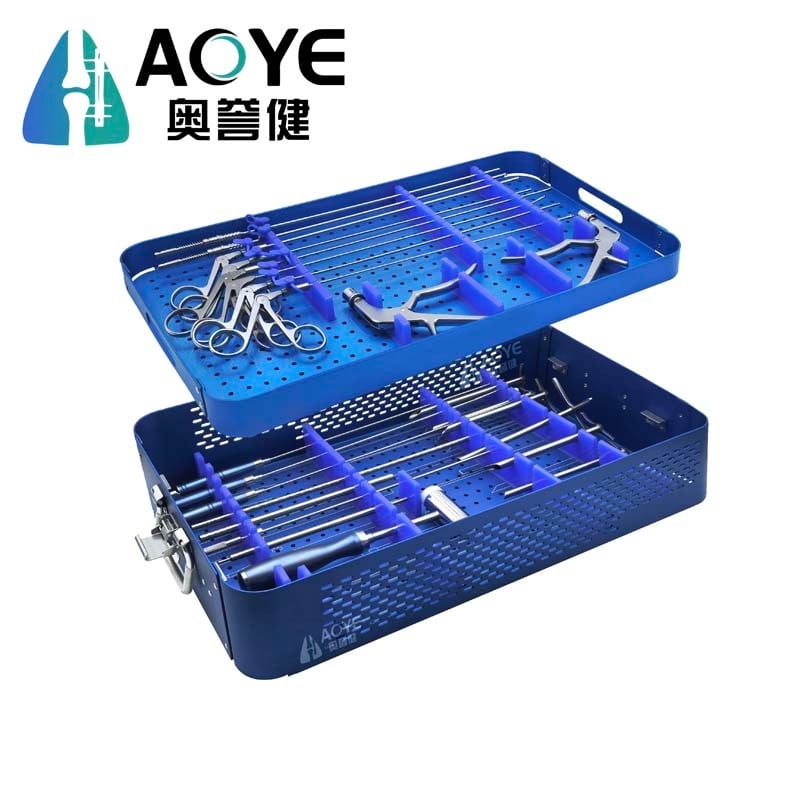
Inadequate Packaging: Proper packaging is vital for maintaining the orthopedic medical devices integrity of orthopedic instruments during transport. Ensure that your supplier uses packaging that protects against physical damage and contamination.
Addressing these common issues upfront can streamline the procurement process and enhance the reliability of the orthopedic equipment you choose.
Understanding the material advantages of orthopedic equipment is crucial for making informed purchasing decisions. Aoyujian Medical focuses on high-quality materials that enhance performance and patient outcomes.
Titanium: Known for its excellent strength-to-weight ratio and biocompatibility, titanium is widely used in orthopedic implants. Its corrosion resistance makes it suitable for long-term implantation.
Stainless Steel: This material is often chosen for its durability and cost-effectiveness. However, it may not provide the same level of biocompatibility as titanium, which can be a consideration in sensitive applications.
Biocompatible Polymers: In certain applications, polymers are employed to reduce the risk of adverse reactions. These materials can be tailored for specific functionalities, such as flexibility or enhanced surface interactions.
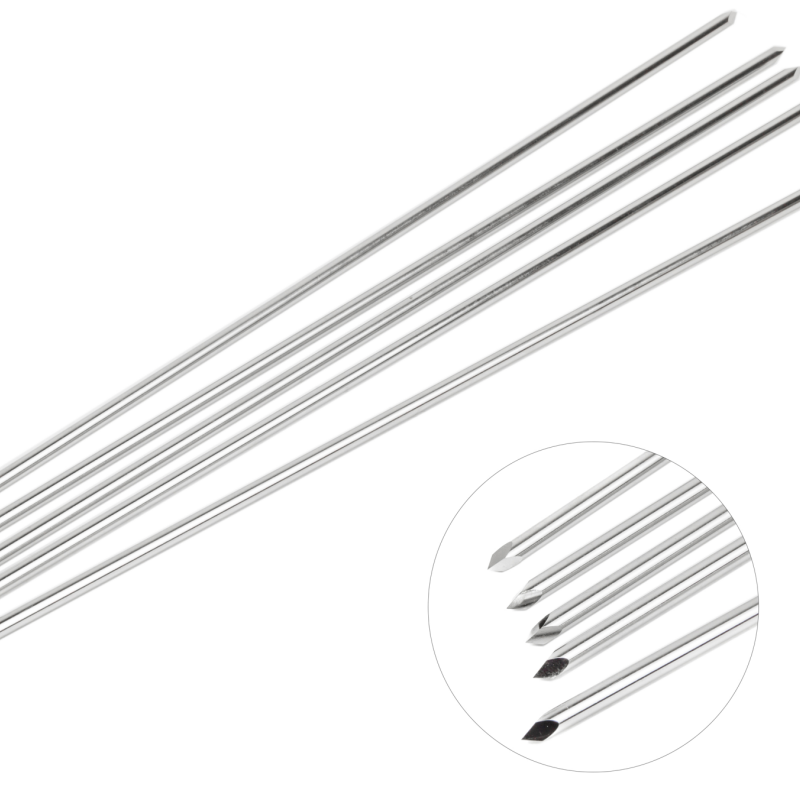
The choice of material directly affects the orthopedic drill bit longevity and effectiveness of orthopedic implants. It is essential to evaluate how each material aligns with the specific requirements of your applications.
Orthopedic equipment plays a vital role in both trauma and sports medicine applications. In trauma, implants and instruments are used to stabilize fractures, realign bones, and support healing. The choice of equipment can vary based on fracture types and locations, necessitating a wide range of options for surgeons.
In sports medicine, orthopedic equipment is employed to address injuries related to physical activity, such as ligament tears or cartilage damage. Here, the focus is often on minimizing recovery time while maximizing functionality post-surgery. This requires advanced materials and designs that support rapid rehabilitation.
Moreover, understanding the specific applications will guide you in selecting the appropriate equipment. For instance, the requirements for a knee reconstruction implant differ significantly from those needed for spinal fusion. Always ensure that your orthopedic equipment list reflects the specific applications relevant to your practice.
By understanding these nuances, you can make more informed decisions when it comes to sourcing orthopedic equipment, ensuring that your selections meet both clinical and patient needs effectively.
Aoyujian Medical Technology provides trusted orthopedic solutions, high-quality implants, OEM/ODM services, and global shipping for hospitals & distributors.
No. 2 Changting Road, Gehu Farm, Wujin Economic Development Zone, Changzhou, Jiangsu, China
Copyright © Aoyujian Medical Technology (Changzhou) Co., Ltd. All Rights Reserved - Privacy Policy - Blog
 EN