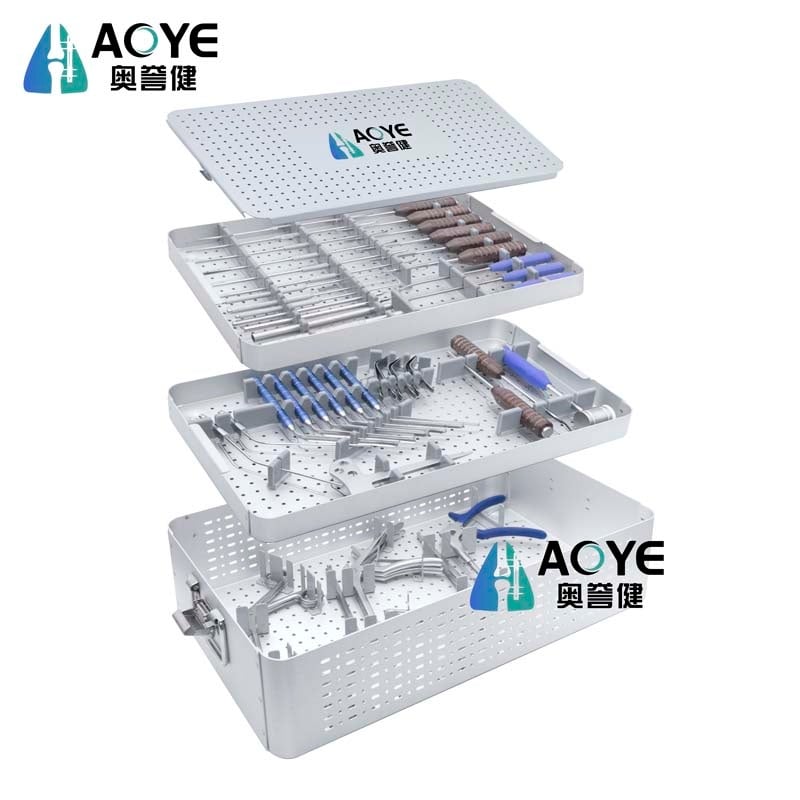
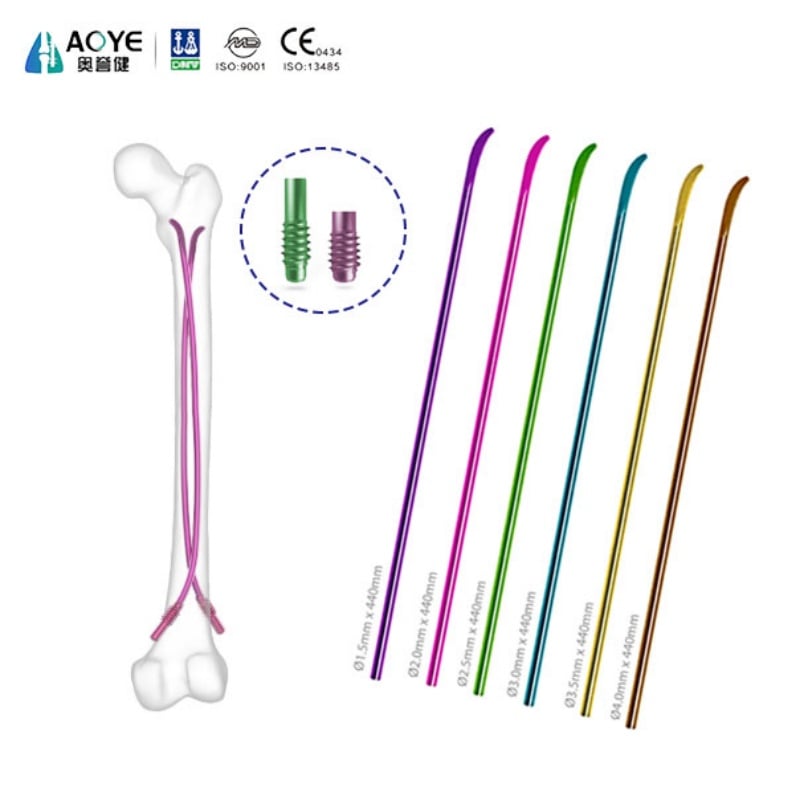
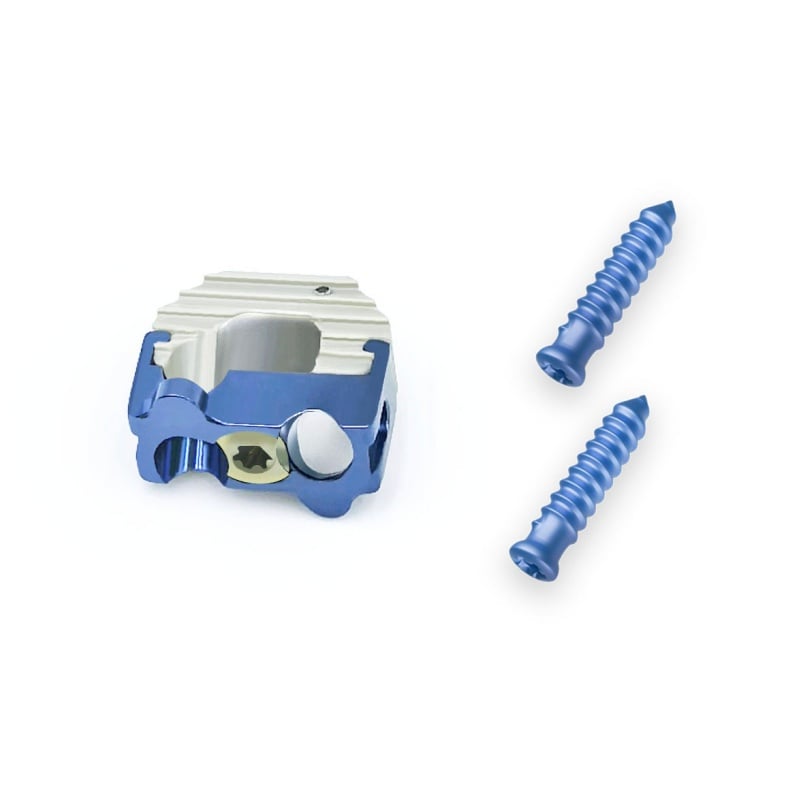
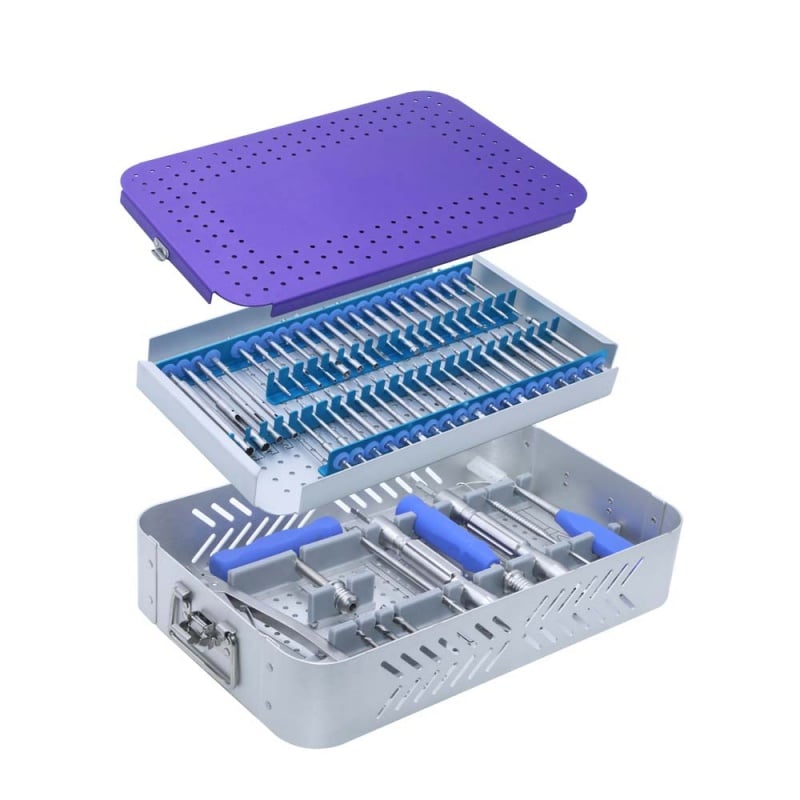
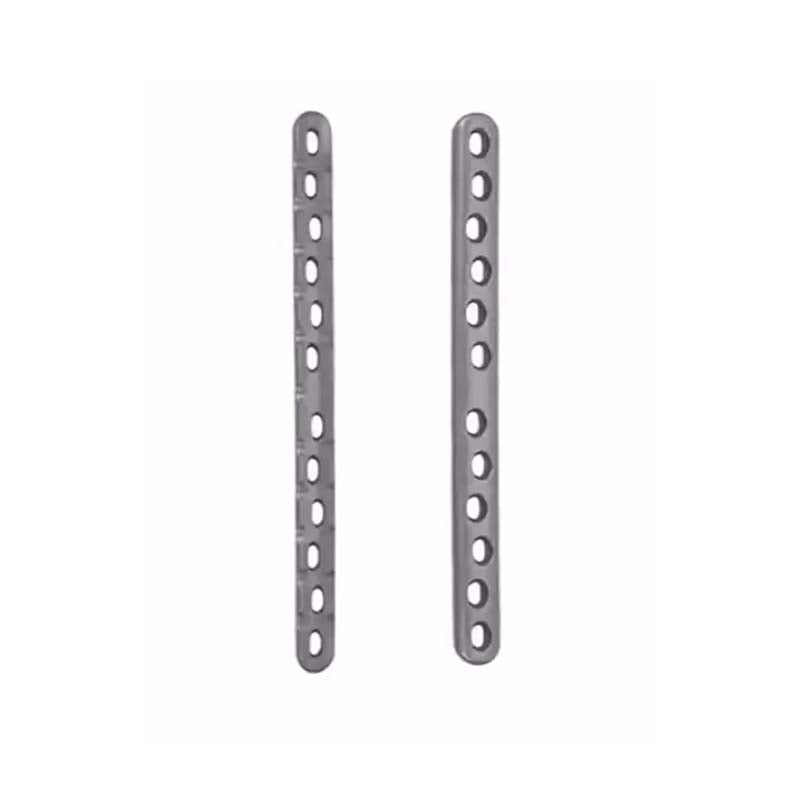
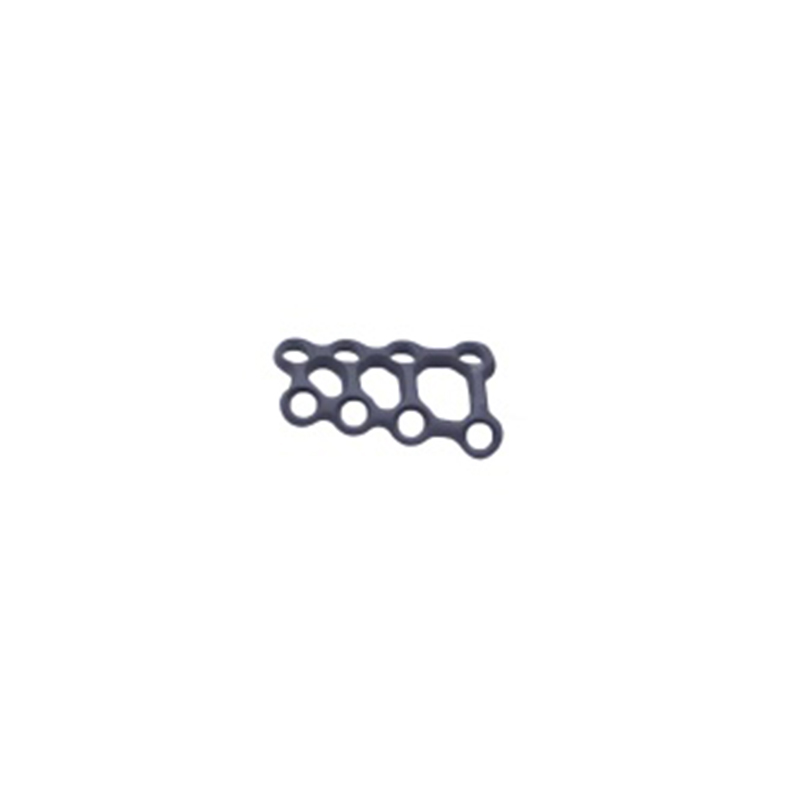
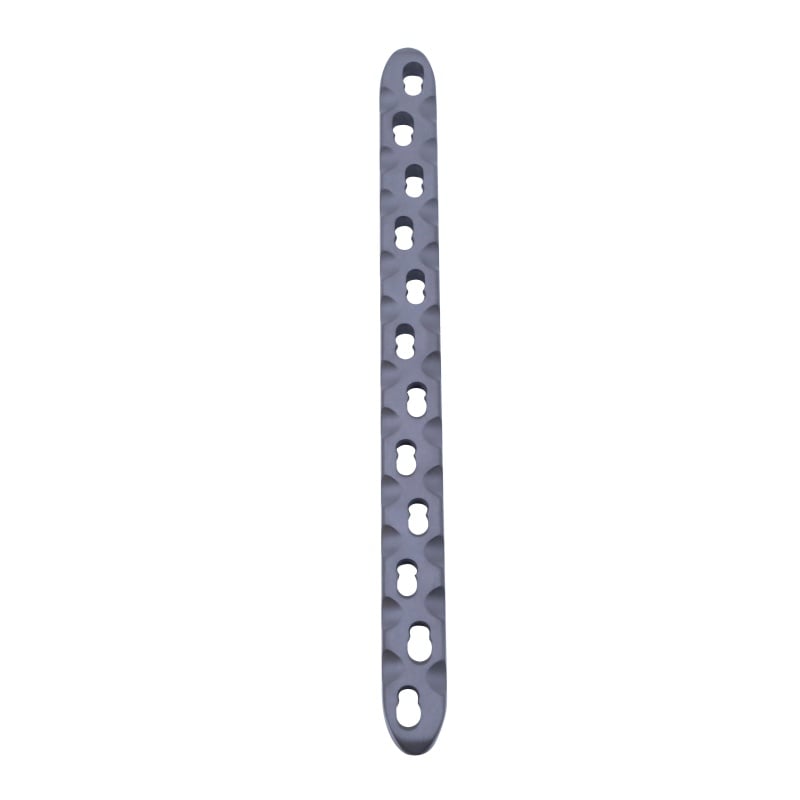
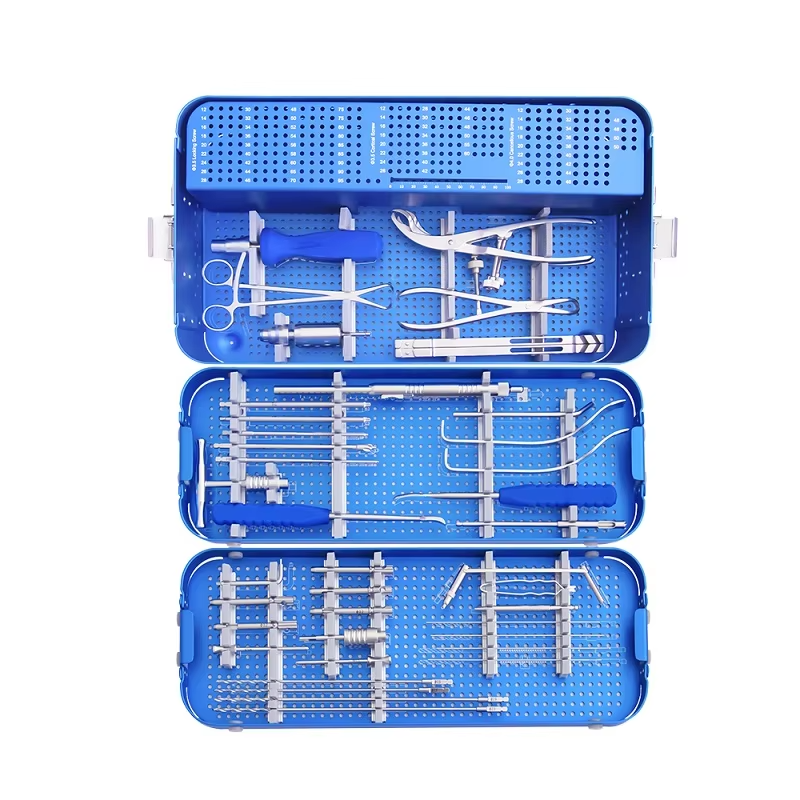
Orthopedic implants plates are critical components in modern surgical procedures aimed at stabilizing bone fractures and supporting healing. These plates are designed to provide structural support and are tailored for various applications, including trauma, spine, and sports medicine. For B2B buyers, such as purchasing managers and distributors, understanding the specifications, sourcing options, cost factors, and potential issues associated with orthopedic implant plates is vital to making informed decisions. This article will help you navigate these considerations effectively.
When sourcing orthopedic implant plates, several key specifications should be evaluated to ensure optimal performance and compatibility with surgical procedures.
Material Composition: Common materials include stainless steel and titanium. Stainless steel offers strength and corrosion resistance, while titanium is favored for its biocompatibility and lower weight. Buyers should confirm the material’s suitability based on the patient's specific needs and the type of procedure.
Dimensions: The dimensions of orthopedic plates, including length, width, and thickness, are critical. They must fit the anatomical structure they are intended to stabilize. Careful measurement and verification against surgical requirements are necessary to avoid complications during implantation.
Load-Bearing Capacity: Plates must be designed to withstand the mechanical loads they will encounter in vivo. Buyers should inquire about the load capacity that each plate can handle, particularly in high-stress applications such as orthopedic external fixator trauma.
Surface Finish: The surface finish of the plates affects both the integration with bone and the prevention of infection. A roughened surface can enhance osseointegration, while smooth finishes may be suitable for temporary applications.
Customizability: Many manufacturers, including Aoyujian Medical, offer customization options for orthopedic plates. This can include specific shapes or dimensions tailored to unique patient anatomy, which can significantly improve surgical outcomes.
Each of these specifications plays a vital role in the safety and effectiveness of the orthopedic plates, and they should be confirmed prior to placing an order.
Finding reliable suppliers for orthopedic implant plates involves thorough research and evaluation. Here are some avenues to explore:
Industry Trade Shows: Attending medical device and orthopedic trade shows can provide direct access to manufacturers and suppliers. This face-to-face interaction allows for in-depth discussions about capabilities and product offerings.
Online Directories and Marketplaces: Platforms like Medica and ThomasNet feature a range of suppliers. Buyers can filter results based on certifications, such as ISO13485 and CE, ensuring that they are considering compliant and reputable suppliers.
Recommendations from Medical Professionals: Engaging with orthopedic medical devices surgeons and healthcare professionals can yield valuable insights into which suppliers are trusted within the industry. They can share their experiences regarding product quality and supplier reliability.
Certifications and Quality Assurance: Always verify that potential suppliers hold relevant certifications, such as ISO13485. These certifications indicate adherence to quality management standards and regulatory compliance, which are critical in the medical field.
Previous Client References: Request references or case studies from potential suppliers to gauge their past performance and customer satisfaction. This can provide assurance of their reliability and product quality.
By employing these strategies, buyers can identify trustworthy suppliers that meet their specific needs.
Understanding the cost factors associated with orthopedic implant plates is crucial for making informed purchasing decisions. Key elements influencing pricing include:
Material Costs: The choice of material significantly affects the price. Titanium is typically more expensive than stainless steel due to its superior properties, which may justify the cost in specific applications.
Customization: Customized plates, while beneficial for specific patient cases, often come with higher costs due to the additional design and production processes involved.
Order Quantity: Many manufacturers have a minimum order quantity (MOQ) that can affect pricing. Larger orders may lead to bulk discounts, which can be a deciding factor for purchasing managers.
Production Complexity: Plates requiring intricate designs or advanced manufacturing techniques, such as 3D printing, will incur higher production costs. Buyers should assess whether the complexity aligns with their needs.
Logistics and Shipping: Costs associated with shipping, especially for international orders, can add to the overall expense. Buyers should factor in these costs when calculating the total investment required.
By understanding these cost factors, buyers can better negotiate and budget for their procurement needs.
While orthopedic implant plates are essential for successful surgeries, several common problems can arise during their use. Here are typical issues and how to address them:
Incorrect Sizing: One of the most frequent issues is using a plate that does not fit the patient's anatomy. This can lead to complications such as improper healing or the need for revision surgery. To mitigate this, ensure thorough pre-operative planning and anatomical assessment to select the right plate.
Material Compatibility: Allergic reactions or adverse effects can occur if the material used is incompatible with a patient’s body. Conducting biocompatibility testing and choosing well-established materials can help avoid these issues.
Infection Risk: Surgical site infections can arise from the implantation of orthopedic drills plates. To reduce this risk, ensure that the plates are sterilized correctly and that the surgical environment follows strict aseptic techniques.
Mechanical Failure: Plates may fail due to excessive load or fatigue. Regular monitoring and patient education on activity limitations post-surgery can help prevent overloading the implant.
Plate Migration: In some cases, plates may shift or migrate post-surgery. Proper surgical technique and secure fixation can help minimize this risk.
By being aware of these issues and implementing effective solutions, buyers and healthcare providers can improve patient outcomes and reduce the likelihood of complications.
The choice of material for orthopedic implant plates is fundamental to their performance and longevity. Here are the primary materials used and their advantages:
Stainless Steel: Known for its strength and resistance to corrosion, stainless steel provides excellent load-bearing capabilities. It is often used in trauma applications due to its durability and cost-effectiveness.
Titanium: This material is favored for its lightweight properties and biocompatibility. Titanium plates offer superior corrosion resistance and are less likely to cause allergic reactions, making them ideal for long-term implants.
Coated Materials: Some plates feature specialized coatings to enhance biocompatibility or to promote bone growth. These coatings can facilitate faster healing and better integration with bone tissue.
Polymer-Based Plates: Emerging materials, such as bioresorbable polymers, are being explored for temporary fixation. These plates gradually dissolve in the body, eliminating the need for a second surgery to remove them.
Hybrid Materials: Combining different materials can optimize properties, such as strength and weight. For instance, a titanium plate with a polymer coating may offer both structural integrity and improved interaction with biological tissues.
Understanding the advantages of these materials enables buyers to select the most suitable orthopedic implant plates for specific applications, ensuring optimal patient outcomes.
Aoyujian Medical Technology provides trusted orthopedic solutions, high-quality implants, OEM/ODM services, and global shipping for hospitals & distributors.
No. 2 Changting Road, Gehu Farm, Wujin Economic Development Zone, Changzhou, Jiangsu, China
Copyright © Aoyujian Medical Technology (Changzhou) Co., Ltd. All Rights Reserved - Privacy Policy - Blog
 EN