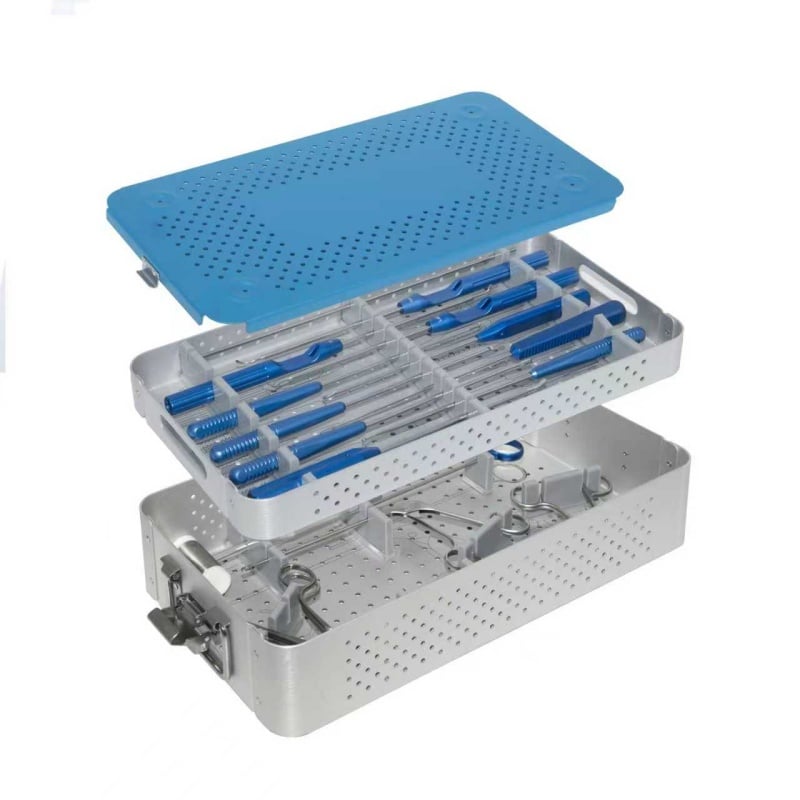
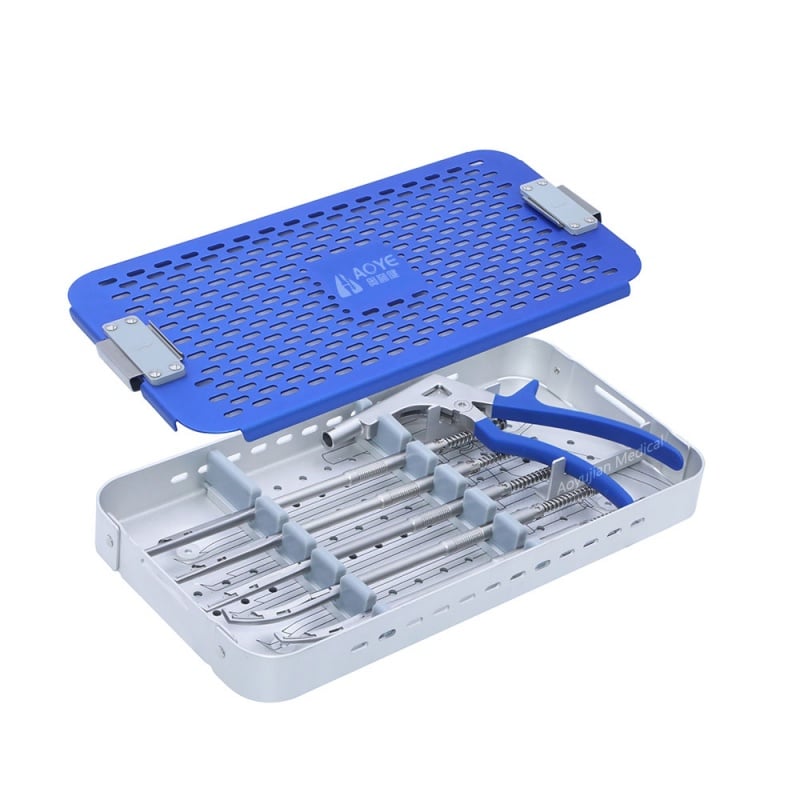
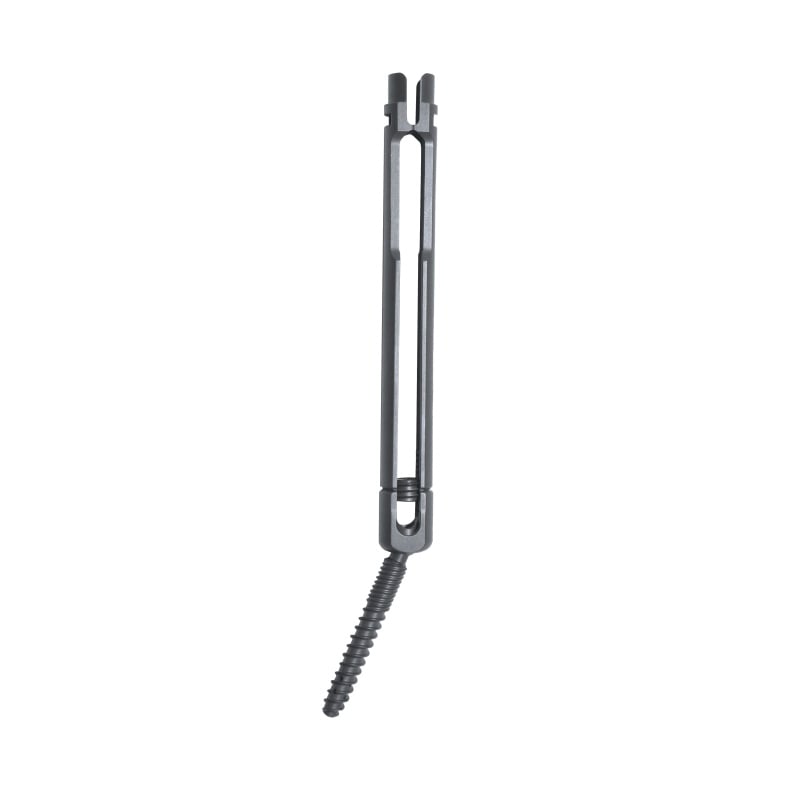
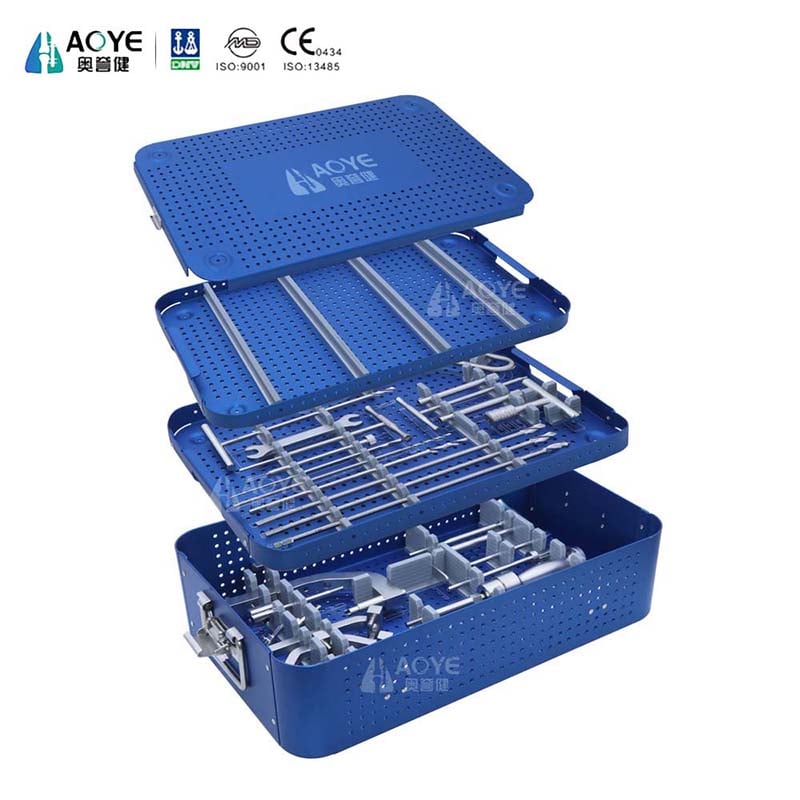
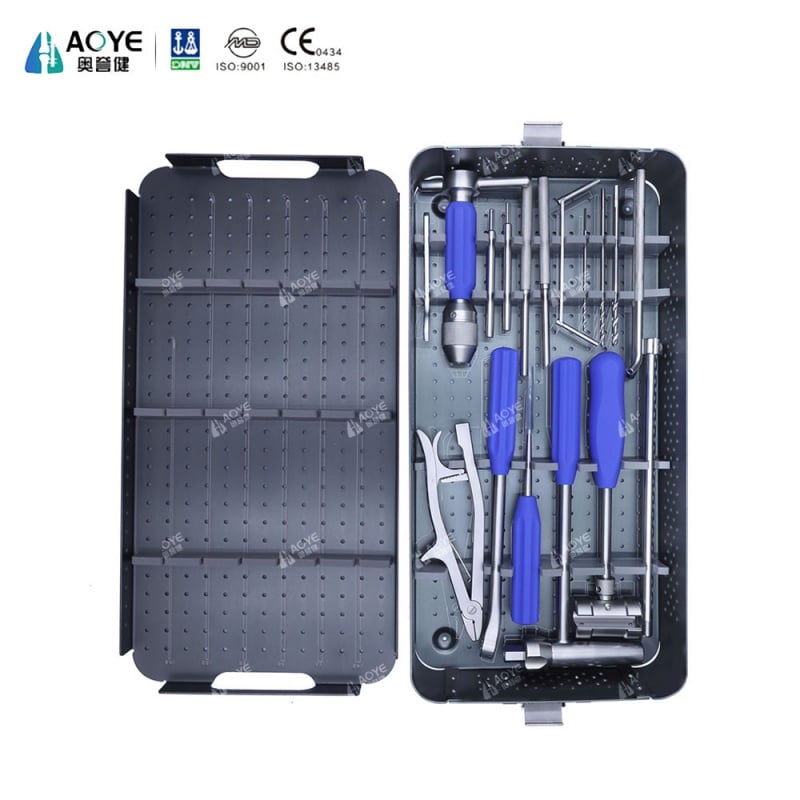
When considering orthopedic implants products for trauma, spine, and sports medicine, B2B buyers face numerous challenges, including product specifications, quality assurance, and supplier reliability. This article will guide purchasing managers, distributors, engineers, and product managers through essential considerations when sourcing orthopedic implants, focusing on key specifications, installation guidance, supplier evaluation, product comparisons, and cost factors.
When sourcing orthopedic implants products, understanding the key specifications is crucial for ensuring compatibility and performance. Important factors include:
Material Composition: Common materials used in orthopedic implants include titanium, stainless steel, and bio-absorbable polymers. Each material offers unique properties such as biocompatibility and strength. For example, titanium is favored for its high strength-to-weight ratio and resistance to corrosion.
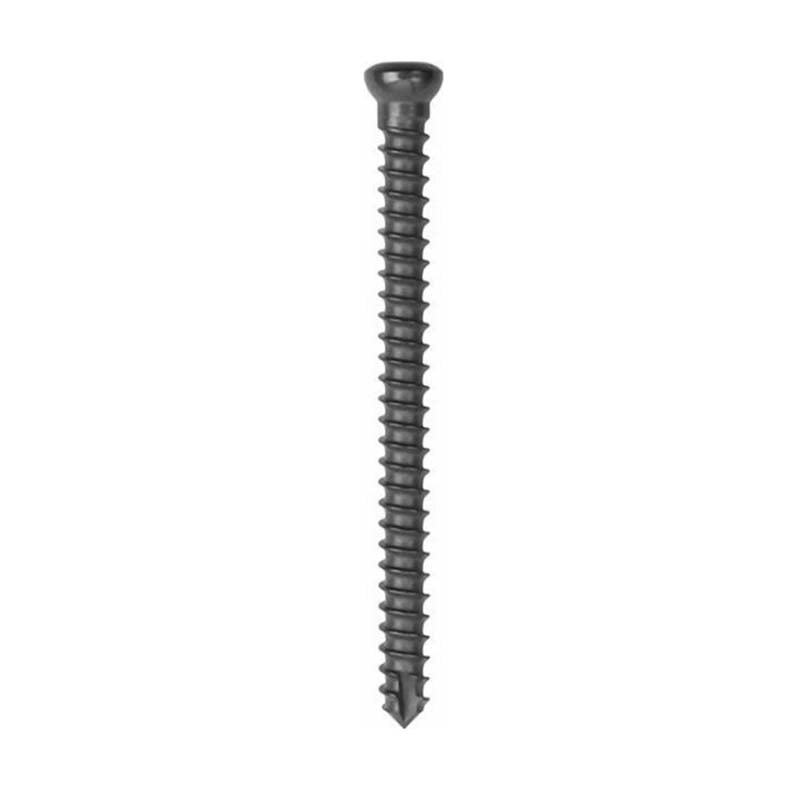
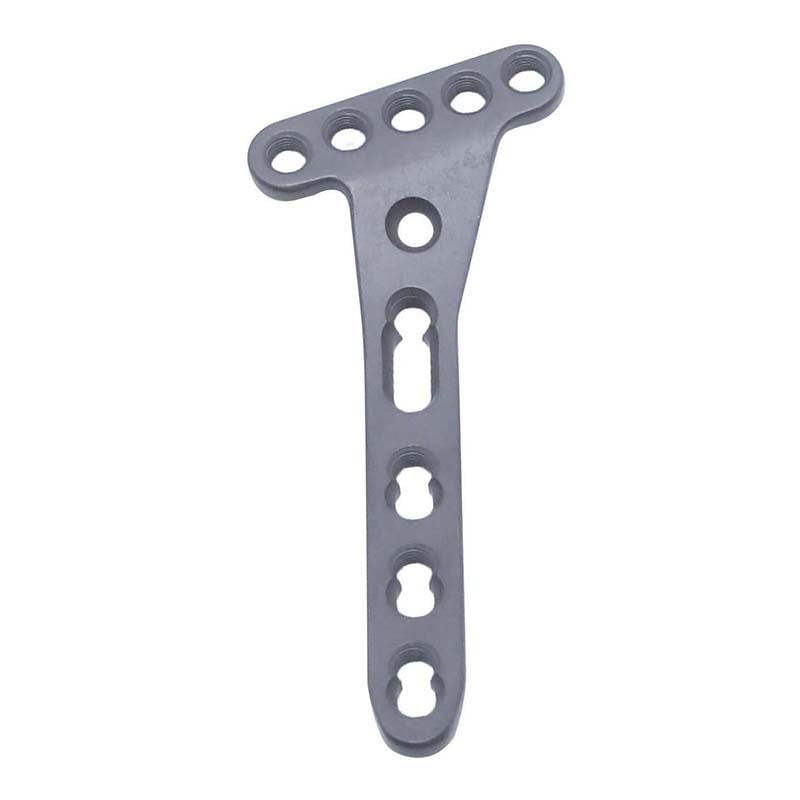
Dimensions and Design: Specifications such as length, width, and thickness must be tailored to the specific patient anatomy and intended application. For instance, the diameter of screws and plates needs to match the bone structure they will support. Buyers should evaluate these dimensions against the clinical requirements to avoid future complications.
Load-Bearing Capacity: Different implants are designed to withstand varying levels of stress and load. Understanding the expected load during the implant's lifecycle helps in selecting the right product. A mismatch in load capacity could lead to implant failure.
Certifications: Ensure that the orthopedic implants are ISO13485 and CE certified, as these certifications indicate adherence to international quality management standards and regulatory requirements. This is vital for ensuring that the orthopedic instrument meet safety and performance benchmarks.
Quality Control Processes: Review the manufacturer's quality control procedures to understand how products are tested for durability and reliability. A reputable supplier should have robust quality assurance measures in place, including regular audits and compliance checks.
Proper installation of orthopedic implants is essential to ensure their effectiveness and longevity. Here are key considerations:
Surgical Technique: Each implant may require specific surgical techniques for installation. Surgeons should be trained in the best practices for the particular product being used to minimize complications and enhance patient outcomes.
Preoperative Planning: Before surgery, detailed planning is necessary. Surgeons should review the implant specifications and ensure compatibility with the patient's anatomy. This often involves imaging studies to visualize bone structure.
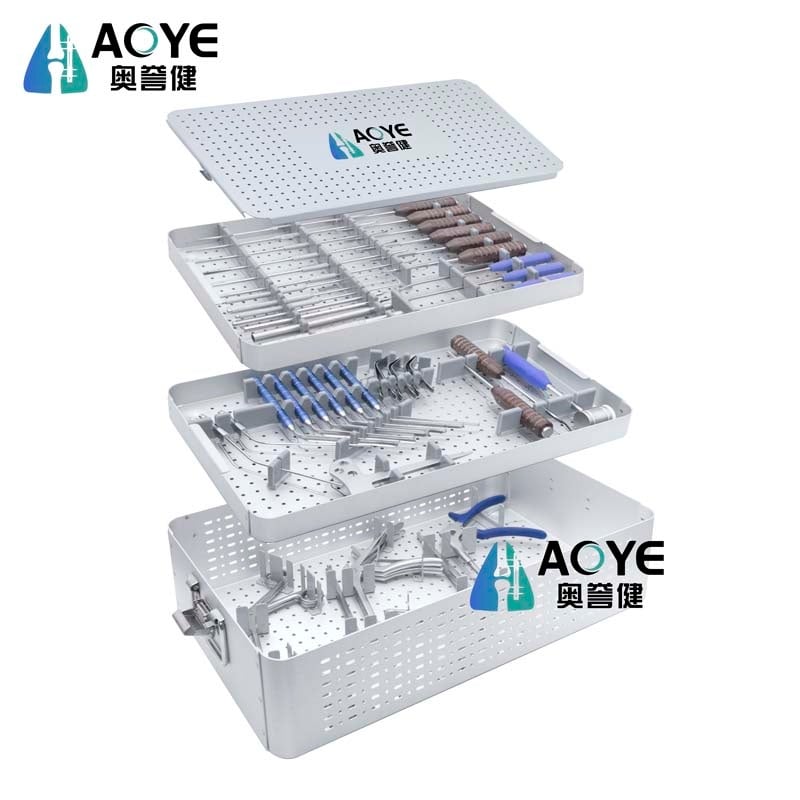
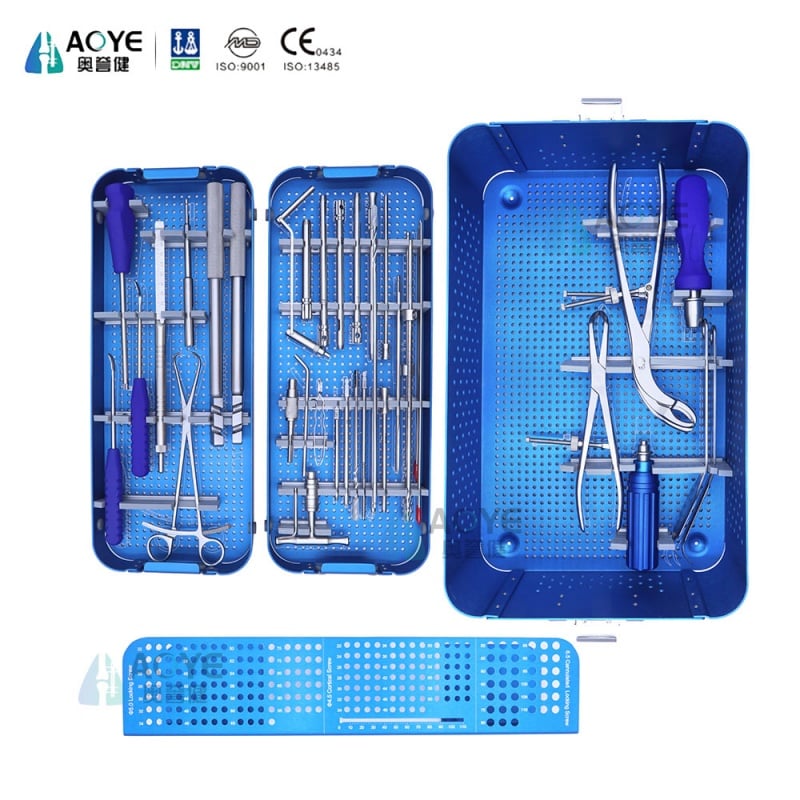
Use of Guides and Instruments: Many orthopedic implants come with specific instruments or guides designed to assist in the installation process. Utilizing these tools can significantly improve accuracy and reduce surgical time.
Postoperative Care: Following installation, proper postoperative protocols should be in place. This includes monitoring for complications and ensuring that the patient adheres to rehabilitation guidelines to facilitate recovery.
Identifying reliable suppliers for orthopedic implants is crucial for maintaining high standards in patient care. Here are some strategies to find trustworthy partners:
Industry Trade Shows: Attending medical and orthopedic trade shows provides an opportunity to meet manufacturers and distributors. This face-to-face interaction allows buyers to assess product quality firsthand and discuss specifications in detail.
Online Marketplaces and Directories: Utilizing industry-specific online platforms can help buyers identify various manufacturers. Look for suppliers with extensive catalogs and positive reviews from other healthcare professionals.
Certifications and Compliance: Verify that suppliers hold necessary certifications, such as ISO13485 and CE. This ensures that they adhere to recognized quality management systems, which is essential for orthopedic medical devices.
References and Testimonials: Seek references from other healthcare providers who have used the supplier’s products. Testimonials and case studies can provide insights into product performance and customer service.
When evaluating orthopedic implants products, a systematic comparison can help buyers make informed decisions. Consider the following aspects:
Product Variations: Different suppliers may offer variations of similar products. Compare the design features, materials, and intended applications to find the best fit for your needs.
Performance Metrics: Assess the performance data provided by manufacturers, such as load-bearing capabilities and fatigue resistance. This information is crucial for ensuring that the implants meet the demands of various clinical scenarios.
Customization Options: Some manufacturers offer customization for specific patient needs or unique applications. Evaluate whether customization is necessary for your practice and discuss options with potential suppliers.
Pricing Structures: Compare the pricing of different products while considering the total cost of ownership, including shipping, handling, and potential reorders. A lower initial price might not always represent the best value if quality is compromised.
Understanding the cost factors associated with orthopedic implants is vital for budgeting and financial planning. Key considerations include:
Material Costs: The choice of materials directly impacts the overall cost of the implants. High-performance materials may come with a higher price tag but offer better durability and biocompatibility.
Volume Discounts: Many suppliers offer pricing structures that reward bulk purchases. Determine your expected volume needs to negotiate favorable terms and pricing.
Shipping and Handling Fees: Factor in any shipping costs associated with the procurement of implants. International shipping may involve additional customs fees that should be accounted for in the overall budget.
Warranty and Support Costs: Evaluate the warranty terms offered by suppliers. A longer warranty may indicate higher confidence in product quality but can also impact the initial cost. Additionally, consider the availability of customer support for troubleshooting and product inquiries.
By focusing on these key aspects, B2B buyers can make informed decisions when sourcing orthopedic implants products, ensuring that they meet both clinical and business needs effectively.
Aoyujian Medical Technology provides trusted orthopedic solutions, high-quality implants, OEM/ODM services, and global shipping for hospitals & distributors.
No. 2 Changting Road, Gehu Farm, Wujin Economic Development Zone, Changzhou, Jiangsu, China
Copyright © Aoyujian Medical Technology (Changzhou) Co., Ltd. All Rights Reserved - Privacy Policy - Blog
 EN