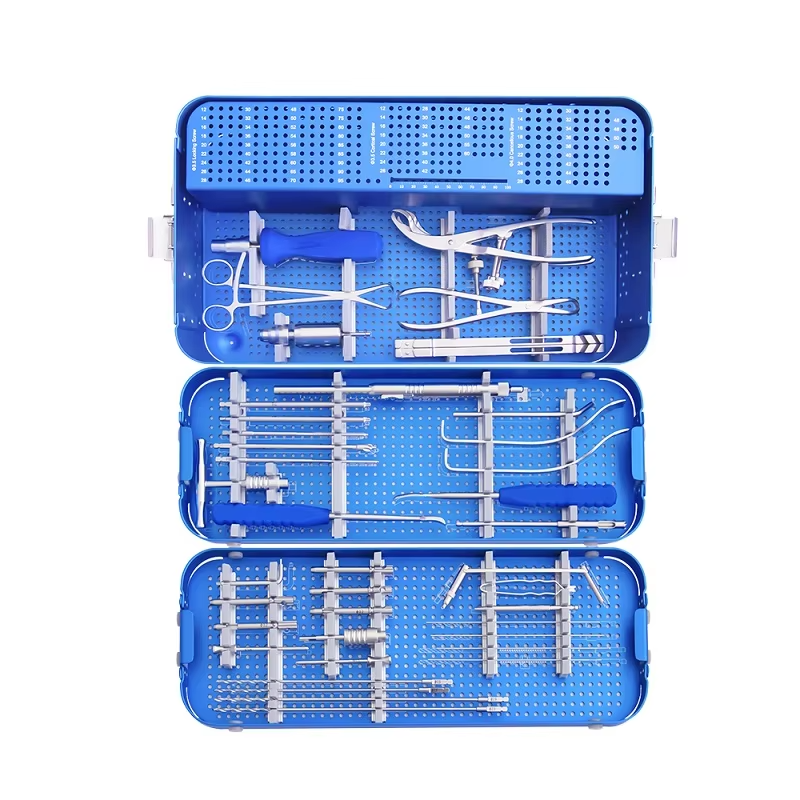
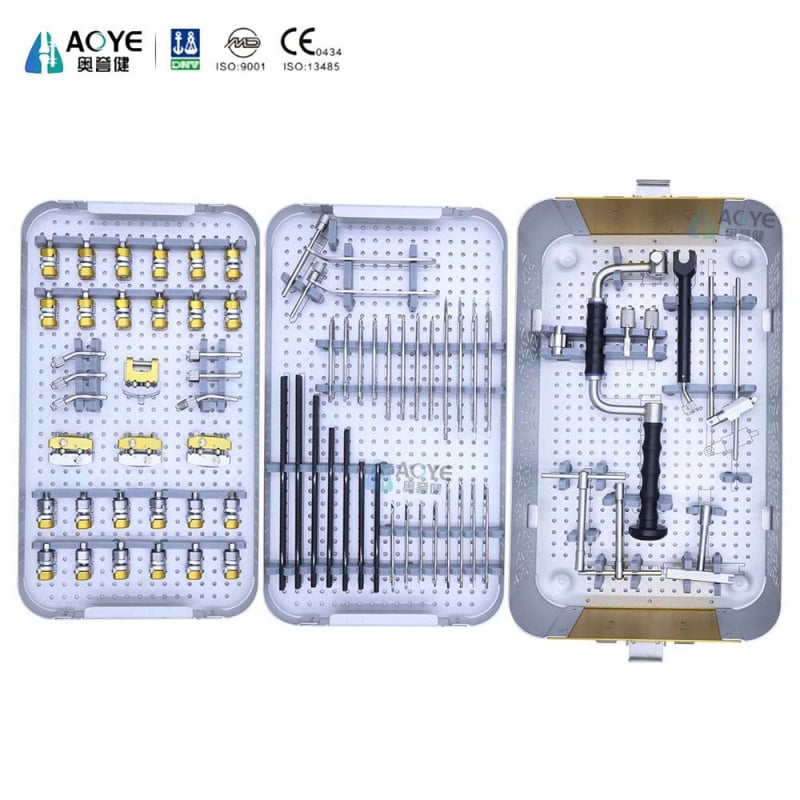
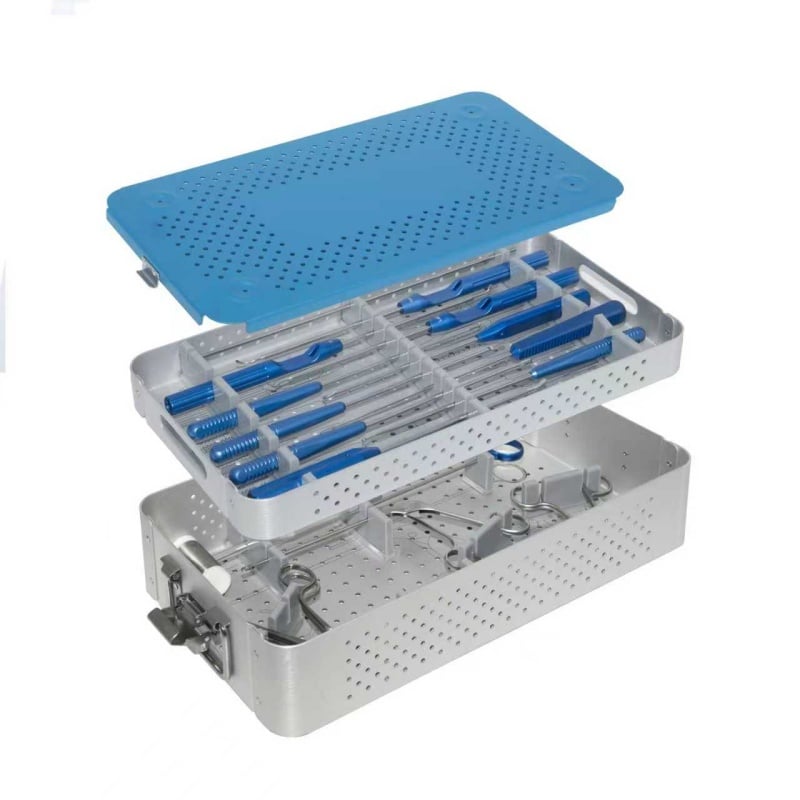
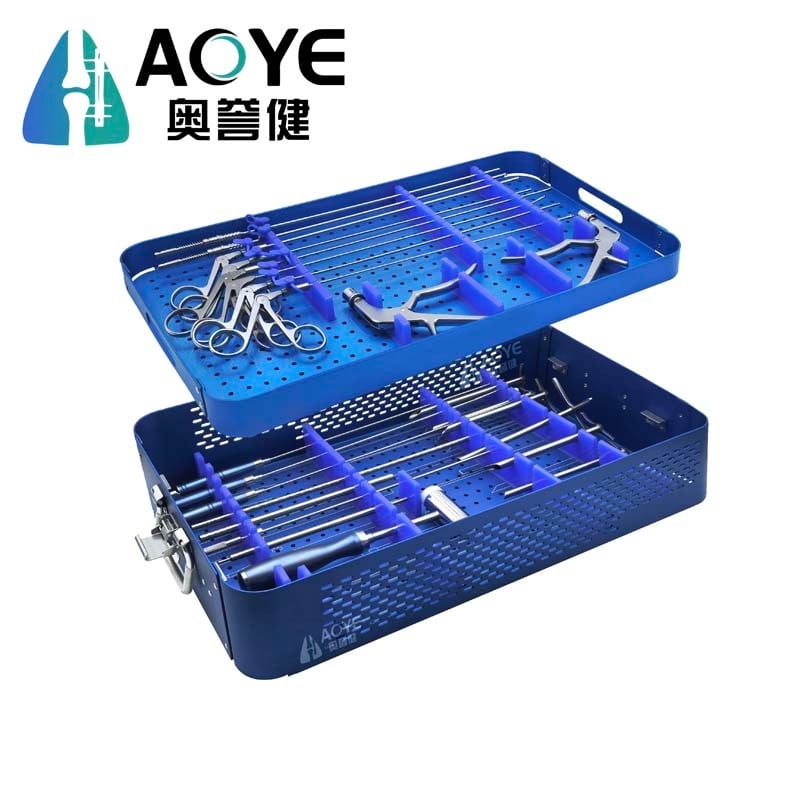
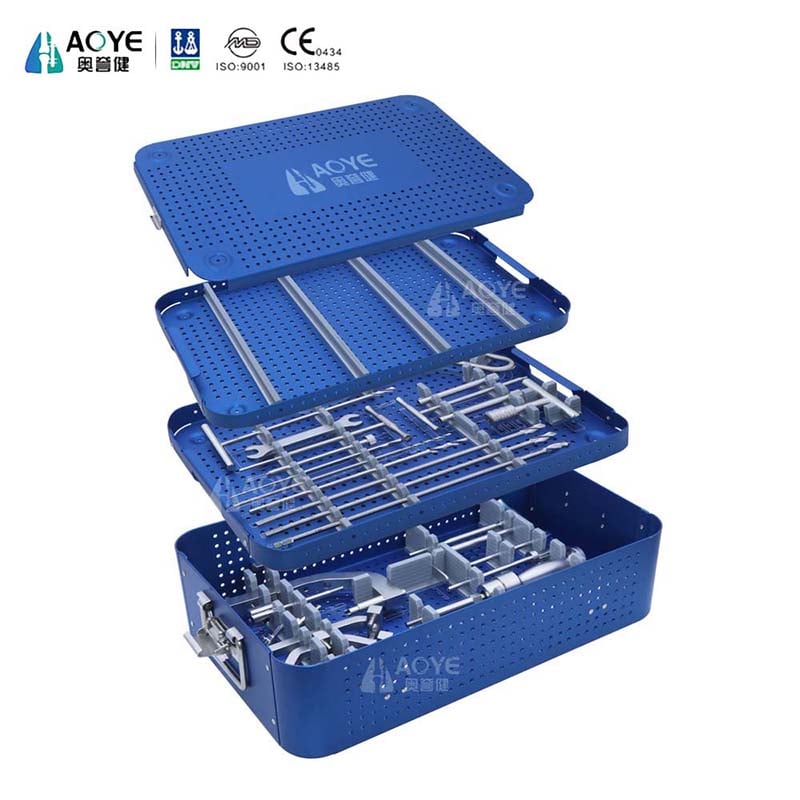
Choosing the right orthopedic implant screws is crucial for ensuring the success of surgical procedures in trauma, spine, and sports medicine. As a professional manufacturer of orthopedic implants and instruments, Aoyujian Medical understands the significance of selecting the appropriate screws that meet specific project needs. This article aims to address the main concerns of B2B buyers, including product specifications, material selection, and installation guidance, ultimately helping you make informed purchasing decisions.
When selecting orthopedic implant screws, consider the specific requirements of your application. Factors such as the type of procedure, the patient's anatomy, and the desired mechanical properties will all influence your choice. For instance, screws used in spinal surgery may have different thread designs or lengths compared to those used in trauma applications.
It's essential to evaluate the screw's compatibility with the implant system you are using. Ensure that the dimensions, such as diameter and length, align with the requirements outlined in your surgical plan. A common mistake is assuming that all screws are interchangeable; however, variations in design can lead to complications during surgery.
Additionally, consider the regulatory standards applicable in your region, such as ISO13485 and CE certifications, which ensure the screws meet quality and safety benchmarks. Aoyujian Medical, as an ISO13485/CE certified orthopedic implants products manufacturer, emphasizes compliance to guarantee the reliability of its products in various markets.
Evaluating the specifications of orthopedic implant screws involves understanding several key parameters. Key specifications to consider include:
Diameter: The diameter of the screw affects its load-bearing capacity. A larger diameter typically provides more strength, but it must be compatible with the surrounding bone structure to avoid damage.
Thread Design: The thread pitch and design influence the screw’s grip and stability within the bone. Coarse threads are generally better for softer bone, while finer threads may be more suitable for denser bone types.pro
Length: The length of the screw must be chosen based on the specific application to ensure optimal fixation without penetrating beyond the bone structure.
Material: Common materials include titanium and stainless steel, each offering unique benefits. Titanium is known for its lightweight and biocompatibility, while stainless steel typically provides higher strength.
Surface Treatment: Surface treatments can enhance the screw's performance by improving corrosion resistance and promoting bone integration.
Buyers should verify these specifications with the manufacturer, ensuring that they meet the requirements set forth in surgical plans and regulatory guidelines.
Proper installation of orthopedic implant screws is vital for achieving desired surgical outcomes. Here are some guidelines to ensure optimal use:
Pre-Operative Planning: Thoroughly review the surgical plan and familiarize yourself with the specific implants and screws being used. Ensure that all instruments are available and compatible.
Use of Torque: During installation, applying the right amount of torque is critical. Over-tightening can lead to screw breakage or bone damage, while under-tightening may compromise stability.
Check for Alignment: Ensure the screw is aligned correctly with the orthopaedic implants and instruments and surrounding bone. Misalignment can lead to complications such as loosening or migration of the screw.
Use of Imaging: Intraoperative imaging, such as fluoroscopy, can assist in verifying the correct placement of screws, especially in complex procedures.
Post-Operative Assessment: Conduct a thorough assessment post-surgery to ensure the screws are securely positioned and that there are no signs of complications.
By adhering to these guidelines, surgical teams can enhance the effectiveness of orthopedic screws and improve patient outcomes.
Despite careful planning, complications can arise with orthopedic implant screws. Here are some common issues and suggested solutions:
Screw Loosening: This can occur due to inadequate fixation or excessive movement during the healing process. To mitigate this, ensure that the screw is properly sized and that bone quality is suitable for the chosen screw type.
Breakage: Screws may break due to excessive torque during installation or inappropriate sizing. Always refer to torque specifications provided by the manufacturer and conduct thorough pre-operative evaluations.
Infection: Post-operative infections can compromise the integrity of the implant. Employ aseptic techniques during installation and monitor for any signs of infection post-surgery.
Incorrect Placement: Misalignment can lead to complications. Employing intraoperative imaging can help verify correct placement during surgery.
By proactively addressing these issues, surgical teams can enhance patient safety and improve the overall success of orthopedic procedures.
The material used for orthopedic implant screws significantly influences their performance and suitability for various applications. At Aoyujian Medical, we offer screws made from high-quality materials, each with distinct advantages:
Titanium: Known for its excellent biocompatibility, titanium screws are less likely to provoke an immune response. Their strength-to-weight ratio makes them ideal for applications in trauma and spine surgery, where minimizing additional weight is crucial.
Stainless Steel: These screws are durable and offer high tensile strength, making them suitable for applications requiring robust fixation. They are often used in trauma settings where maximum stability is required.
Coated Screws: Advanced surface treatments can enhance the performance of both titanium and stainless steel screws. Coatings can improve corrosion resistance and promote better bone integration, which can be particularly beneficial in orthopedic applications.
Customized Solutions: Aoyujian Medical offers customization options to meet specific application requirements. By discussing your needs with us, you can obtain screws tailored to your surgical procedures.
In summary, understanding the material properties and advantages of orthopedic implant screws is essential for making informed purchasing decisions that align with your surgical requirements.
Aoyujian Medical Technology provides trusted orthopedic solutions, high-quality implants, OEM/ODM services, and global shipping for hospitals & distributors.
No. 2 Changting Road, Gehu Farm, Wujin Economic Development Zone, Changzhou, Jiangsu, China
Copyright © Aoyujian Medical Technology (Changzhou) Co., Ltd. All Rights Reserved - Privacy Policy - Blog
 EN