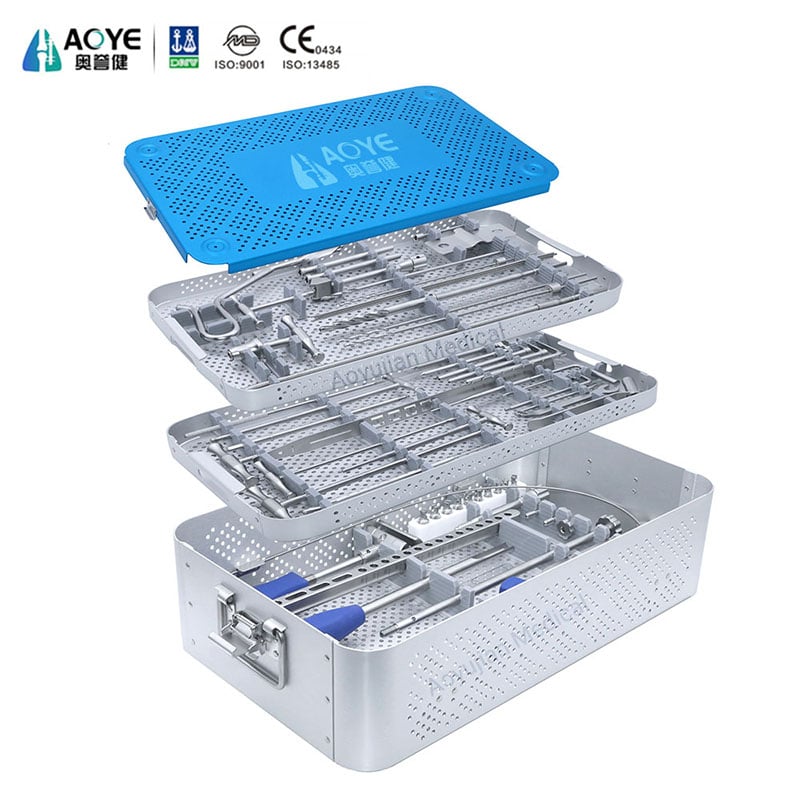
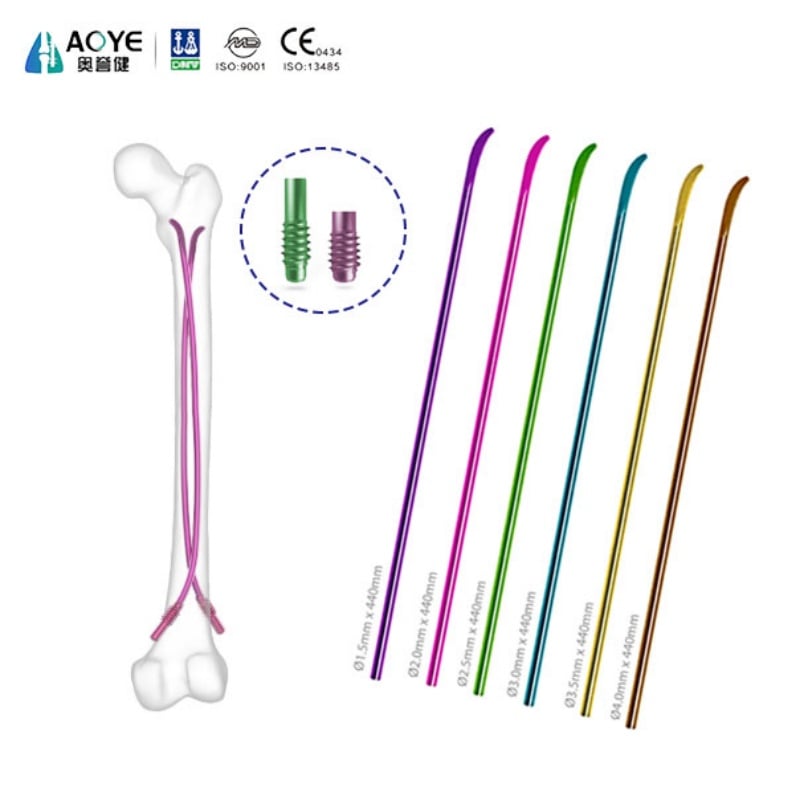
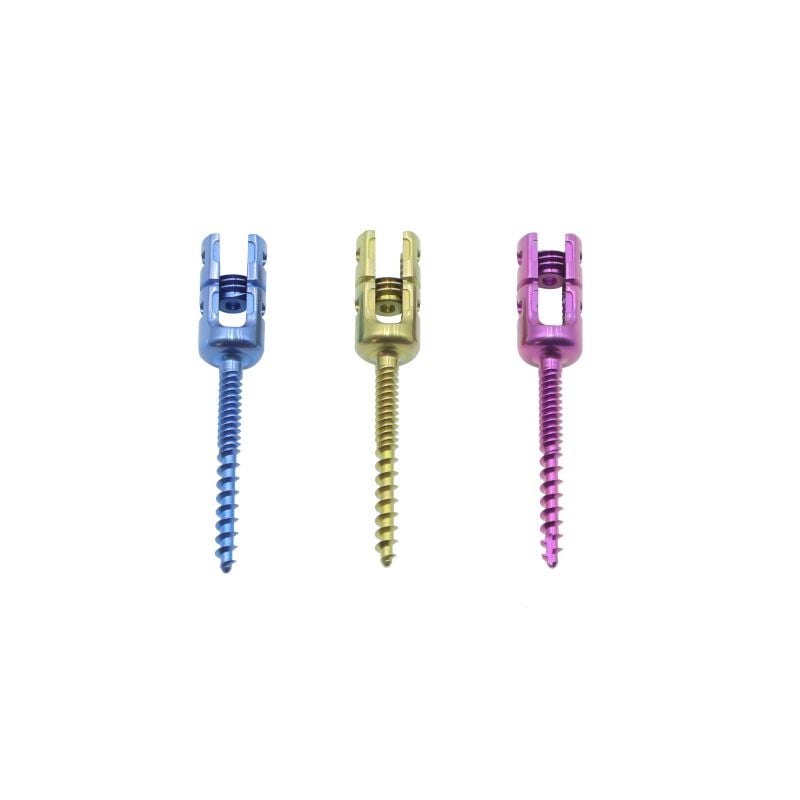
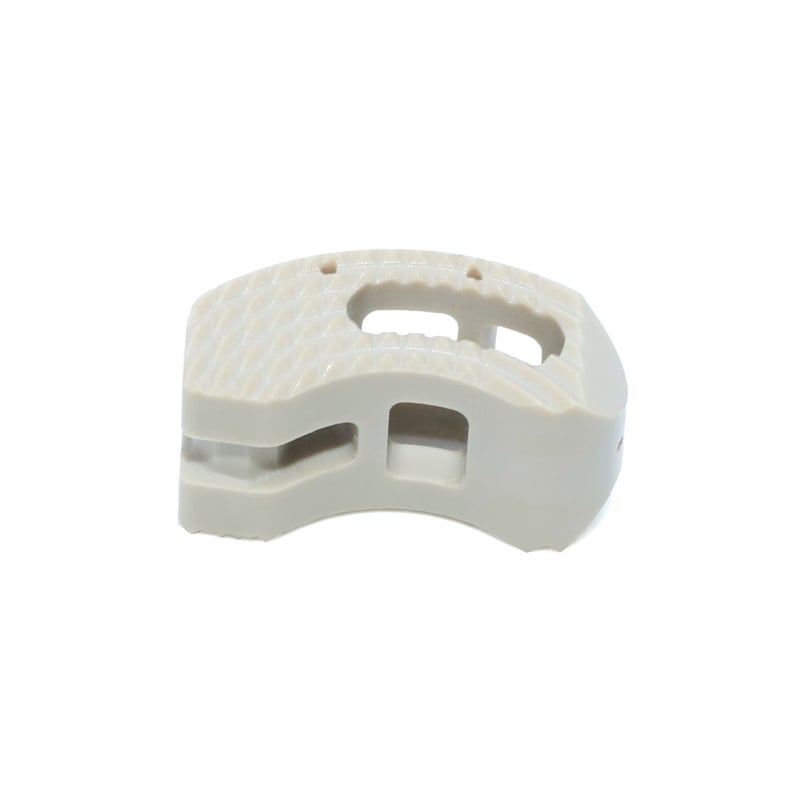
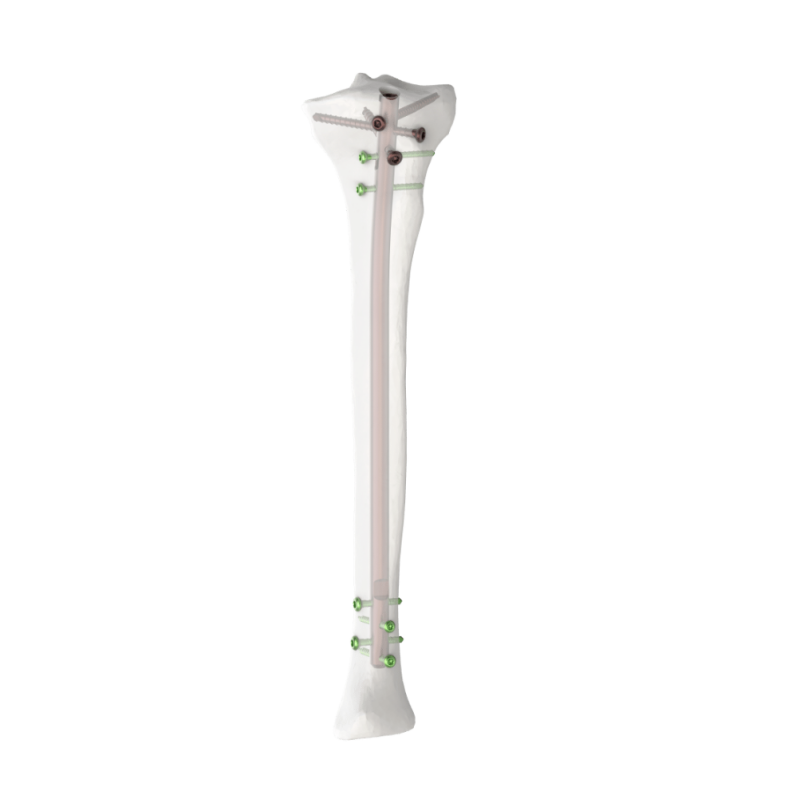
When considering the purchase of orthopedic machines, it’s essential to understand the complexities involved in their selection and usage. orthopedic power drill machines are specialized equipment designed for the manufacturing and testing of orthopedic implants and instruments used in trauma, spine, and sports medicine. Buyers often have concerns regarding quality, compatibility, cost, and operational guidance. This article aims to provide practical insights into choosing the right orthopedic machine, ensuring quality control, understanding cost factors, installation guidance, and troubleshooting common issues.
Selecting the appropriate orthopedic machine is vital for ensuring the efficient production of implants and instruments. Buyers should start by identifying their specific needs based on the types of orthopedic procedures they are focusing on, such as trauma, spine, or sports medicine. Each area may require different machine capabilities. For example, machines designed for trauma implants may need to handle various metal alloys with different mechanical properties, whereas those for spine instruments might require precision in cutting and shaping.
Buyers should also consider the machine's specifications, such as its production capacity, compatibility with existing systems, and the range of materials it can process. It’s advisable to consult with manufacturers like Aoyujian Medical, who can provide insights into suitable models based on your operational requirements and expected output. Additionally, understanding the technical parameters, such as tolerances and surface finish requirements, is crucial for ensuring that the final products meet regulatory standards and customer expectations.
Quality control is a critical component in the manufacturing of orthopedic machines, as it directly impacts product reliability and safety. A reputable manufacturer, such as Aoyujian Medical, adheres to strict quality control measures throughout the production process. This includes the implementation of ISO 13485 standards, which ensure that medical devices are consistently produced and controlled according to quality management systems.
Quality control measures typically involve rigorous inspections at various stages of production, including materials selection, machining, assembly, and final testing. Buyers should inquire about a manufacturer's quality assurance processes, including the use of certified materials and the implementation of statistical process control (SPC) techniques. Additionally, it’s essential to verify that the machines undergo thorough testing to confirm their performance and compliance with industry regulations.
When evaluating the costs associated with orthopedic machines, several factors come into play. The initial purchase price is just one aspect; ongoing operational costs, maintenance, and potential downtime should also be considered. Customization capabilities can significantly impact pricing, especially if specific features or functions are required for unique applications.
Another critical factor is the cost of materials. Machines designed to work with high-quality alloys or specialized materials may have higher operational costs due to the need for advanced capabilities or more frequent maintenance. Additionally, the total cost of ownership, which includes energy consumption, labor costs, and the expense of spare parts, should be factored into the purchasing decision.
Buyers should also consider the potential return on investment (ROI). A machine that can produce higher-quality products or operate more efficiently may have a higher upfront cost but could lead to significant long-term savings. Engaging with manufacturers to discuss pricing structures and potential financing options can also provide clarity on overall costs.
Proper installation is crucial for maximizing the performance of orthopedic machines. Buyers should ensure that the installation site meets the specific requirements of the machine, including space, power supply, and environmental conditions. A qualified installation team, often provided by manufacturers like Aoyujian Medical, can ensure that the machine is set up correctly and operates at optimal efficiency.
During installation, it's important to conduct thorough testing to confirm that the machine operates as intended. This includes verifying that calibration settings are accurate and that the machine can handle the expected production loads. Buyers should also ensure that staff receive adequate training on operating the machine, as improper use can lead to decreased efficiency and increased wear on the equipment.
Additionally, establishing a preventive maintenance schedule post-installation can help in identifying potential issues before they become critical, thus prolonging the life of the machine and maintaining quality output.
Even with the best quality machines, issues can arise during operation. Common problems include mechanical failures, software glitches, and production inconsistencies. Identifying these problems early can prevent costly downtime and ensure that production remains on schedule.
One frequent issue is related to calibration problems, which can lead to dimensional inaccuracies in the produced instruments. Regular calibration checks and maintenance are essential to mitigate this risk. Buyers should ensure that their orthopedic instrument machines have built-in diagnostic tools that can help identify issues and guide operators through troubleshooting steps.
Another common problem is wear and tear on critical components, which can affect the machine's performance over time. It is advisable to work with suppliers to establish a clear maintenance plan that includes regular inspections and timely replacement of worn parts. Additionally, having access to technical support from the manufacturer can provide valuable assistance in addressing complex issues as they arise.
By understanding these common issues and their solutions, buyers can better prepare for the operational challenges associated with instrument of orthopedic surgery machines, ensuring a smooth production process that meets quality standards.
Aoyujian Medical Technology provides trusted orthopedic solutions, high-quality implants, OEM/ODM services, and global shipping for hospitals & distributors.
No. 2 Changting Road, Gehu Farm, Wujin Economic Development Zone, Changzhou, Jiangsu, China
Copyright © Aoyujian Medical Technology (Changzhou) Co., Ltd. All Rights Reserved - Privacy Policy - Blog
 EN