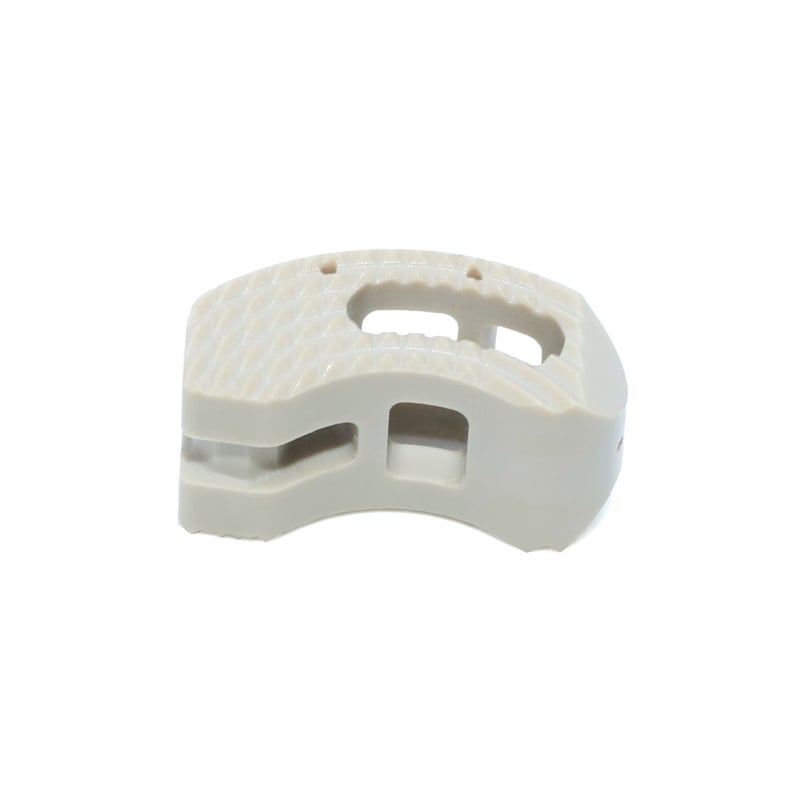
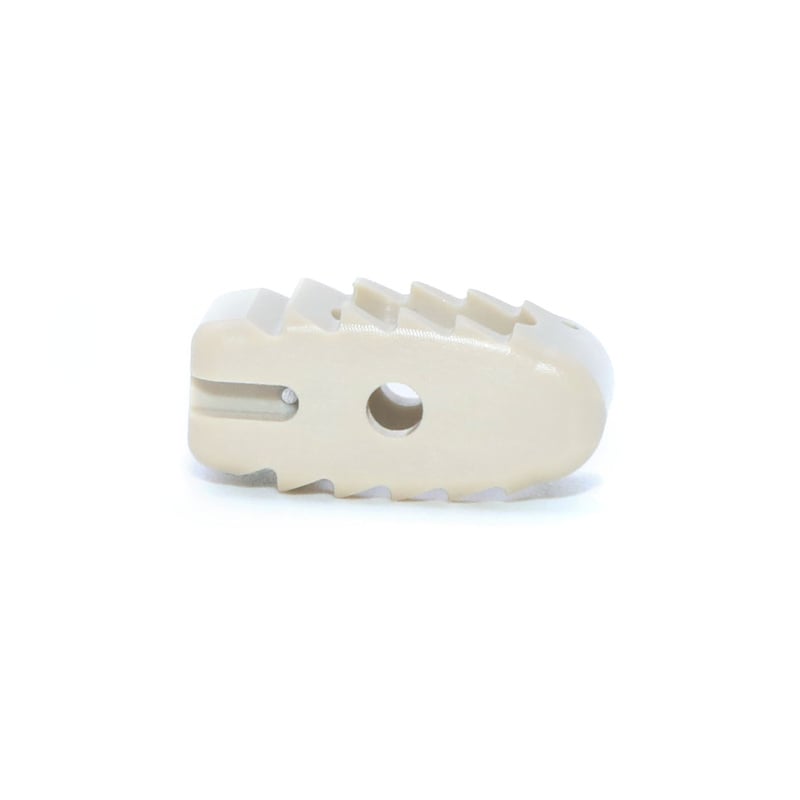
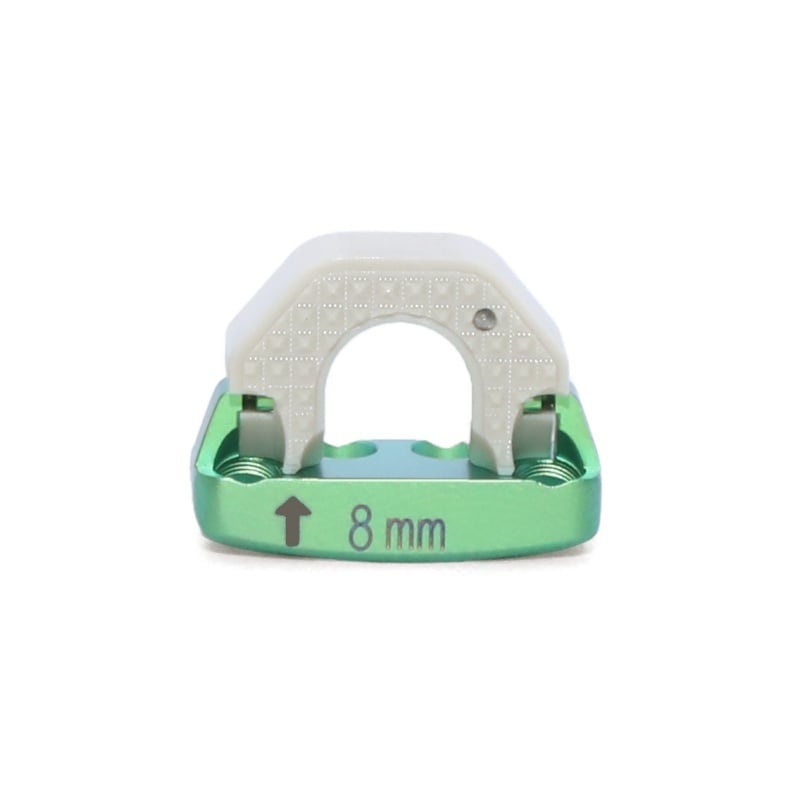
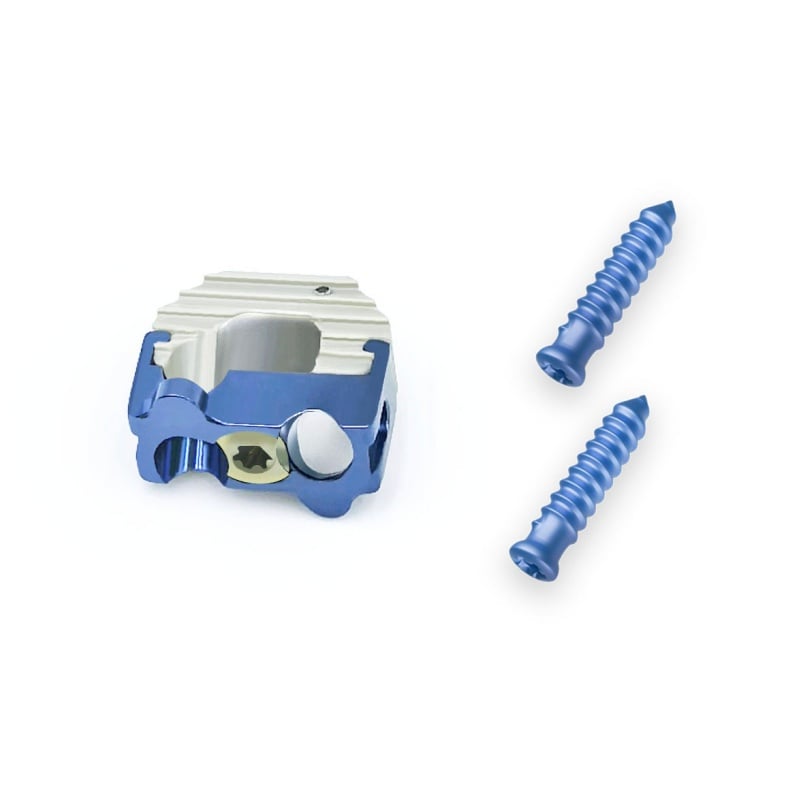
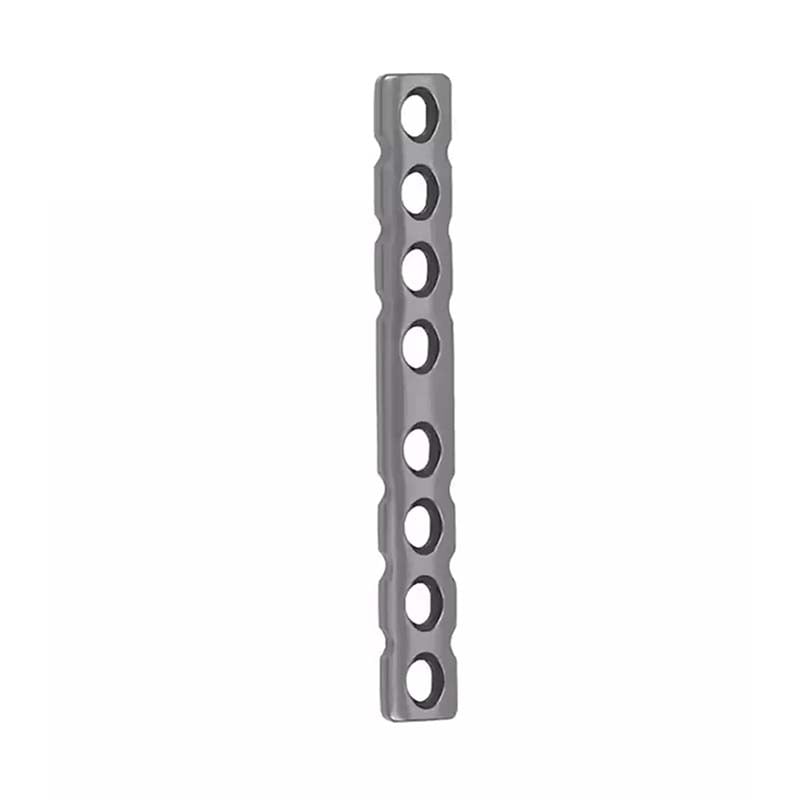
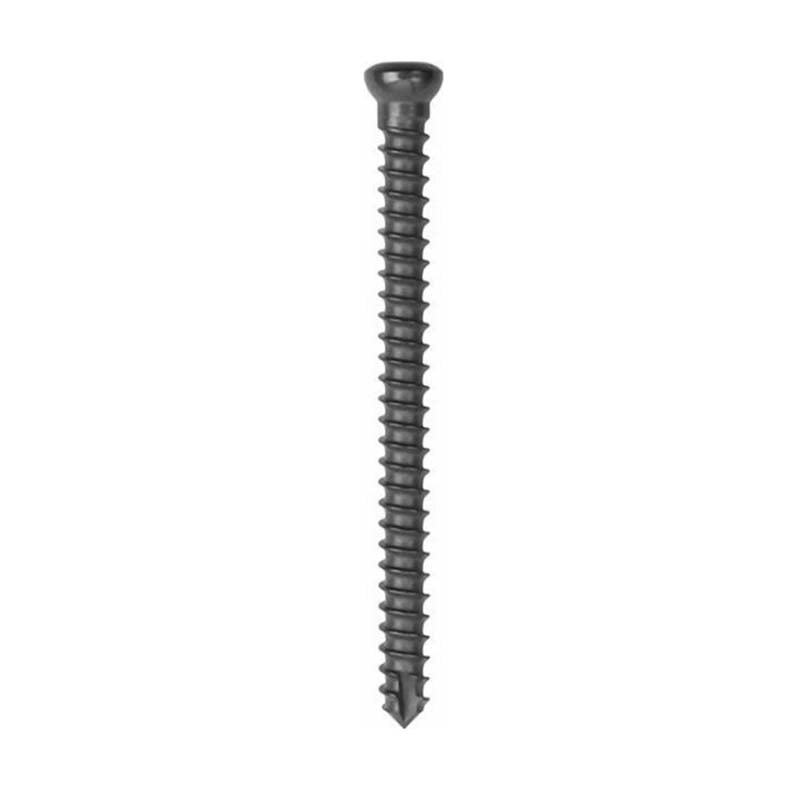
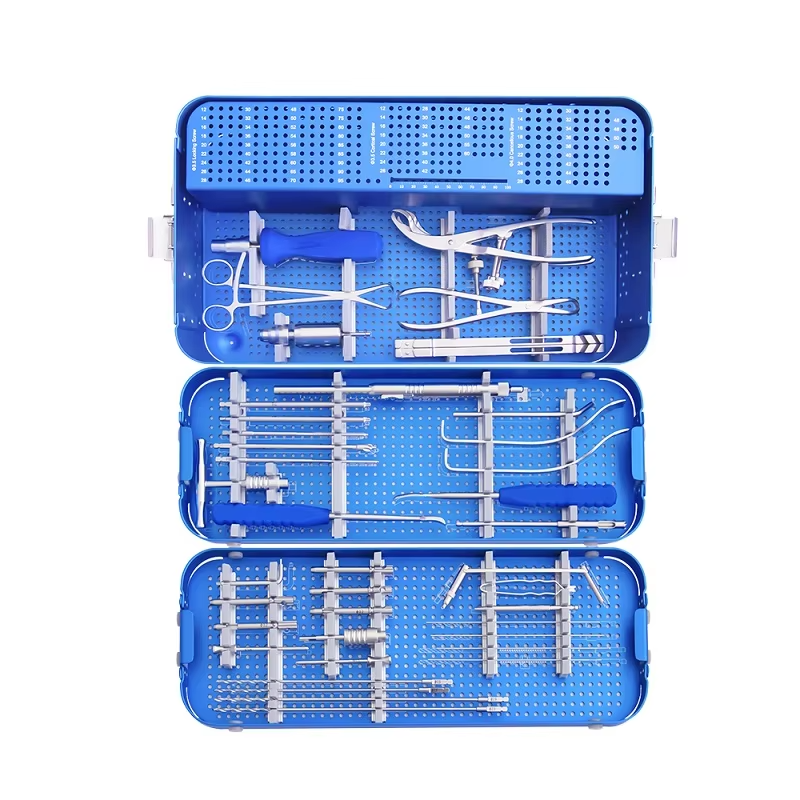
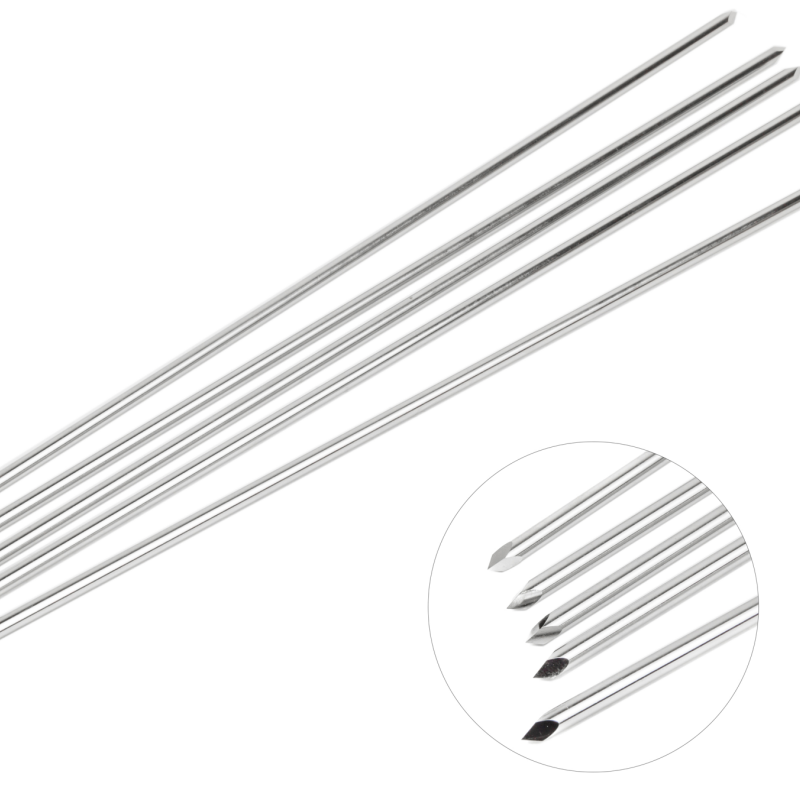
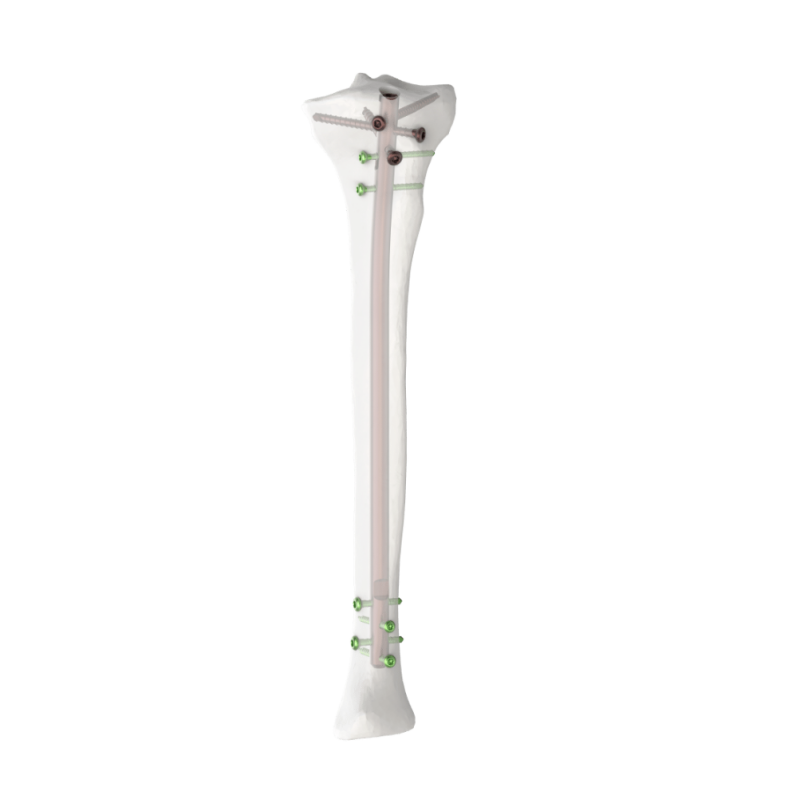
Orthopedic medical devices are specialized instruments and implants used in the treatment and management of musculoskeletal conditions. As a B2B buyer in the healthcare sector, you may have concerns regarding product quality, supplier reliability, and the specific needs of your patient population. This article will guide you through essential considerations, from purchasing to evaluating suppliers, ensuring you make well-informed decisions when sourcing orthopedic medical devices.
When purchasing orthopedic medical devices, the first step is to clearly define your needs. Consider the specific types of products you require, such as orthopedic implants for trauma, spine, or sports medicine. Each category may have different specifications, performance requirements, and applicable materials.
Next, gather detailed product information, including dimensions, material specifications, and regulatory compliance (like ISO13485 and CE certifications). Ensure that the manufacturer can provide documentation confirming these standards, which is critical for quality assurance and regulatory requirements in your market.
Establishing a relationship with a manufacturer that understands your specific needs can streamline the purchasing process. Aoyujian Medical, for instance, specializes in producing orthopedic implants and instruments, providing tailored solutions to partners across 45 countries.
Finding reliable suppliers for orthopedic medical devices involves thorough research and evaluation. Start by leveraging industry networks, trade shows, and online directories that focus on medical suppliers. Attending relevant conferences or trade shows can also provide opportunities to meet manufacturers face-to-face and assess their product offerings.
Consider suppliers that have established a good reputation in the market, particularly those with experience in producing orthopedic devices. Look for manufacturers with comprehensive quality control processes and certifications. For example, Aoyujian Medical’s ISO13485 and CE certifications signify a commitment to quality management, which can increase your confidence in their products.
Additionally, explore online reviews and testimonials from other buyers. Engaging with existing customers can provide insights into the supplier’s reliability, product performance, and customer service.
Understanding the cost factors associated with orthopedic medical devices is crucial for budget planning. While price is a major consideration, it should not be the sole determinant. Factors influencing cost include:
Material Selection: Different materials (e.g., titanium, stainless steel, or polymer composites) have varying costs and performance characteristics. The choice of material impacts durability, biocompatibility, and manufacturing processes.
Customization: Custom devices tailored to specific patient needs or surgical procedures may incur additional costs. Discuss customization capabilities with your supplier to understand potential price implications.
Quantity: The minimum order quantity (MOQ) can influence pricing. Bulk purchases often lead to discounts, but ensure that your inventory aligns with your projected usage to avoid excess stock.
Shipping and Handling: Consider the shipping costs, especially if sourcing from international suppliers. Timeliness and reliability of delivery can also add value beyond the initial product cost.
Quality Assurance: Investing in high-quality orthopedic instrument products may incur higher upfront costs but can reduce long-term expenses associated with failures or complications.
To ensure a successful purchasing process, adhere to the following best practices:
Request Detailed Specifications: When obtaining quotes, ensure they include complete product specifications, including dimensions, weight, and material properties. This information is critical for evaluating compatibility with existing systems.
Evaluate Samples: Before committing to a large order, request samples to assess the quality and functionality of the devices. Testing under actual operational conditions can reveal potential issues not evident in documentation.
Establish Clear Communication: Maintain open lines of communication with your suppliers. Clear communication regarding expectations, deadlines, and potential issues helps build a strong partnership.
Conduct Quality Inspections: Implement a quality inspection process upon receiving products. This may include visual inspections, measurements, and functional tests to ensure compliance with your standards.
Buyers of orthopedic medical devices must be aware of common issues that can arise:
Material Incompatibility: Selecting inappropriate materials can lead to device failure or adverse reactions. Always verify that the materials meet biocompatibility standards for the intended application.
Sizing Issues: Devices that do not fit correctly can result in surgical complications. Ensure that the orthopedic instruments set supplier provides comprehensive sizing charts and guidelines for proper selection.
Quality Control Failures: Inconsistent quality can lead to significant problems post-implantation. Work with manufacturers that have robust quality control systems and are willing to share their testing protocols.
Regulatory Compliance: Ensure that all products comply with local regulations. This includes confirming that necessary certifications are in place and that products have been tested for safety and efficacy.
After-Sales Support: A reliable supplier should provide ongoing support, including assistance with any issues that arise post-purchase. Confirm what warranty and support services are offered.
By being proactive in your purchasing process and working with experienced suppliers like Aoyujian Medical, you can mitigate these challenges and ensure that your orthopedic supplies devices meet the highest standards of quality and reliability.
Aoyujian Medical Technology provides trusted orthopedic solutions, high-quality implants, OEM/ODM services, and global shipping for hospitals & distributors.
No. 2 Changting Road, Gehu Farm, Wujin Economic Development Zone, Changzhou, Jiangsu, China
Copyright © Aoyujian Medical Technology (Changzhou) Co., Ltd. All Rights Reserved - Privacy Policy - Blog
 EN