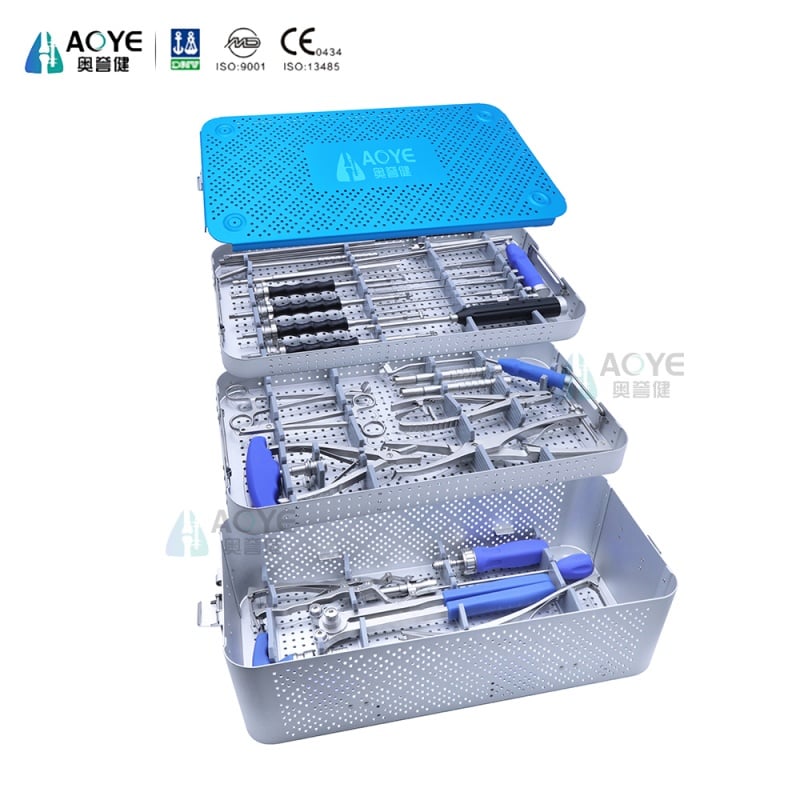
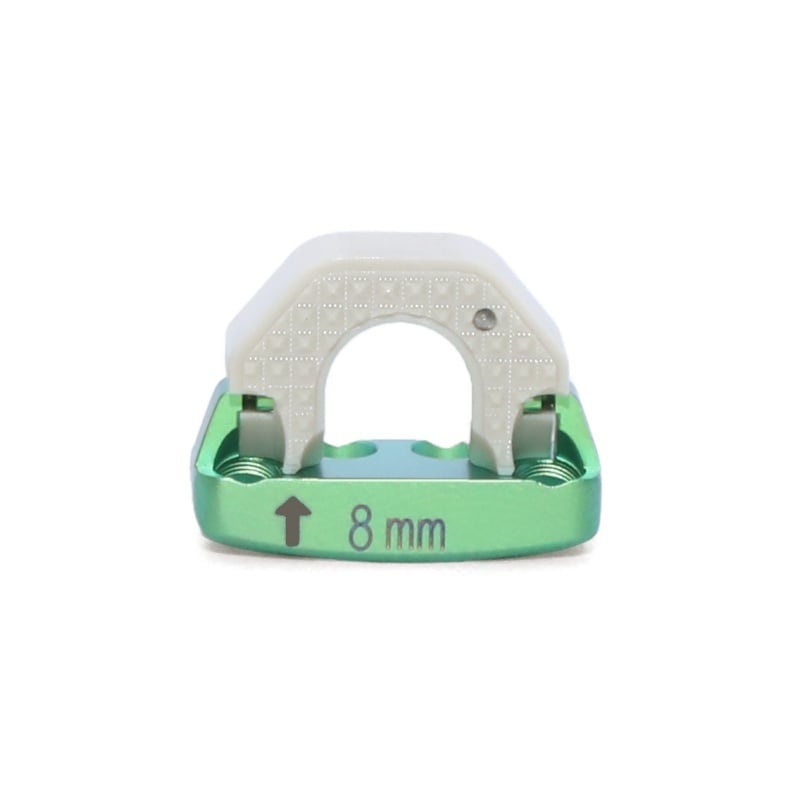
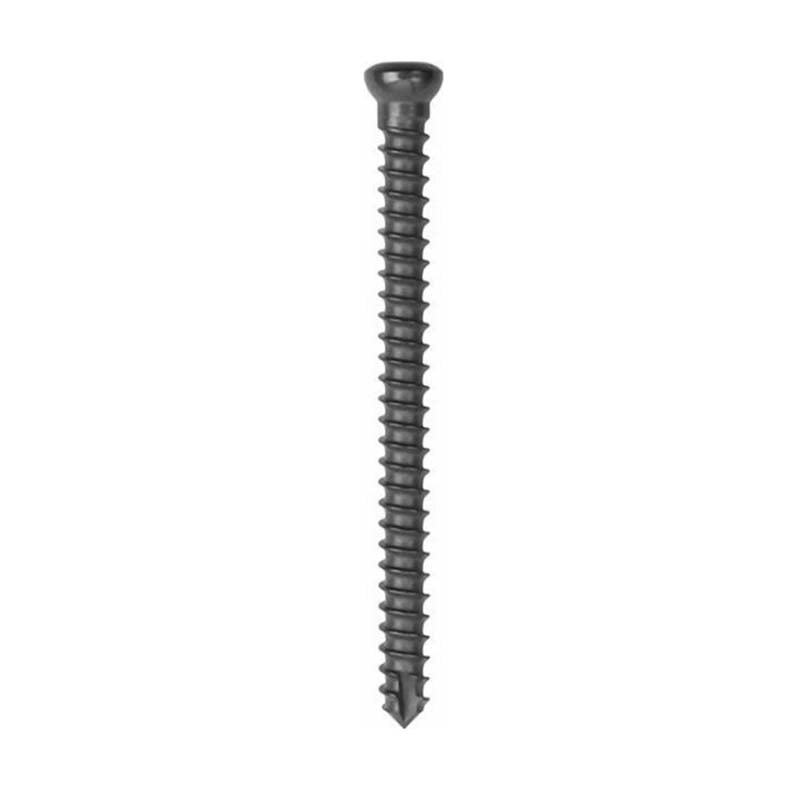
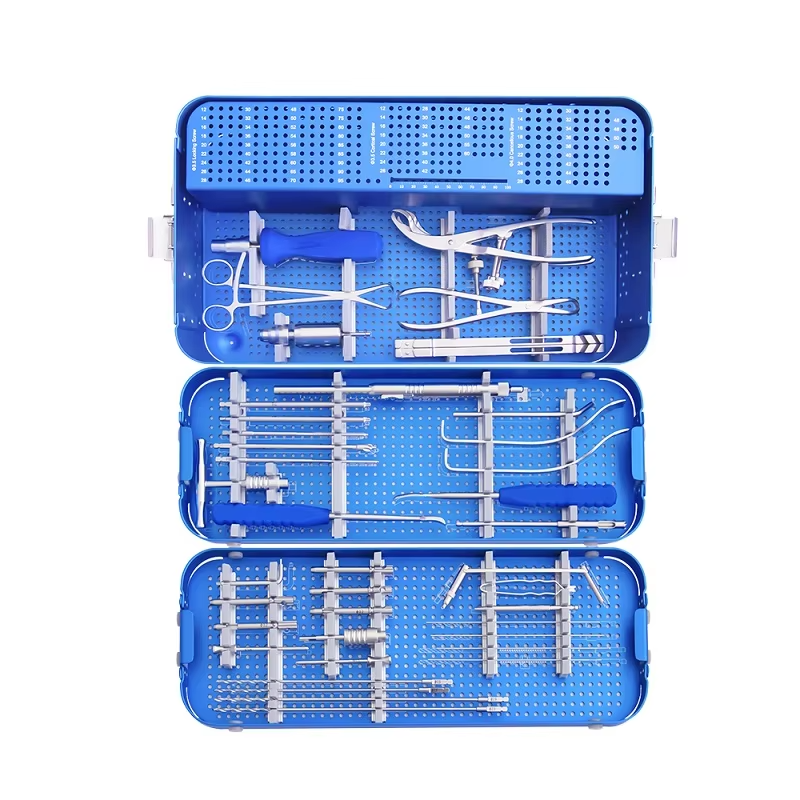
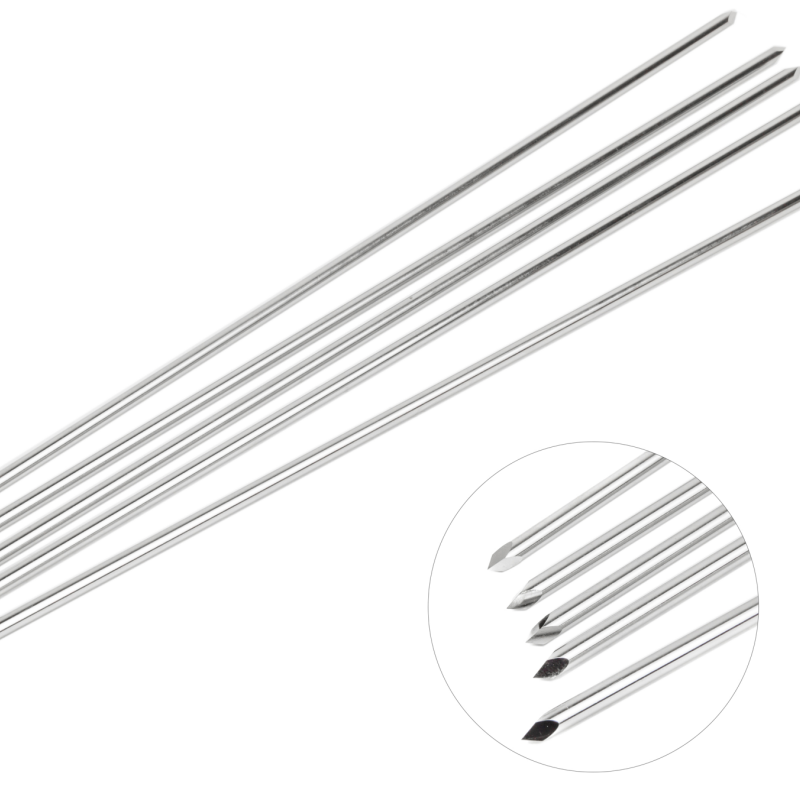
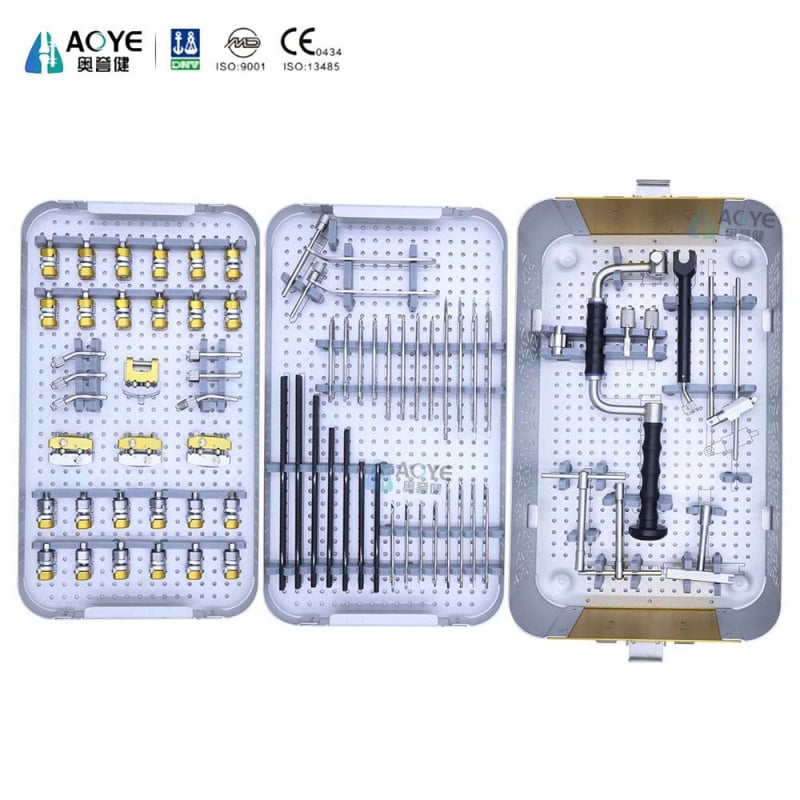
Understanding the specifications of an orthopedic power drill is crucial for purchasing managers, engineers, and medical professionals involved in orthopedic surgeries. An orthopedic power drill is a specialized surgical instrument designed to facilitate various procedures, from trauma repairs to spine surgery. Buyers often seek reliability, precision, and compatibility with existing surgical tools. This article will delve into the specifications, sourcing options, cost considerations, and applications of orthopedic power surgical drill to help you make informed purchasing decisions.
When selecting an orthopedic power drill, understanding its specifications is vital. Key specifications include rotational speed, torque, power source, and weight.
Rotational Speed: The speed, typically measured in revolutions per minute (RPM), affects the drill's performance. Higher RPMs allow for quicker drilling, which can be crucial during surgeries. However, excessive speed may generate heat, potentially damaging bone tissue.
Torque: Measured in Newton-meters (Nm), torque indicates the drill's ability to handle resistance when penetrating materials. An appropriate torque setting ensures optimal performance without risking damage to both the drill and the surgical site.
Power Source: Orthopedic power surgical bone drill can be corded or cordless. Corded models provide continuous power, while cordless options offer greater maneuverability. The choice often depends on the specific surgical environment and surgeon preference.
Weight and Ergonomics: A lightweight design reduces hand fatigue during long procedures, enhancing precision and control. Ergonomic features, such as grip design and balance, also play a critical role in user experience.
Several factors influence the selection of an orthopedic power drill beyond specifications.
Material and Build Quality: The construction materials should provide durability and resistance to sterilization processes. Stainless steel is often preferred for its strength and ease of cleaning.
Certification and Compliance: Ensure that the drill meets international standards such as ISO13485 and CE certification, which indicate compliance with quality management systems for medical devices.
Customization Capabilities: Some manufacturers offer customization options, allowing buyers to specify features tailored to their surgical needs, such as drill bits or attachments.
Supplier Reputation: Establishing a reliable partnership with a manufacturer like Aoyujian Medical, known for its expertise in orthopedic instruments, can significantly impact product quality and support.
Finding a trustworthy supplier is crucial for purchasing orthopedic power drills. Here are several avenues to explore:
Direct Manufacturers: Engaging directly with manufacturers allows for better pricing and customization options. Companies like Aoyujian Medical, with a focus on orthopedic instruments, can provide insights into product quality and manufacturing processes.
Distributors: Established medical equipment distributors often have a wide range of products and can offer competitive pricing. They can also provide after-sales support and service, which is essential for ongoing operations.
Industry Trade Shows: Attending trade shows and medical conferences can provide firsthand experience with different products and manufacturers. It also presents opportunities to connect with suppliers and assess their offerings in person.
Online Marketplaces: Online platforms can be useful for comparing prices and specifications. However, due diligence is necessary to ensure the credibility of the sellers.
When budgeting for orthopedic power drills, several cost factors come into play:
Unit Price: The base price per drill can vary significantly based on features, materials, and manufacturing processes. Bulk orders often qualify for discounts, making it cost-effective for hospitals or clinics to purchase.
Shipping and Handling: Consider additional costs related to shipping, customs, and handling, especially for international orders. Ensure that the supplier has efficient logistics to minimize delays.
Maintenance and Service: Factor in the potential costs of maintenance and repairs. A reliable supplier should provide support services, which can save costs in the long run.
Training and Support: Some suppliers offer training for surgical staff on using the drills effectively. This service can be an added cost but is invaluable for ensuring safe and efficient use of the equipment.
Orthopedic power drills are utilized in various medical applications, each requiring specific functionalities:
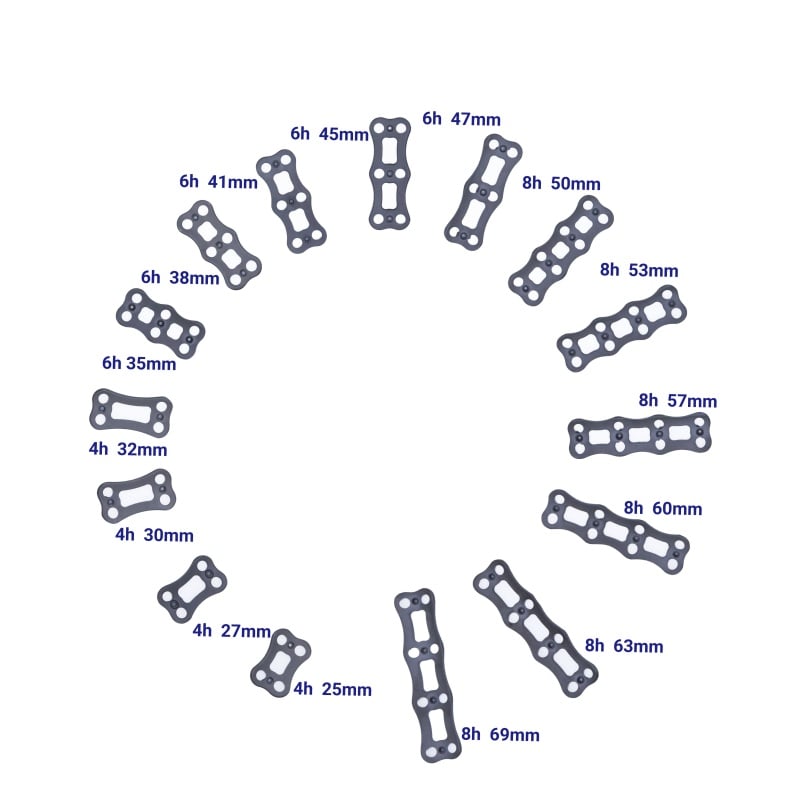
Trauma Surgery: In trauma cases, power drills facilitate rapid and precise drilling for screws and plates, essential for stabilizing fractures.
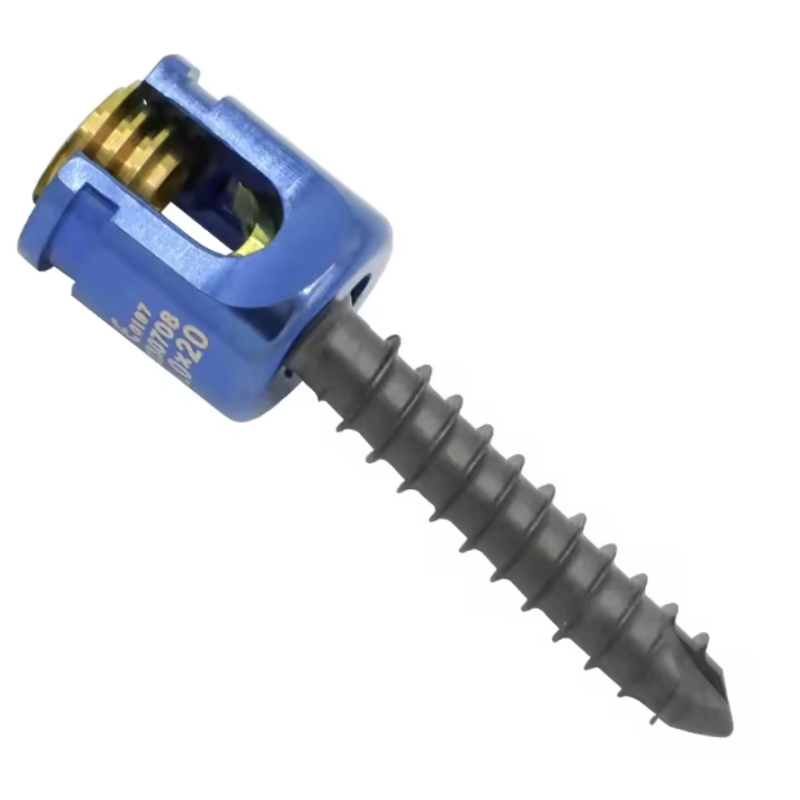
Spinal Surgery: Surgeons use orthopedic drills for pedicle screw fixation, where accurate placement is critical for spinal stability. The drill's torque and speed must be suitable for dense bone structures.
Sports Medicine: In surgical procedures related to sports injuries, such as ligament repairs, power drills assist in creating precise holes for anchors and sutures, enhancing the effectiveness of the repair.
Total Joint Replacement: Orthopedic drills are crucial in preparing bone surfaces for implant placement, ensuring optimal fit and stability.
an informed selection process for orthopedic power surgical drill bits involves understanding specifications, sourcing reliable suppliers, evaluating costs, and recognizing the diverse applications in medical procedures. By considering these factors, purchasing managers and medical professionals can ensure they choose the right tools to support their surgical practices effectively.
Aoyujian Medical Technology provides trusted orthopedic solutions, high-quality implants, OEM/ODM services, and global shipping for hospitals & distributors.
No. 2 Changting Road, Gehu Farm, Wujin Economic Development Zone, Changzhou, Jiangsu, China
Copyright © Aoyujian Medical Technology (Changzhou) Co., Ltd. All Rights Reserved - Privacy Policy - Blog
 EN