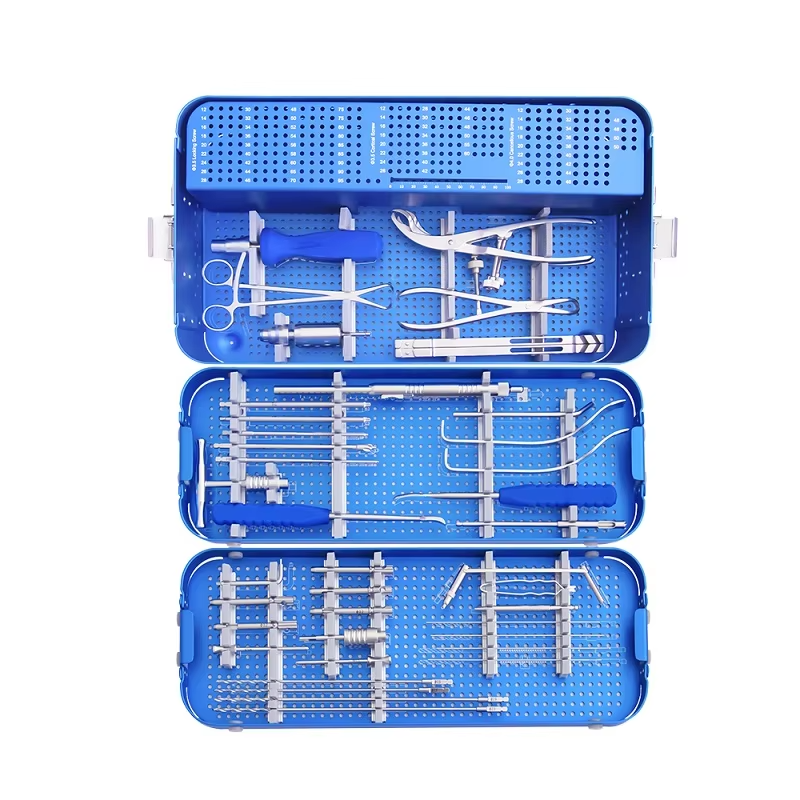
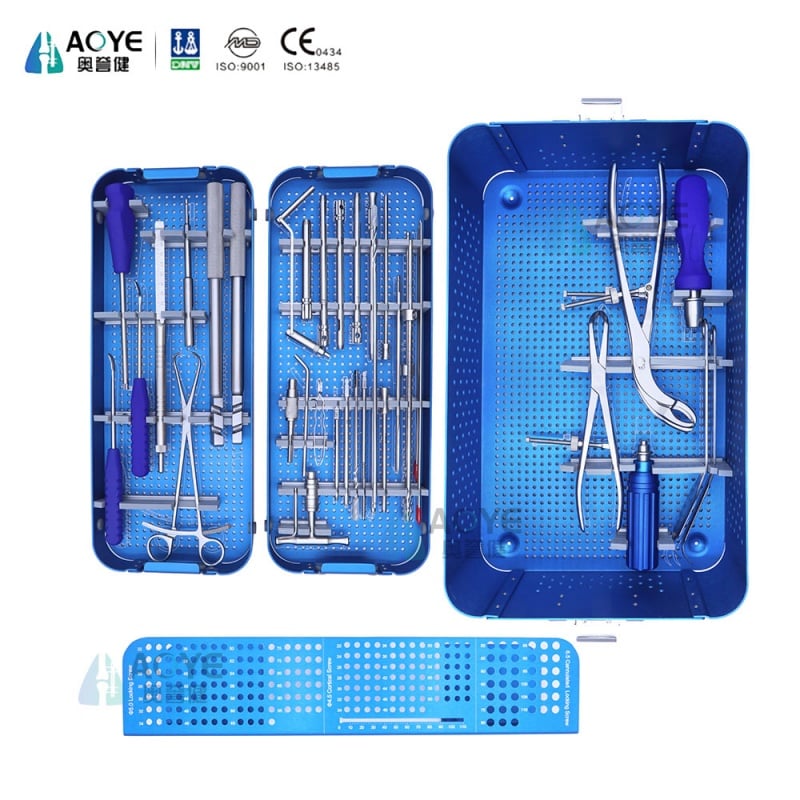
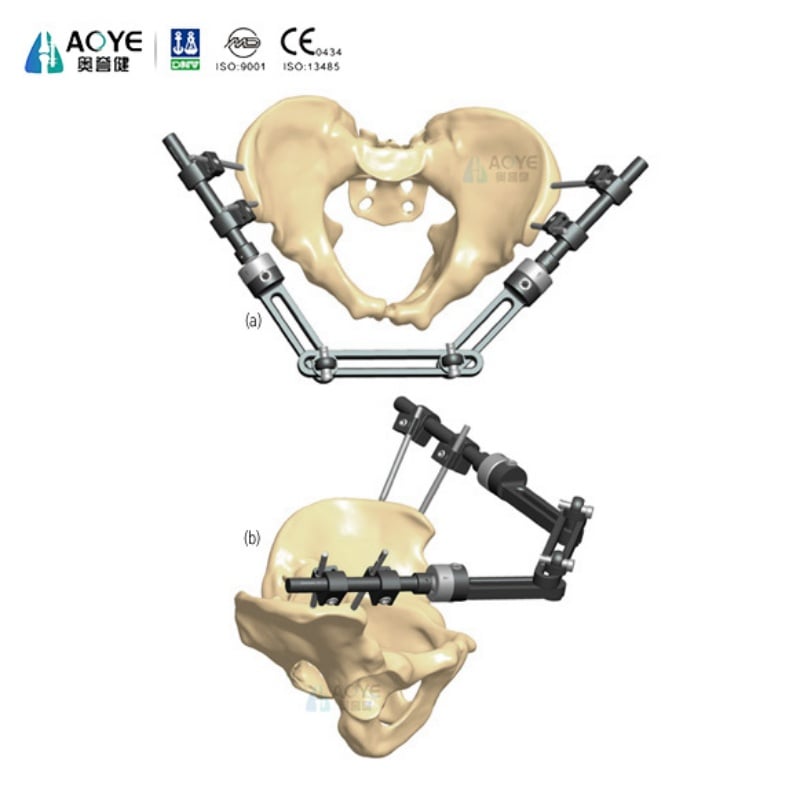
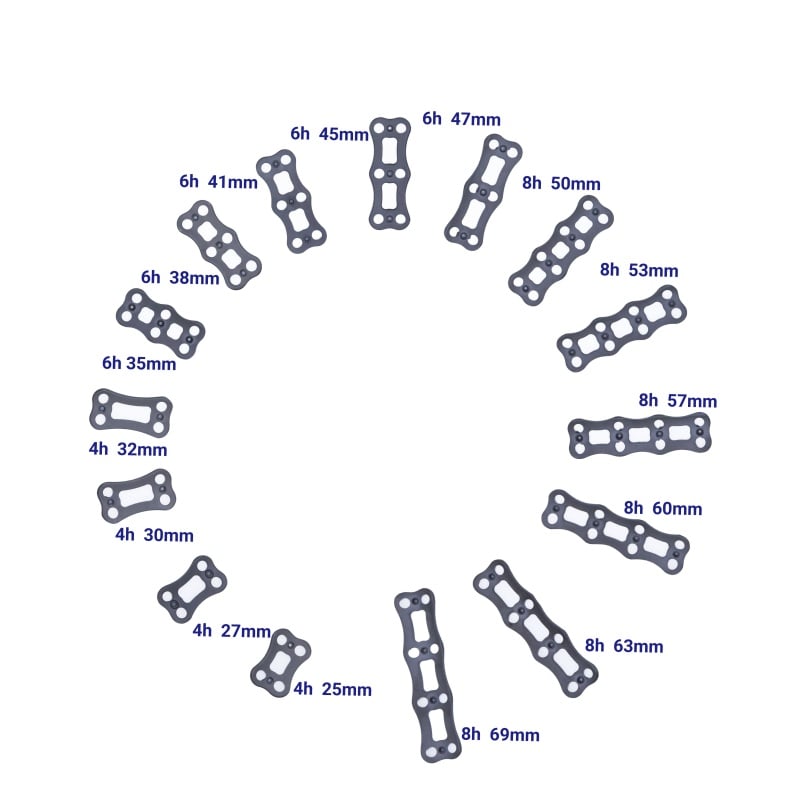
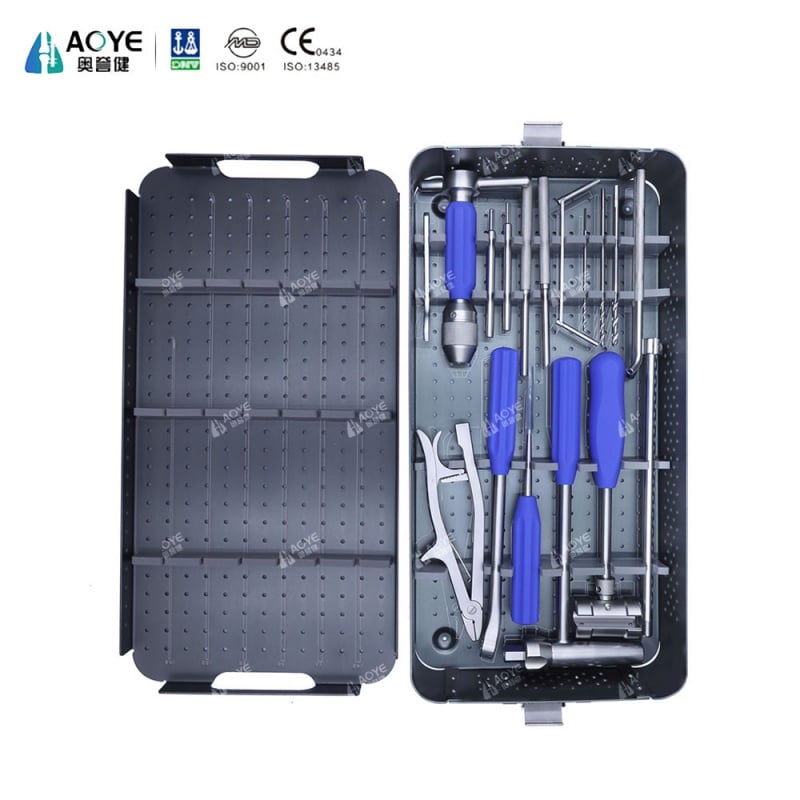
Selecting the right orthopedic supplies is crucial for healthcare providers, distributors, and purchasing managers in the medical field. These supplies, which include orthopedic implants and instruments, play a vital role in trauma, spine, and sports medicine. Understanding the specifications, applications, and proper usage of these products can significantly impact patient outcomes and operational efficiency. , we will explore key factors to consider when selecting orthopedic supplies for wholesale, provide a buyer's guide, ensure proper use, discuss their applications across various fields, and highlight how Aoyujian Medical guarantees trustworthy orthopedic external fixator.
When choosing Aoye orthopedic supplies for wholesale, several key factors should be evaluated to ensure quality and performance.
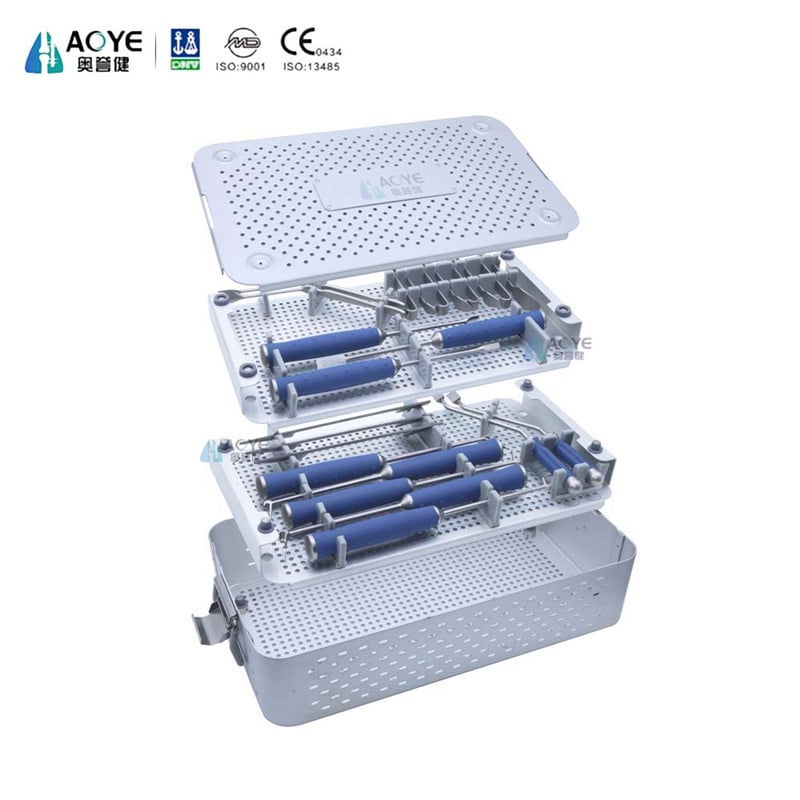
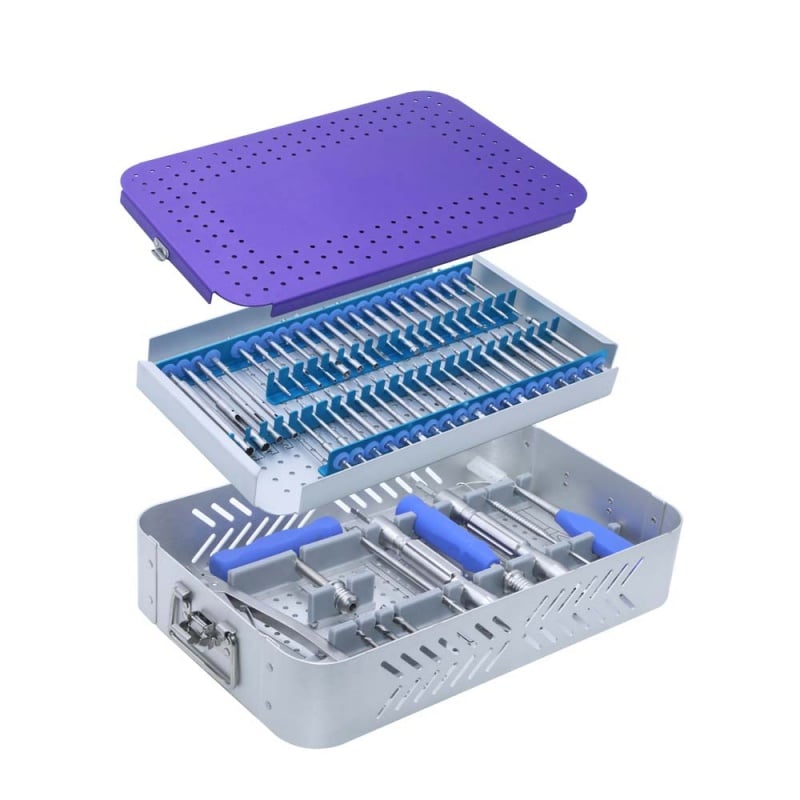
Product Specifications: Understanding the specifications of orthopedic implants and instruments is essential. Consider materials such as titanium and stainless steel, which are commonly used due to their strength, biocompatibility, and resistance to corrosion. The dimensions and design of the products must also align with the intended surgical procedures and patient needs.
Manufacturing Capabilities and Certifications: It is vital to verify that the supplier, such as Aoyujian Medical, holds relevant certifications like ISO13485 and CE. These certifications ensure that the manufacturer adheres to international quality management standards, which is critical for medical devices.
Customization and Variations: Orthopedic needs can vary significantly between different healthcare applications. Suppliers should offer customization options for implants and instruments to cater to specific surgical techniques or patient anatomies. Assessing the minimum order quantities (MOQ) and lead times for customized products is also important for planning inventory.
Quality Control Processes: A robust quality control system is essential for ensuring the reliability of bone saw orthopedic. Understanding the supplier's quality assurance protocols, including inspection processes and testing methodologies, can provide insight into product reliability.
Packaging and Shipping: Consideration should also be given to the packaging methods employed to protect the products during transit and storage. Proper packaging is crucial for maintaining sterility and product integrity.
When preparing to purchase orthopedic supplies, buyers should keep the following points in mind:
Define Your Needs: Specify the type of orthopedic supplies required, including the exact models, materials, and quantities. Clearly outline the intended applications for these products to ensure compatibility with surgical procedures.
Request Detailed Quotations: When requesting quotes, provide suppliers with detailed information, including technical drawings, material specifications, and performance requirements. This aids suppliers in offering accurate pricing and lead times.
Evaluate Samples: Before placing a mass order, request samples to evaluate the physical characteristics and performance of the products. This step can help avoid issues related to dimensions, fit, and overall quality.
Negotiate Terms: Discuss payment terms, lead times, and return policies with potential suppliers. Knowing these details upfront can prevent misunderstandings that may arise later in the purchasing process.
Assess Supplier Reliability: Research suppliers’ reputations, customer reviews, and their experience in the orthopedic field. A trustworthy supplier should have a proven track record of delivering quality products consistently.
Proper use of Aoye orthopedic supplies is crucial for achieving the desired surgical outcomes. Here are some best practices:
Training and Familiarization: Healthcare professionals should receive adequate training on the use of orthopedic instruments and implants. Familiarity with the products' features and intended applications can enhance surgical precision and patient safety.
Adhering to Instructions: Always follow the manufacturer's guidelines for product usage and handling. This includes understanding the recommended sterilization procedures to maintain product integrity and reduce infection risks.
Regular Quality Checks: Conduct regular inspections of orthopedic supplies to ensure they meet quality standards. Check for any signs of damage or wear that could compromise their performance during procedures.
Feedback Mechanism: Establish a feedback loop where surgical teams can report any issues or suggestions related to the use of orthopedic supplies. This can aid manufacturers in improving their products and services.
Orthopedic supplies have a wide range of applications across multiple medical fields:
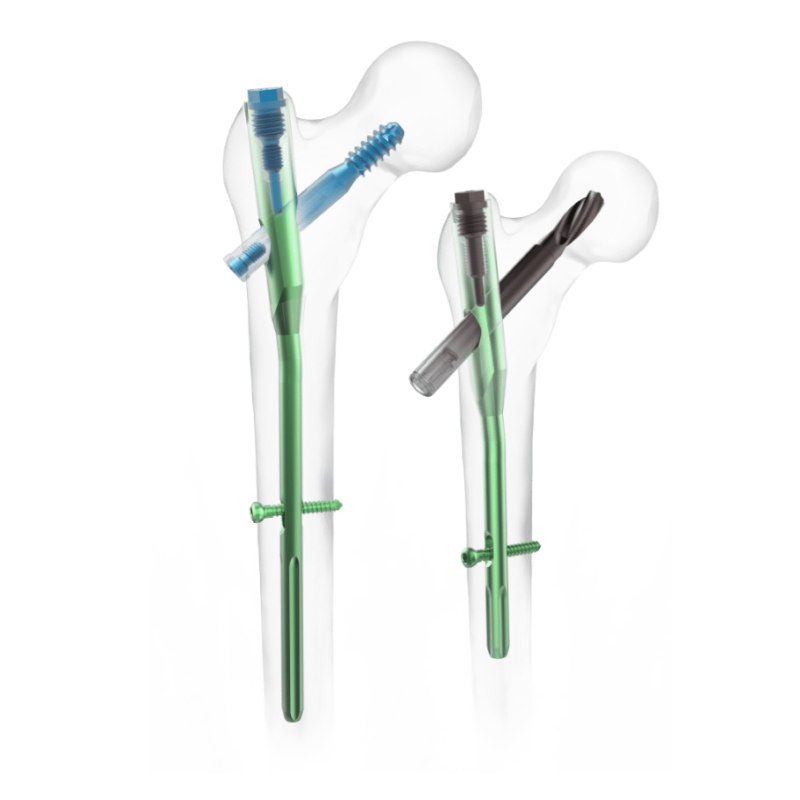
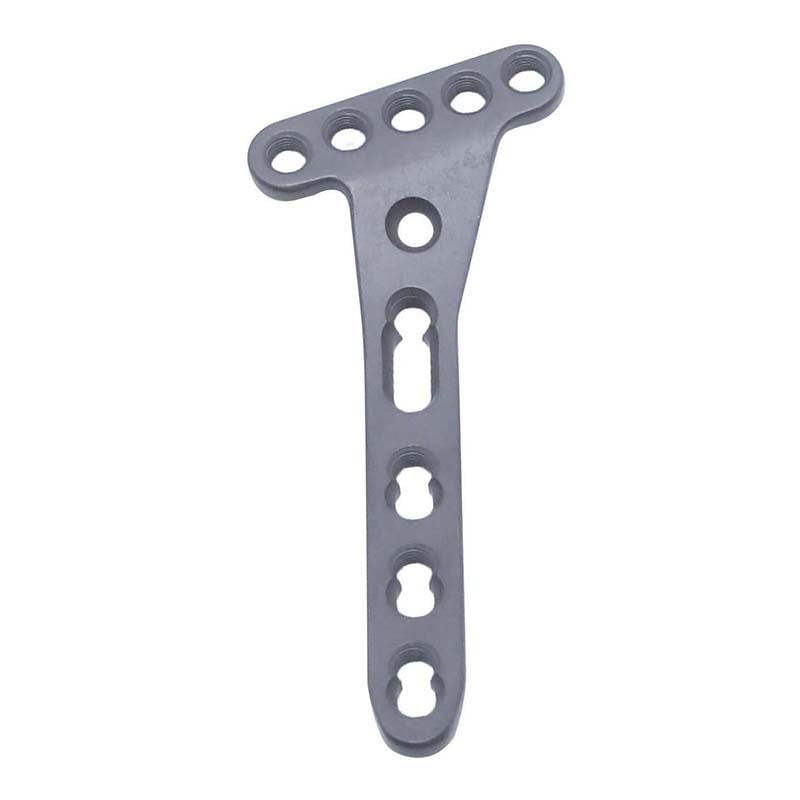
Trauma Surgery: Orthopedic implants, such as plates, screws, and nails, are essential for stabilizing fractures and promoting healing. Understanding the specific requirements for trauma implants—such as load-bearing capacity and compatibility with bone types—is vital.
Spine Surgery: In spinal procedures, specialized implants like rods and interbody cages are used to stabilize the spine. Knowledge of anatomical variations and surgical techniques is necessary when selecting these products.
Sports Medicine: Orthopedic supplies in sports medicine often involve implants and instruments designed for minimally invasive procedures. The products used must be tailored to address injuries specific to athletic activities, ensuring proper recovery and functionality.
Aoyujian Medical stands out as a reliable manufacturer of Aoye orthopedic supplies, serving partners in 45 countries. Here’s how the company ensures the trustworthiness of its products:
ISO13485/CE Certification: By adhering to rigorous quality management standards, Aoyujian Medical guarantees that its orthopedic implants and instruments meet international safety and efficacy requirements.
Advanced Manufacturing Capabilities: The company utilizes state-of-the-art production equipment and techniques, enabling the creation of high-quality orthopedic products that meet diverse market demands.
Customization Options: Aoyujian Medical offers customization capabilities, allowing clients to tailor products to specific surgical needs. This flexibility ensures that healthcare providers can obtain the exact supplies necessary for their practices.
Robust Quality Control Processes: The company employs strict quality control measures at every stage of production, from material selection to final inspection. This diligence helps to ensure that only the best products reach the market.
By understanding the factors involved in selecting and utilizing orthopedic surgical instruments, healthcare professionals and purchasing managers can make informed decisions that enhance surgical outcomes and patient care.
Aoyujian Medical Technology provides trusted orthopedic solutions, high-quality implants, OEM/ODM services, and global shipping for hospitals & distributors.
No. 2 Changting Road, Gehu Farm, Wujin Economic Development Zone, Changzhou, Jiangsu, China
Copyright © Aoyujian Medical Technology (Changzhou) Co., Ltd. All Rights Reserved - Privacy Policy - Blog
 EN