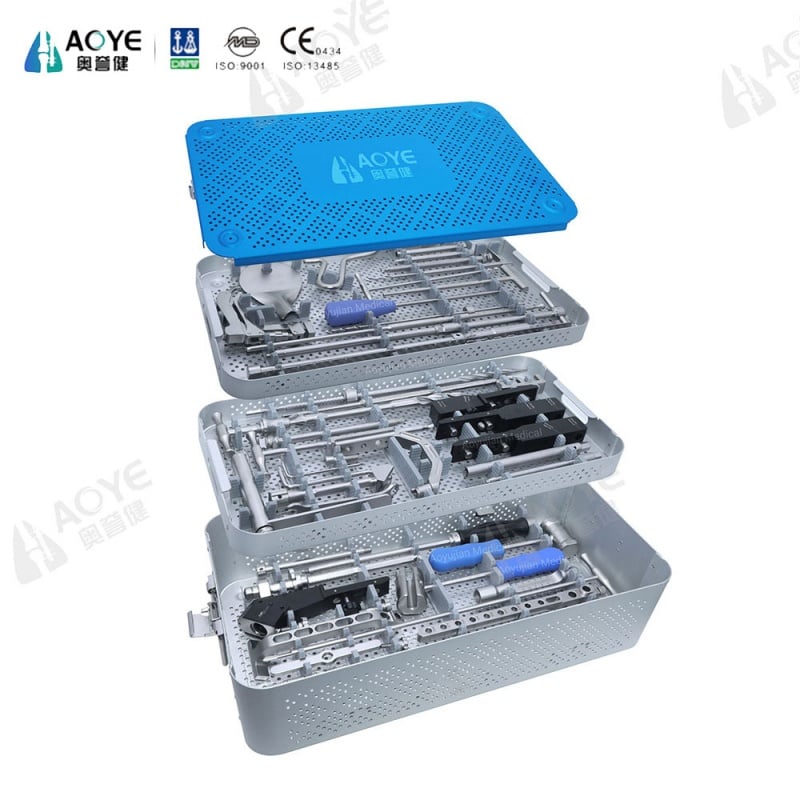
Choosing the right orthopedic surgery tools is critical for the success of surgical procedures, impacting patient outcomes directly. These specialized instruments are designed for various orthopedic applications, including trauma, spine, and sports medicine. B2B buyers, such as purchasing managers and medical professionals, often face concerns regarding the quality, specifications, and costs associated with these tools. This article will provide insights into selecting the appropriate orthopedic surgery tools, understanding their specifications, cost factors, common issues, and key considerations for buyers.
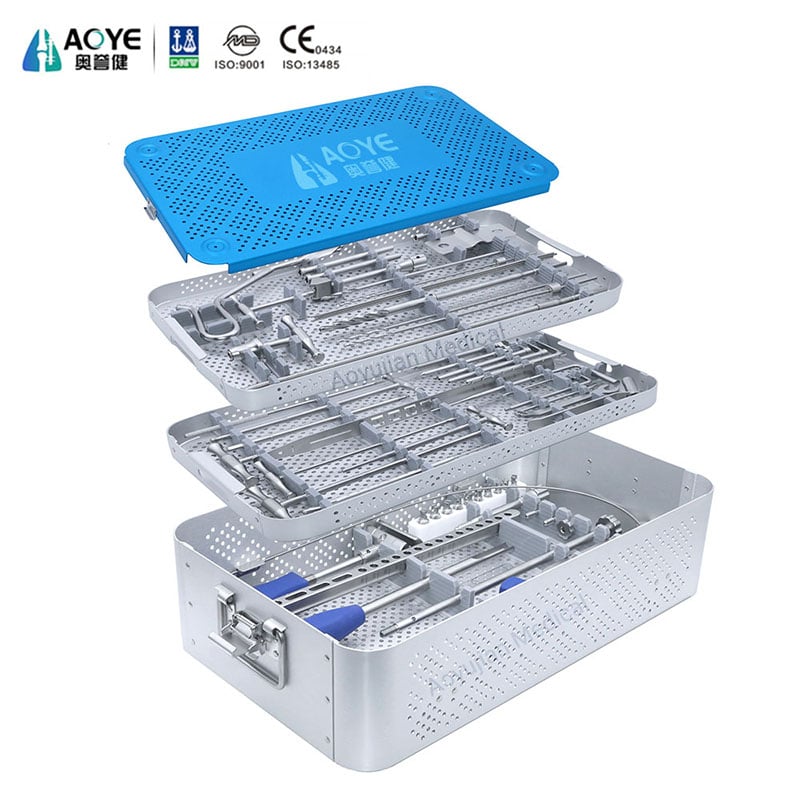
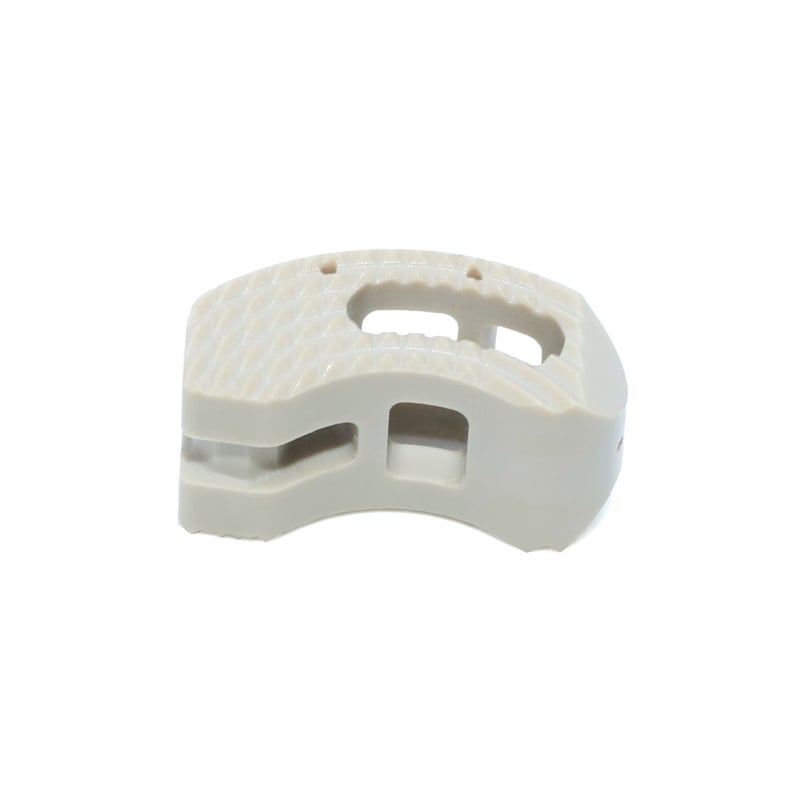
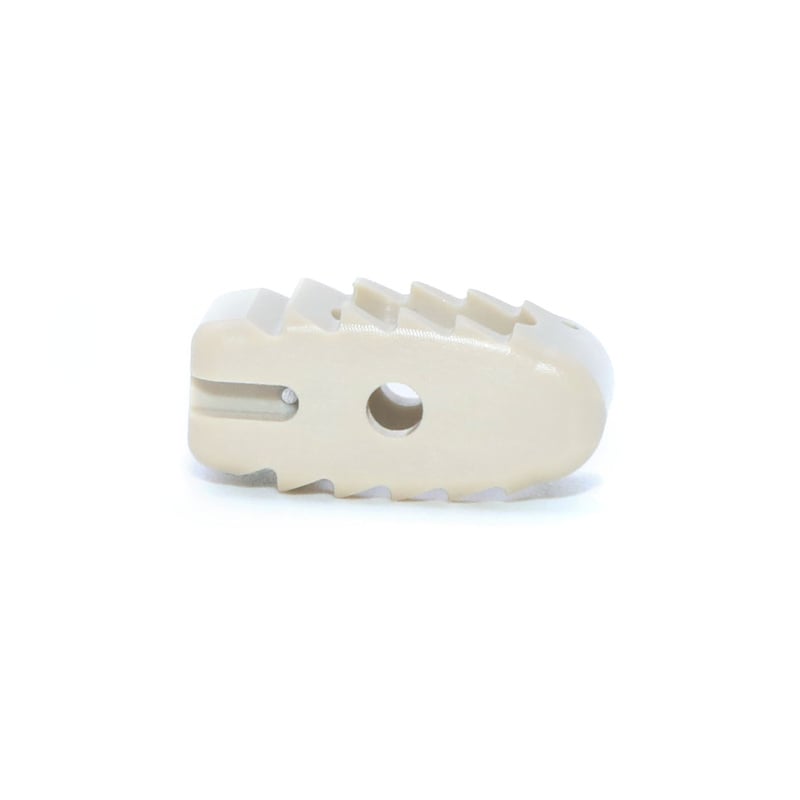
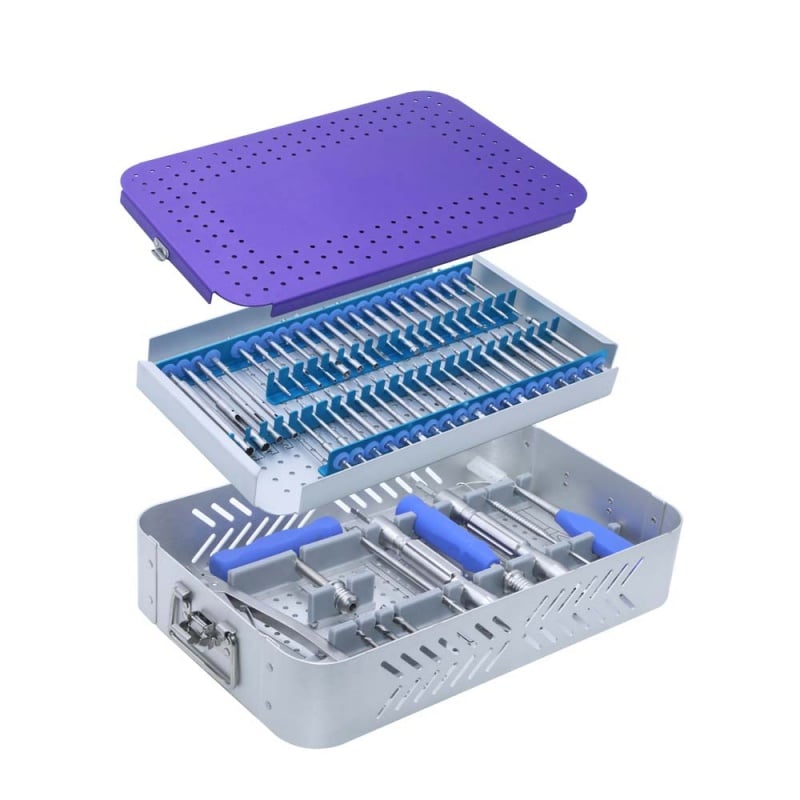
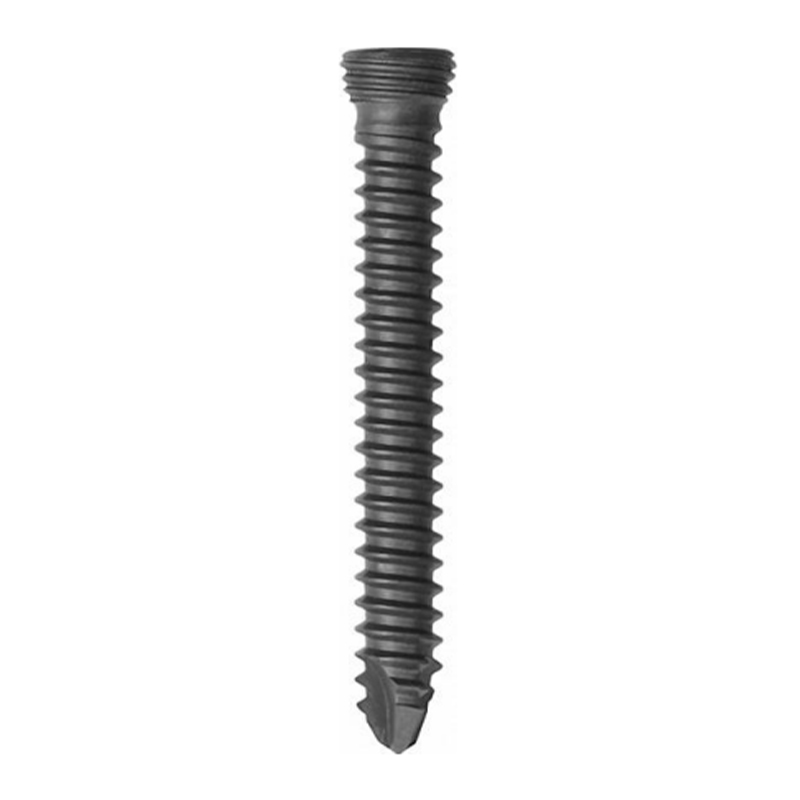
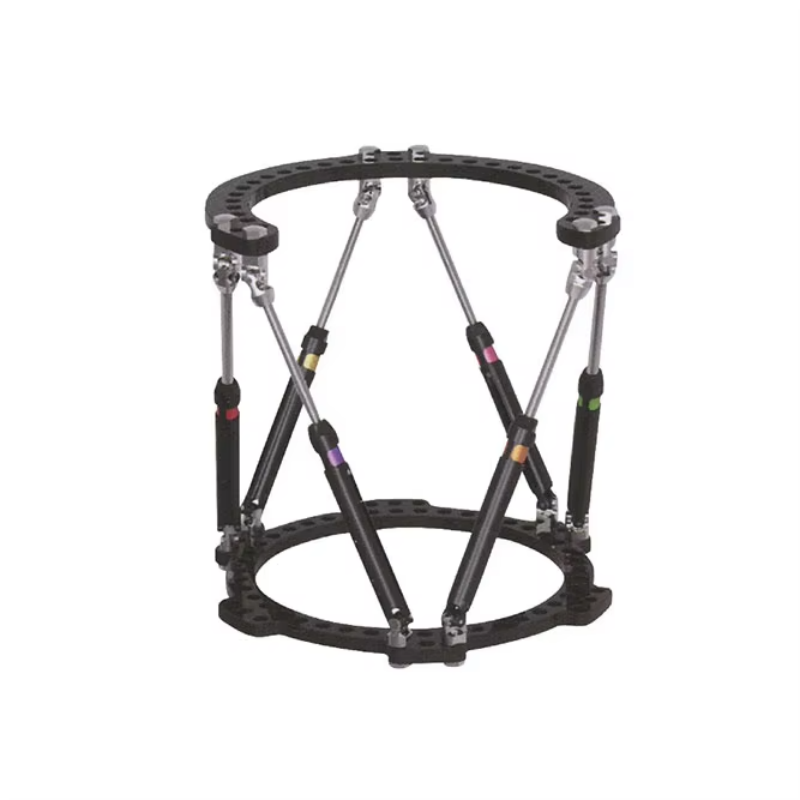
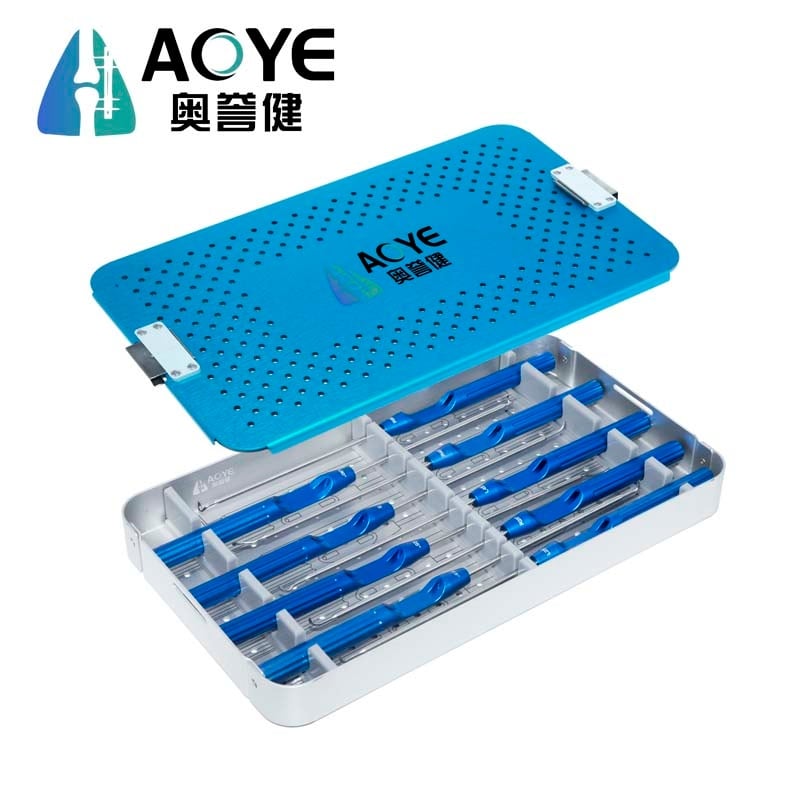
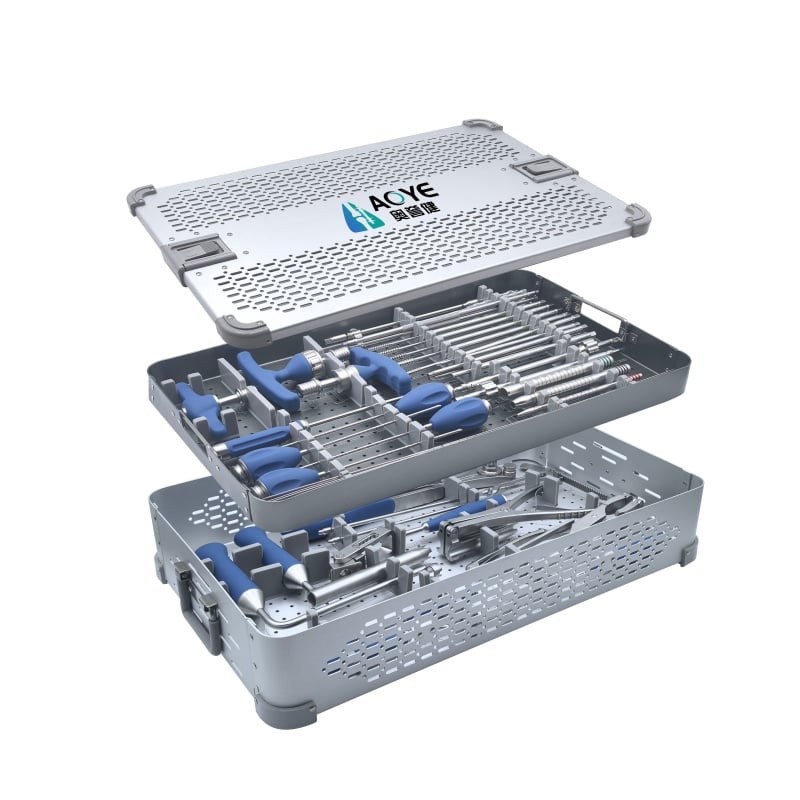
Selecting orthopedic surgery tools requires a comprehensive understanding of the surgical procedure and the specific instruments needed. Tools vary widely based on their intended application, such as trauma repair, spine surgery, or sports medicine interventions. For instance, orthopedic machine used in trauma surgeries may include bone clamps and retractors, while spine surgeries might require specific fixation instruments and interbody spacers.
When choosing tools, consider the surgical approach, patient anatomy, and the complexity of the procedure. It's essential to collaborate with orthopedic surgeons to gather insights about their preferences and the tools they find most effective. Additionally, verify that tools are compatible with other equipment and instruments used in the surgical suite. This compatibility can influence the efficiency and effectiveness of the surgical process.
Orthopedic surgery tools come with various specifications that dictate their performance and suitability for specific applications. Key specifications to consider include:
Material Composition: Instruments are typically made from stainless steel or titanium. Stainless steel offers good strength and corrosion resistance, while titanium is lighter and often used in implants due to its biocompatibility. The choice of material impacts durability and patient safety.
Dimensions and Tolerances: Precise dimensions are critical in orthopedic surgery instrument set to ensure proper fit and function. Tolerances should be defined according to the specific application to prevent complications during surgery.
Surface Finish: The surface treatment can affect both the durability and sterility of the instruments. Smooth finishes are essential for easy cleaning and to reduce the risk of infection.
Understanding these specifications helps ensure that the tools are not only effective but also safe for patient use. Buyers should request detailed technical data sheets from manufacturers to evaluate these specifications thoroughly.
When evaluating orthopedic surgery tools, pricing is a significant consideration. Several factors influence the overall cost, including:
Material Quality: Higher quality materials may incur additional costs but can offer better durability and performance, ultimately leading to cost savings through reduced replacement needs.
Manufacturing Processes: Tools that require complex manufacturing techniques, such as precision machining or specialized coatings, will typically have higher costs associated with them.
Volume Discounts: Purchasing in bulk can lead to significant savings. Buyers should inquire about minimum order quantities (MOQs) and pricing structures for larger orders.
Customization Needs: Custom instruments tailored to specific surgical procedures may come with a premium price. Always weigh the benefits of customization against standard options.
Buyers are encouraged to conduct a total cost of ownership analysis, factoring in potential maintenance and replacement costs over the instrument's lifecycle when making purchasing decisions.
Despite advancements in manufacturing, orthopedic surgery tools may present several issues. Common problems include:
Instrument Failure: This can occur due to material defects or wear over time. Regular quality control checks and adherence to ISO certifications, like ISO13485, can help mitigate risks.
Compatibility Issues: Instruments may not fit well with existing equipment, leading to inefficiencies. Buyers should ensure compatibility by consulting with manufacturers regarding their specific surgical setups.
Maintenance and Sterilization: Some materials may be more challenging to clean and sterilize, increasing the risk of infection. Choosing instruments with smooth surfaces and those designed for easy sterilization can help reduce this risk.
Having a reliable quality assurance process in place can help address these issues. Buyers should maintain open communication with manufacturers to discuss any concerns and ensure timely resolutions.
When preparing to purchase orthopedic surgery tools, consider the following key factors:
Technical Specifications: Be clear about the required dimensions, material preferences, and any necessary certifications. Having a detailed specification sheet can facilitate smoother discussions with suppliers.
Supplier Reputation: Research potential suppliers. Look for manufacturers with a proven track record in the industry, such as Aoyujian Medical, known for their expertise and reliability in producing orthopedic surgery instruments.
Sample Inspection: Before committing to a bulk order, request samples to evaluate quality and performance under actual operating conditions. This step is crucial for ensuring that the tools meet specific requirements.
Lead Time and Delivery: Understand the expected lead times for production and delivery. Confirm these timelines with suppliers to ensure they align with your operational needs.
By taking these considerations into account, buyers can make informed decisions that will enhance surgical outcomes and overall patient care.
Aoyujian Medical Technology provides trusted orthopedic solutions, high-quality implants, OEM/ODM services, and global shipping for hospitals & distributors.
No. 2 Changting Road, Gehu Farm, Wujin Economic Development Zone, Changzhou, Jiangsu, China
Copyright © Aoyujian Medical Technology (Changzhou) Co., Ltd. All Rights Reserved - Privacy Policy - Blog
 EN