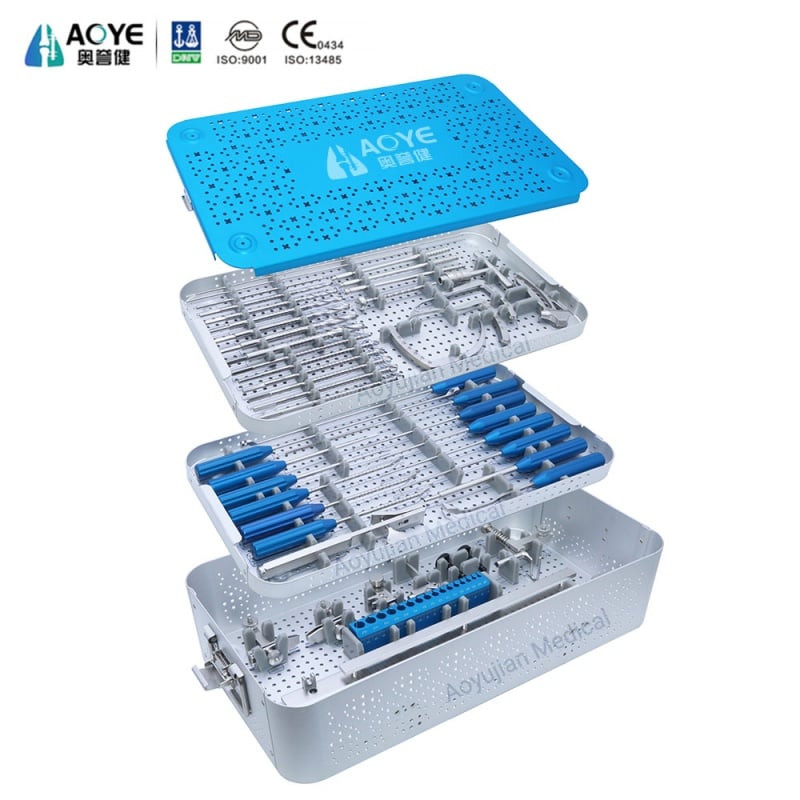
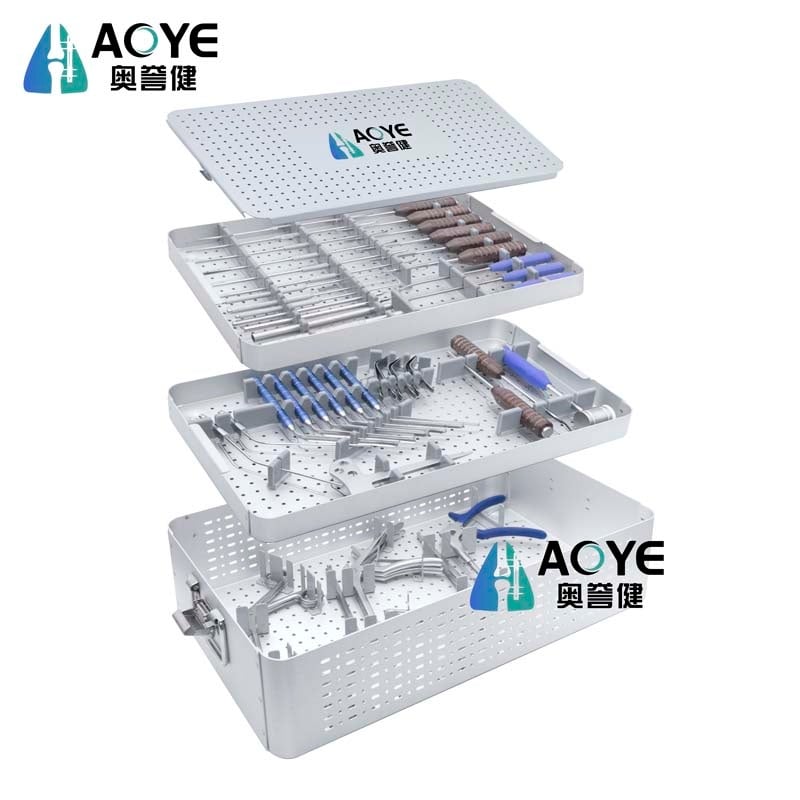
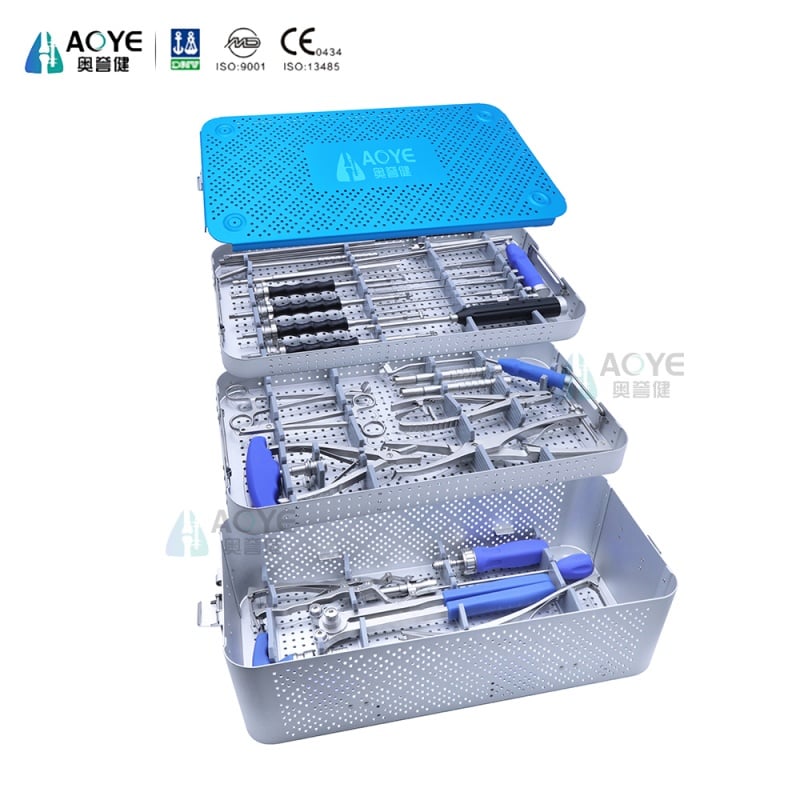
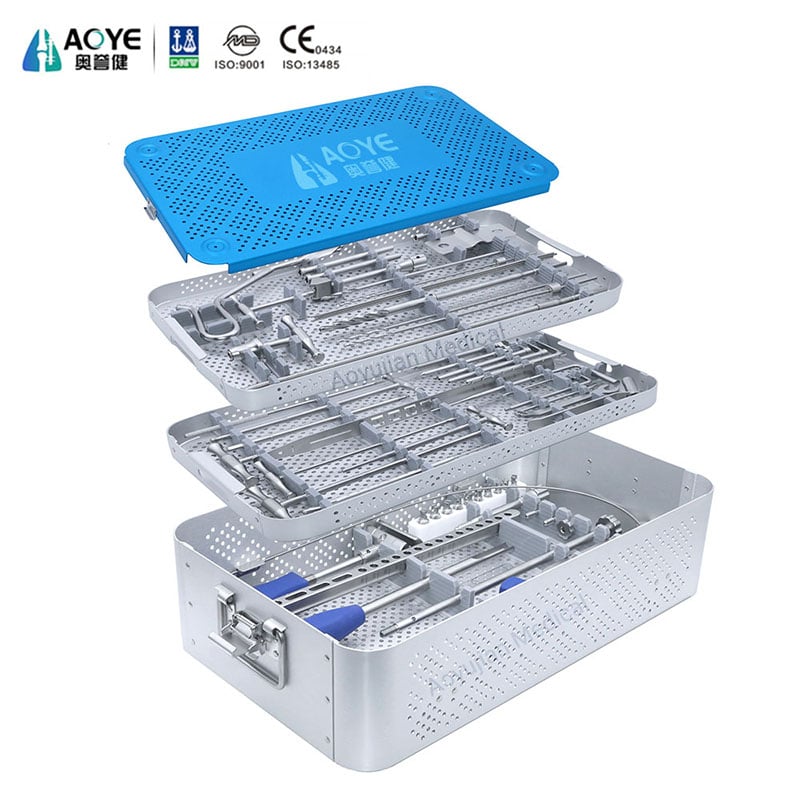
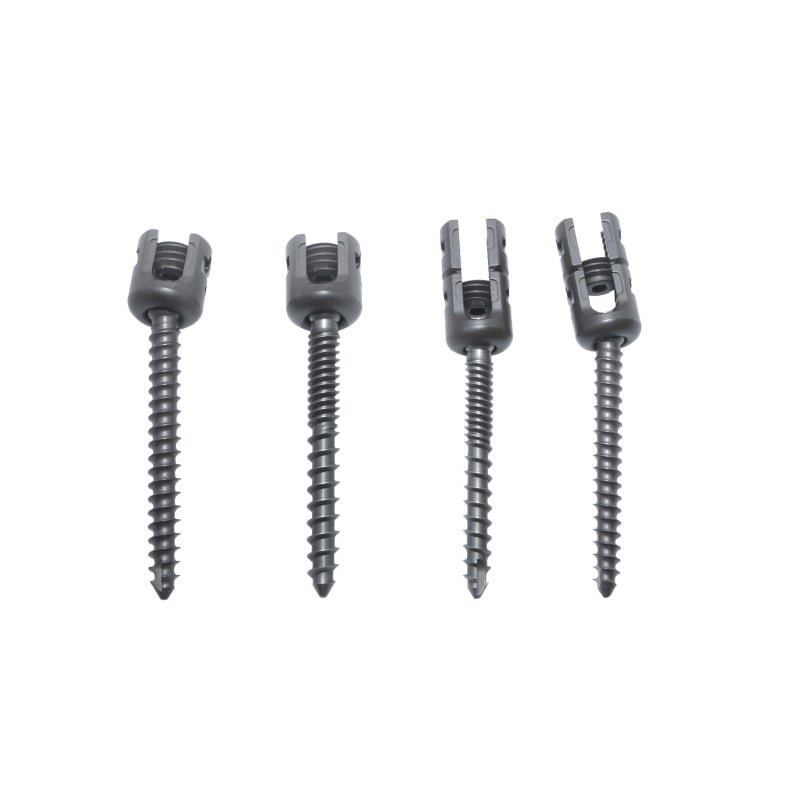
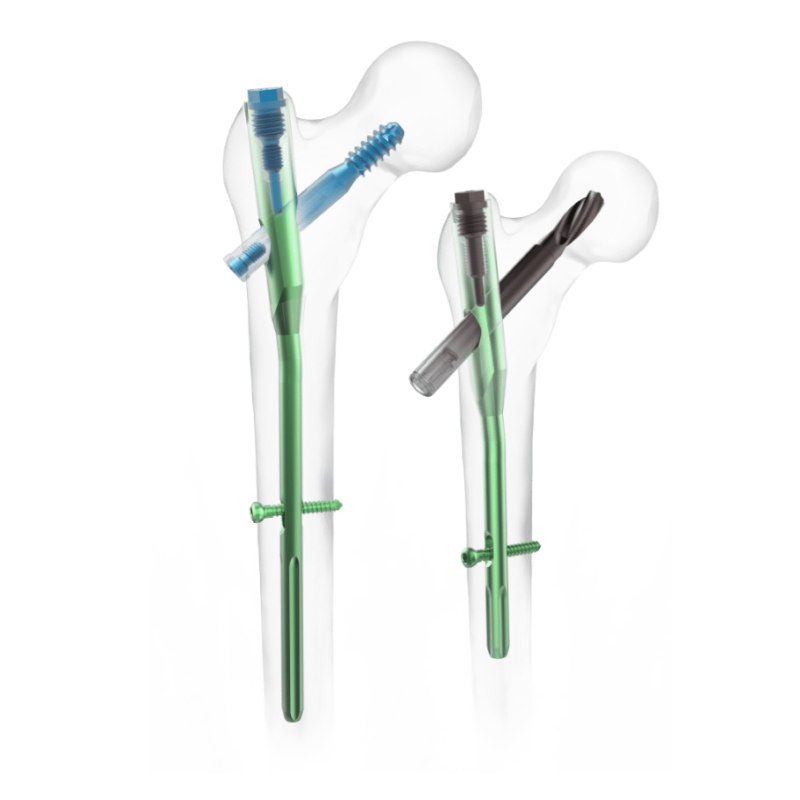
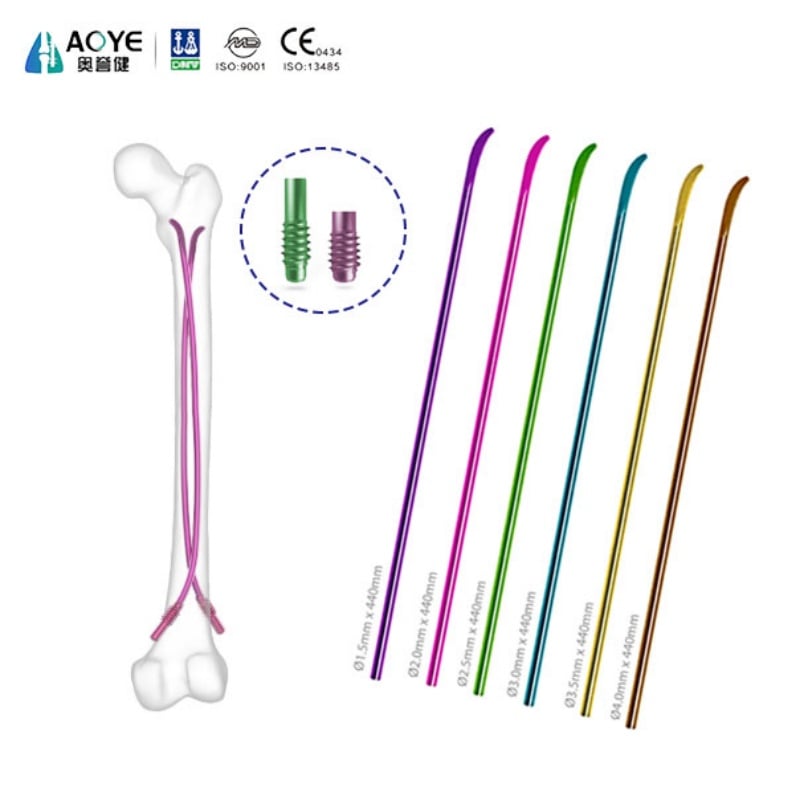
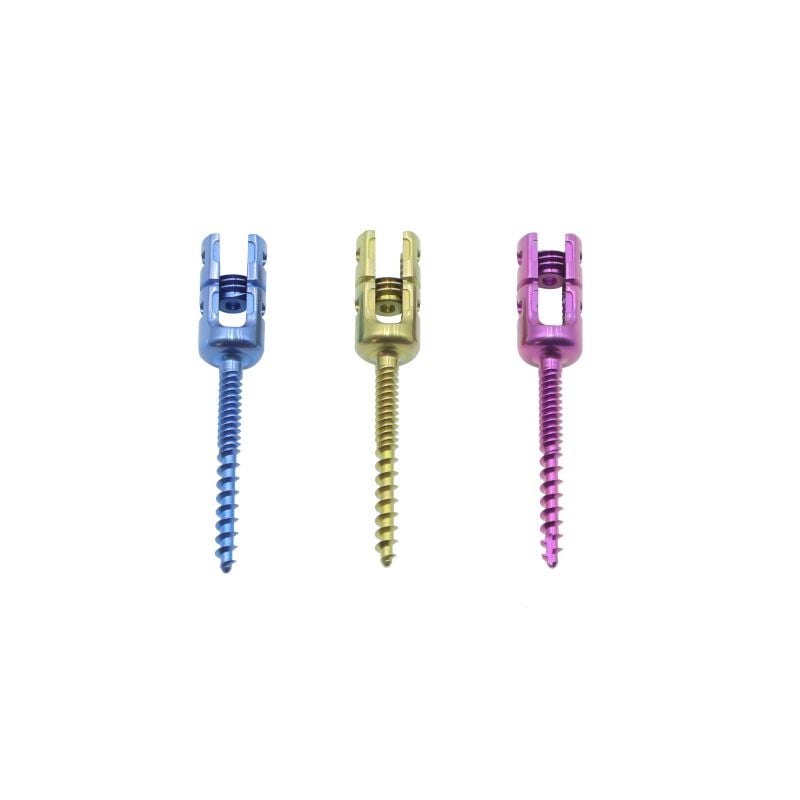
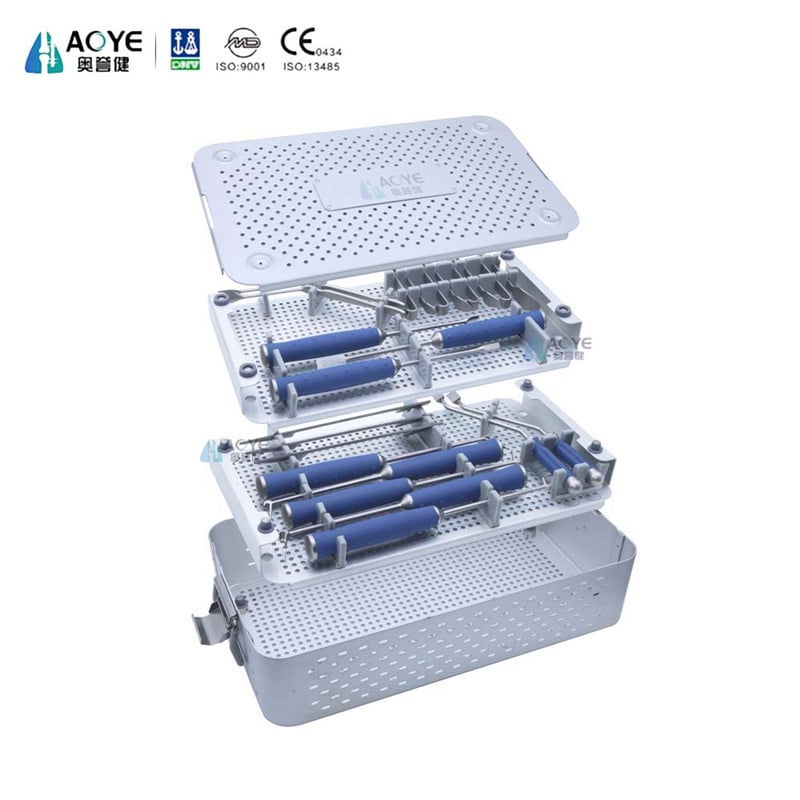
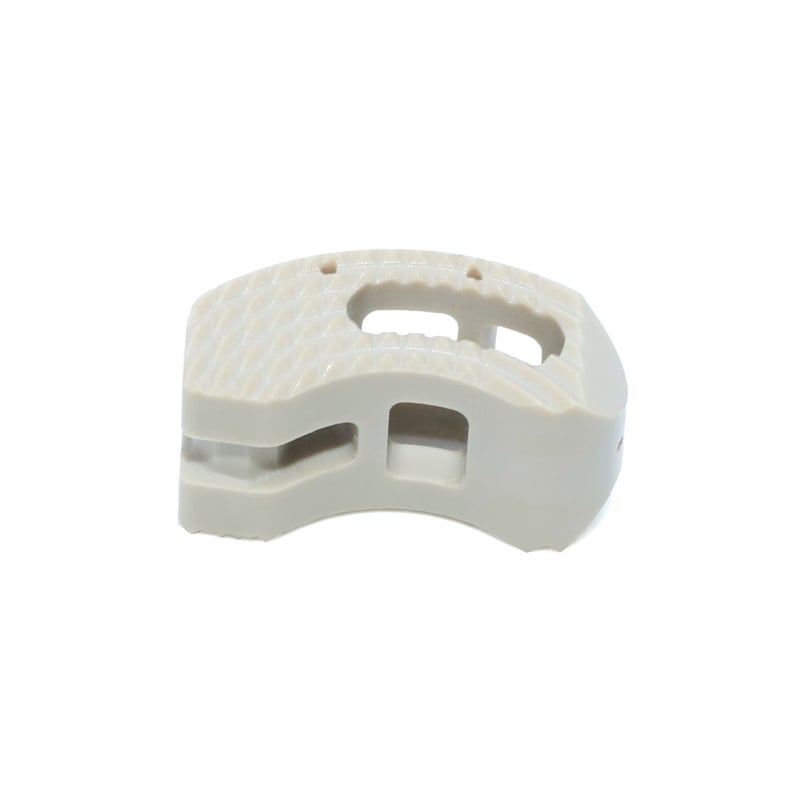
When selecting orthopedic surgical items, it is essential to consider various factors that ensure safety, effectiveness, and compatibility with surgical procedures. Orthopedic surgical items, including implants and instruments used in trauma, spine, and sports medicine, play a critical role in patient outcomes. This article will guide purchasing managers, distributors, and other professionals in making informed decisions about orthopedic ortho surgical instruments by addressing supplier reliability, key specifications, quality assessment, common challenges, and the benefits of partnering with a trusted supplier like Aoyujian Medical.
Selecting a reliable supplier for orthopedic surgical items is crucial for ensuring quality and consistency in surgical outcomes. Look for manufacturers that hold recognized certifications such as ISO13485 and CE, which indicate adherence to international quality management standards. Additionally, consider the supplier's experience in the industry and their ability to serve diverse markets. Aoyujian Medical, for instance, has established a reputation for reliability by serving partners in 45 countries.
When evaluating suppliers, assess their manufacturing capabilities, including their production equipment and technology. A manufacturer with advanced machinery can enhance precision and reduce the risk of defects in surgical drill implants and instruments. Furthermore, inquire about their customization capabilities to meet specific clinical needs, as well as their minimum order quantities (MOQ) to align with your purchasing strategy.
Understanding the key specifications of orthopedic surgical items is essential for ensuring compatibility with surgical techniques and patient needs. Important factors to evaluate include:
Material Composition: The choice of materials, such as titanium, stainless steel, or bioresorbable polymers, affects the strength, biocompatibility, and longevity of implants. For example, titanium is favored for its strength-to-weight ratio and resistance to corrosion.
Dimensions and Geometry: Proper sizing and geometry are critical to the successful integration of implants. Buyers should verify dimensions against anatomical requirements to prevent complications during surgeries.
Surface Treatments: Surface finishes can impact osseointegration and reduce infection risks. Options like roughened surfaces or coatings should be evaluated based on the intended application.
Load-Bearing Capacity: Understanding the surgical drill bits load-bearing specifications is vital, especially for weight-bearing implants. This ensures that the product can withstand the stresses encountered in the body.
Confirm these specifications with your supplier to ensure that the products meet your specific application requirements.
Quality assessment of orthopedic surgical items goes beyond visual inspection. Implementing a comprehensive evaluation process is vital. Key steps include:
Sample Testing: Request samples to assess crucial attributes such as fit, finish, and mechanical properties. Testing under actual operating conditions can reveal potential issues not apparent in static evaluations.
Quality Control Processes: Inquire about the supplier's quality assurance protocols. Aoyujian Medical employs rigorous quality control measures throughout the manufacturing process, ensuring that each product meets high standards.
Documentation and Traceability: Verify the availability of documentation that traces the product's manufacturing history. This includes certificates of conformity and compliance with regulatory standards, which are essential for accountability in healthcare environments.
Feedback and Reviews: Seek feedback from other buyers or healthcare professionals who have used the products. Their insights can provide a real-world perspective on performance and reliability.
Regular quality audits and inspections can further reinforce trust in your supplier's commitment to excellence.
Orthopedic surgeries can encounter various challenges, often related to the surgical items used. Some common problems include:
Implant Failure: This can arise from improper sizing or material fatigue. Mitigating this risk starts with thorough preoperative planning and using high-quality, tested implants.
Infection: Surgical site infections may occur if the materials do not meet biocompatibility standards. Selecting implants with antimicrobial coatings or those made from materials that resist infection can help minimize this risk.
Poor Integration: Insufficient osseointegration can lead to implant loosening. Ensuring that the selected implants have optimal surface treatments and conform to the anatomical requirements can enhance integration.
Addressing these issues requires collaboration with experienced suppliers who understand the complexities of orthopedic applications and can provide tailored solutions.
Working with a reliable orthopedic supplier offers several advantages, including:
Consistency in Quality: A trusted supplier prioritizes quality control, ensuring that every batch of products meets the required standards.
Technical Support: Experienced suppliers can provide valuable insights and support during the selection process, helping you choose the most suitable products for specific applications.
Streamlined Communication: Building a relationship with a dedicated supplier can facilitate better communication regarding orders, customizations, and technical inquiries.
Long-term Partnerships: Establishing a long-term partnership allows for better alignment in quality expectations, product development, and adaptability to changing market needs.
Partnering with Aoyujian Medical, known for its expertise in manufacturing orthopedic implants and instruments, can provide the reassurance of quality and reliability in your surgical offerings.
In summary, understanding the specifications, evaluating quality, and selecting a reliable supplier are critical steps in procuring orthopedic surgical items. By focusing on these aspects, purchasing managers and healthcare professionals can ensure they make informed decisions that positively impact patient outcomes.
Aoyujian Medical Technology provides trusted orthopedic solutions, high-quality implants, OEM/ODM services, and global shipping for hospitals & distributors.
No. 2 Changting Road, Gehu Farm, Wujin Economic Development Zone, Changzhou, Jiangsu, China
Copyright © Aoyujian Medical Technology (Changzhou) Co., Ltd. All Rights Reserved - Privacy Policy - Blog
 EN