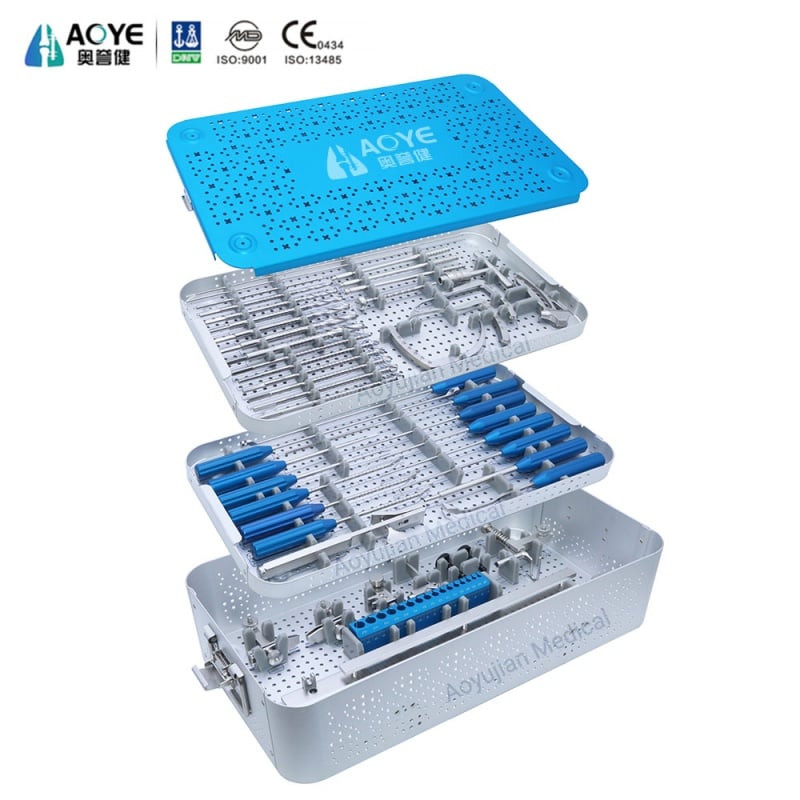
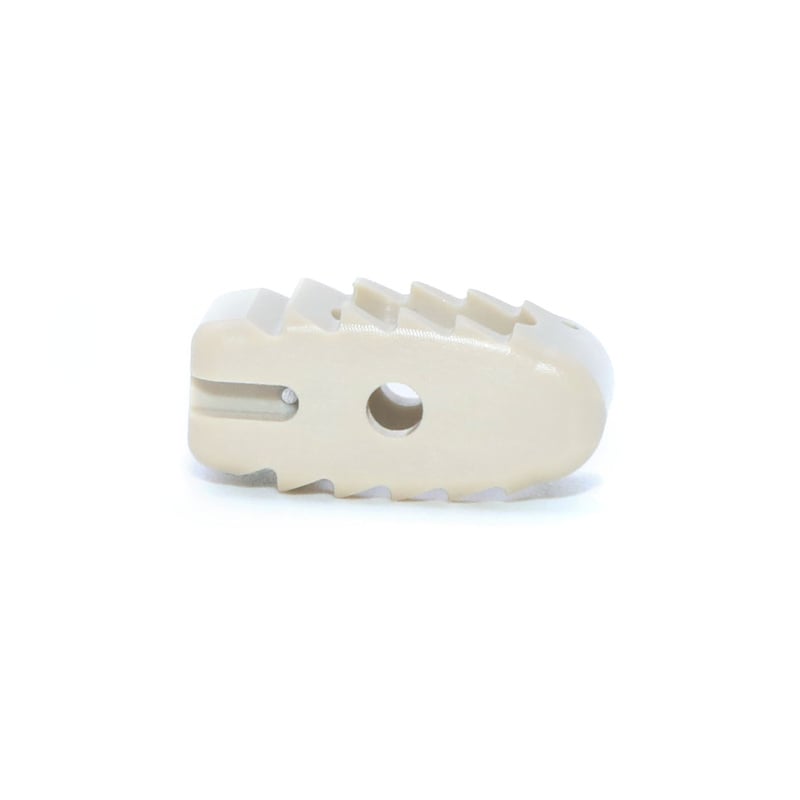
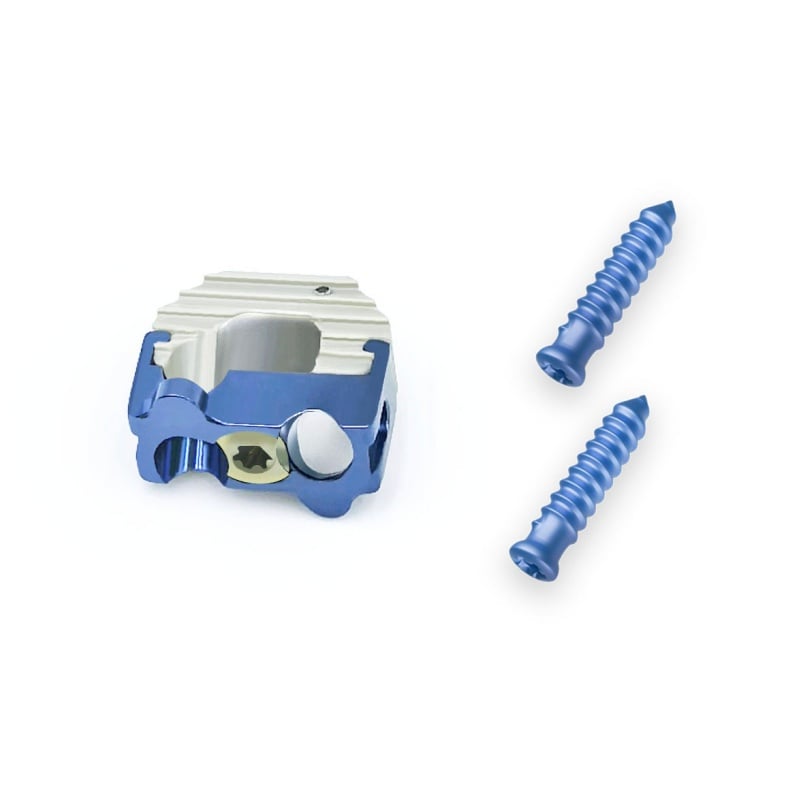
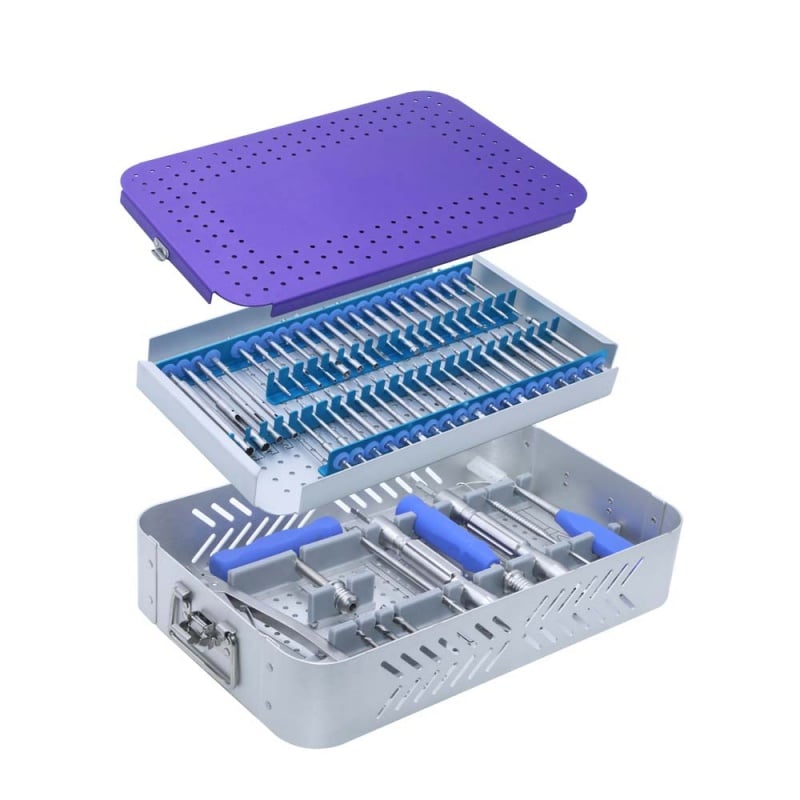
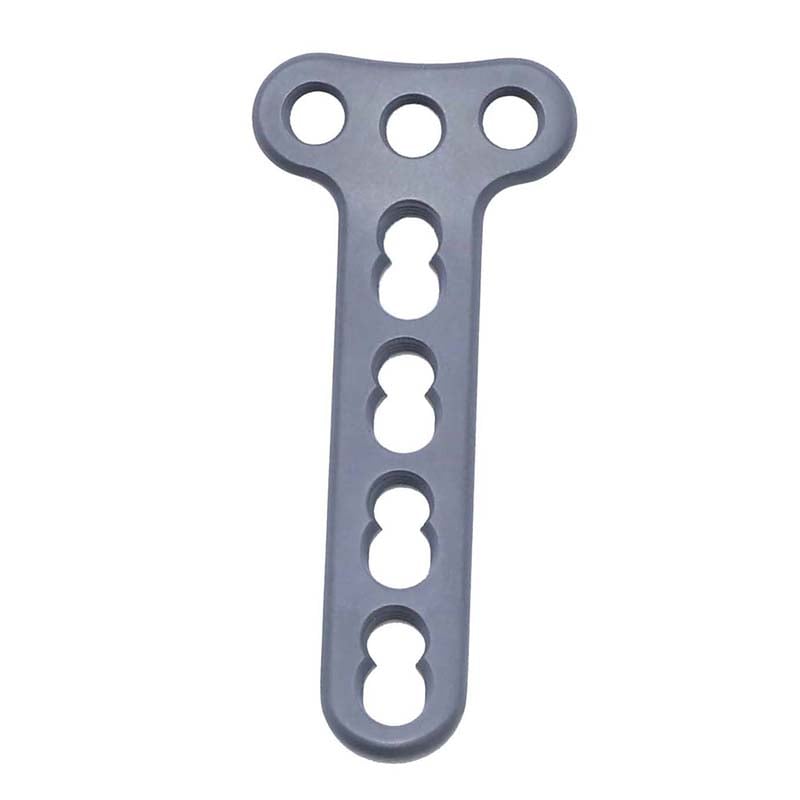
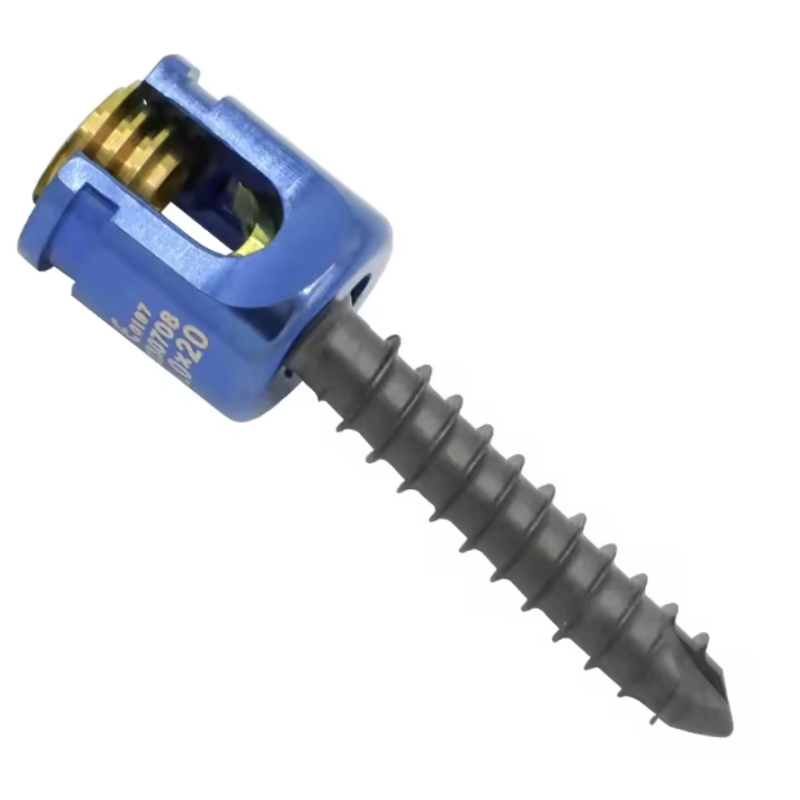
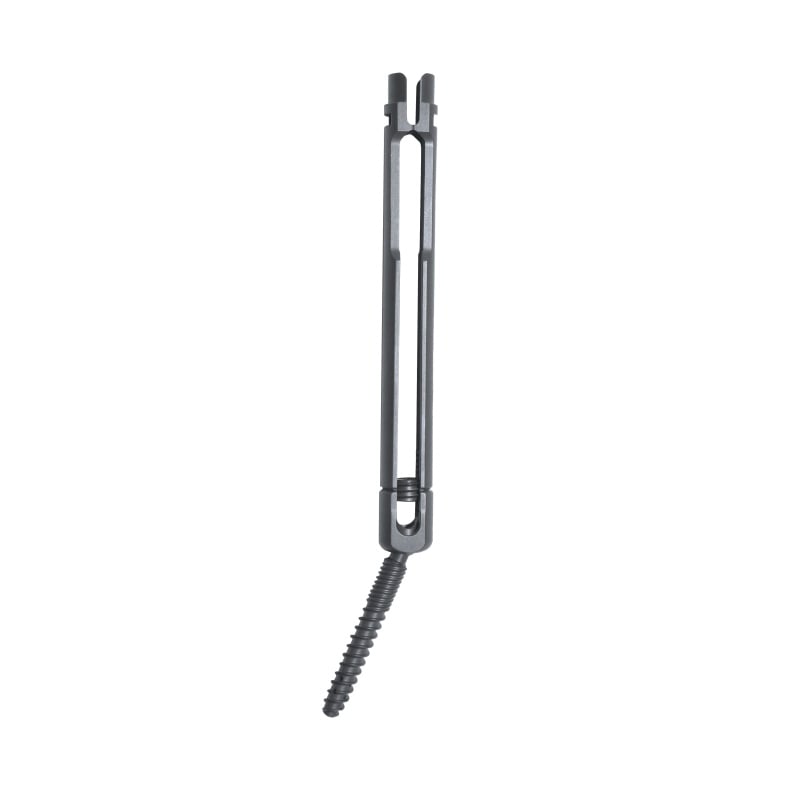
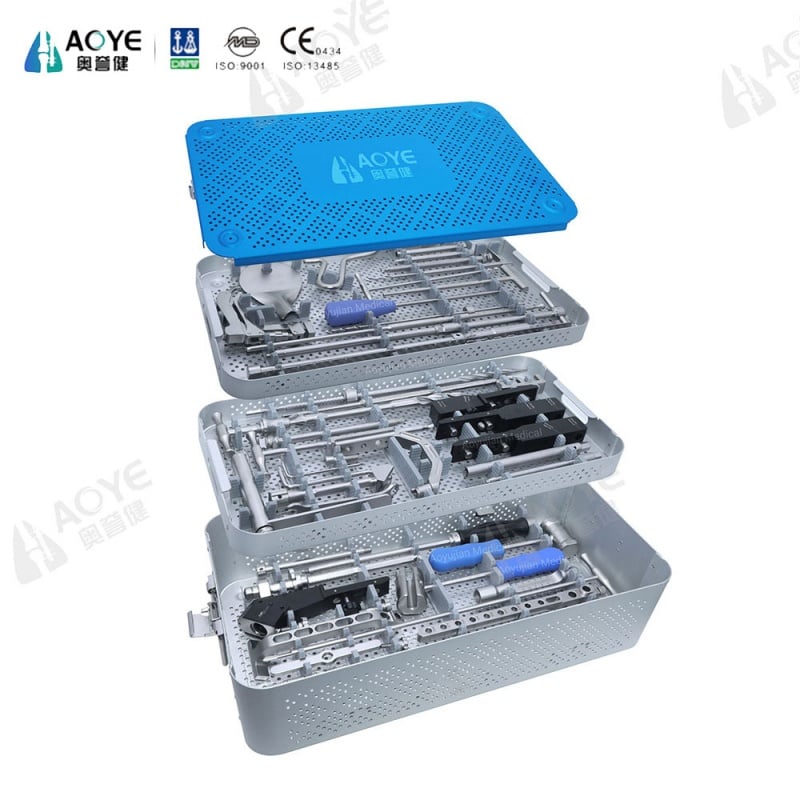
In the world of healthcare, orthopedic tools play a vital role in the diagnosis, treatment, and rehabilitation of musculoskeletal conditions. For B2B buyers like purchasing managers, distributors, and medical professionals, selecting the right orthopedic instruments is paramount. The right tools can ensure better patient outcomes, enhance surgical efficiency, and reduce risks during procedures. AOYE will provide insights into the key considerations for selecting Orthopedic Instruments, finding reliable suppliers, understanding quality control processes, evaluating cost factors, and ensuring effective installation and usage.
When selecting Orthopedic Instruments, various specifications must be evaluated to ensure suitability for specific applications. Key specifications includes the choice of material that affects the tool's strength, durability, and bio-compatibility. Stainless steel is commonly used due to its resistance to corrosion, while titanium may be preferred for its light weight and strength. Accurate sizing is crucial. Tools must fit the specific anatomical regions they are intended to treat. Mismatched sizes can lead to complications during surgery or rehabilitation. Lightweight tools can reduce fatigue during extended procedures, improving the surgeon's precision and effectiveness. Tools should be designed for ease of use, reducing strain on the operator. Handles that provide a secure grip can enhance control during delicate procedures. Surface finishing affects both functionality and sterilization. A smooth surface is easier to clean and less likely to harbor bacteria.
Understanding these specifications helps buyers make informed decisions, ensuring that the instruments support effective clinical outcomes.
In identifying reliable suppliers for orthopedic instruments is crucial for ensuring quality and compliance. Buyers should consider the following avenues:
1. Events like the Orthopedic Conference and Med Tech Expo provide opportunities to meet manufacturers, see products firsthand, and discuss specifications in detail.
2. Websites that can connect buyers with numerous suppliers. However, due diligence is essential to verify the suppliers' certifications and product quality.
3. Engaging with industry peers and associations can yield recommendations for reputable manufacturers known for quality Orthopedic Instruments.
4. Look for suppliers with certifications such as ISO13485 and CE marking, which indicate compliance with international quality standards.
Buyers should conduct thorough research and request samples or references to ensure that the supplier can meet their specific requirements.
Quality control is critical in the manufacturing of Orthopedic Instruments to ensure safety and efficacy. A reliable quality control process typically includes raw materials that are tested for compliance with specified standards before production begins. This step is vital for ensuring the integrity of the final product. During manufacturing, regular inspections and tests are conducted to monitor processes and detect any deviations from standards. This can include dimensional checks and functional tests. Before products are shipped, they undergo rigorous testing to confirm they meet quality specifications. This may include sterilization validation, mechanical testing, and visual inspections for defects. Comprehensive records of all quality control processes should be maintained. This documentation provides traceability and accountability, which are crucial for regulatory compliance.
By understanding the quality control measures in place at a manufacturing facility, buyers can have greater confidence in the reliability and safety of the orthopedic tools they are purchasing.
Cost considerations are vital when purchasing orthopedic instruments, as they can vary significantly based on several factors. The choice of materials directly impacts the price. High-quality materials such as titanium generally cost more but offer enhanced performance. Advanced manufacturing techniques, such as machining or additive manufacturing, can increase costs but may result in superior precision and quality. Customized tools tailored to specific surgical needs may incur additional charges. Buyers should evaluate whether customization is necessary based on their application. Ordering of Orthopedic Instruments in bulk may lead to reduced unit costs. It’s essential for buyers to assess their inventory needs and potential savings from larger orders. Consideration must be given to shipping costs, especially for international orders. Additionally, understanding lead times is crucial for inventory management.
By weighing these cost factors, buyers can make informed decisions that balance quality with budget constraints.
Proper installation and usage of Orthopedic Instruments are critical for achieving optimal performance. Buyers should consider the following guidance:
1. Ensure that all users are adequately trained in the proper handling and usage of the instruments. Manufacturers often provide training resources or sessions to help medical staff understand the tools’ functionalities.
2. Follow the manufacturer's guidelines for the installation of any specialized tools or instruments. This ensures they function correctly and reduces the risk of damage or malfunction.
3. Establish regular maintenance schedules to ensure tools remain in optimal condition. This includes cleaning, sterilization, and periodic inspections for wear and tear.
4. Create a system for users to report any issues with the tools. This feedback can be invaluable for manufacturers and for improving future product iterations.
By focusing on effective installation and usage practices, medical facilities can maximize the value and performance of their orthopedic instruments, ultimately improving patient care.
Aoyujian Medical Technology provides trusted orthopedic solutions, high-quality implants, OEM/ODM services, and global shipping for hospitals & distributors.
No. 2 Changting Road, Gehu Farm, Wujin Economic Development Zone, Changzhou, Jiangsu, China
Copyright © Aoyujian Medical Technology (Changzhou) Co., Ltd. All Rights Reserved - Privacy Policy - Blog
 EN