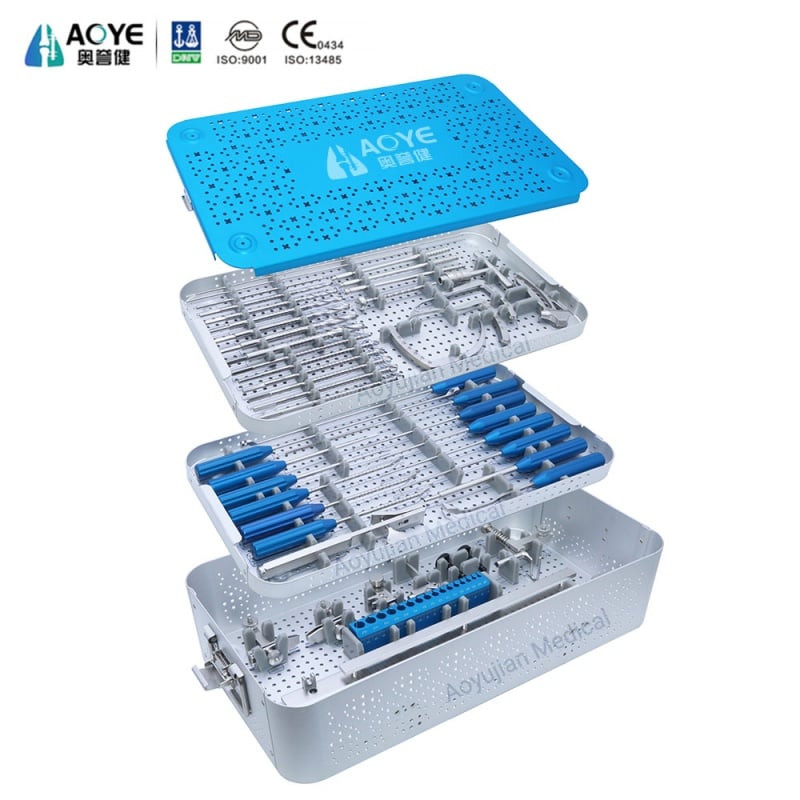
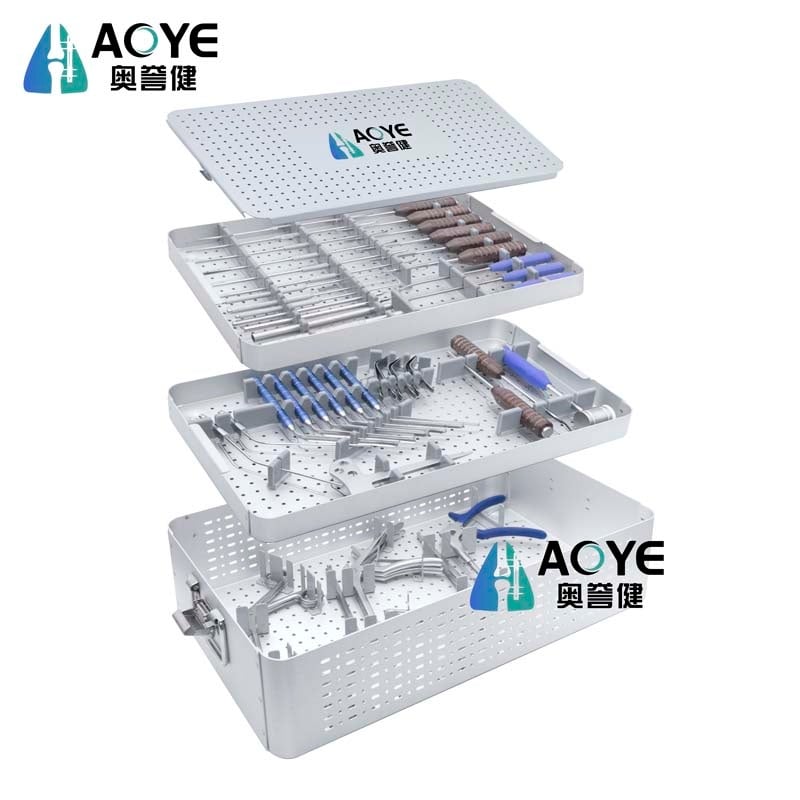
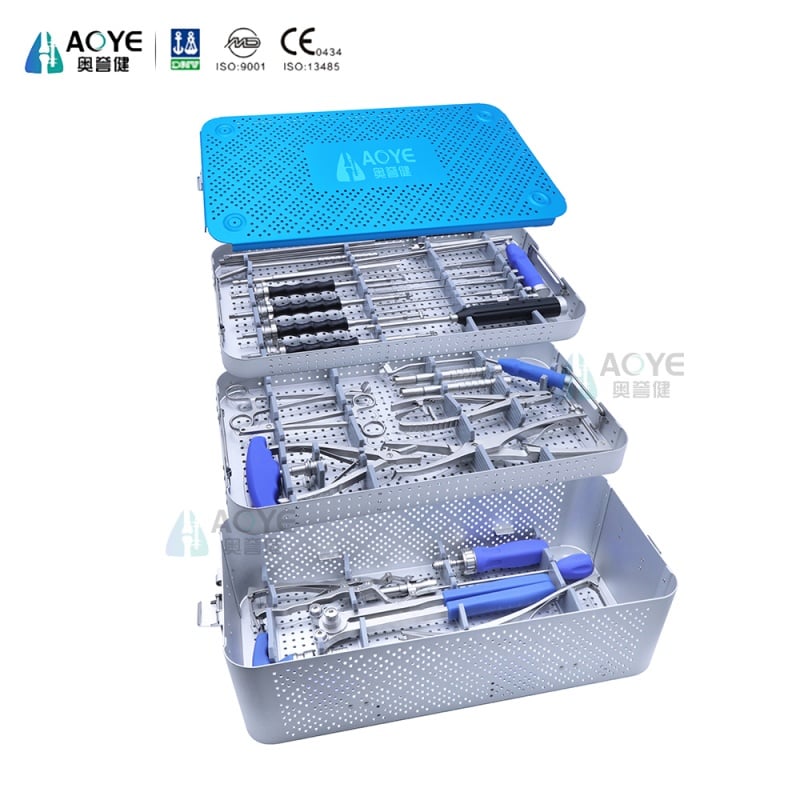
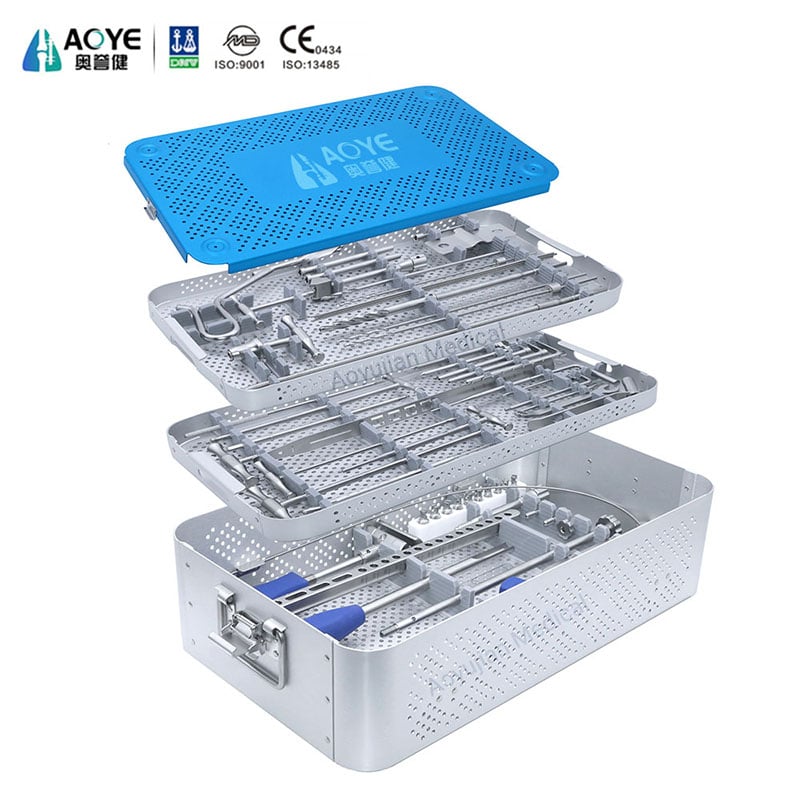
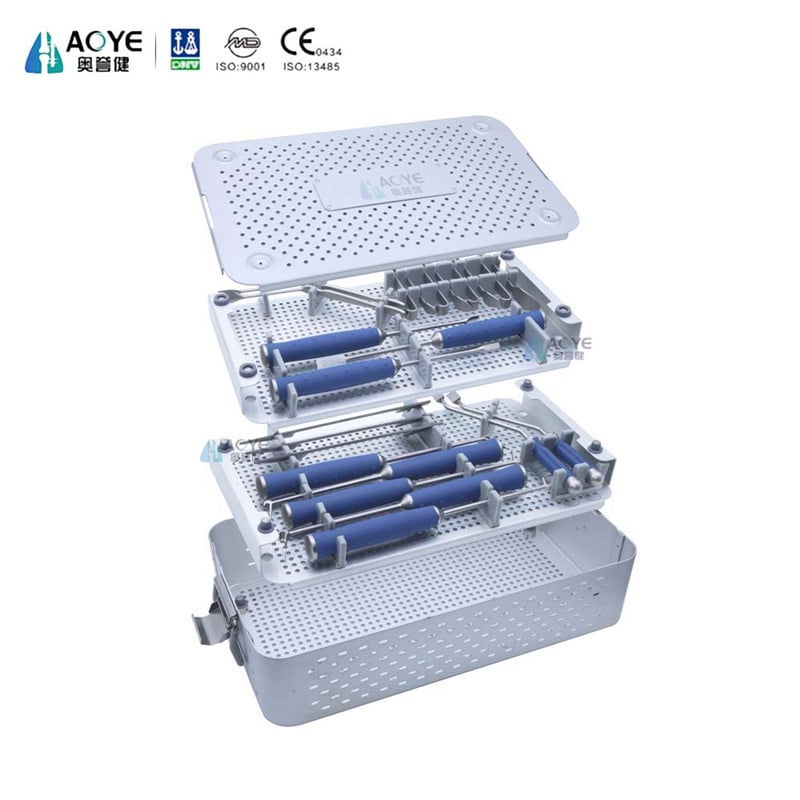
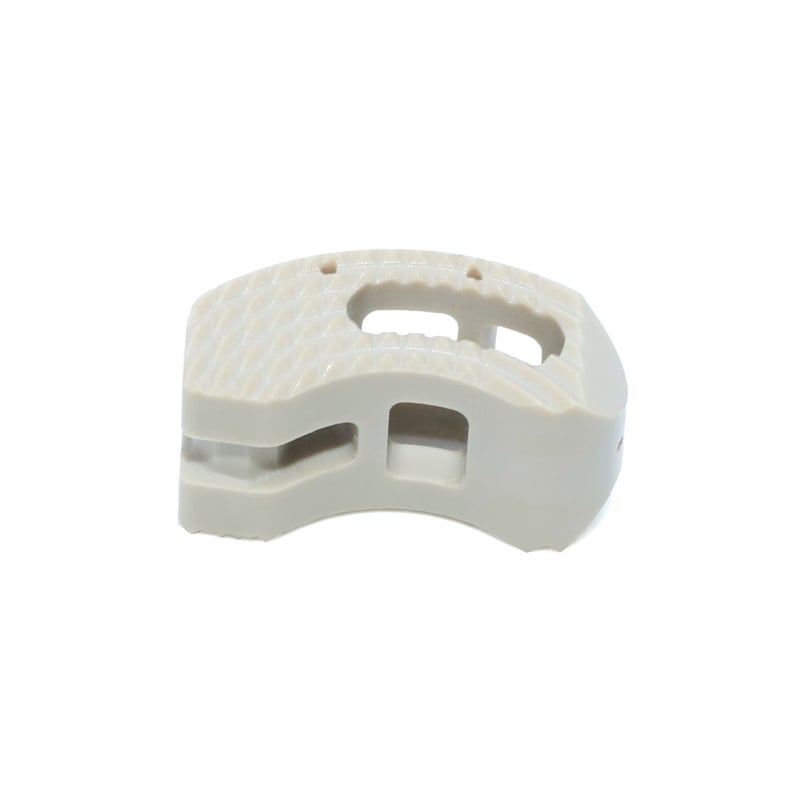
Choosing the right PCL reconstruction products is crucial for orthopedic professionals looking to provide effective solutions in trauma, spine, and sports medicine. This article will delve into the essential aspects of PCL reconstruction, addressing key buyer concerns such as product quality, specifications, and application suitability. By understanding these factors, purchasing managers, distributors, and engineers can make informed decisions when sourcing pcl retractor implants and instruments.
When selecting PCL reconstruction products for wholesale, buyers should focus on several key factors. First, it is vital to evaluate the manufacturer's certifications, such as ISO13485 and CE, which indicate compliance with international quality standards. Additionally, consider the manufacturer's experience in producing orthopedic implants and instruments. A reputable manufacturer, like Aoyujian Medical, with a reliable track record in serving partners in 45 countries, can assure quality and consistency.
Next, assess the product specifications. Look for detailed information on dimensions, materials, and load-bearing capacities. It is also important to confirm that the products meet specific regulatory requirements for the intended markets. Engaging with the manufacturer to understand their quality control processes can further enhance confidence in the pcl tear surgery products being sourced. Finally, consider the minimum order quantities (MOQ) and lead times, as these factors can significantly impact inventory management and cash flow.
Understanding the key specifications of PCL reconstruction implants and instruments is essential for ensuring their effectiveness in surgical applications. Important specifications include:
Material Composition: Most PCL reconstruction implants are made from biocompatible materials, such as titanium or medical-grade stainless steel. These materials should provide durability while minimizing the risk of rejection by the body.
Dimensions: Accurate dimensions, including length, width, and thickness, are crucial for proper fit and function within the anatomical structures. Buyers should verify that the dimensions align with the specific requirements of the surgical procedure.
Load Capacity: The load-bearing capacity of implants is critical, especially in high-stress environments. Implants must be designed to withstand the forces exerted during movement without failure.
Surface Treatment: Surface treatments can enhance the biocompatibility and integration of the implant with the surrounding tissue. Look foracl pcl instrument set products that feature advanced coatings or finishes that promote osseointegration.
Each of these specifications can significantly affect the performance of PCL reconstruction products. Buyers should ensure that these specifications align with their intended applications and confirm them with the manufacturer before placing orders.
PCL reconstruction is primarily employed in orthopedic surgery to restore stability and function to the knee joint following injury. Common applications include:
Sports Injuries: Athletes often suffer from PCL tears due to high-impact activities. Reconstruction is essential for restoring knee stability and allowing a safe return to sports.
Trauma Cases: PCL injuries can occur from accidents or falls. Surgical reconstruction is often necessary to ensure proper healing and restore mobility.
Chronic Instability: In cases of chronic knee instability, PCL reconstruction can provide long-term solutions and improve the quality of life for patients.
Buyers should understand the specific applications and surgical techniques associated with PCL reconstruction to ensure they are sourcing the right products for their target market.
When sourcing PCL reconstruction products, several essentials should be considered:
Customization Capabilities: Every patient is unique, and the ability to customize implants can enhance surgical outcomes. Confirm with the manufacturer their capabilities for producing tailored solutions based on specific anatomical needs.
Testing and Validation: Ensure that the products have undergone rigorous testing and validation, including mechanical testing and biocompatibility studies. This helps to mitigate risks during surgical procedures.
Packaging and Shipping: Proper packaging is essential to maintain the integrity of the implants during transport. Buyers should discuss packaging methods with suppliers to ensure compliance with medical standards.
Technical Support: A reliable manufacturer should offer technical support and guidance during the selection and application processes, ensuring that buyers have the necessary resources to make informed decisions.
By focusing on these essentials, buyers can enhance their sourcing strategies and improve patient outcomes.
Sourcing PCL reconstruction supplies requires a solid understanding of technical aspects related to the products. Key considerations include:
Quality Control Processes: Investigate the manufacturer's quality control measures, including inspections at various stages of production. This can include raw material checks, in-process inspections, and final product testing.
Production Equipment: The type of equipment used in manufacturing can influence the quality and precision of PCL reconstruction products. Advanced machinery and technology can enhance production capabilities and ensure consistency.
Lead Times and Supply Chain Management: Understanding the manufacturer's production capacity and lead times is critical for inventory planning. Buyers should establish clear communication regarding expected delivery times, especially for customized orders.
Common Issues and Solutions: Buyers should be aware of common challenges in sourcing PCL reconstruction supplies, such as material inconsistencies, production delays, or compliance issues. Engaging with a knowledgeable supplier can help navigate these challenges effectively.
By equipping themselves with this technical knowledge, buyers can make better-informed decisions and establish successful partnerships with manufacturers in the orthopedic implant sector.
Aoyujian Medical Technology provides trusted orthopedic solutions, high-quality implants, OEM/ODM services, and global shipping for hospitals & distributors.
No. 2 Changting Road, Gehu Farm, Wujin Economic Development Zone, Changzhou, Jiangsu, China
Copyright © Aoyujian Medical Technology (Changzhou) Co., Ltd. All Rights Reserved - Privacy Policy - Blog
 EN