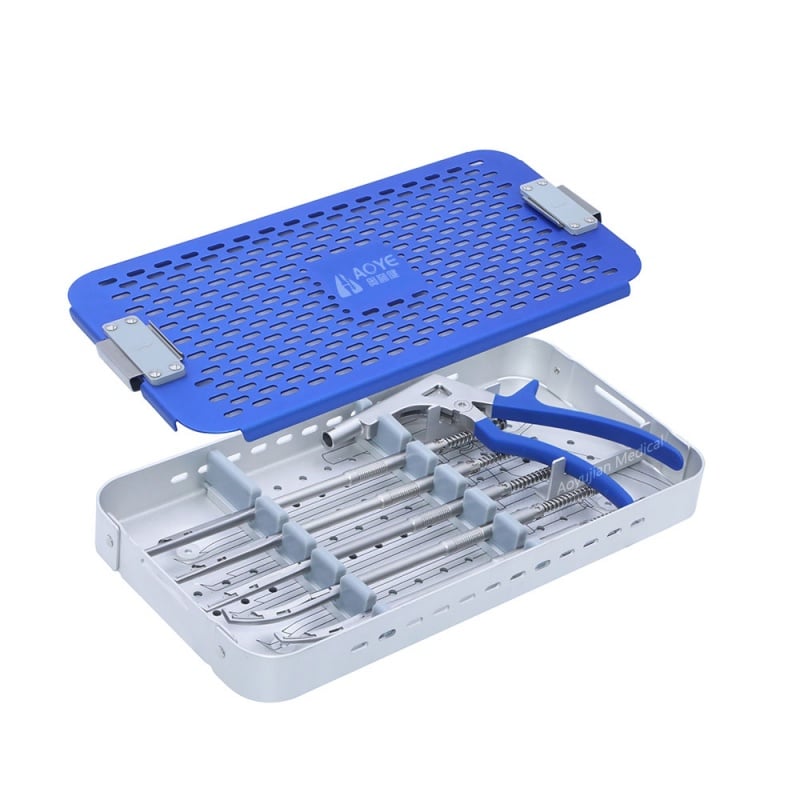
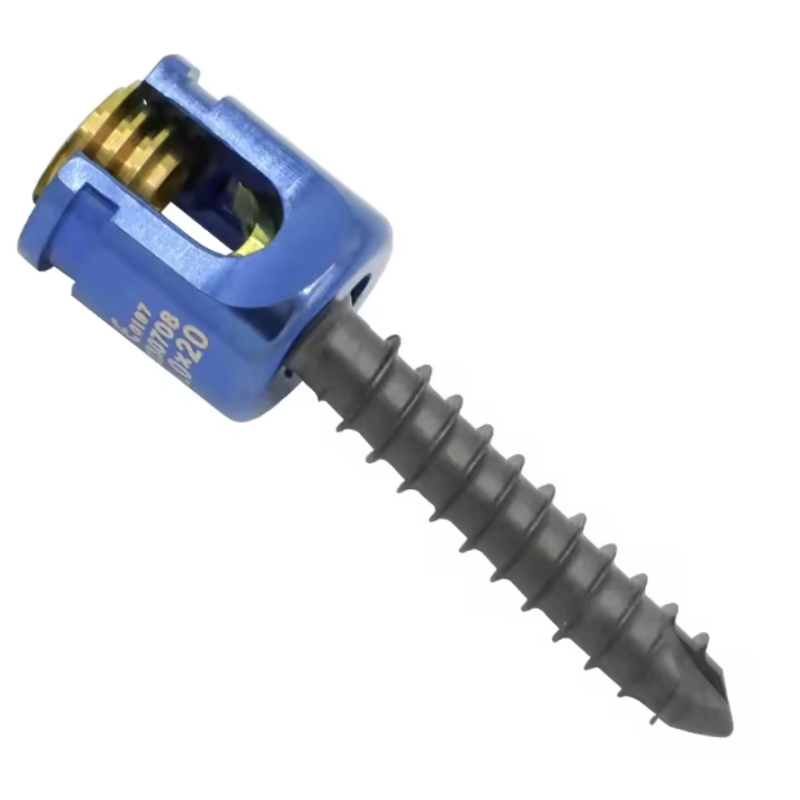
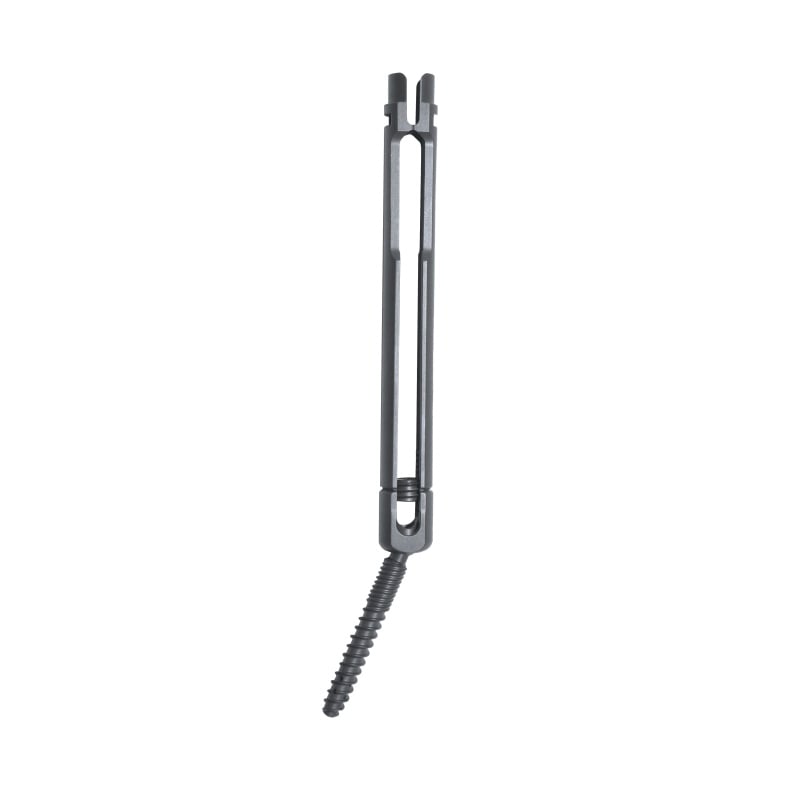
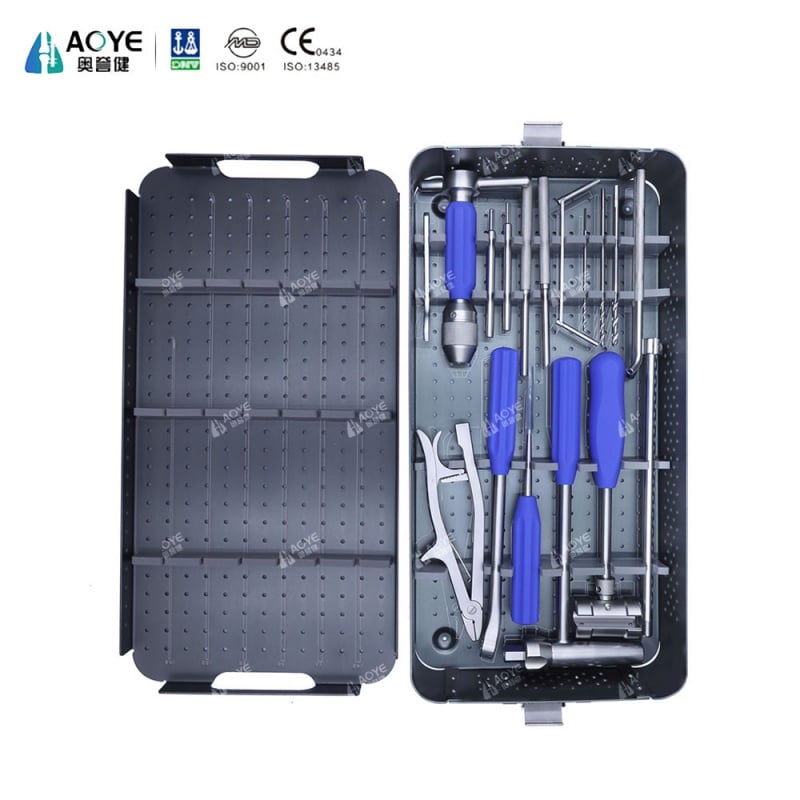
Choosing the right PEEK lumbar cage solution is crucial for orthopedic applications because these devices provide spinal support during procedures like spinal fusions. For B2B buyers, including purchasing managers and medical distributors, understanding the specifications, installation challenges, and applications of PEEK lumbar cage devices is essential to ensure quality and patient safety. This article will guide you through key considerations, specifications, common installation challenges, applications, and solutions for common problems associated with cervical peek cage devices of AOYE.
When selecting PEEK lumbar cage products, buyers should focus on several critical factors. First, the material quality significantly impacts the device's biocompatibility and overall performance. PEEK (polyetheretherketone) is favored for its strength, durability, and ability to mimic the mechanical properties of bone, thereby reducing stress shielding. Next, dimensions and structural design are essential. The peek cage lumbar must fit the specific anatomical contours of the patient's spine and accommodate the surgical technique being employed. A precise fit can enhance stability and promote better fusion rates. Customization options may also be necessary to fit unique patient anatomies or specific surgical protocols. Lastly, certifications like ISO13485 and CE mark are vital indicators of product quality and safety standards. Buyers should ensure that their suppliers can provide documentation supporting these certifications, which verifies that the manufacturing processes meet international quality standards.
When evaluating different PEEK cage lumbar specifications, consider the technical parameters.First is ensure the height, width, and length of the cage match the surgical requirements. Standard dimensions may not fit all patients, making customization options advantageous. Second, some devices feature porous designs that promote bone in growth, facilitating better integration with the host bone. This can be crucial for long-term stability. The third one is surface finish can affect the interaction with surrounding tissues. Textured surfaces may enhance biological fixation compared to smooth finishes. Fourth, buyers should verify the device's load-bearing capacity to ensure it can withstand the forces experienced in the lumbar region post-implantation. Lastly, understanding whether the devices are machined or additive manufactured can affect both cost and performance. For instance, additive manufacturing might offer more complex geometries that enhance performance.
By comparing these specifications, buyers can make informed decisions that align with their project requirements while ensuring the best outcomes for patients.
Installing peek cage lumbar devices can present various challenges that buyers and surgeons should be aware of these; Ensuring proper alignment during installation is critical. Misalignment can lead to complications and poor patient outcomes. Surgeons need to have clear guidelines and tools to assist with accurate placement. Next is depending on the surgical approach, there may be limited space to maneuver the cage into position. Surgeons should be familiar with the device's profile to avoid operational difficulties. Third is the quality of the host bone can affect the installation. Poor bone quality may require additional considerations, such as supplemental fixation methods or alternative materials. Lastly, peek materials can be sensitive to excessive force or improper handling during installation. Proper training and guidelines for handling are essential to minimize risks during the implantation process.
By addressing these challenges through planning and training, installation success rates can be improved significantly.
Peek cage lumbar devices are primarily utilized in spinal fusion surgeries, which aim to stabilize the spine by fusing two or more vertebrae. Specific applications include:
Degenerative Disc Disease Treatment - In cases where discs have deteriorated, peek cages can provide the necessary support and space for bone growth.
Spondylolisthesis Repair - These devices help stabilize vertebrae that have slipped out of place, restoring normal spinal alignment.
Trauma Cases - In cases of spinal injuries, peek cages can reconstruct the vertebral structure, allowing for rehabilitation and recovery.
Revision Surgeries - For patients who have had previous spinal surgeries, peek cages may be used to address complications or failures from earlier procedures.
Understanding these applications helps buyers assess the suitability of specific devices for their target markets and customer needs.
Despite their advantages, buyers must be aware of potential issues associated with peek cagelumbar devices and how to address them:
Infection Risks - Like all surgical implants, there is a risk of post-operative infection. Ensuring that devices are sterilized and packaged correctly is vital to minimize this risk. Buyers should inquire about the sterilization methods employed.
Non-fusion Rates - In some cases, the bone may not fuse as expected. Buyers can consider devices with enhanced porous structures that promote better bone integration to mitigate this risk.
Material Compatibility - It's essential to ensure that the peek material is compatible with adjacent tissues and other implants, as reactions can adversely affect patient outcomes. Buyers should confirm the bio-compatibility of the materials used.
Regulatory Compliance - Buyers should continuously monitor regulatory changes that could affect the use of peek cage lumbar devices in their markets. Staying informed about compliance helps prevent potential supply chain disruptions.
By being proactive in addressing these issues, buyers can enhance patient safety and product performance, ultimately leading to better surgical outcomes.
In summary, selecting the right peek cage lumbar solutions involves careful consideration of specifications, installation challenges, applications, and potential problems. By understanding these aspects, B2B buyers can make informed decisions that lead to successful orthopedic procedures.
Aoyujian Medical Technology provides trusted orthopedic solutions, high-quality implants, OEM/ODM services, and global shipping for hospitals & distributors.
No. 2 Changting Road, Gehu Farm, Wujin Economic Development Zone, Changzhou, Jiangsu, China
Copyright © Aoyujian Medical Technology (Changzhou) Co., Ltd. All Rights Reserved - Privacy Policy - Blog
 EN