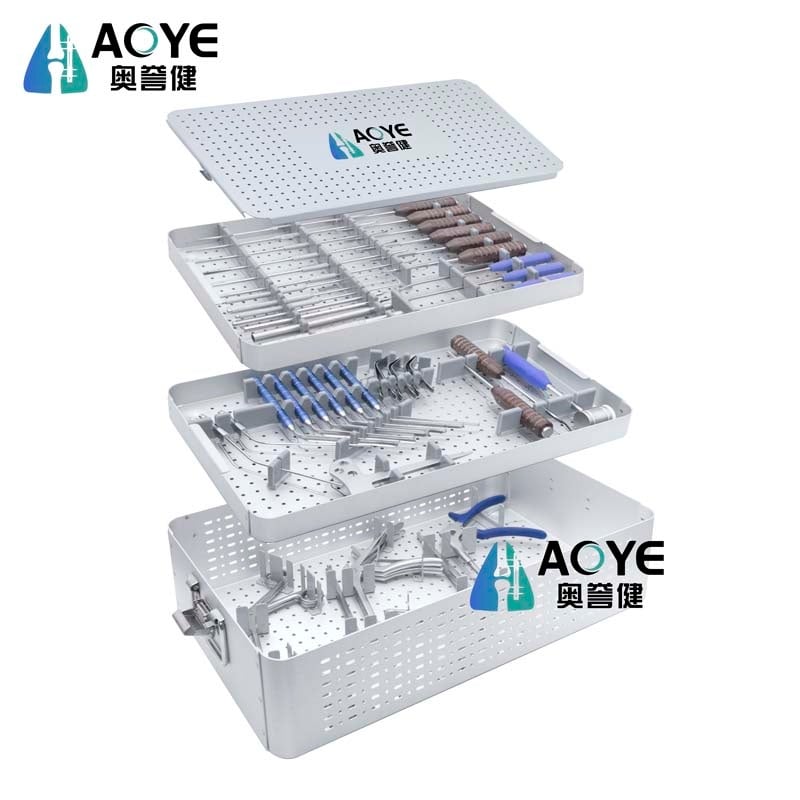
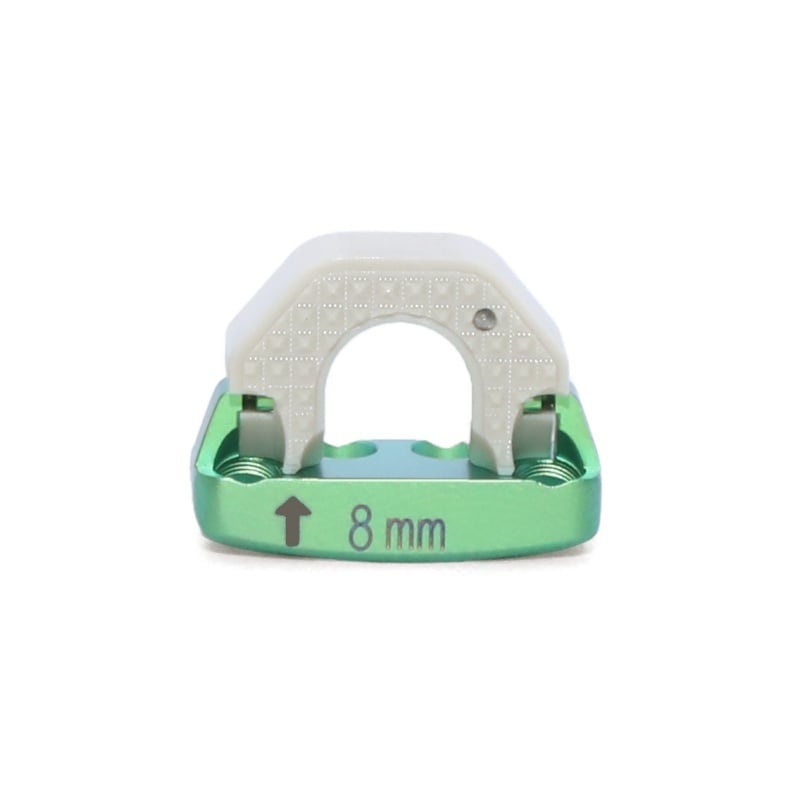
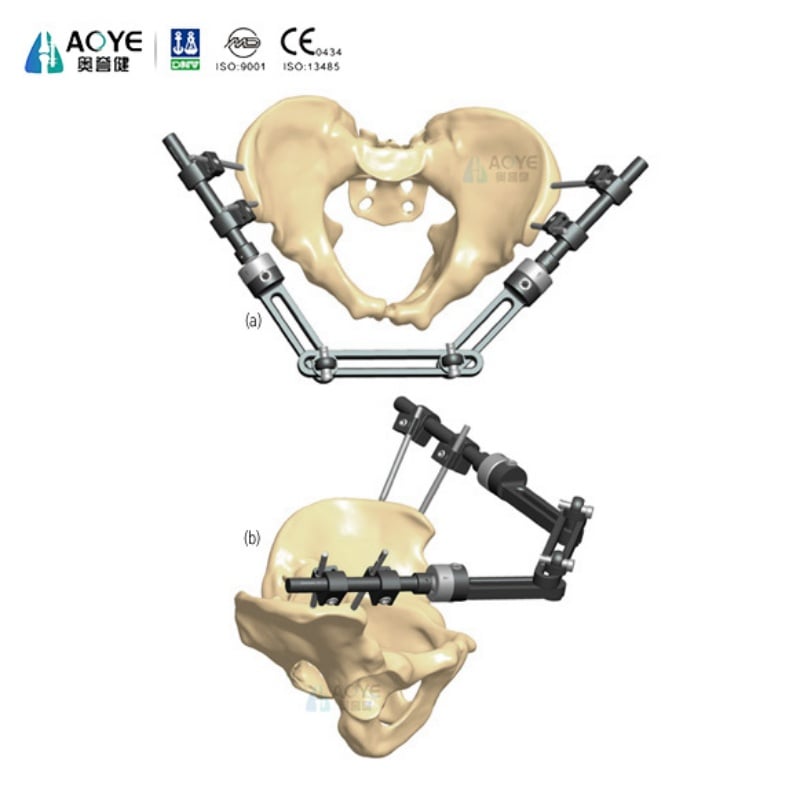
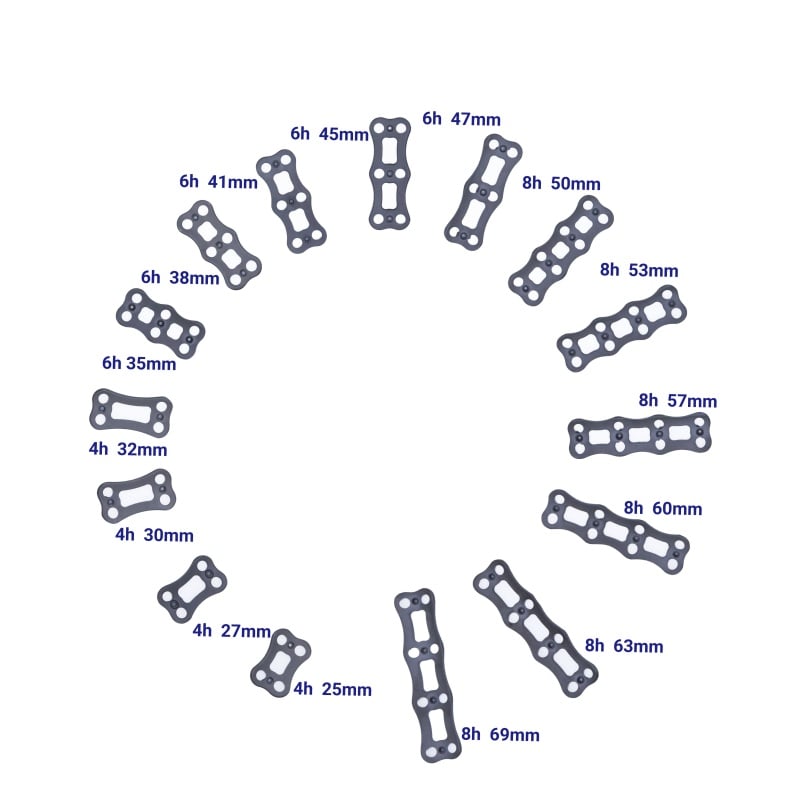
When dealing with orthopedic injuries, selecting the right plate for humerus fracture repair is critical to ensure optimal healing and recovery. Humerus fractures are common in both athletic and non-athletic populations, and the choice of implant can significantly impact the outcome of surgical interventions. B2B buyers, including purchasing managers and orthopedic professionals, need to understand the specifications, materials, and supplier reliability when sourcing these plates. This article will guide you through essential considerations when selecting humerus fracture plates, the best practices in their application, and where to find trustworthy suppliers.
Selecting the appropriate plate for humerus fracture repair involves several key considerations:
Material Selection: Plates are typically made from stainless steel or titanium. Stainless steel is known for its strength and cost-effectiveness, while titanium offers superior biocompatibility and lower weight. The choice between these materials may depend on patient-specific factors such as allergy concerns and the required load-bearing capacity.
Plate Design: Plates come in various designs, such as locking compression plates (LCP) and non-locking plates. LCPs provide enhanced stability through locking screws, which can be beneficial in complex fractures or osteoporotic bone. Understanding the fracture type and patient bone quality is essential to making the right choice.
Plate Size and Configuration: The dimensions of the plate should match the anatomical structure of the humerus. Consideration of the locking plate length, width, and contour is crucial to ensure proper fit and function. Preoperative planning with imaging studies can assist in determining the appropriate size.
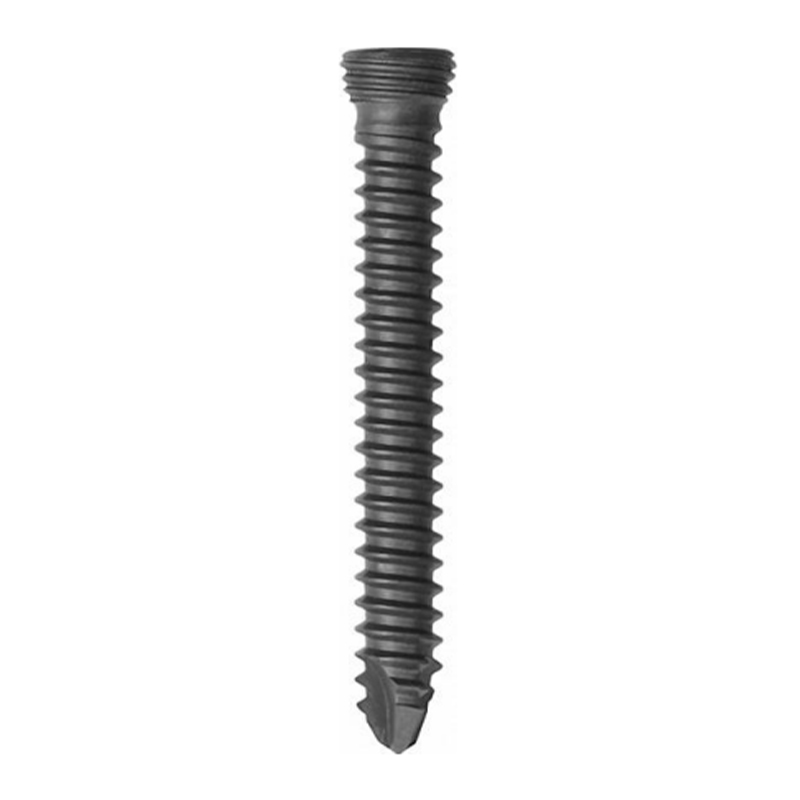
Screw Compatibility: Ensure that the screws used with the selected plate are compatible in terms of size and thread design. This compatibility is vital for achieving the desired stability and promoting healing.
Regulatory Compliance: Ensure that the selected plates meet relevant regulatory standards, such as ISO13485 and CE marking. This compliance ensures that the product has undergone rigorous testing for safety and effectiveness.
When procuring plates for humerus fracture repair, it's essential to have a clear understanding of the following:
Quality Control Processes: Ask about the manufacturer's quality control measures, including inspection protocols and testing methodologies. This information is crucial to ensure that the plates will perform as expected in clinical settings.
Production Capabilities: Familiarize yourself with the supplier's production capabilities. Understanding their manufacturing processes, such as CNC machining or forging, can provide insights into the precision and reliability of their products.
Customization Options: Some manufacturers offer customization capabilities, allowing buyers to specify dimensions or features to better suit unique clinical needs. This can be particularly useful in specialized cases or when working with patients who have specific anatomical variations.
Minimum Order Quantities (MOQ): Verify the seller's MOQ policies to ensure they align with your purchasing needs. Smaller institutions may require flexible purchasing conditions, while larger hospitals might have the capacity for bulk orders.
Finding trustworthy suppliers of humerus fracture plates involves research and evaluation of potential partners. Here are steps to guide your search:
Industry Directories: Utilize industry-specific directories and trade associations to identify manufacturers and suppliers in the orthopedic implant sector. These resources often highlight companies with proven track records.
Networking: Leverage professional networks, including conferences and trade shows, to connect with manufacturers and other healthcare professionals. Relationships built in these environments can lead to reliable supplier recommendations.
Online Reviews and Testimonials: Check online reviews and testimonials from other buyers. Feedback on product performance and customer service can provide insights into the reliability of a supplier.
Certifications and Accreditations: Look for suppliers with relevant certifications, such as ISO13485 or CE marking, which indicate adherence to quality standards. This can assure you of their commitment to producing safe and effective products.
Supplier Audits: Conducting on-site audits or requesting documentation regarding their manufacturing processes, quality control, and compliance can also help in assessing potential suppliers.
When using humerus fracture plates in surgical settings, adherence to best practices can enhance outcomes:
Thorough Preoperative Planning: Utilize advanced imaging techniques to map out the fracture and determine the appropriate femur bone plate and screw configuration. This will promote better alignment and fixation during surgery.
Sterile Technique: Ensure that all instruments and implants are sterilized appropriately before use to minimize infection risk. Follow the latest guidelines for surgical site preparation.
Intraoperative Assessment: During surgery, assess the fit and alignment of the plate and screws before final fixation. Make adjustments as necessary to ensure optimal placement.
Postoperative Monitoring: Implement a follow-up protocol to monitor the healing process. Regular imaging may be necessary to assess the stability of the fixation and the progress of bone healing.
Training and Education: Ensure that surgical teams are well-trained in the use of specific implants and techniques. Continuous education can reduce complications and improve patient outcomes.
Humerus fracture plates are utilized in various surgical applications, including:
Acute Fractures: Plates are commonly used in the stabilization of acute fractures, particularly in the mid-shaft and proximal humerus regions. They enable early mobilization and promote quicker recovery.
Complex Fractures: In cases of multifragmentary fractures or those involving the surgical neck of the humerus, locking screw plate can provide the required stability to facilitate appropriate healing and functional recovery.
Revision Surgery: In cases where previous fixation methods have failed, humerus fracture plates may be employed in revision surgeries to achieve better stabilization.
Osteoporosis Management: For elderly patients with osteoporotic bone, specialized plates designed for enhanced locking and stability can be essential in achieving successful outcomes.
Selecting the right plate for humerus fracture repair is a multi-dimensional process that requires careful consideration of materials, design, and supplier reliability. By following best practices and leveraging reliable information, B2B buyers can make informed decisions that will ultimately lead to better patient care outcomes.
Aoyujian Medical Technology provides trusted orthopedic solutions, high-quality implants, OEM/ODM services, and global shipping for hospitals & distributors.
No. 2 Changting Road, Gehu Farm, Wujin Economic Development Zone, Changzhou, Jiangsu, China
Copyright © Aoyujian Medical Technology (Changzhou) Co., Ltd. All Rights Reserved - Privacy Policy - Blog
 EN