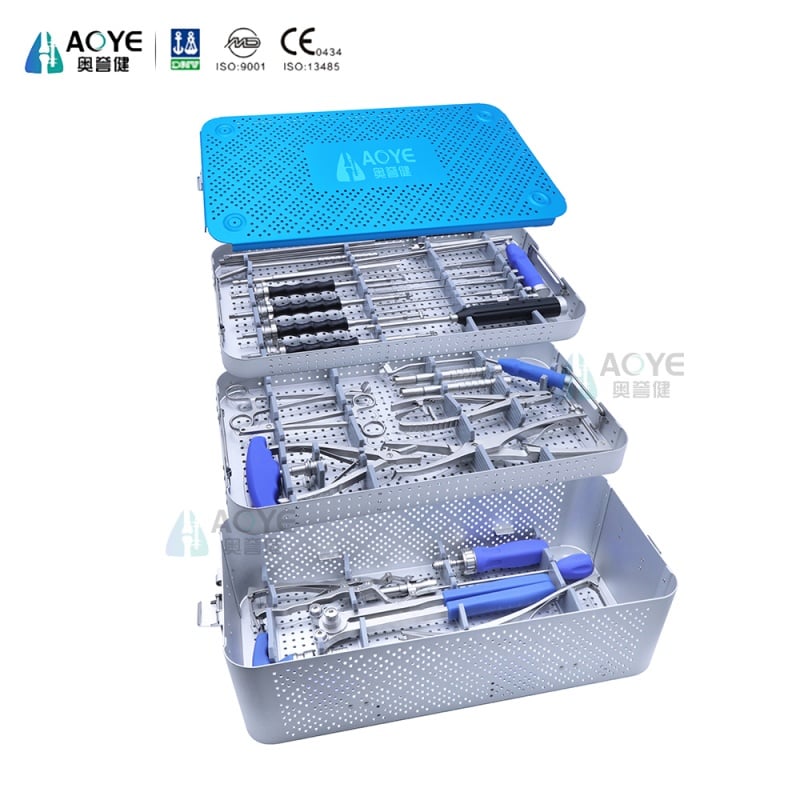
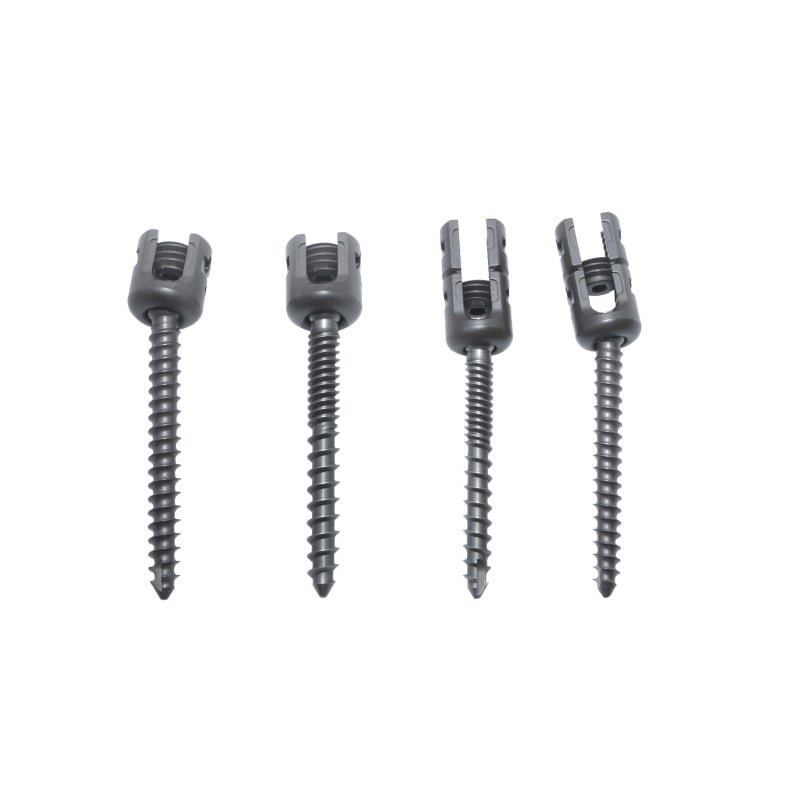
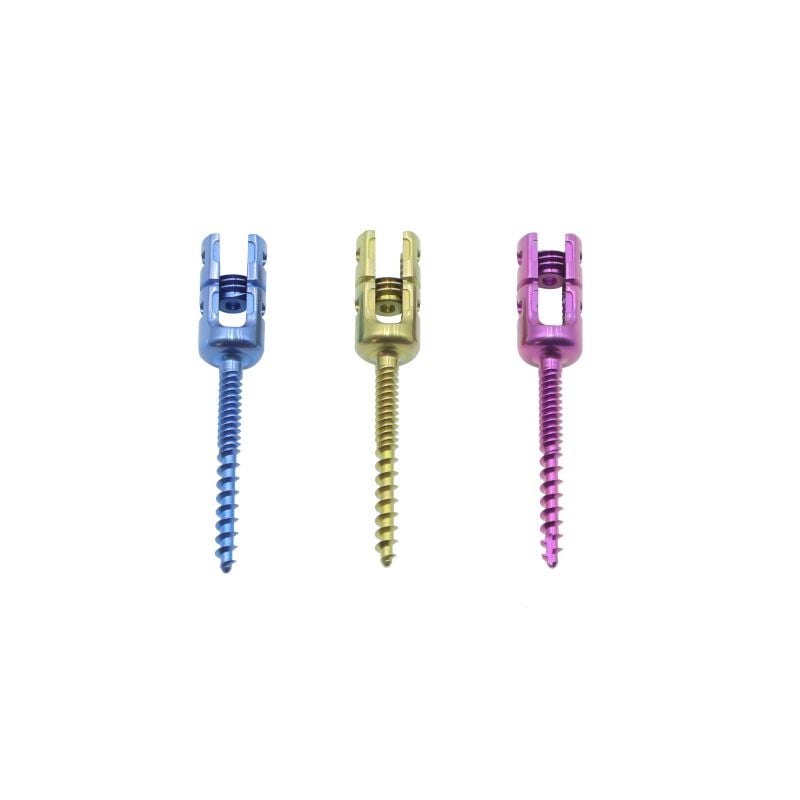
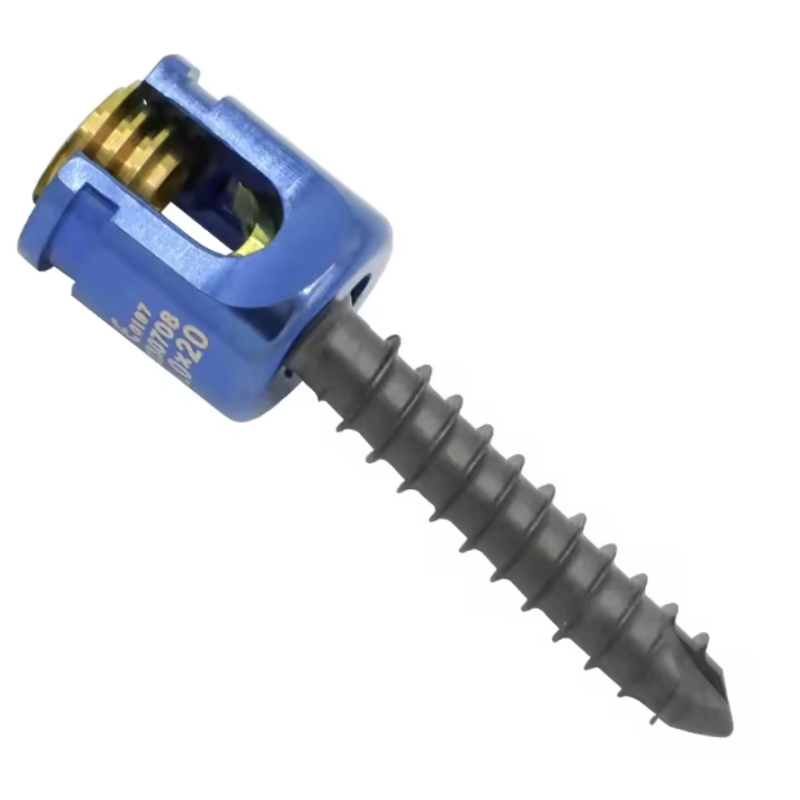
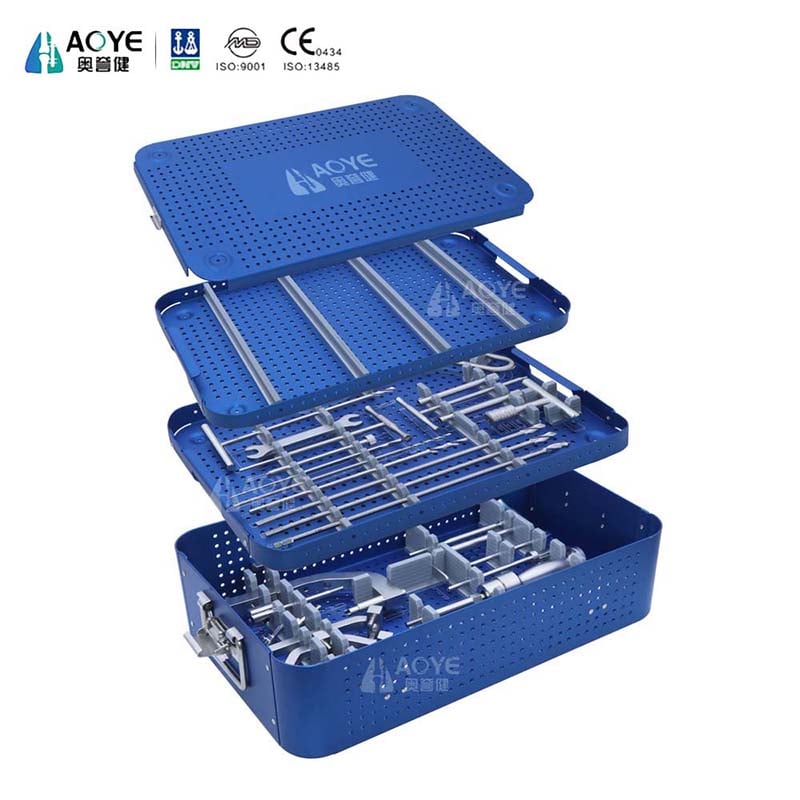
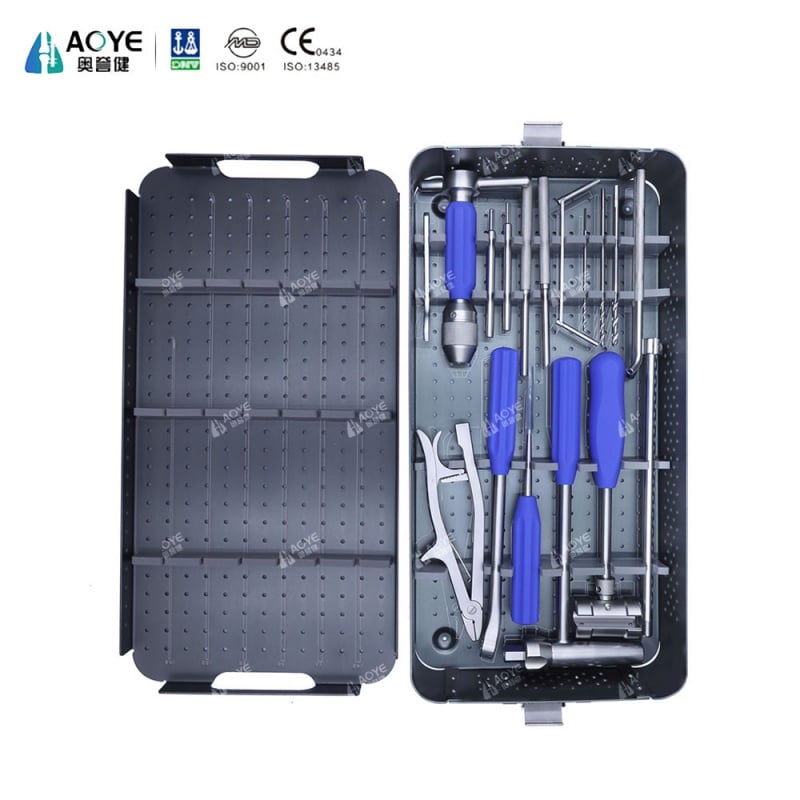
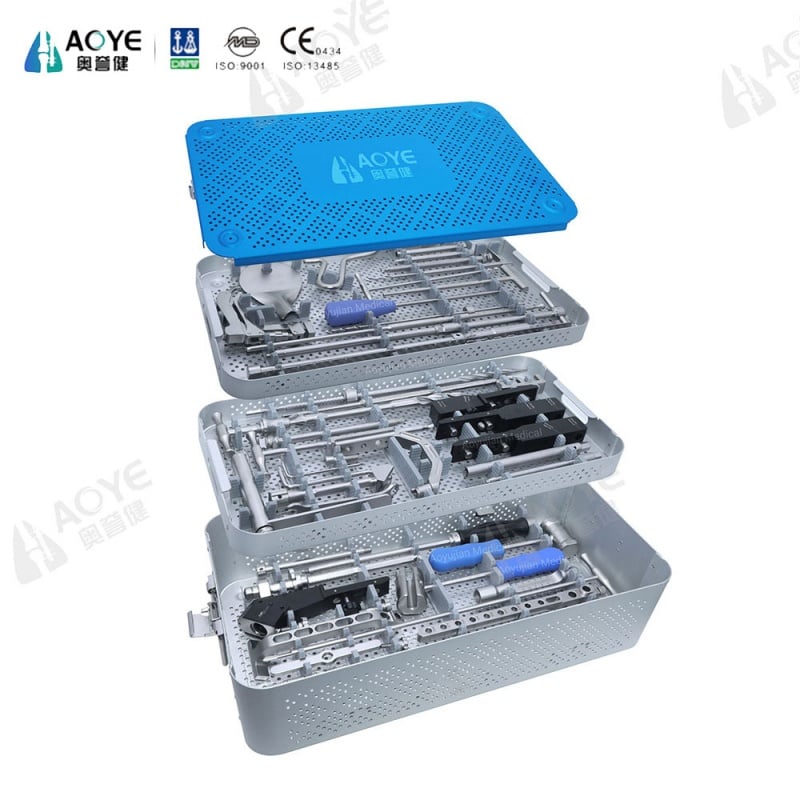
Polyaxial pedicle screws are critical components in spinal surgery, designed to provide stable fixation in the vertebral pedicle. As a professional B2B buyer, understanding the intricacies of these devices is essential for ensuring they meet the specific requirements of your projects. Key concerns typically include product specifications, material quality, compliance with medical standards, and the reliability of the supplier. This article aims to guide you in selecting the most suitable polyaxial pedicle titanium surgery screws, assessing their quality, understanding cost factors, and addressing common issues associated with them.
Selecting the right polyaxial pedicle screw begins with understanding your project's specific requirements. Factors such as screw diameter, length, and material play a crucial role in the effectiveness of the implant. Typically, polyaxial screws are available in various sizes to accommodate different anatomical needs, ranging from 4.5mm to 6.5mm in diameter.
Material selection is another important consideration; titanium and stainless steel are commonly used due to their strength and biocompatibility. Titanium offers excellent corrosion resistance and is lighter than stainless steel, making it a preferred choice for many applications. Additionally, the titanium pedicle screw design, particularly its polyaxial head, allows for angling during insertion, which can be crucial for optimal placement in challenging anatomical locations.
When discussing your needs with suppliers, be clear about the specific application, such as whether the screws will be used for deformity correction, tumor resection, or stabilization after trauma. Providing detailed information about the surgical environment and patient demographics can help manufacturers recommend the most suitable options.
Finding reliable suppliers for polyaxial pedicle screws is essential for ensuring product quality and compliance with industry standards. Look for manufacturers that are ISO13485 certified, which indicates they meet international standards for quality management systems in the medical device field. Aoyujian Medical, for example, is an established Chinese manufacturer with a strong presence in the orthopedic implants sector, serving partners in 45 countries.
When evaluating suppliers, consider their experience in the orthopedic field and their ability to provide comprehensive product documentation. This includes Certificates of Compliance, material safety data sheets, and information about their quality control processes. Transparent communication regarding lead times and minimum order quantities (MOQs) is also vital, as this can significantly impact your project timeline and budget.
Engaging with suppliers who offer customization capabilities can provide an edge, especially for projects requiring specific dimensions or features that standard products do not meet. Always request samples prior to placing a large order to verify the quality and performance of the screws in real-world conditions.
Quality assessment is crucial when importing polyaxial pedicle screws. Start by verifying the manufacturer's compliance with international quality standards, such as CE marking and ISO certifications. These certifications indicate that the products have undergone rigorous testing and meet safety and performance criteria.
Additionally, inquire about the manufacturer's quality control processes. A robust quality assurance program should include regular inspections, testing of raw materials, and evaluation of finished products. It’s also prudent to understand their traceability measures; every screw produced should have a unique identifier that allows tracking from production to delivery.
When receiving shipments, perform an initial quality check to ensure that the screws match the specifications outlined in your order. This includes checking dimensions, surface finish, and material properties. If possible, conduct further testing under conditions that simulate their intended use to evaluate performance metrics such as load-bearing capacity and durability.
The cost of polyaxial pedicle screws can vary significantly based on several factors. Material choice is a primary cost driver; titanium screws generally command a higher price due to their superior properties compared to stainless steel. Additionally, the complexity of the design and manufacturing processes can influence pricing. More intricate screw designs that enhance functionality or adaptability may be priced higher than standard options.
Volume purchasing can also affect unit costs. Many manufacturers offer tiered pricing models where larger orders result in lower per-unit costs. However, consider the implications of overstocking versus the potential benefits of bulk purchasing. Discuss pricing structures with your suppliers to understand how they can accommodate your budget while meeting your requirements.
Shipping and handling costs should not be overlooked. Depending on your location and the supplier's shipping methods, these costs can add significantly to the overall expense. Always clarify the total cost, including any potential tariffs or duties for importing medical devices, to avoid unexpected expenses.
Despite their critical role in spinal surgery, polyaxial pedicle screws can encounter several common issues. One frequent problem is screw loosening, which can occur if the screws are not properly torqued or if the bone quality is compromised. To mitigate this risk, ensure that surgical teams are trained in proper implantation techniques and that they use the appropriate torque settings as recommended by the manufacturer.
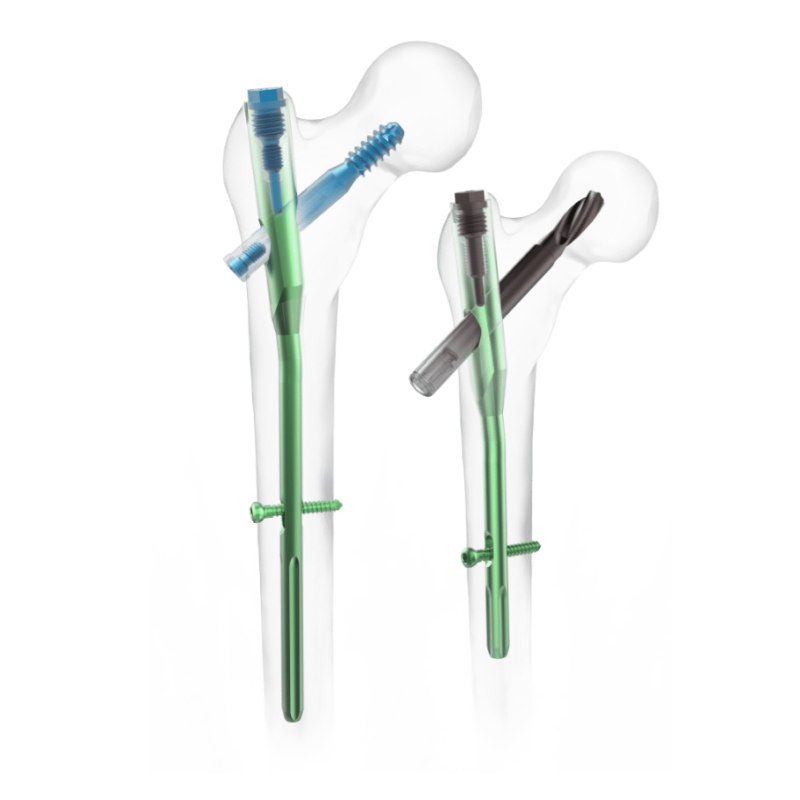
Another issue is the potential for material fatigue, particularly in screws subjected to high stress or suboptimal bone integration. Regular monitoring and follow-up imaging can help identify signs of loosening or failure early. Ensuring that the intramedullary hip screw are made from high-quality materials can also help reduce the risk of such problems.
Lastly, communication with your supplier about any recurring issues can lead to valuable insights. Manufacturers often have experience dealing with common problems and may offer recommendations to improve outcomes based on the experiences of other clients. Establishing a feedback loop with your supplier can enhance product reliability and performance.
By understanding these factors, B2B buyers can make informed decisions when selecting polyaxial pedicle screws, enhancing the success of their surgical procedures and ensuring patient safety.
Aoyujian Medical Technology provides trusted orthopedic solutions, high-quality implants, OEM/ODM services, and global shipping for hospitals & distributors.
No. 2 Changting Road, Gehu Farm, Wujin Economic Development Zone, Changzhou, Jiangsu, China
Copyright © Aoyujian Medical Technology (Changzhou) Co., Ltd. All Rights Reserved - Privacy Policy - Blog
 EN