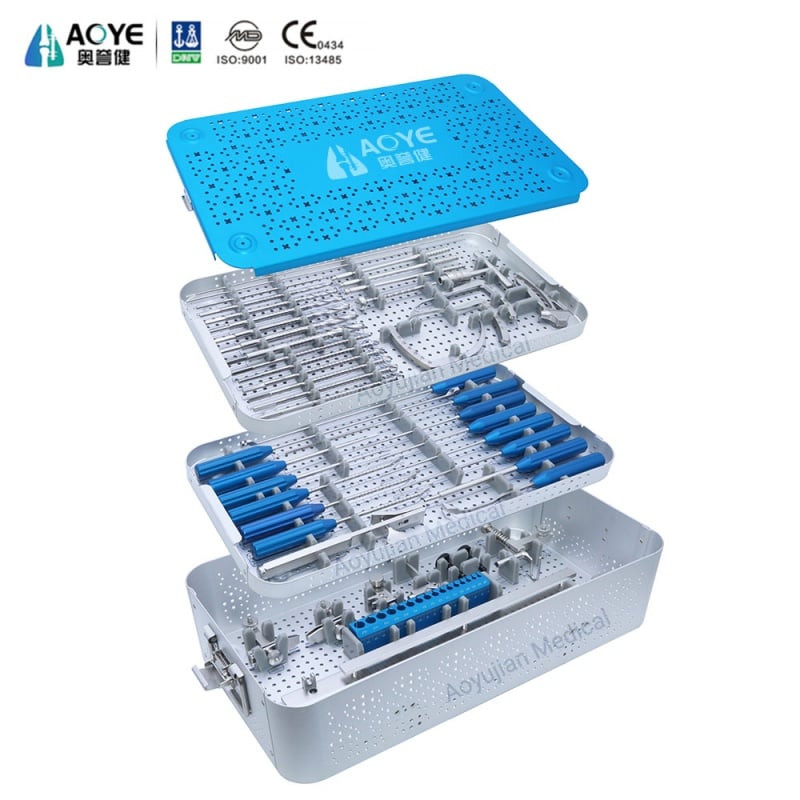
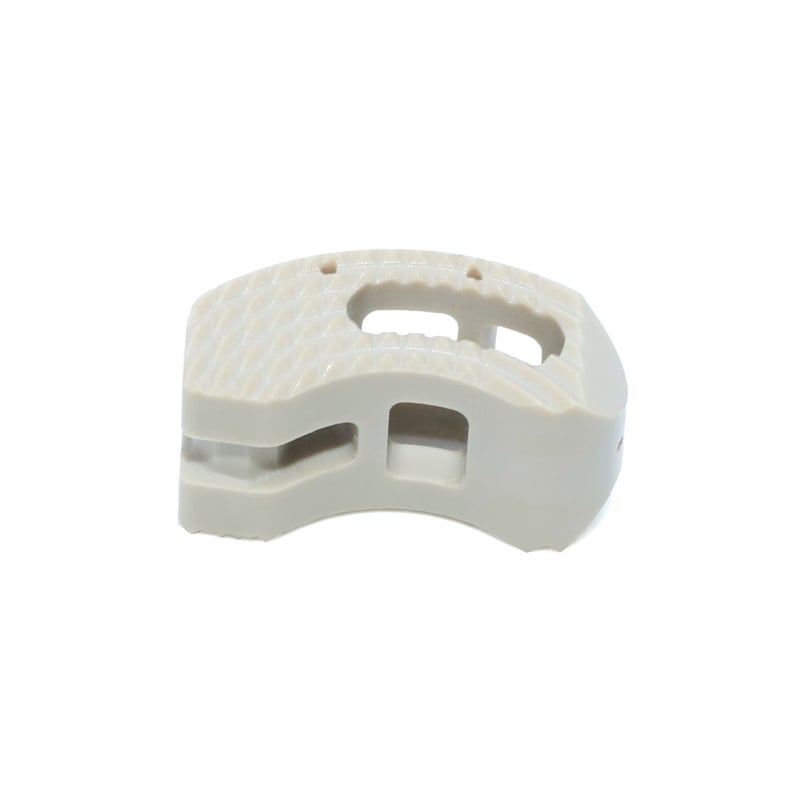
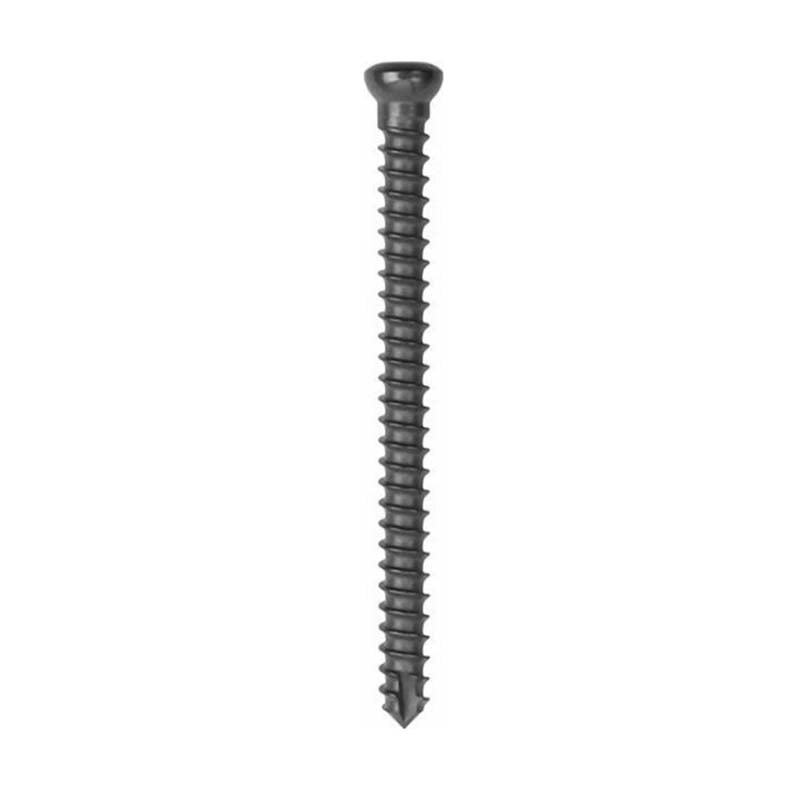
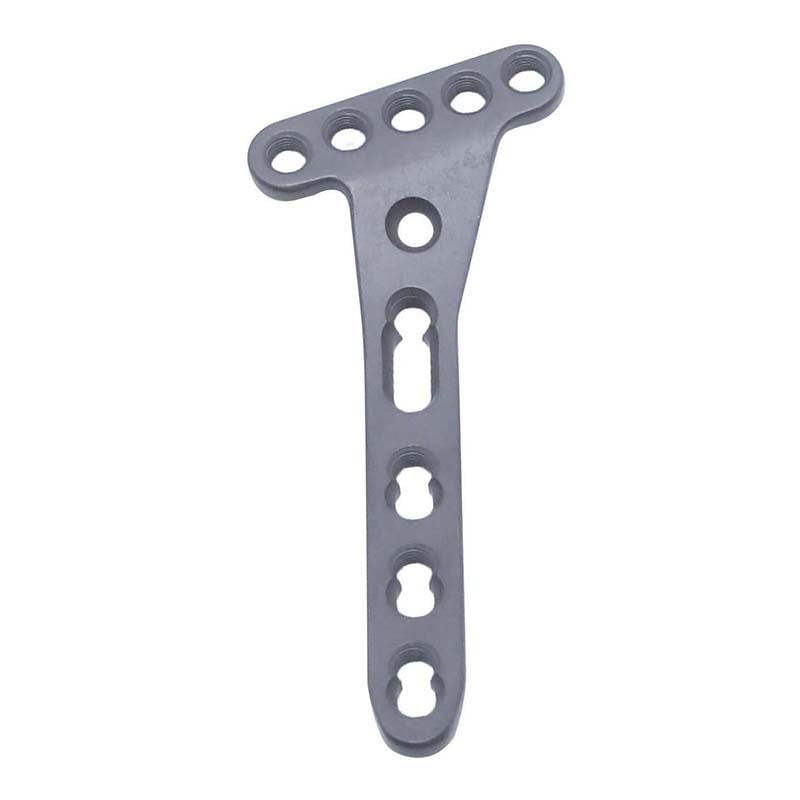
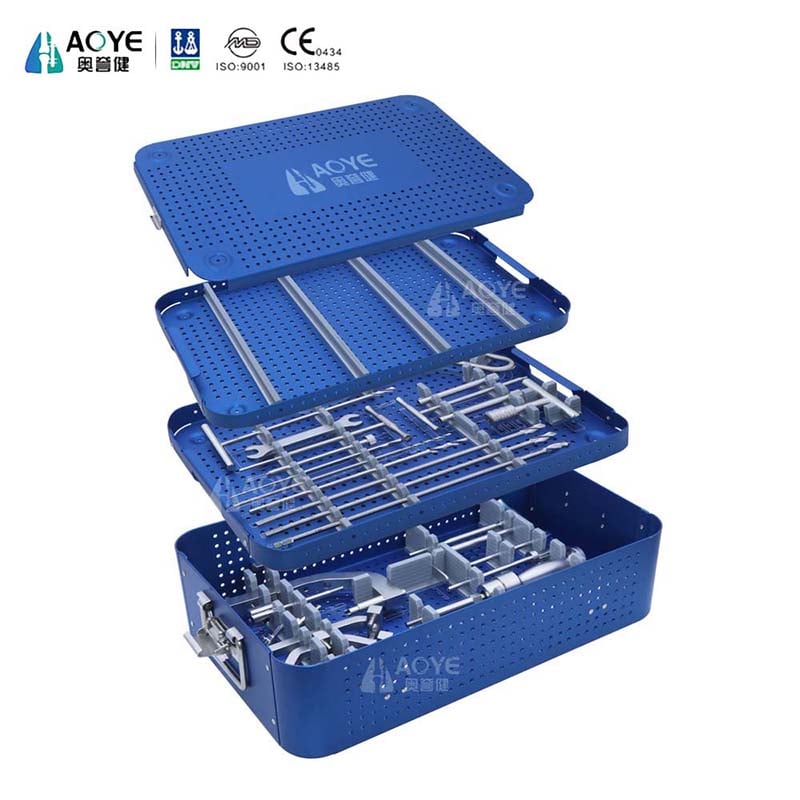
The retrograde intramedullary nail is a specialized orthopedic device used primarily for the fixation of fractures within the intramedullary canal of long bones. Designed for stability and precision, this surgical implant is critical in orthopedic trauma procedures, particularly for complex femoral and tibial fractures. As a purchasing manager or medical professional, understanding the nuances of retrograde intramedullary nails can facilitate informed decisions regarding selection, specifications, and supplier evaluation. This article will guide you through essential considerations to help optimize your purchasing process.
Selecting the appropriate retrograde intramedullary nail involves assessing several factors, including the type of fracture, the patient’s anatomy, and specific surgical requirements. Consider the following:
Fracture Type: Understanding whether the fracture is transverse, oblique, or spiral will influence the nail’s design and dimensions. Each type may require distinct fixation methods to ensure stability.
Material and Coating: Commonly made from titanium or stainless steel, nails should have coatings that enhance biocompatibility and reduce infection risk. Titanium, for instance, offers excellent strength-to-weight ratio and corrosion resistance.
Diameter and Length: The nail must fit snugly within the medullary canal. A proper fit minimizes complications and maximizes stability. Measure the canal diameter for an accurate fit, and select a length that covers the fracture site appropriately.
Special Features: Some nails include advanced locking mechanisms or are designed for specific anatomical considerations. Ensure that the flexible intramedullary nail chosen aligns with the surgical technique and desired outcomes.
Supplier Expertise: Work with manufacturers like Aoyujian Medical, who provide detailed technical specifications and have a history of serving global partners across various orthopedic applications.
When evaluating retrograde intramedullary nails, several specifications are crucial:
Material Composition: Titanium or stainless steel options each have unique properties that influence performance. Titanium is lighter and less likely to cause allergic reactions, while stainless steel is often more cost-effective.
Diameter and Length: The diameter typically ranges from 8 mm to 12 mm, while lengths can extend from 200 mm to 450 mm. It’s vital to match these dimensions to the specific patient anatomy and fracture type to ensure effective stabilization.
Locking Mechanisms: Many retrograde intramedullary nails feature static or dynamic locking options. Dynamic locking allows for controlled compression at the fracture site, facilitating healing.
Surface Treatment: A surface finish that enhances osseointegration can improve the implant's long-term success rate. Look for elastic intramedullary nail that have undergone treatments such as anodization or coating with hydroxyapatite.
Packaging and Sterilization: Ensure that the product is supplied in sterile packaging and is compatible with your facility's sterilization protocols.
Cost assessment for retrograde intramedullary nails should go beyond the unit price. Consider these factors:
Material Costs: The choice of materials significantly affects the overall price. While titanium may be more expensive, its benefits in terms of biocompatibility and reduced complication rates often justify the investment.
Volume Discounts: Many manufacturers offer pricing tiers based on order volume. Understanding your facility’s needs can lead to savings on bulk orders.
Associated Costs: Factor in shipping, handling, and any duties or taxes that may apply, especially when sourcing from international suppliers like Aoyujian Medical.
Quality Assurance: Consider costs related to quality control processes and certifications. Products that meet ISO13485/CE standards may offer better reliability and reduce long-term expenses related to complications or failures.
After-Sales Support: Evaluate the support provided by the manufacturer. A reliable supplier will offer training and guidance on the installation and potential troubleshooting of their products.
Installation of retrograde intramedullary nails can present challenges that may affect surgical outcomes. Here are some common issues and their solutions:
Misalignment: Accurate placement is critical. Misalignment can lead to instability, requiring revision surgery. To mitigate this, utilize fluoroscopic guidance during insertion to ensure proper positioning.
Nail Breakage: This may occur due to excessive stress on the implant. Ensure that the nail is appropriate for the patient’s weight and activity level, and consider using nails designed for higher loads in active patients.
Infection: A significant concern with any surgical implant. Using nails with antimicrobial coatings and maintaining strict sterilization protocols can reduce infection risk.
Soft Tissue Damage: Improper insertion techniques may damage surrounding soft tissues. Surgeons should be well-trained in retrograde insertion methods and use appropriate tools to minimize soft tissue trauma.
Difficulty in Locking Mechanism: Sometimes, the locking mechanism may not function correctly. This can be due to debris or incorrect alignment. Ensure thorough cleaning of the locking mechanism and double-check alignment before securing the nail.
Retrograde intramedullary nails are extensively used in modern orthopedic surgeries. Their applications include:
Fracture Stabilization: Primarily used for femoral and tibial fractures, they offer robust fixation that allows for early mobilization and reduces recovery time.
Complex Fractures: These nails are particularly beneficial in managing complex fractures, including those with significant comminution or intra-articular involvement.
Revision Surgeries: Retrograde nails can be employed in revision procedures where previous fixation methods have failed, providing a reliable option for stabilization.
Pediatric Applications: In select pediatric cases, retrograde intramedullary nails can be used for treating femoral fractures, allowing for growth plate preservation.
Research and Development: Continual advancements in nail design, materials, and locking mechanisms are expanding the applications of retrograde intramedullary nails.
Selecting the right retrograde intramedullary nail involves an understanding of the specific needs of the patient, the technical specifications of the nails, cost considerations, and awareness of potential installation challenges. By collaborating with experienced manufacturers like Aoyujian Medical, you can ensure access to high-quality products that meet rigorous standards, ultimately improving patient outcomes in orthopedic trauma care.
Aoyujian Medical Technology provides trusted orthopedic solutions, high-quality implants, OEM/ODM services, and global shipping for hospitals & distributors.
No. 2 Changting Road, Gehu Farm, Wujin Economic Development Zone, Changzhou, Jiangsu, China
Copyright © Aoyujian Medical Technology (Changzhou) Co., Ltd. All Rights Reserved - Privacy Policy - Blog
 EN