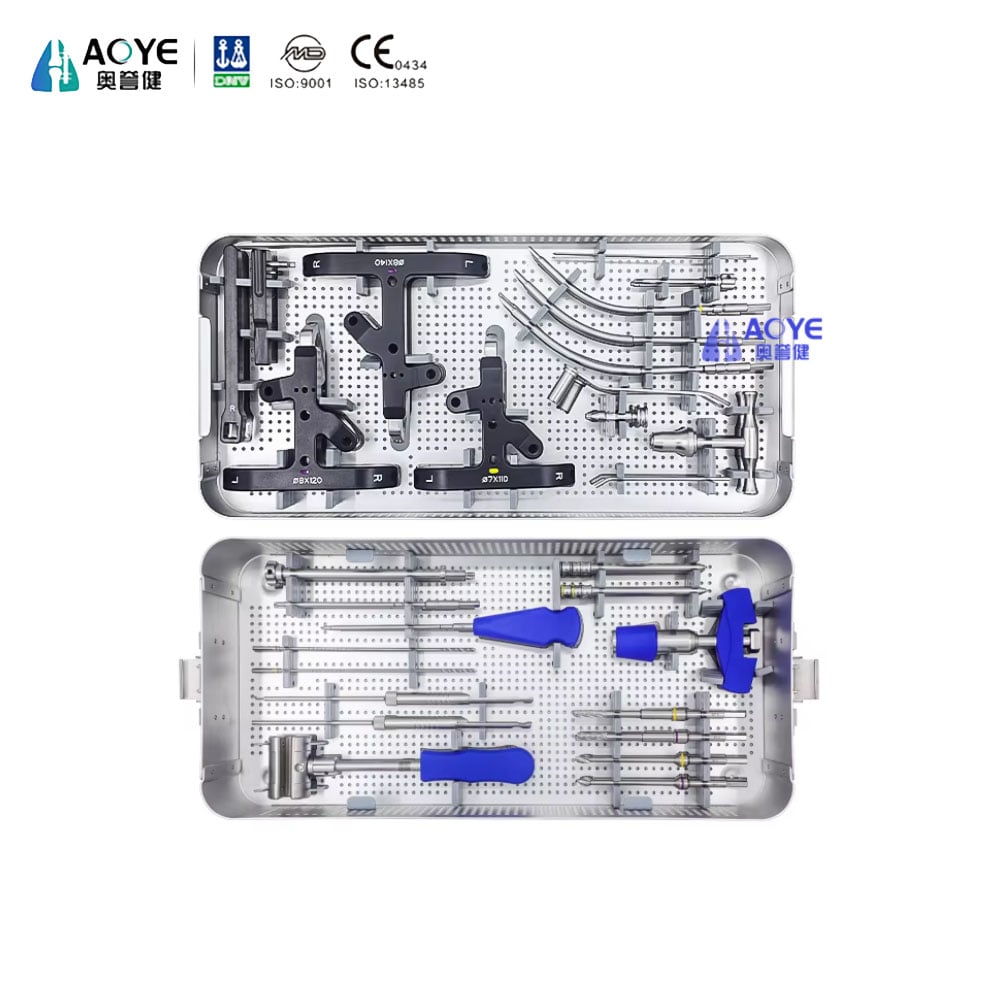
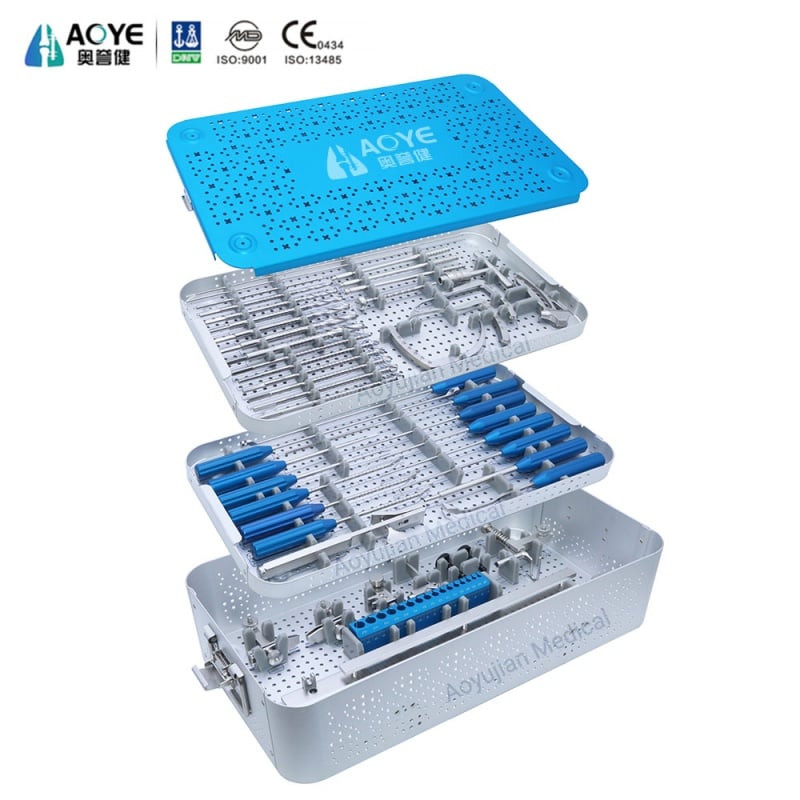
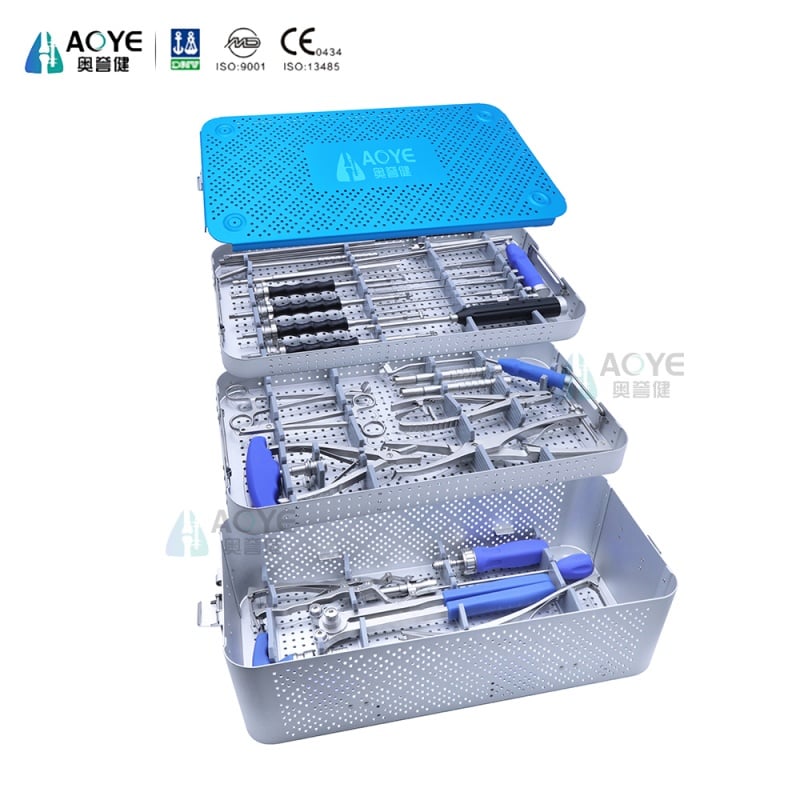
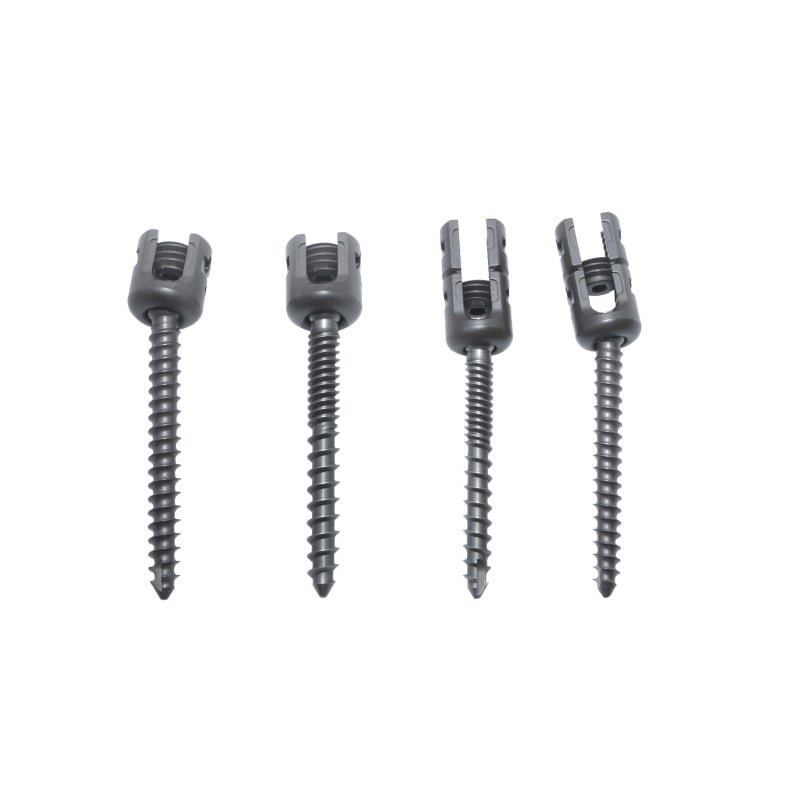
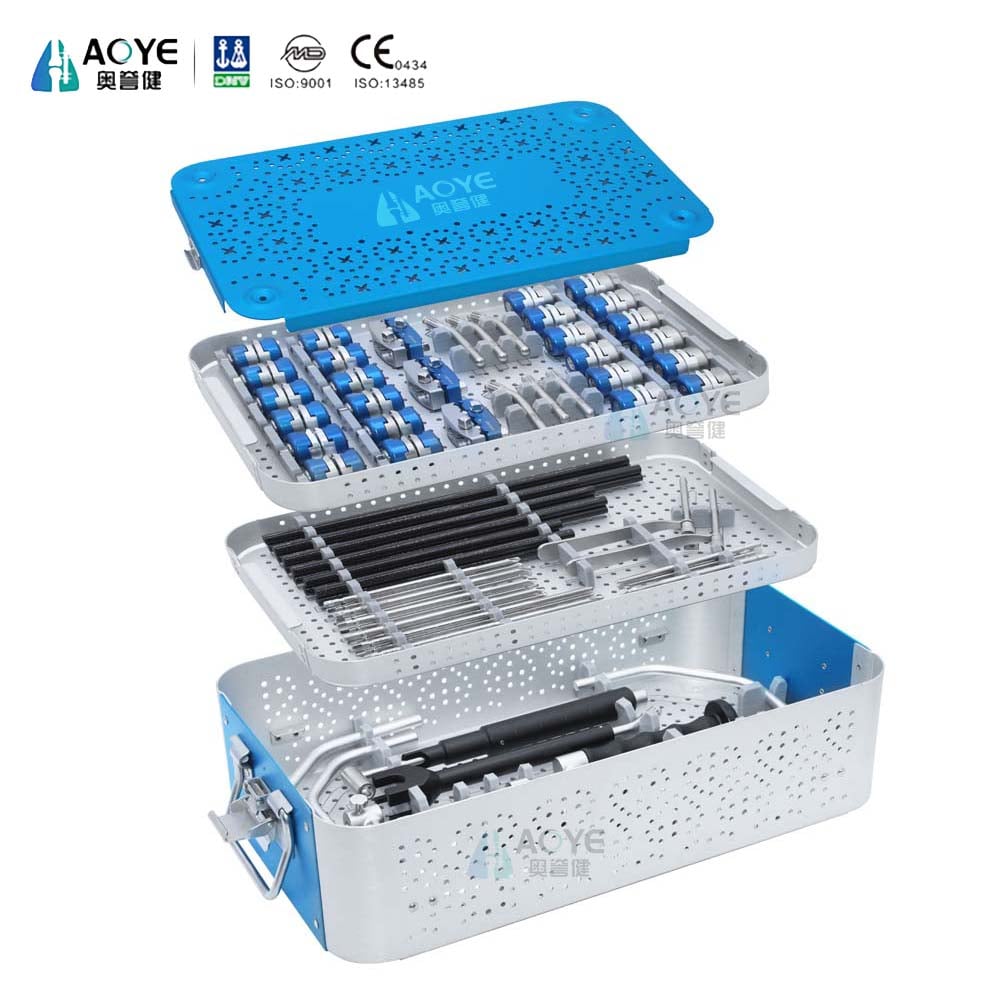
Understanding spinal surgical instruments is crucial for healthcare professionals involved in orthopedic procedures. These specialized tools are essential for ensuring successful surgeries and optimal patient outcomes. B2B buyers, including purchasing managers and medical distributors, often seek high-quality orthopedic surgical instruments that meet strict regulatory standards, are reliable, and offer excellent performance in surgical settings. This article will explore where to source these instruments, understand their specifications, evaluate cost factors, identify common issues and solutions, and provide essential technical knowledge for safe installation.
When sourcing orthopedic surgical instruments, buyers should consider manufacturers that are ISO13485 and CE certified. These certifications indicate compliance with international quality management standards, ensuring that the products are safe and effective for medical use. Aoyujian Medical, for instance, is a reputable Chinese manufacturer with a strong track record of serving partners in 45 countries.
Buyers can explore several avenues for sourcing these instruments:
1. Direct Manufacturers: Engaging directly with manufacturers like Aoyujian Medical can provide access to competitive pricing and customization options. This approach often facilitates better communication regarding product specifications and quality assurance.
2. Distributors: Established medical supply distributors may offer a range of products from various manufacturers, allowing buyers to compare options easily. It's crucial to choose distributors with a good reputation and knowledge of the medical field.
3. Trade Shows and Expos: Attending industry-specific trade shows can connect buyers with multiple manufacturers and suppliers. These events often provide opportunities to see products in action and discuss specifications directly with providers.
4. Online Marketplaces: While sourcing online, buyers should exercise caution and verify the credibility of suppliers. Look for reviews, past customer experiences, and certifications to ensure the quality of the instruments.
Specifications for spinal orthopedic surgical instruments are critical for ensuring their suitability for specific surgical procedures. Key specifications to consider includes the following:
1. Material: Instruments are typically made from stainless steel or titanium, which offer strength, corrosion resistance, and bio compatibility. The choice of material can affect the instrument's durability and performance.
2. Dimensions: Precise dimensions are vital for the instruments to function correctly in surgical settings. It is essential to verify that the sizes meet the requirements of the intended procedure, as even slight deviations can lead to complications.
3. Surface Finish: A smooth finish is crucial for preventing tissue damage during surgery. Instruments should have a polished surface to minimize friction and facilitate easy handling.
4. Ergonomics: The design should consider ease of use, with handles that provide a secure grip. This is particularly important in long procedures where fatigue can impact precision.
Buyers should confirm these specifications with manufacturers to ensure that the instruments will meet their operational needs and regulatory requirements.
The cost of spinal surgical instruments can vary significantly based on several factors. Understanding these factors can help buyers make informed purchasing decisions:
1. Material Costs: The choice of materials impacts the price. Premium materials, such as titanium, may increase costs but could offer better durability and performance.
2. Manufacturing Processes: Instruments that require advanced manufacturing techniques, such as precision machining or additive manufacturing, may have higher production costs.
3. Customization: Custom instruments tailored to specific surgical needs can incur additional costs due to the extra design and development work involved.
4. Volume Discounts: Purchasing in bulk can lead to significant savings. Buyers should inquire about minimum order quantities (MOQ) and volume pricing.
5. Quality Assurance: Instruments that undergo rigorous quality control and testing processes may have a higher price tag. However, investing in quality can reduce the risk of instrument failure during surgery.
Understanding these cost factors allows buyers to evaluate their options effectively and identify the best value for their needs.
While spinal orthopedic surgical instruments are designed for reliability, common issues can arise. Here are some typical problems and suggested solutions:
1. Corrosion: Instruments made from inferior materials may corrode over time, affecting their performance. To mitigate this, buyers should ensure that the instruments are made from high-quality, corrosion-resistant materials and are properly maintained.
2. Misalignment: Instruments not manufactured to precise specifications can lead to misalignment during surgery. Buyers should inspect instruments for dimensional accuracy and request samples to ensure they meet required tolerances.
3. Instrument Failure: This can occur if instruments are not properly sterilized or maintained. Establishing a robust sterilization protocol and regular inspection schedules can help prevent failures.
4.. Difficult Handling: Instruments that are not ergonomically designed can lead to user fatigue and decreased precision. Buyers should prioritize ergonomic designs and test the instruments for comfort during handling.
By being aware of these common issues, buyers can take proactive steps to ensure the reliability and performance of their surgical instruments.
Proper installation and handling of spinal orthopedic surgical instruments are crucial for ensuring patient safety and successful outcomes. Here are important technical considerations:
1. Sterilization: Before use, all instruments must be properly sterilized according to established guidelines. Buyers should confirm that their suppliers provide sterilization validation and guidelines for their instruments.
2. Operational Training: Healthcare professionals using the instruments should be adequately trained. This includes understanding the instrument’s design, intended use, and handling techniques to minimize risks during procedures.
3. Compatibility with Surgical Systems: Ensure that the instruments are compatible with the surgical systems and techniques used in specific procedures. This may involve consulting with the manufacturer or reviewing technical documentation.
4. Regular Maintenance: Establishing a routine maintenance schedule is essential for prolonging the lifespan of surgical instruments. This includes regular inspections, cleaning, and repairs as needed.
By adhering to these guidelines, healthcare providers can enhance the safety and effectiveness of spinal surgeries, ultimately benefiting patient care. Through careful consideration of sourcing, specifications, cost factors, common issues, and technical knowledge, buyers can make informed decisions when purchasing spinal orthopedic surgical instruments. This strategic approach not only ensures compliance with medical standards but also supports optimal surgical outcomes.
Aoyujian Medical Technology provides trusted orthopedic solutions, high-quality implants, OEM/ODM services, and global shipping for hospitals & distributors.
No. 2 Changting Road, Gehu Farm, Wujin Economic Development Zone, Changzhou, Jiangsu, China
Copyright © Aoyujian Medical Technology (Changzhou) Co., Ltd. All Rights Reserved - Privacy Policy - Blog
 EN