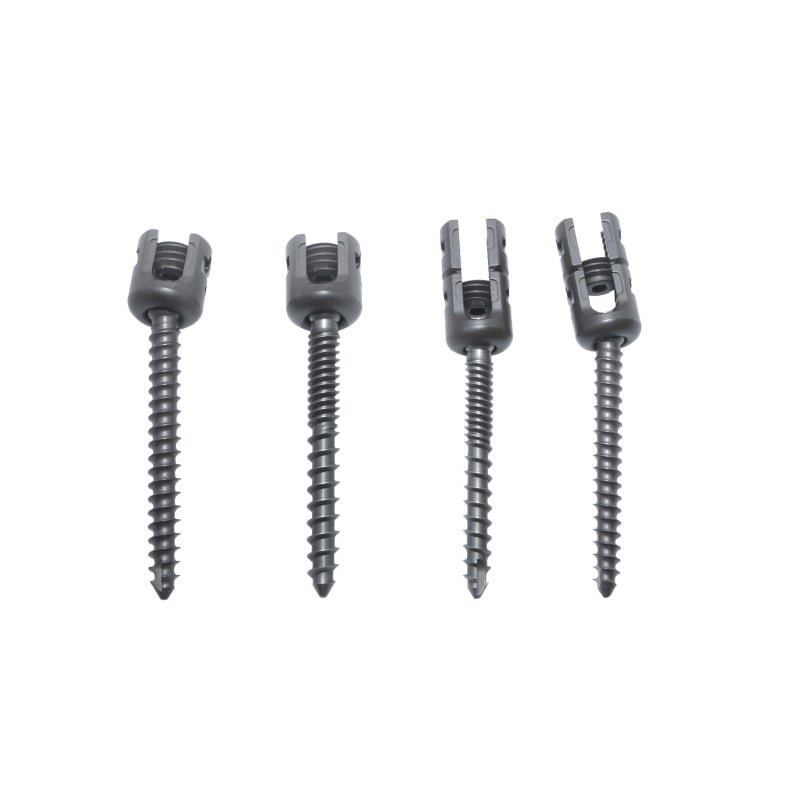
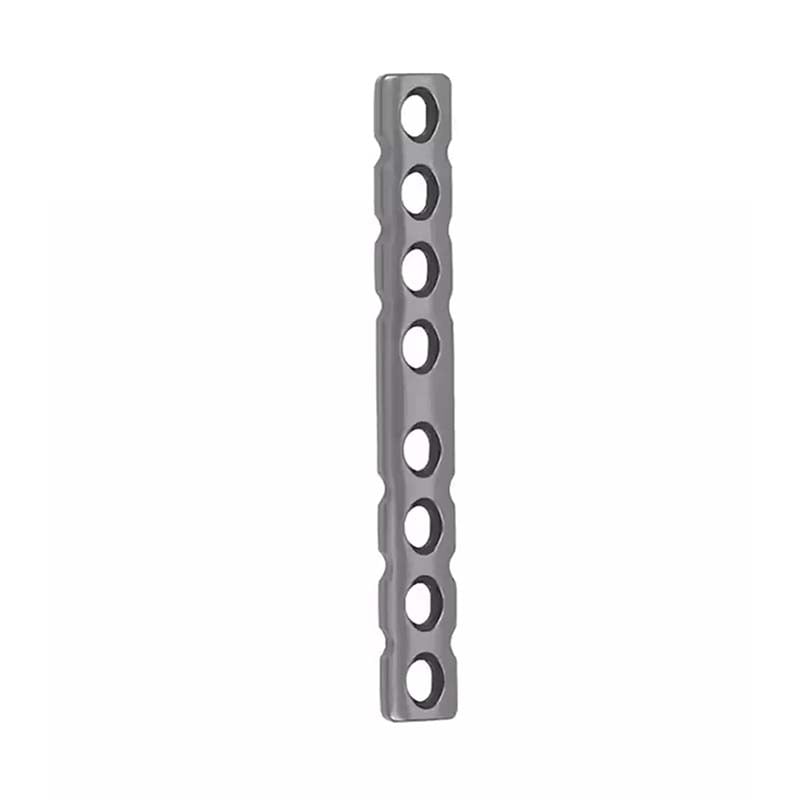
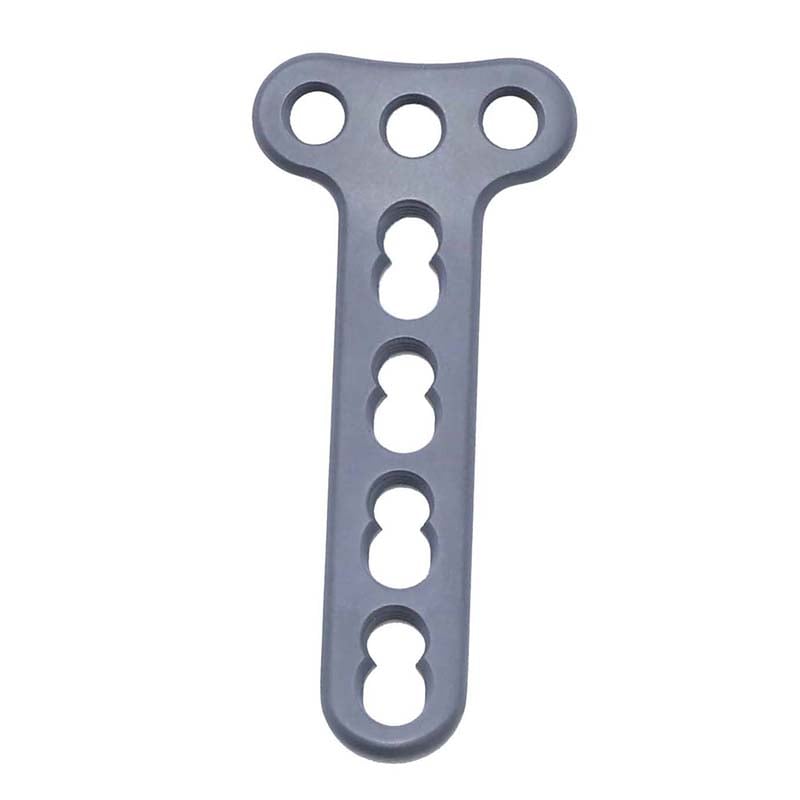
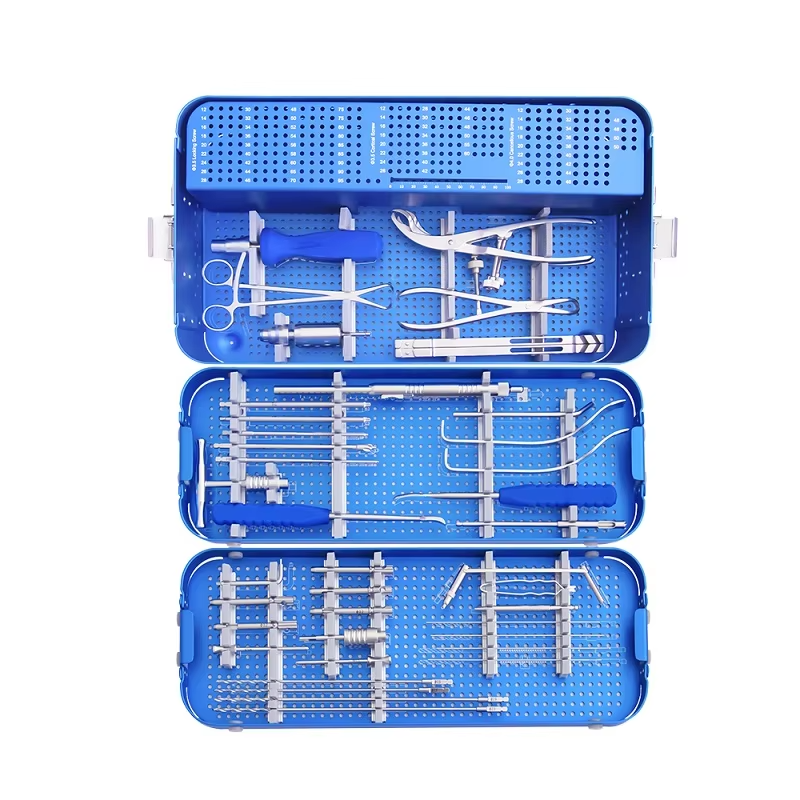
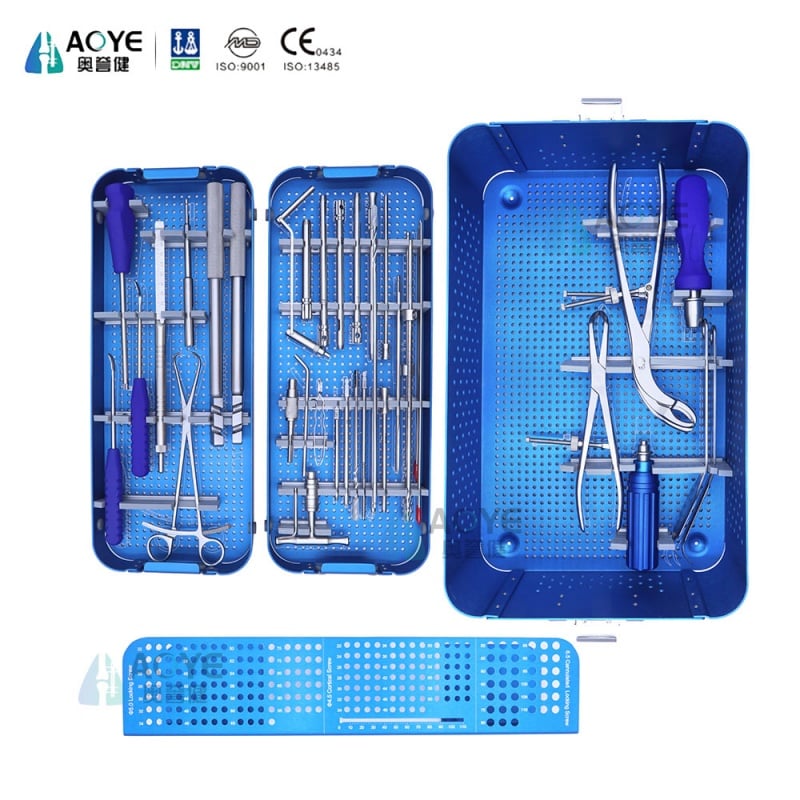
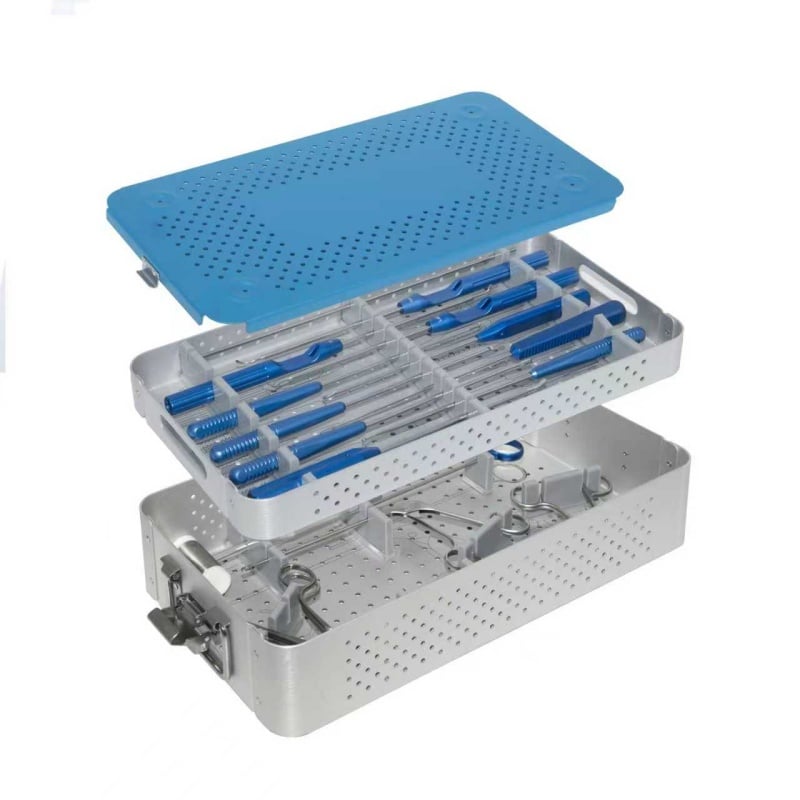
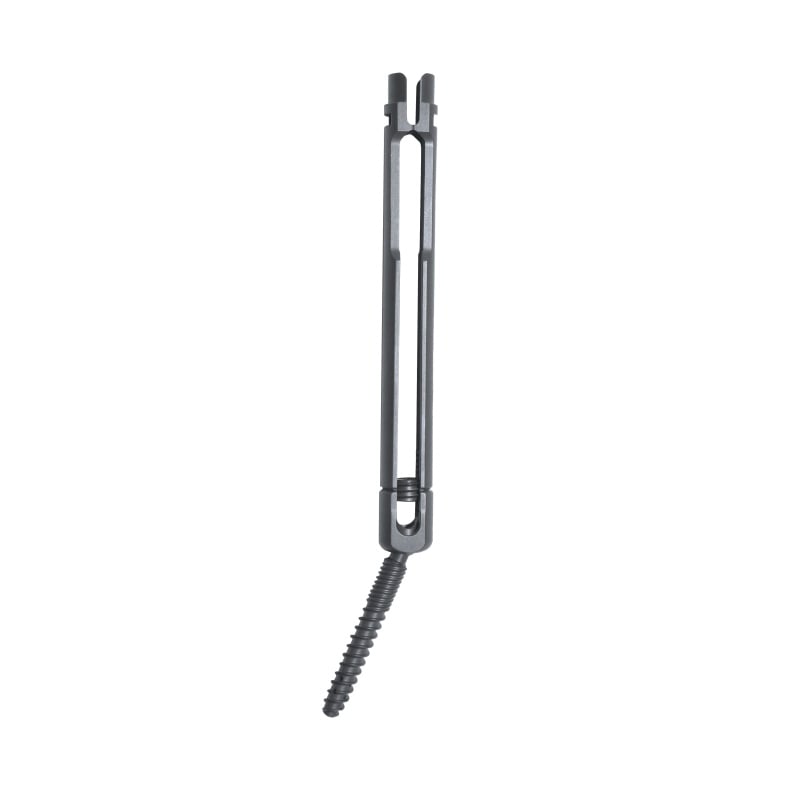
Sports medical equipment plays a critical role in injury prevention, rehabilitation, and performance enhancement for athletes and active individuals. As a B2B buyer in this field, you may be concerned about product specifications, quality standards, and cost factors, especially when sourcing from manufacturers like Aoye, a reputable Chinese supplier of orthopedic implants and instruments. This article will provide insights into key considerations when purchasing sports medical equipment, guiding you through essential specifications, quality standards, and common challenges.
When selecting sports medical equipment, several factors should be top of mind. Primarily, compatibility with existing medical practices and equipment is crucial. This includes ensuring that the instruments meet the specific needs of your clientele, whether they are professional athletes or weekend warriors.
Material selection is also vital. Sports medical equipment often encounters various stressors, so understanding materials such as stainless steel, titanium, or high-grade plastics can affect durability and functionality. Buyers should also consider the orthopedic medical devices design and ergonomics, as these factors can significantly influence user experience and treatment outcomes.
Finally, ensure the manufacturer’s certifications, such as ISO13485 and CE marking, are up to date, as these indicate compliance with international standards for quality management systems in the medical sector.
Understanding the essential specifications of sports medical equipment can help you make informed purchasing decisions. Key specifications include:
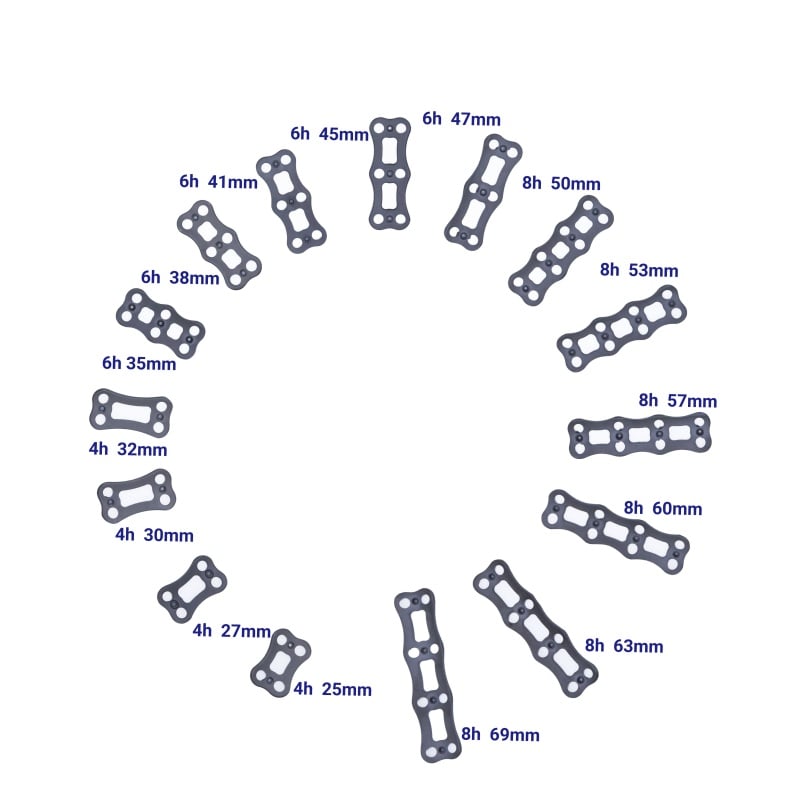
Size and Dimensions: Equipment must fit specific anatomical measurements to ensure effectiveness. For instance, surgical instruments should be sized appropriately for the target population.
Material Properties: The choice of materials should reflect the equipment's intended use—whether for surgical implants or rehabilitation devices. For example, titanium is preferred for its strength-to-weight ratio and biocompatibility.
Load Capacity: Equipment should be able to withstand the forces encountered during use. This is particularly important in orthopedic applications where improper load bearing can lead to device failure.
Surface Treatment: Consider coatings or finishes that can enhance biocompatibility or reduce friction. For instance, anodized surfaces on metal instruments can improve resistance to corrosion and wear.
Understanding these specifications will help you ensure that the ortho medical devices meets both patient safety standards and performance expectations.
Quality assurance is paramount in the manufacturing of sports medical equipment. Buyers should familiarize themselves with several quality standards:
ISO13485 Certification: This indicates a manufacturer has a robust quality management system in place, crucial for maintaining consistent product quality.
CE Marking: A CE mark signifies that the product meets European safety, health, and environmental protection standards. This is particularly important for companies that export to Europe.
Quality Control Processes: Inquire about the manufacturer’s quality control measures, such as in-process inspections and final product testing. Manufacturers like Aoye often have rigorous testing protocols to ensure that every product meets required specifications before shipment.
Engaging with manufacturers about their quality standards and practices will help ensure you are sourcing reliable and compliant sports medical equipment.
When purchasing Aoye sports medical equipment in bulk, several cost factors come into play. One primary consideration is the minimum order quantity (MOQ), which can vary significantly among manufacturers. Purchasing in larger quantities often reduces the per-unit cost, but buyers should balance this with inventory management considerations.
Additionally, pricing may be affected by customization options. Custom designs or specifications may incur additional costs, so it's important to clarify these details during negotiation.
Shipping and handling should also be factored into the total cost. Understanding the manufacturer’s shipping policies, including packaging methods, delivery timelines, and potential tariffs for international orders, can help you avoid unexpected expenses.
Lastly, consider long-term costs such as maintenance and replacement parts, as these can significantly impact your budget over time.
Despite rigorous quality controls, buyers may encounter common issues with sports medical equipment. Here are some typical problems and practical solutions:
Material Degradation: With repeated use, some materials may degrade or corrode. To address this, ensure that equipment is made from high-grade, durable materials and that proper care instructions are provided.
Incompatibility with Existing Systems: Equipment may not always integrate smoothly with existing medical systems or protocols. Prior to purchasing, verify that the equipment aligns with current practices and technologies used in your facility.
Quality Variability: Inconsistent quality can arise from fluctuations in manufacturing processes. Regular audits and inspections of the manufacturing facility can mitigate this risk, ensuring adherence to quality standards throughout production.
By proactively addressing these common issues, buyers can enhance their purchasing decisions and ensure a smoother integration of sports medical equipment into their operations.
Navigating the complexities of purchasing sports medical equipment requires attention to detail and a deep understanding of specifications, quality standards, and cost implications. By employing these guidelines, B2B buyers can make more informed decisions, ensuring they procure ortho medical supplies that meets their operational needs and supports the health and performance of their clients.
Aoyujian Medical Technology provides trusted orthopedic solutions, high-quality implants, OEM/ODM services, and global shipping for hospitals & distributors.
No. 2 Changting Road, Gehu Farm, Wujin Economic Development Zone, Changzhou, Jiangsu, China
Copyright © Aoyujian Medical Technology (Changzhou) Co., Ltd. All Rights Reserved - Privacy Policy - Blog
 EN