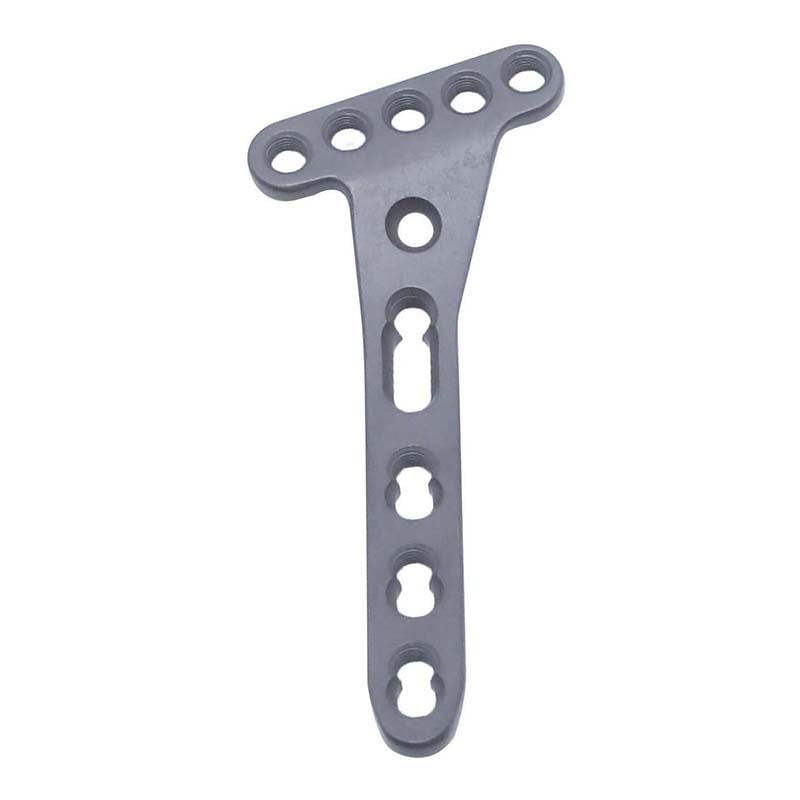
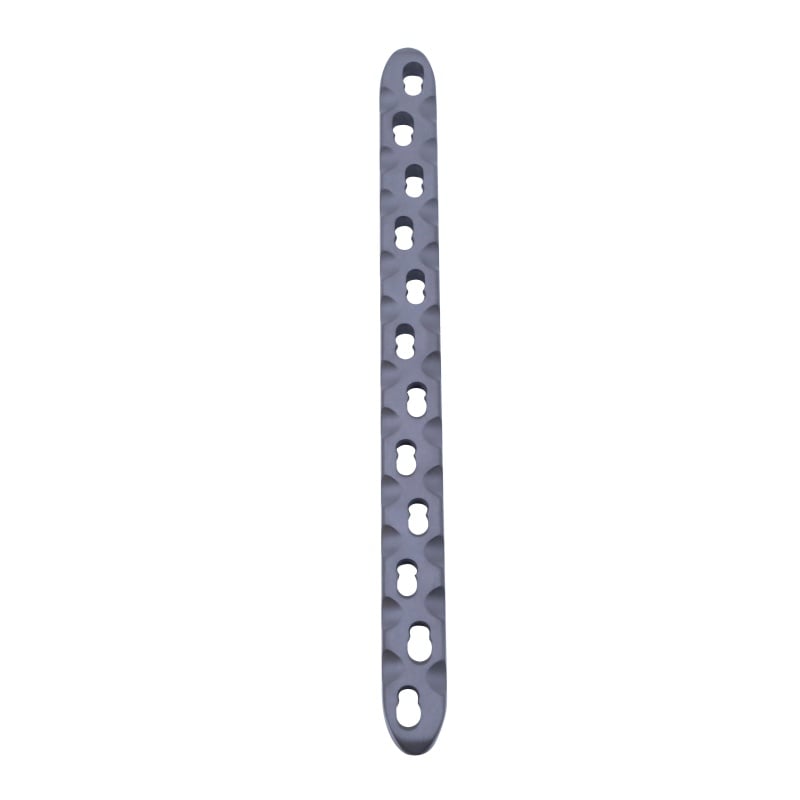
Sternum titanium plates are critical components in orthopedic procedures, especially for patients requiring thoracic stabilization after surgery or trauma. As a B2B buyer, understanding the various specifications and qualities of these plates is essential for making informed purchasing decisions. This article will guide you through the key considerations in selecting sternum titanium plates, from specifications to cost factors, ensuring you choose the right products for your surgical needs.
Selecting the appropriate sternum titanium plates involves evaluating several factors. First, consider the specific medical application—whether it's for trauma recovery, spinal stabilization, or sports medicine. The titanium bone plate must fit the anatomical and physiological requirements of the patient.
Next, assess the dimensions and shape of the plates. Standard sizes may not suit all patients, so custom options might be necessary. Aoye offers customization capabilities, allowing you to tailor the plates to fit various surgical needs.
Additionally, consider the surface treatment of the titanium plates. Anodization or coating can enhance biocompatibility and minimize the risk of infection, which is crucial during and after surgical procedures.
Finally, ensure that the manufacturer meets industry standards such as ISO13485 and CE certification, which guarantee the quality and safety of medical devices.
When evaluating sternum titanium plates, several key specifications should be top of mind:
Material Composition: Most sternum plates are made from titanium due to its excellent strength-to-weight ratio and biocompatibility. Look for plates made from titanium alloy (Ti-6Al-4V) for enhanced performance.
Thickness and Dimensions: The thickness of the plates affects their strength and flexibility. Standard thickness often ranges from 1.5mm to 3mm, but specific applications may require different dimensions. Ensure that the dimensions align with the surgical procedure to avoid complications.
Load-Bearing Capacity: This refers to the amount of weight the plate can support. Understanding the load requirements based on the patient's condition is essential to prevent failure during recovery.
Surface Finish: A smooth surface finish can reduce tissue irritation, while a textured finish may promote better osseointegration. Discuss the available finishes with your supplier to determine the best option for your application.
Sterilization Compatibility: Ensure that the plates can withstand the sterilization processes used in your facility, such as autoclaving or gamma radiation, to maintain sterile conditions during surgery.
To effectively compare sternum titanium plates, create a checklist based on the specifications that matter most for your application.
Supplier Reputation: Research potential suppliers like Aoye. Look for reviews from other healthcare providers and assess their experience in the orthopedic implant market.
Quality Control Measures: Understand the quality control processes employed by the manufacturer. A robust quality assurance program ensures consistency and reliability in the products.
Customization Options: Evaluate how flexible the manufacturer is in providing custom solutions. This can include specific dimensions, surface treatments, and even packaging preferences.
Lead Times: Different suppliers may have varying production and delivery timelines. Confirm lead times, especially if you need the products for an upcoming surgery.
Pricing Structure: Request detailed quotations that break down costs. Compare not just unit prices but also shipping and any potential customization fees. Remember, the lowest price may not always indicate the best value.
Define Your Requirements: Begin by outlining the specific needs of your surgical procedures. Consider the types of patients and conditions you will be addressing.
Research Suppliers: Compile a list of potential manufacturers, focusing on those with a proven track record in producing orthopedic implants.
Request Samples: Before making a bulk order, request samples for evaluation. This allows you to assess the quality and suitability of the distal radius plate in a real-world context.
Review Technical Documentation: Ensure that the technical specifications align with your requirements. This includes checking certifications, materials, and manufacturing standards.
Negotiate Terms: Once you identify a preferred supplier, discuss pricing, lead times, and warranties to secure the best terms for your purchase.
The cost of sternum titanium plates can vary significantly based on several factors:
Material Costs: Titanium is generally more expensive than other metals. The alloy composition can also influence the price, with higher-grade materials commanding premium costs.
Customization Fees: Custom designs or specifications will typically incur additional costs. Factor in these expenses when budgeting for your purchase.
Order Quantity: Many manufacturers offer tiered pricing based on the quantity ordered. Larger orders may qualify for discounts, so consider your needs carefully.
Shipping and Handling: Shipping fees can add to the overall cost, especially for international shipments. Ensure you understand the shipping terms and any potential delays.
Regulatory Compliance Costs: Compliance with international standards may involve additional testing and certification expenses, which could be reflected in the product pricing.
In summary, choosing the right platinum plate for surgery requires careful consideration of specifications, supplier capabilities, and cost factors. By following a structured approach and leveraging the expertise of reputable manufacturers like Aoye, you can ensure that you select the best options for your surgical needs.
Aoyujian Medical Technology provides trusted orthopedic solutions, high-quality implants, OEM/ODM services, and global shipping for hospitals & distributors.
No. 2 Changting Road, Gehu Farm, Wujin Economic Development Zone, Changzhou, Jiangsu, China
Copyright © Aoyujian Medical Technology (Changzhou) Co., Ltd. All Rights Reserved - Privacy Policy - Blog
 EN