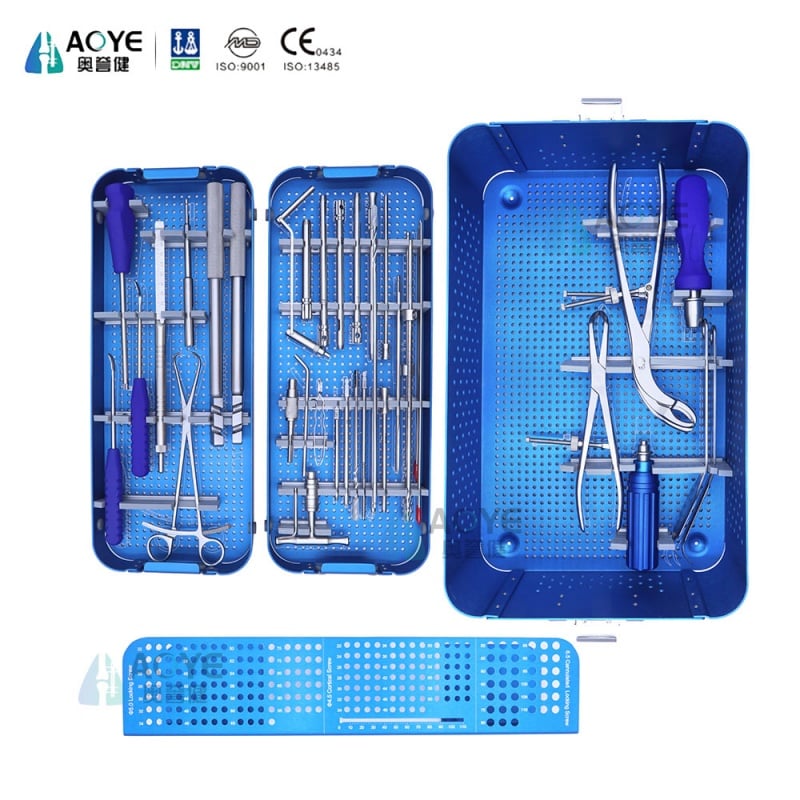
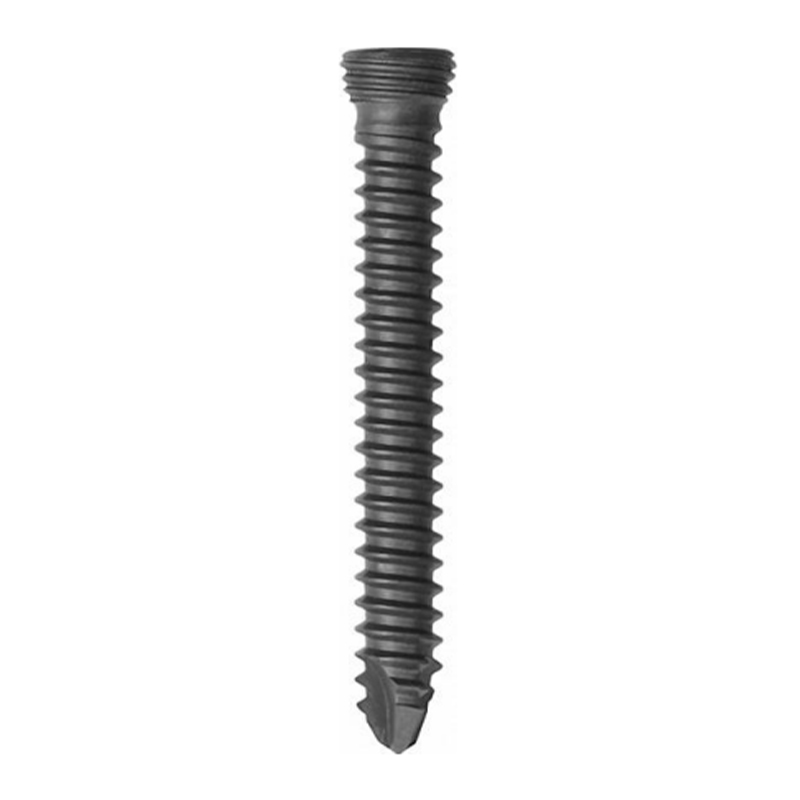
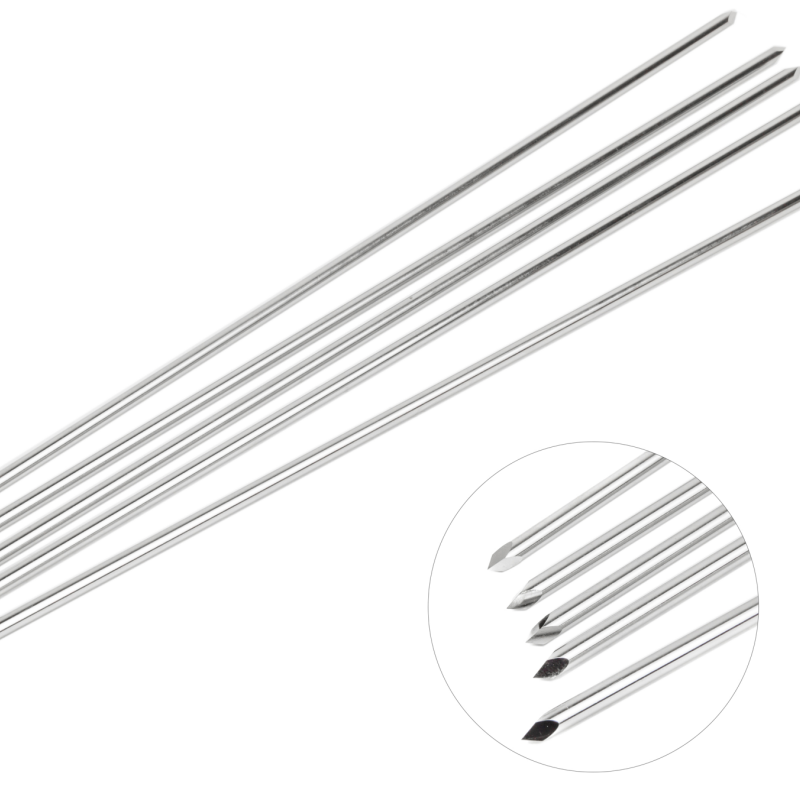
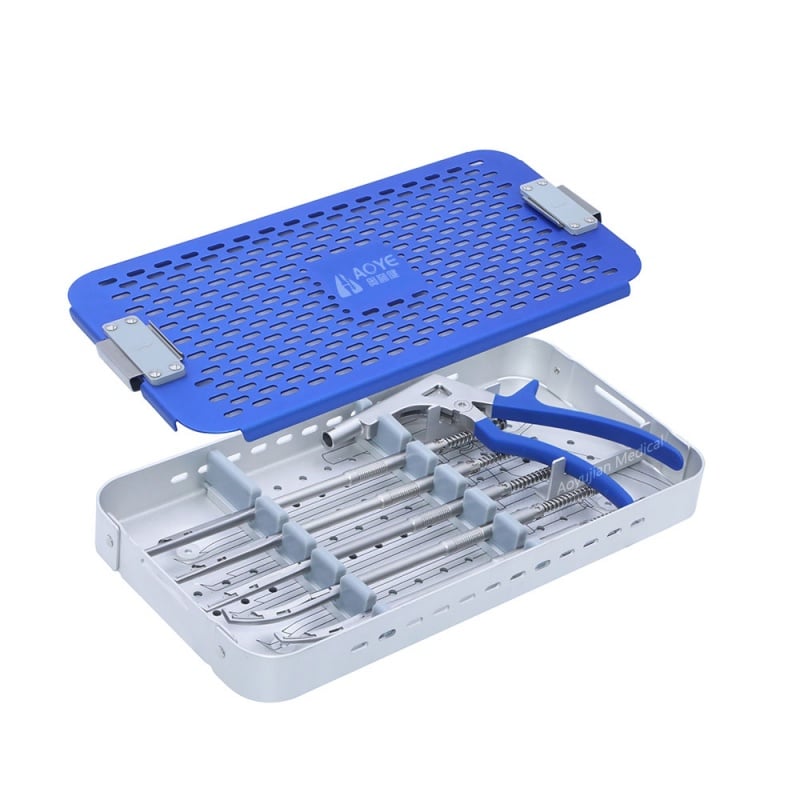
Surgical bone drills are essential tools in orthopedic procedures, enabling precise bone cutting and preparation for implant placement. As a purchasing manager or medical professional, understanding the key specifications, sourcing options, and cost factors associated with these devices is crucial. This article aims to provide insight into what to consider when sourcing surgical bone drills, including supplier evaluation, pricing considerations, and guidance on usage.
When sourcing surgical bone drills, several specifications are critical to ensure the device meets procedural requirements effectively.
Material Composition: Surgical bone drills are typically made from high-grade stainless steel or titanium alloys. The choice of material affects durability, corrosion resistance, and overall performance. Stainless steel is common for its strength and resistance to wear, while titanium may be preferred for its lightweight properties.
Drill Diameter and Length: These dimensions are vital as they need to match the specific surgical procedure. Common diameters range from 2mm to 8mm. The length must accommodate the typical thickness of the bone being drilled. Buyers should confirm these dimensions based on their specific applications.
Speed and Torque Settings: Surgical bone drills often come with adjustable speed and torque settings, which are essential for different procedures. Higher speeds are needed for softer bones, while lower speeds can help in denser bone structures to prevent overheating and damage.
Sterilization Compliance: Understanding sterilization requirements is crucial. Drills should be designed for ease of sterilization, compatible with autoclave processes, and made of materials that can withstand repeated sterilization cycles without degradation.
Ergonomics and Design: The design and ergonomics of the drill handle can significantly impact the surgeon's comfort and control. Look for surgical drill machine features like a non-slip grip and weight balance.
By confirming these specifications, buyers can ensure that the surgical bone drills not only meet operational needs but also enhance surgical outcomes.
Finding reliable suppliers for surgical bone drills requires thorough research. Here are some avenues to consider:
Industry Trade Shows: Attending medical device exhibitions and orthopedic trade shows can provide direct access to manufacturers and suppliers. This face-to-face interaction allows buyers to evaluate products firsthand and establish relationships.
Online B2B Marketplaces: Platforms like Alibaba or Global Sources allow buyers to compare multiple suppliers and read reviews from other customers. However, it’s essential to conduct due diligence on supplier credibility and product quality.
Professional Associations: Joining associations such as the American Academy of Orthopaedic Surgeons (AAOS) or the European Society of Orthopaedics and Traumatology can offer insights into reputable suppliers and manufacturers in the orthopedic field.
Direct Manufacturer Outreach: Contacting manufacturers like Aoyujian Medical directly can streamline the sourcing process. Companies with ISO13485 and CE certifications often provide a level of assurance regarding quality standards.
Building a relationship with suppliers can also facilitate better pricing, customization options, and support services.
When planning to order surgical bone drills in bulk, several cost factors should be taken into account:
Unit Price: This can vary widely based on material, design complexity, and supplier. Bulk orders often lead to volume discounts, so it’s crucial to negotiate pricing based on quantity.
Shipping Costs: Depending on the supplier's location, shipping costs can significantly affect the overall budget. Consider the shipping method, which can impact delivery time and expenses.
Customs and Duties: For international orders, customs duties and taxes may apply. Understanding these costs upfront can prevent unexpected expenses upon delivery.
Quality Control and Inspection: Investing in quality control measures, including inspections and testing of samples before mass production, can prevent costly returns and ensure compliance with medical standards.
Payment Terms: Discussing payment terms with suppliers can also affect cash flow. Some suppliers may offer favorable terms for bulk orders, such as deferred payment options.
By evaluating these cost factors, buyers can better manage their budgets and ensure they receive quality products without compromising financial stability.
Selecting the appropriate surgical bone drill involves understanding specific procedural requirements and surgeon preferences. Here are some key considerations:
Procedure Type: Different surgical procedures may require different drills. For example, a surgical tool set designed for orthopedic trauma may differ from one used in spine surgery. Understanding the application helps narrow down options.
Surgeon Feedback: Engaging with the surgical team can provide insights into preferences regarding drill weight, handling, and maneuverability. Their feedback can guide the selection process effectively.
Interchangeable Components: Some ortho surgical instruments allow for interchangeable drill bits for various applications. If flexibility is a priority, consider these models, as they can reduce equipment costs over time.
Warranty and Support: A reliable warranty can be indicative of the manufacturer's confidence in their product quality. Additionally, consider the level of customer support offered for troubleshooting or training.
Long-Term Costs: Beyond the initial purchase price, consider the long-term costs associated with maintenance, potential repairs, and the expected lifespan of the drill.
Choosing the right surgical bone drill tailored to specific needs can enhance surgical efficiency and outcomes.
Proper installation and usage of surgical bone drills are crucial for achieving optimal performance. Here are some key guidelines:
Pre-Operational Checks: Before use, ensure that all components are sterile and in good condition. Check for any visible signs of wear or damage that could affect performance.
Calibration: Verify that the drill is calibrated correctly according to the manufacturer's specifications. Adjust settings based on the type of bone being drilled to avoid complications.
Training: Provide adequate training for the surgical team on the correct usage of the drill. Understanding the operational features, including speed and torque settings, is essential for effective use.
Maintenance Protocols: Establish a routine maintenance schedule for the drills to ensure longevity and reliability. This includes cleaning, sterilization, and regular inspections for any signs of wear.
Feedback Loop: Encourage the surgical team to provide feedback on drill performance during surgeries. This can help identify areas for improvement and guide future purchasing decisions.
By following these guidelines, healthcare providers can maximize the performance and reliability of surgical bone drills in their procedures.
Aoyujian Medical Technology provides trusted orthopedic solutions, high-quality implants, OEM/ODM services, and global shipping for hospitals & distributors.
No. 2 Changting Road, Gehu Farm, Wujin Economic Development Zone, Changzhou, Jiangsu, China
Copyright © Aoyujian Medical Technology (Changzhou) Co., Ltd. All Rights Reserved - Privacy Policy - Blog
 EN