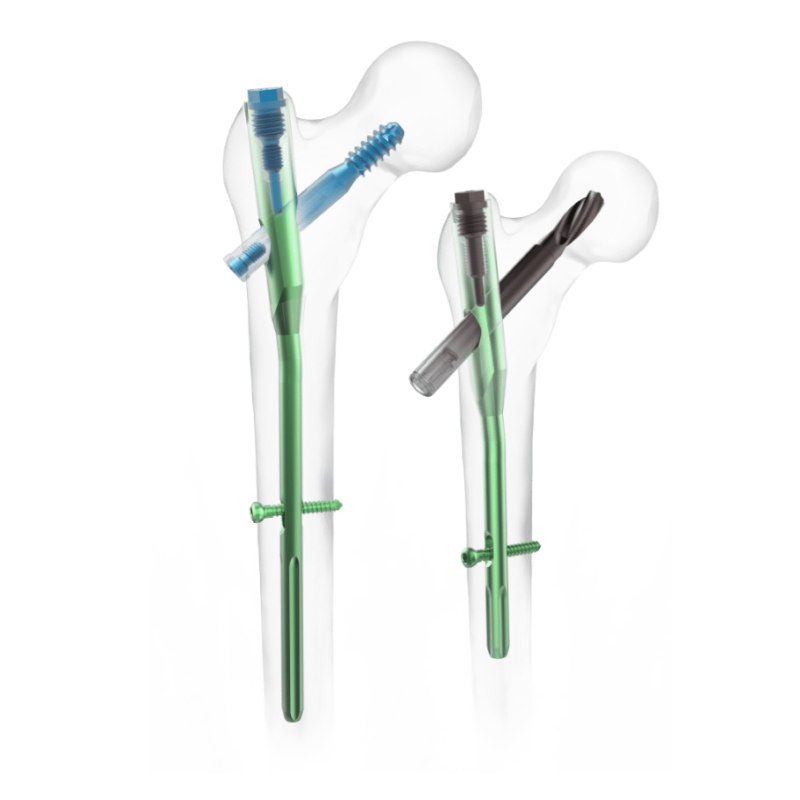
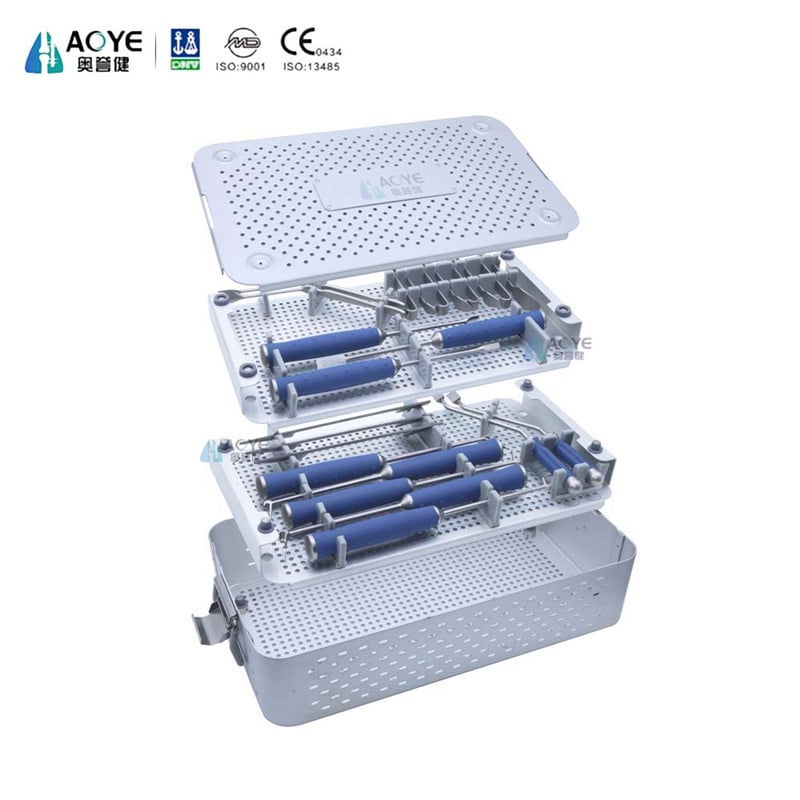
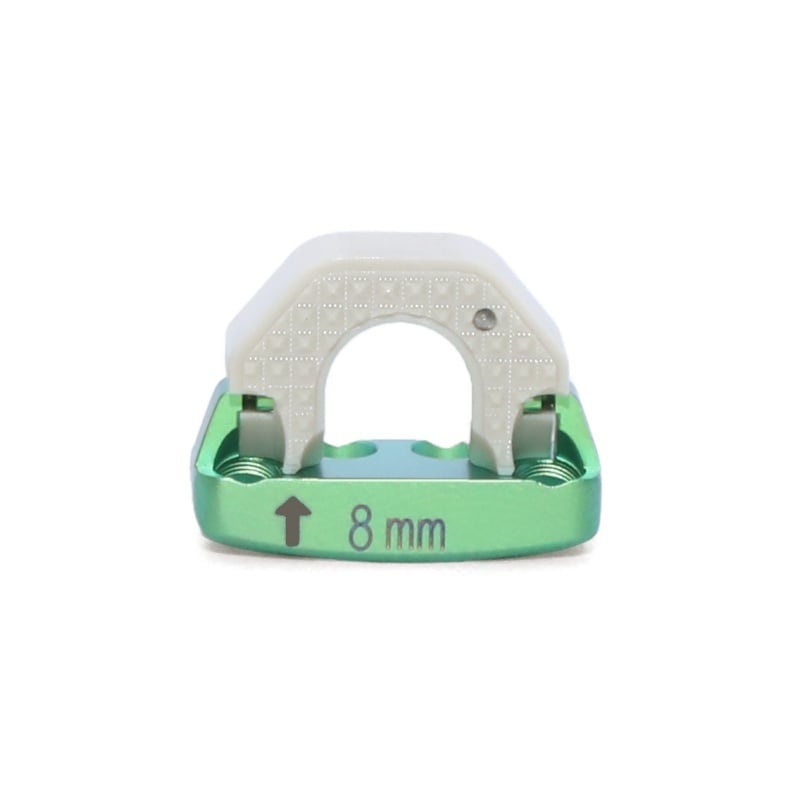
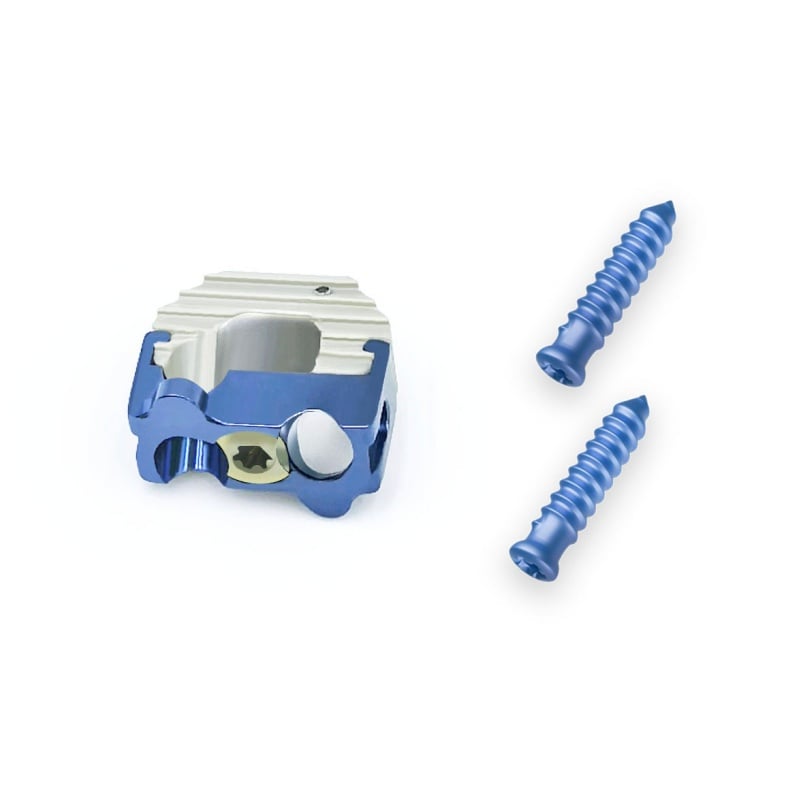
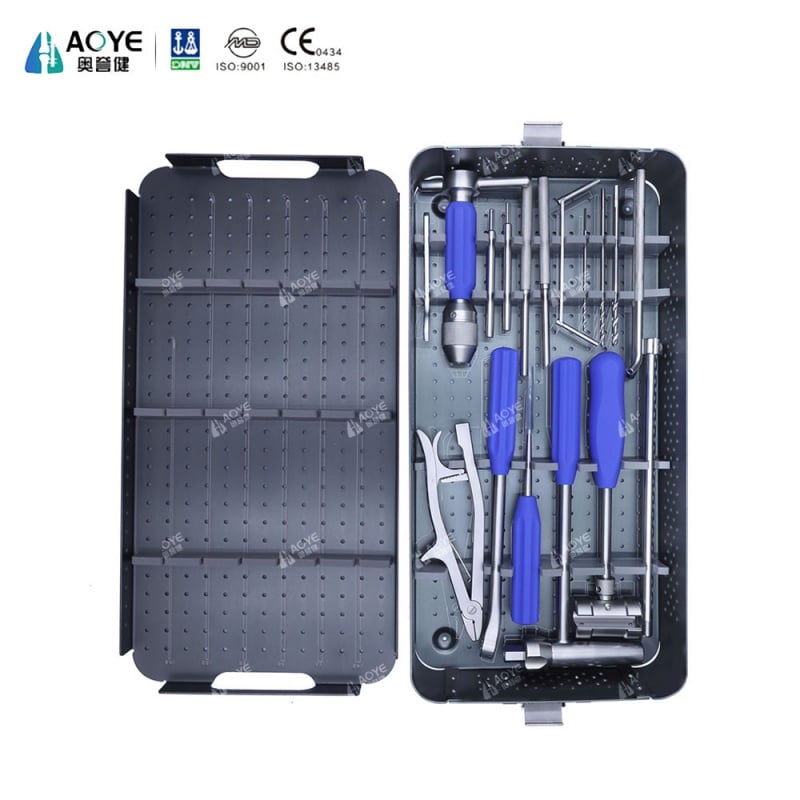
Surgical drill bits are essential tools in orthopedic surgery, designed specifically for precision drilling into bone and other tissue. As a key component in various medical procedures, these drill bits must meet high-quality standards to ensure safety and effectiveness. For purchasing managers, distributors, and other B2B buyers, understanding the specifics of surgical drill bits—including their applications, material advantages, and common challenges—is crucial for making informed decisions. This article will provide valuable insights into ortho surgical instruments and guide buyers through the purchasing process.
When using Aoye surgical drill bits, proper installation is critical to ensure optimal performance during orthopedic procedures. The installation process typically involves selecting the appropriate drill bit size and type based on the specific surgical application. It is essential to confirm that the drill bit is compatible with the surgical drill being used; this includes checking the shank diameter and connection type.
Before the procedure, surgical teams should ensure that the drill is calibrated correctly. This involves setting the correct speed and torque to prevent overheating or damaging the bone tissue. Additionally, proper sterilization of the drill bits must be performed according to medical standards to avoid post-operative infections.
During installation, it's advisable to use a guide or jig to maintain proper alignment and angle while drilling. This helps minimize the risk of complications and ensures the drill bit penetrates the bone accurately. Following the manufacturer's guidelines for installation can significantly reduce the risk of equipment failure during surgery.
Despite their importance, surgical drill bits can present challenges during use. One common issue is bit dullness, which can lead to increased friction, overheating, and potential damage to the surrounding tissue. Regular inspection and replacement of drill bits are necessary to maintain performance. Buyers should inquire about the expected lifespan of the drill bits based on specific applications.
Another problem can arise from improper torque settings, which may result in insufficient penetration or excessive force that could fracture the bone. To mitigate this, surgical teams should be trained on the correct settings for various procedures and the specific drill bits being used.
Lastly, improper storage can lead to contamination. It is crucial to store drill bits in a clean, dry environment, preferably in sterilized packaging, to ensure they remain safe for use. Buyers should verify that suppliers provide adequate packaging methods that protect the integrity of the surgical drill machine during storage and transport.
Surgical drill bits have multiple applications in Aoye orthopedic surgery, primarily in procedures involving trauma, spine operations, and sports medicine. In trauma surgeries, drill bits are used to create holes for screws or pins to stabilize fractures. The precision of the drill bit is vital to ensure that the screws are placed accurately, promoting optimal healing.
In spine surgeries, surgical drill bits are employed to access the vertebrae and secure implants. The choice of drill bit size and type must be tailored to the specific vertebral structure to avoid complications. For example, smaller diameter bits are often used in delicate spinal surgeries to minimize damage to surrounding nerves and tissues.
In sports medicine, surgical drill bits facilitate procedures such as arthroscopy, where they are used to repair damaged ligaments or cartilage. The versatility of surgical drill bits allows surgeons to perform a range of techniques, from minimally invasive procedures to more extensive surgeries, all while ensuring precision and reducing recovery time for patients.
The materials used in the manufacturing of Aoye surgical drill bits play a significant role in their performance and longevity. High-quality surgical drill bits are typically made from cobalt steel or high-speed steel, which offer excellent hardness and resistance to wear. This ensures that the bits maintain their sharpness during multiple uses.
Additionally, some drill bits may feature specialized coatings, such as titanium nitride (TiN) or diamond-like carbon (DLC), which enhance their performance by reducing friction and improving cutting efficiency. These coatings also provide additional protection against corrosion, extending the lifespan of the drill bits.
When selecting surgical drill bits, buyers should consider the material's compatibility with sterilization methods. Materials that can withstand repeated autoclaving without degrading are essential for maintaining the safety and integrity of the surgical instruments. Suppliers should provide detailed information on the materials used and their properties to assist buyers in making informed decisions.
For importers and distributors, understanding the technical specifications and quality control processes behind surgical drill bits is crucial. Buyers should request detailed product specifications, including dimensions, cutting angles, and materials, to ensure they are sourcing the right products for their markets.
In addition, potential buyers should evaluate the manufacturer's quality control processes. Look for certifications such as ISO13485, which indicates compliance with international standards for medical devices. This ensures that the drill bits meet stringent quality criteria throughout the manufacturing process.
Furthermore, it's beneficial for distributors to establish a relationship with manufacturers who offer customization capabilities. This allows for the sourcing of specialized orthopedic surgical instruments tailored to specific surgical applications or regional preferences, enhancing the product offering and meeting diverse customer needs.
Lastly, understanding the lead times for production and shipping is vital for maintaining inventory levels and fulfilling customer orders promptly. Buyers should communicate their requirements clearly, including desired quantities and delivery timelines, to ensure a smooth procurement process.
Aoyujian Medical Technology provides trusted orthopedic solutions, high-quality implants, OEM/ODM services, and global shipping for hospitals & distributors.
No. 2 Changting Road, Gehu Farm, Wujin Economic Development Zone, Changzhou, Jiangsu, China
Copyright © Aoyujian Medical Technology (Changzhou) Co., Ltd. All Rights Reserved - Privacy Policy - Blog
 EN