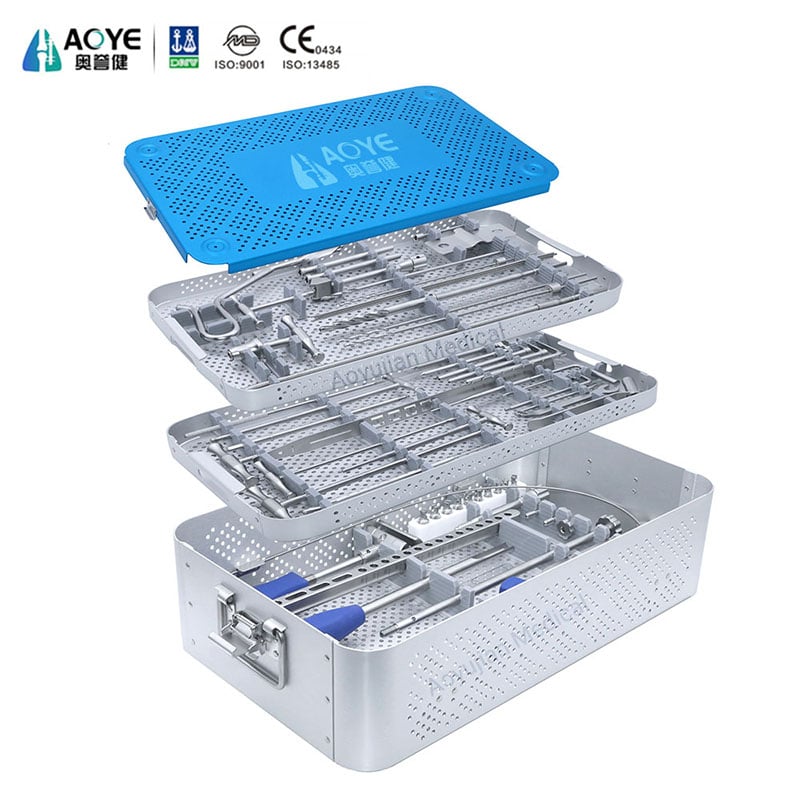
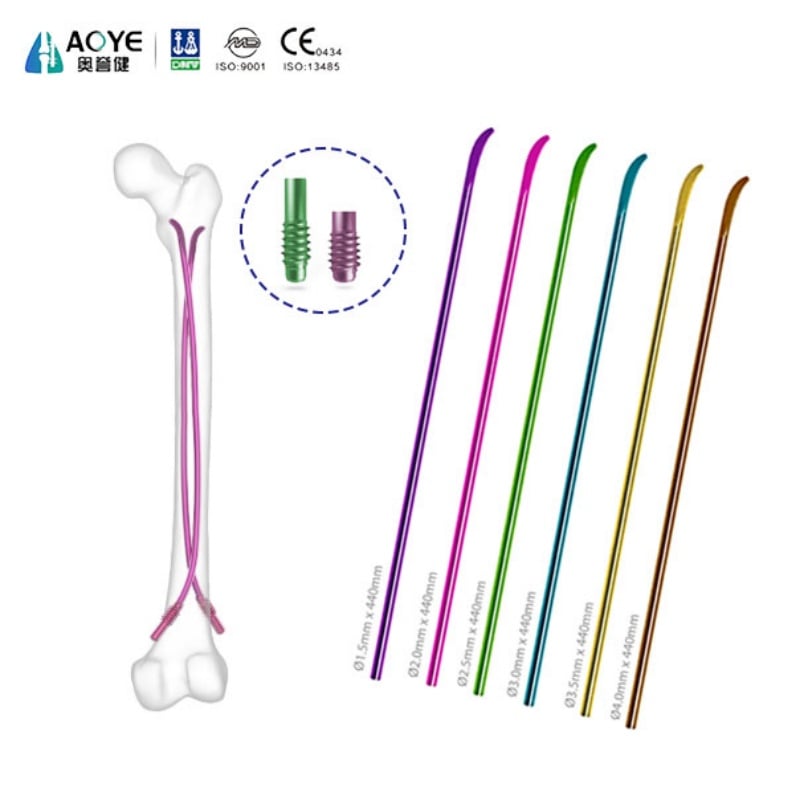
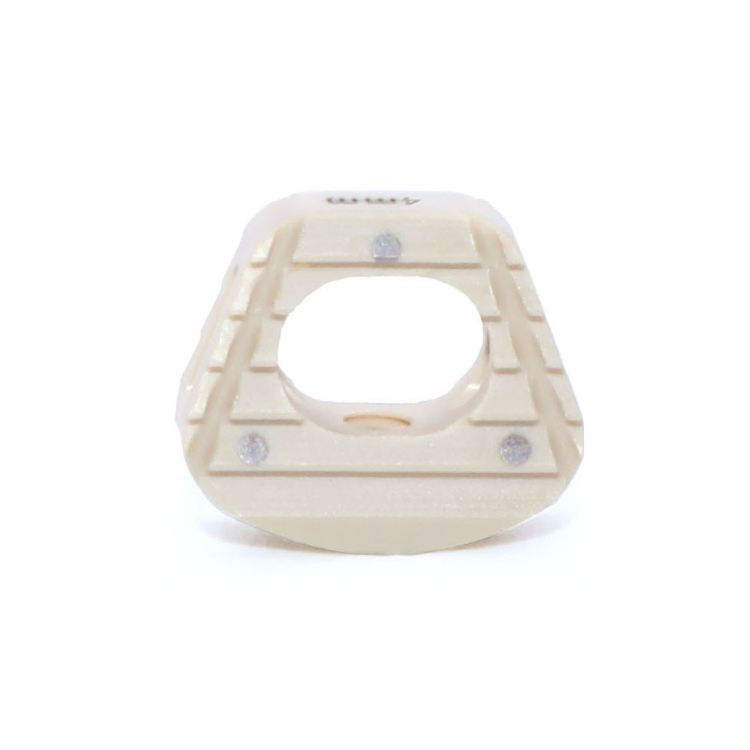
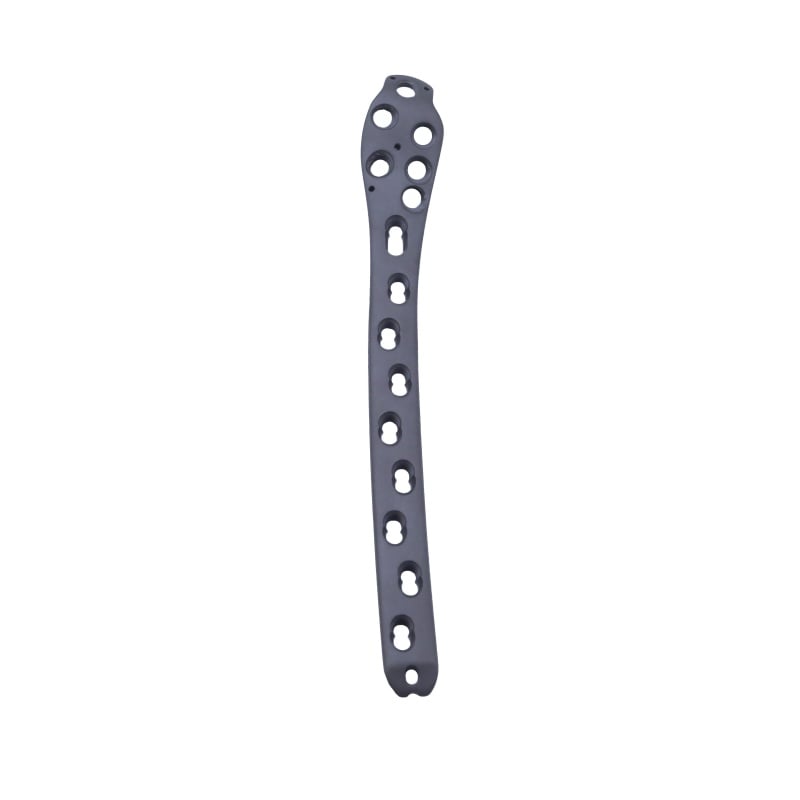
When sourcing surgical tool sets, B2B buyers need to consider various factors that align with their operational requirements and the specific medical applications they serve. Understanding the intricacies of surgical tool sets, including their specifications, performance metrics, and cost considerations, can significantly influence purchasing decisions. This article will provide valuable insights into choosing the right ortho surgical instruments tool set for wholesale needs, key specifications to consider, comparison methods for optimal performance, cost factors, and common problems along with their solutions.
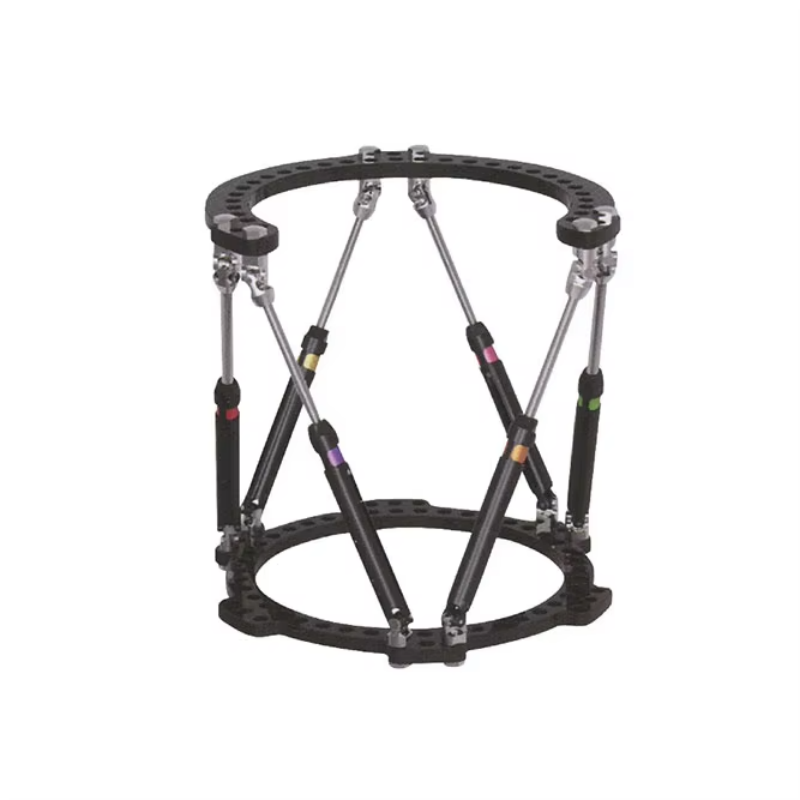
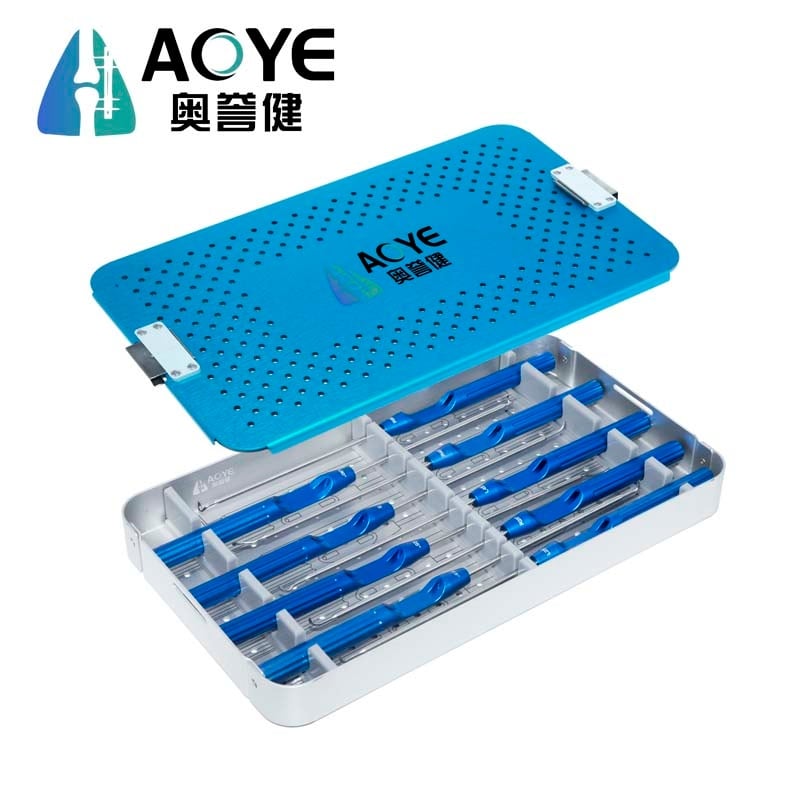
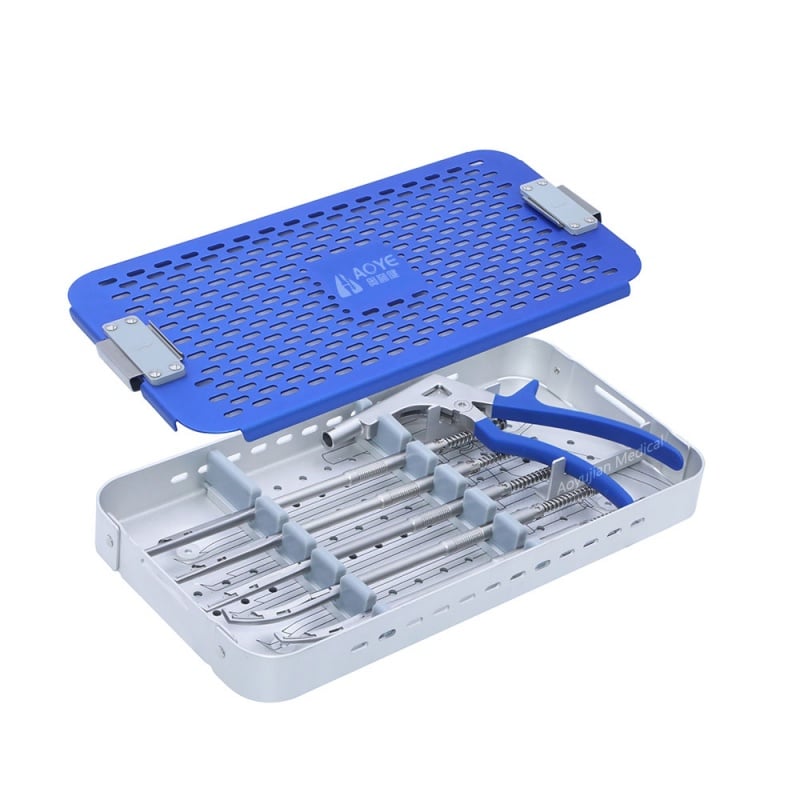
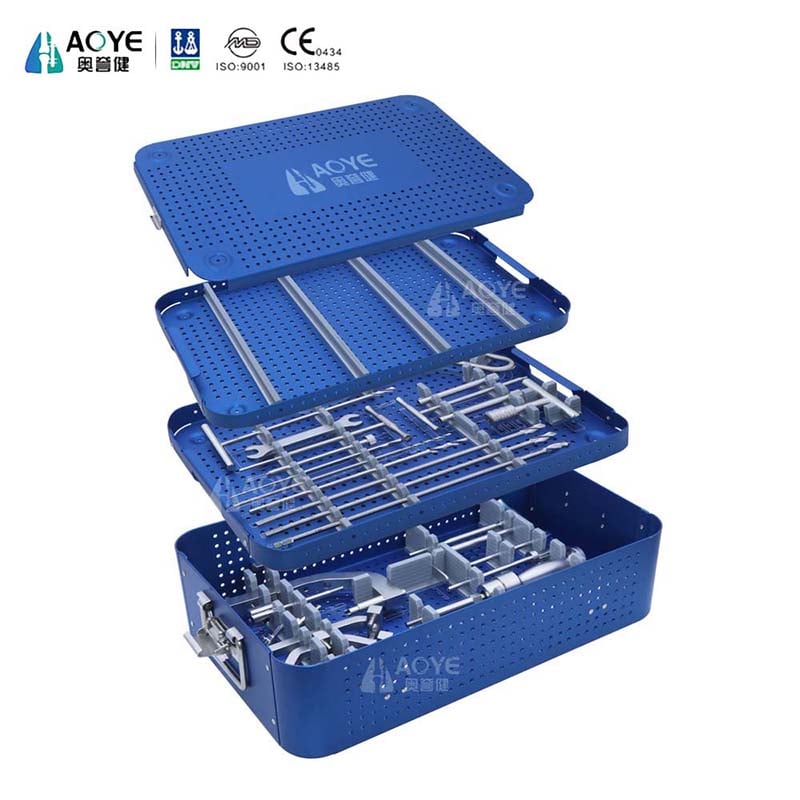
Selecting the appropriate surgical tool set involves understanding the unique requirements of your target market, including the specific medical procedures involved. Factors such as the type of surgical procedures—trauma, spine, or sports medicine—will dictate the tools you need. Aoyujian Medical, a professional manufacturer of orthopedic instruments, emphasizes that different procedures require distinct tools, such as forceps, scalpels, or retractors.
Additionally, consider the expected volume of use. Tool sets designed for high-volume surgical environments may need to be more robust than those intended for specialized or less frequent procedures. Assessing the needs of your customer base will guide you in selecting tool sets that align with their operational requirements while also ensuring that you meet any regulatory standards they may need to comply with.
When sourcing surgical tool sets, several key specifications should be prioritized:
Material: Surgical tools are typically made from stainless steel or titanium, both of which offer durability and resistance to corrosion. Stainless steel is common for its balance of cost and performance, whereas titanium is often used for its lightweight properties and strength.
Design and Ergonomics: The design of the tools should facilitate ease of use and comfort for surgeons. Features such as a non-slip handle and a balanced weight distribution can enhance usability during procedures.
Sterilization Compatibility: Surgical tools must be compatible with standard sterilization methods, such as autoclaving. Ensure that the materials used can withstand high temperatures and pressure without compromising integrity.
Finishing: The surface finish of surgical instruments can affect their performance. Aoyujian Medical highlights the importance of high-quality finishing processes to reduce friction, enhance grip, and prevent contamination.
Dimensions and Weight: Specific dimensions and weights are essential for ensuring that tools fit the intended applications. Tools must be appropriately sized for the anatomical areas they will be used on and must be lightweight enough to minimize fatigue for the surgeon.
Understanding these specifications allows buyers to evaluate surgical drill machine tool sets effectively, ensuring they meet the necessary quality and performance standards.
When comparing surgical tool sets, consider the following factors:
Performance Metrics: Evaluate how well the tools perform in a clinical setting. This includes assessing their functionality, reliability, and ease of use during procedures. Gathering feedback from end-users can provide valuable insights.
Durability Testing: Look for suppliers that conduct rigorous durability testing on their tools. Instruments should withstand multiple sterilization cycles and rigorous handling without degradation.
Customization Options: Some suppliers offer customization capabilities, which can be beneficial for meeting specific surgical needs. Tools can be tailored to different medical specialties and surgeon preferences.
Warranty and Support: A reliable warranty and support services can be indicative of a manufacturer’s confidence in their product. Ensure that the supplier provides adequate after-sales support, including maintenance and repair services.
Supplier Reputation: Research the manufacturer’s reputation in the industry. Aoyujian Medical, with its ISO13485 and CE certifications, is a trusted partner serving numerous countries, which reflects its commitment to quality and reliability.
By focusing on these aspects, buyers can make informed comparisons to select orthopedic surgical instruments tool sets that deliver optimal performance in their specific environments.
Cost is a crucial consideration for any B2B buyer sourcing surgical tool sets. Several factors contribute to the overall pricing:
Material Costs: The choice of materials significantly affects the price. High-grade stainless steel or titanium will generally be more expensive than lower-quality alternatives.
Manufacturing Processes: Advanced manufacturing techniques, such as precision machining or laser cutting, can increase production costs. It's essential to balance quality with budget constraints.
Volume Discounts: When purchasing in bulk, some manufacturers may offer volume discounts. Understanding the minimum order quantities (MOQ) can help buyers strategize their purchasing to optimize cost savings.
Customization Fees: Customization options can add to the cost. Ensure that buyers clearly communicate their needs to avoid unexpected expenses.
Shipping and Handling: Consider the logistics involved in transporting surgical tool sets. International shipping fees, customs duties, and insurance can all add to the final cost.
By analyzing these cost factors, buyers can better prepare their budgets and negotiate effectively with suppliers.
Sourcing surgical tool sets can come with its share of challenges. Here are some common problems and their potential solutions:
Inconsistent Quality: Variations in quality can arise from different manufacturing batches. To mitigate this, buyers should request samples before placing large orders and conduct quality inspections on received products.
Corrosion Issues: Instruments made from inferior materials may corrode over time. Buyers should ensure that they source from reputable manufacturers like Aoyujian Medical, who provide tools made from high-quality, corrosion-resistant materials.
Misalignment: Tools that do not perform as expected can lead to complications during surgery. Buyers should carefully evaluate the design specifications and ergonomics of tools, as well as gather feedback from surgical teams.
Supply Chain Disruptions: Global supply chain issues can affect lead times. Buyers should maintain open communication with suppliers regarding expected delivery dates and consider alternative sourcing options when necessary.
Adverse Reactions to Sterilization: Some tools may not withstand sterilization methods, leading to potential contamination. Buyers should verify that the tools are compatible with the sterilization processes they intend to use.
By proactively addressing these issues during the sourcing process, buyers can enhance the reliability and effectiveness of their surgical tool sets.
In summary, understanding the nuances of surgical tool sets is essential for B2B buyers in the medical field. By focusing on the right specifications, comparing performance effectively, considering cost factors, and being aware of common issues, purchasing managers can make informed decisions that meet their operational needs and enhance patient care.
Aoyujian Medical Technology provides trusted orthopedic solutions, high-quality implants, OEM/ODM services, and global shipping for hospitals & distributors.
No. 2 Changting Road, Gehu Farm, Wujin Economic Development Zone, Changzhou, Jiangsu, China
Copyright © Aoyujian Medical Technology (Changzhou) Co., Ltd. All Rights Reserved - Privacy Policy - Blog
 EN