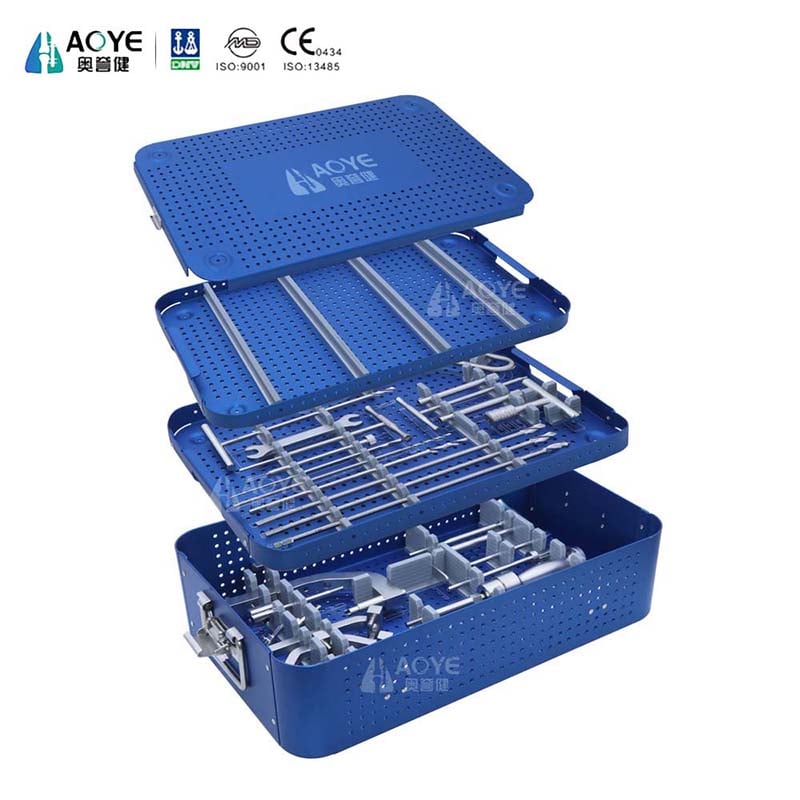
When considering orthopedic solutions, titanium bone screws stand out for their exceptional strength, biocompatibility, and lightweight properties. As a B2B buyer—whether you are a purchasing manager, distributor, or medical professional—it's crucial to understand the key specifications, cost factors, and common issues associated with these implants. This article aims to equip you with the necessary insights into titanium bone screws, enabling informed purchasing decisions and successful supplier partnerships.
Titanium bone screws are designed with specific characteristics that ensure their effectiveness and reliability in surgical applications. Key specifications include:
Material Composition: Typically made from titanium alloys (such as Ti-6Al-4V), these screws offer excellent strength-to-weight ratios and corrosion resistance, making them suitable for various surgical environments.
Dimensions: Common diameters range from 2.0 mm to 7.0 mm, with lengths varying according to the specific application. Importers should confirm the dimensions based on the surgical requirements to ensure proper fit and functionality.
Thread Design: The screw's thread design affects its holding power and fixation stability. Coarse threads are often preferred for soft bone, while fine threads may be more suitable for hard bone.
Surface Treatment: Anodized or coated surfaces can enhance osseointegration, which is critical for the long-term success of orthopedic implants. Buyers should inquire about the surface treatment processes used by manufacturers.
Certifications: It is essential to source screws that meet international standards, such as ISO13485 and CE certification, to ensure safety and efficacy in medical applications.
Understanding these specifications can help buyers select the appropriate titanium bone drill machine for their specific needs and ensure compliance with regulatory requirements.
When purchasing titanium bone screws, consider the following factors to streamline the procurement process:
Technical Specifications: Be clear about the required dimensions, thread design, and surface treatments. Provide specific technical drawings or examples to suppliers to minimize misunderstandings.
Quantity and Pricing: Discuss minimum order quantities (MOQ) with suppliers, as bulk orders may qualify for discount pricing. Request detailed quotes that include all costs, such as shipping and handling.
Lead Times: Clarify lead times for production and delivery, as these can vary significantly between manufacturers. Understanding these timelines is crucial for planning surgical schedules.
Customization: If your application requires unique specifications, communicate these needs upfront. Many manufacturers, including Aoyujian Medical, offer customization options to tailor products to specific applications.
Quality Assurance: Inquire about the surgical bone drill manufacturer's quality control processes. It’s advisable to request samples for inspection before committing to large orders to ensure product quality meets your expectations.
By following this guide, buyers can make informed decisions when sourcing titanium bone screws.
Several cost factors influence the pricing of titanium bone screws, which buyers should consider to optimize their budgets:
Material Costs: Titanium alloys can be more expensive than other materials. Prices fluctuate based on global market conditions, so understanding current pricing trends can help in budget planning.
Manufacturing Processes: The complexity of the bone saw orthopedic manufacturing process, including precision machining and surface treatments, can affect the final cost. Discussing the production methods with potential suppliers can provide insights into pricing strategies.
Volume Discounts: Buying in bulk typically leads to lower unit costs. Discuss volume pricing with suppliers and analyze how pricing tiers can affect your overall expenditure.
Shipping and Handling: International shipping can add significant costs, especially for heavier items like titanium screws. Ensure to factor in these costs when evaluating overall pricing.
Regulatory Compliance: Ensuring that products meet necessary certifications may involve additional testing and validation costs, which can impact pricing structures.
By accounting for these factors, buyers can better manage their procurement budgets and negotiate effectively with suppliers.
Finding dependable suppliers of titanium bone screws is imperative for ensuring product quality and timely delivery. Here are some strategies to identify trustworthy manufacturers:
Industry Directories: Utilize online directories and marketplaces specific to medical devices and orthopedic products. Look for suppliers with strong reviews and proven track records.
Trade Shows and Conferences: Attending industry events enables buyers to meet manufacturers face-to-face, allowing for direct discussions about capabilities, product quality, and customization options.
Certifications and Compliance: Verify that potential suppliers hold relevant certifications, such as ISO13485 and CE, which indicate adherence to quality management systems and regulatory standards.
Sample Approval: Before committing to a large order, request samples to assess the quality and performance of the titanium bone screws. This step is crucial for evaluating how well the product meets your specifications and expectations.
By employing these sourcing strategies, buyers can establish reliable partnerships with manufacturers, minimizing risks associated with product quality.
While titanium bone screws are generally reliable, buyers should be aware of common issues that may arise and how to address them:
Corrosion Resistance: Although titanium is known for its corrosion resistance, improper surface treatment can lead to issues. Ensure that the screws have adequate surface treatments to enhance longevity in the body.
Misalignment: During surgical procedures, misalignment of bone screws can occur, resulting in reduced fixation strength. To mitigate this, ensure that surgical staff are well-trained in proper installation techniques and that the screws are compatible with the intended surgical instruments.
Fatigue Failure: Repeated stress can lead to fatigue failure in screws. It’s critical to select screws designed for the specific load conditions expected in the surgical application. Discuss load-bearing specifications with suppliers to ensure suitability.
Poor Osseointegration: Inadequate integration with the bone can lead to implant failure. Ensure that the surface treatment process promotes osseointegration and that the screw design meets the requirements for the specific application.
Counterfeit Products: The presence of counterfeit or substandard implants can pose significant risks. Always source products from reputable manufacturers and verify certifications to ensure authenticity.
By understanding these potential problems and their solutions, buyers can make better-informed decisions and mitigate risks associated with titanium bone screws in orthopedic applications.
Aoyujian Medical Technology provides trusted orthopedic solutions, high-quality implants, OEM/ODM services, and global shipping for hospitals & distributors.
No. 2 Changting Road, Gehu Farm, Wujin Economic Development Zone, Changzhou, Jiangsu, China
Copyright © Aoyujian Medical Technology (Changzhou) Co., Ltd. All Rights Reserved - Privacy Policy - Blog
 EN