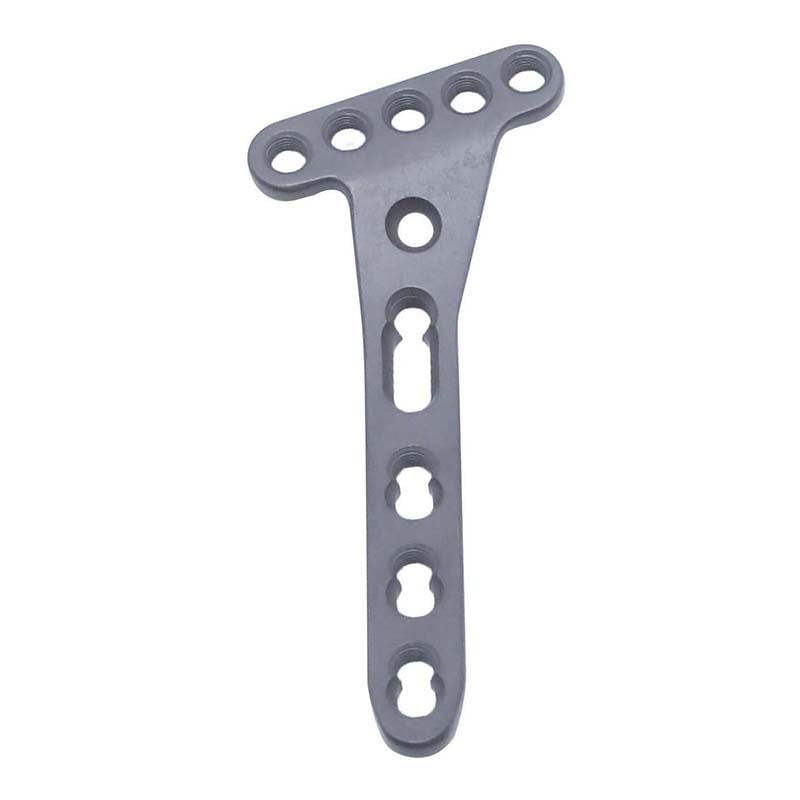
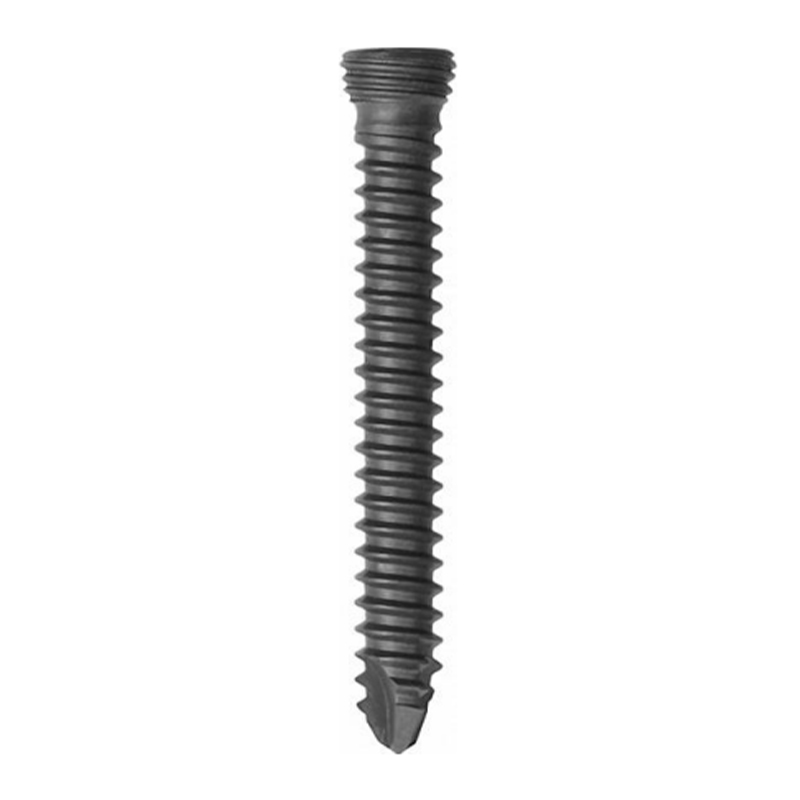
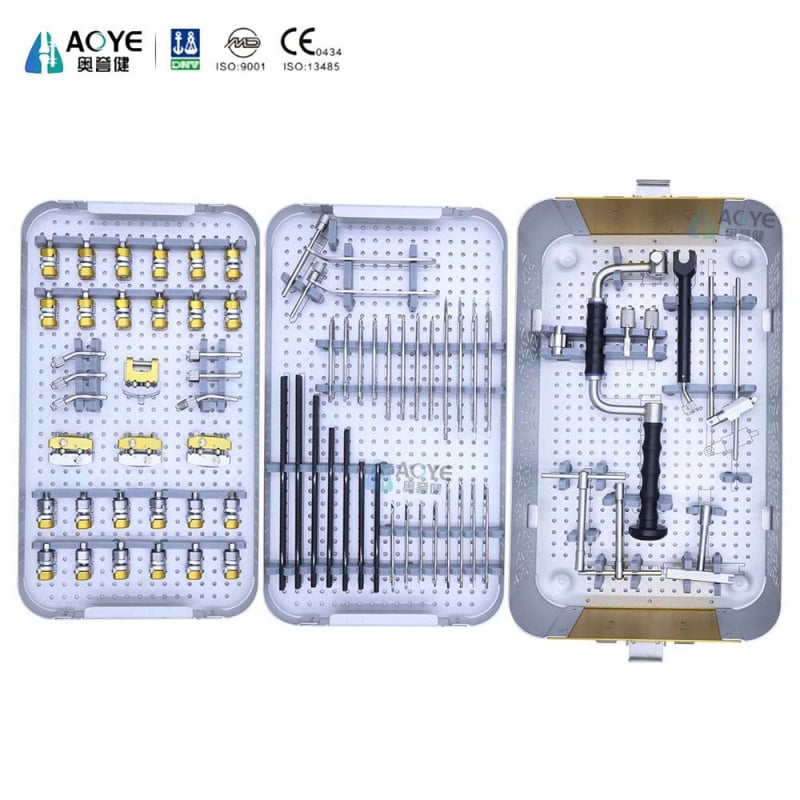
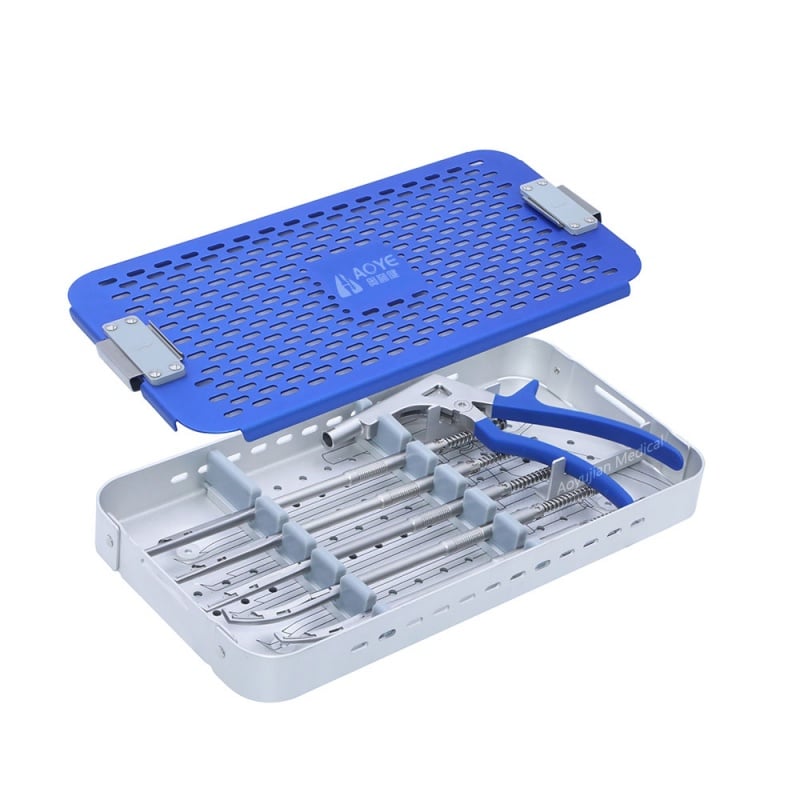
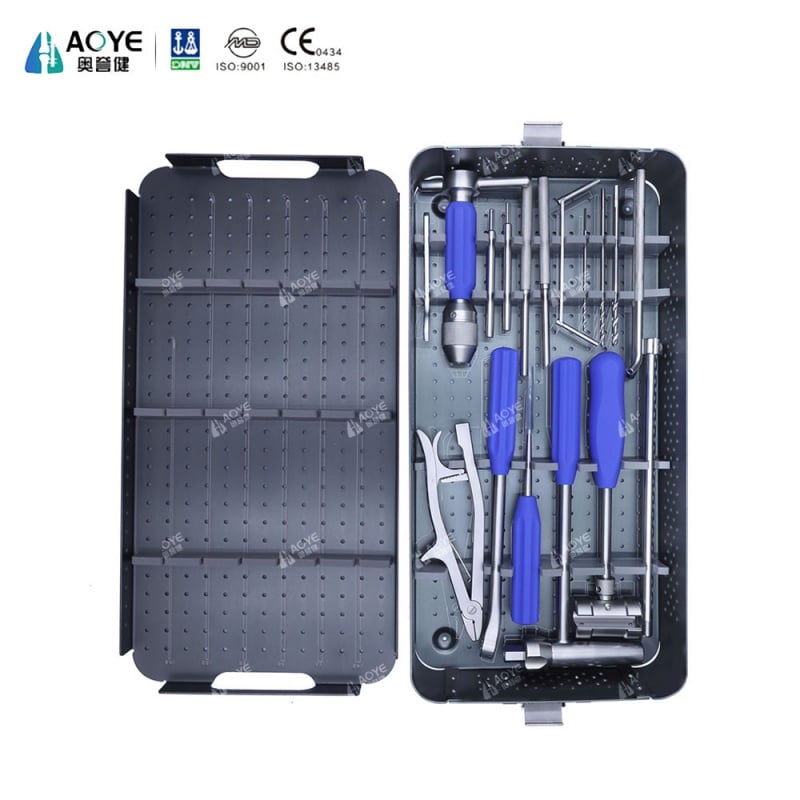
Titanium locking plates are essential components in orthopedic surgery, particularly for trauma and spinal procedures. As a B2B buyer, understanding the quality, sourcing, and application of these locking proximal humerus plate is crucial for making informed purchasing decisions. This article provides insights into evaluating titanium locking plates, common issues encountered, and the benefits of using these implants, ensuring that purchasing managers and distributors can confidently navigate their options.
When selecting titanium locking plates, quality is paramount. Buyers should focus on several key specifications:
Material Composition: Titanium alloys, particularly Ti-6Al-4V, are preferred for their strength-to-weight ratio, corrosion resistance, and biocompatibility. Ensure the supplier provides certification for the material used, as this affects durability and performance.
Manufacturing Standards: Look for ISO13485 certification, which indicates compliance with international quality management standards specific to medical devices. This certification ensures that the manufacturing processes meet stringent quality requirements.
Finish and Surface Treatment: The surface finish of the plates is critical for minimizing irritation to surrounding tissues and ensuring optimal bone integration. Anodized finishes can enhance corrosion resistance and biocompatibility.
Dimensional Accuracy: Verify that the locking plates meet precise dimensional specifications. Inconsistent dimensions can lead to complications during surgery, such as improper fit or inadequate stabilization.
Quality Control Processes: Inquire about the supplier's quality control measures, including testing protocols for mechanical properties and fatigue resistance. A robust quality assurance system helps mitigate risks associated with surgical implants.
By focusing on these aspects, wholesale buyers can ensure they are sourcing high-quality titanium locking polyaxial distal radius plate that meet the demands of modern orthopedic surgeries.
Finding reliable sources for titanium locking plates involves a combination of research and due diligence. Here are some strategies for sourcing:
Industry Trade Shows: Attending orthopedic and medical device exhibitions can provide direct access to manufacturers and suppliers. These events allow for face-to-face discussions, enabling buyers to assess quality and capabilities firsthand.
Online Supplier Directories: Platforms like Medica and Global Sources list certified manufacturers. Look for suppliers with a proven track record and positive reviews from other buyers in the medical field.
Certifications and Compliance: Ensure that potential suppliers hold relevant certifications such as ISO13485 and CE marking. These certifications demonstrate compliance with international standards, assuring buyers of their product quality.
Request Samples: Before making large orders, request samples to evaluate the quality and specifications of the locking plates. This step can help identify any potential issues before committing to a larger purchase.
Supplier Audits: If possible, conduct an audit of the manufacturing facility to assess their capabilities and quality control processes. This can provide deeper insights into the supplier's reliability and commitment to quality.
By leveraging these sourcing strategies, distributors can establish strong, reliable partnerships with manufacturers of titanium locking plates.
While titanium locking plates are designed for durability and performance, several common issues can arise during their use:
Inadequate Locking Mechanism: Sometimes, the locking mechanism may not engage properly, leading to plate loosening. To prevent this, ensure that the locking screws are adequately torqued during surgery, and consider using locking plates with improved locking designs.
Corrosion: Although titanium is highly resistant to corrosion, exposure to certain environments can lead to surface degradation. Suppliers should provide proper storage and handling guidelines to minimize corrosion risks.
Sizing Issues: Incorrect sizing can lead to complications, such as insufficient stabilization or excessive bone removal. Buyers should ensure they have a comprehensive understanding of the anatomical requirements for their specific applications and choose plates accordingly.
Bone Integration Failure: In some cases, the integration of the plate with bone may not occur as expected. This can be mitigated by ensuring the surface treatment encourages bone growth and by selecting the appropriate distal radius volar plate design for the specific surgical application.
By understanding these common problems and implementing effective solutions, purchasing managers can enhance patient outcomes and improve overall satisfaction with their product offerings.
Titanium locking plates offer numerous advantages in orthopedic procedures:
Strength and Lightweight: Titanium's exceptional strength-to-weight ratio makes it ideal for load-bearing applications in the body. This feature allows for stable fixation without adding unnecessary weight, which can be crucial in trauma surgeries.
Biocompatibility: Titanium is widely recognized for its biocompatibility, significantly reducing the risk of adverse reactions in patients. This characteristic is critical for ensuring patient safety and promoting faster recovery.
Corrosion Resistance: Titanium's natural resistance to corrosion ensures that implants maintain their integrity in the body over time. This durability is vital for long-term success in orthopedic applications.
Versatile Applications: Titanium locking plates can be designed for various applications, including trauma, spine, and sports medicine. Their adaptability allows surgeons to use them across different types of procedures, simplifying inventory management for distributors.
Enhanced Stability: The locking mechanism of these plates provides superior stability, reducing the risk of plate movement after surgery. This stability is essential for ensuring proper healing and minimizing complications.
These benefits make titanium locking plates a preferred choice among orthopedic surgeons and a valuable product for distributors in the medical device market.
When considering titanium locking plates for purchase, several technical specifications should be evaluated:
Dimensions and Load Capacity: Understanding the dimensions is crucial for ensuring compatibility with specific patient anatomy. Additionally, the load capacity should be assessed to ensure that the plates can withstand the stresses applied during healing.
Customization Options: Many manufacturers offer customization for titanium locking plates. This can include variations in size, shape, and locking mechanism design. Discussing customization capabilities with suppliers can help meet specific project requirements.
Production Equipment: Familiarize yourself with the production equipment used by the manufacturer. Advanced machining and quality testing equipment enhance the precision and reliability of the locking plates produced.
Lead Times and Minimum Order Quantities (MOQs): Before placing an order, clarify lead times and MOQs with the supplier. This information is essential for project planning and inventory management.
Packaging and Shipping Requirements: Ensure that the packaging used for the plates meets medical shipping standards. Proper packaging protects the implants during transit and ensures they arrive in optimal condition.
By paying attention to these technical insights, project purchasers can make informed decisions and ensure they source the right titanium locking plates for their needs.
Aoyujian Medical Technology provides trusted orthopedic solutions, high-quality implants, OEM/ODM services, and global shipping for hospitals & distributors.
No. 2 Changting Road, Gehu Farm, Wujin Economic Development Zone, Changzhou, Jiangsu, China
Copyright © Aoyujian Medical Technology (Changzhou) Co., Ltd. All Rights Reserved - Privacy Policy - Blog
 EN