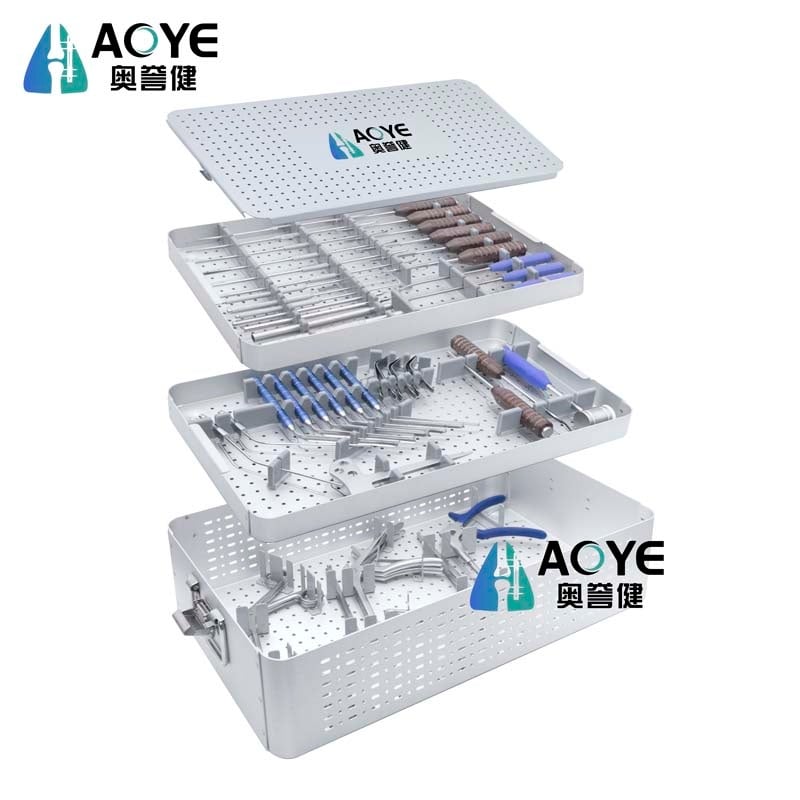
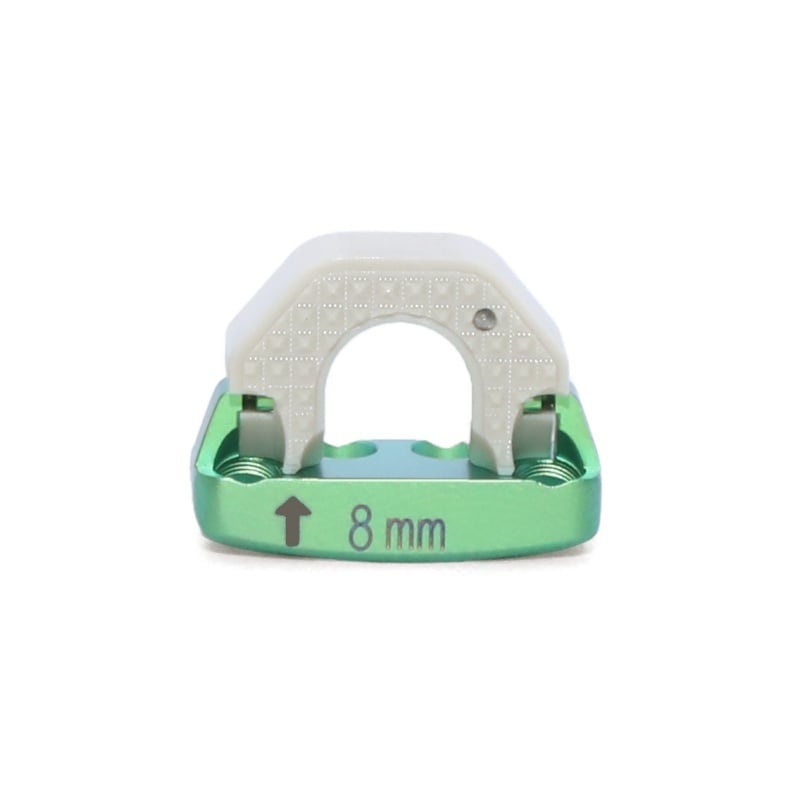
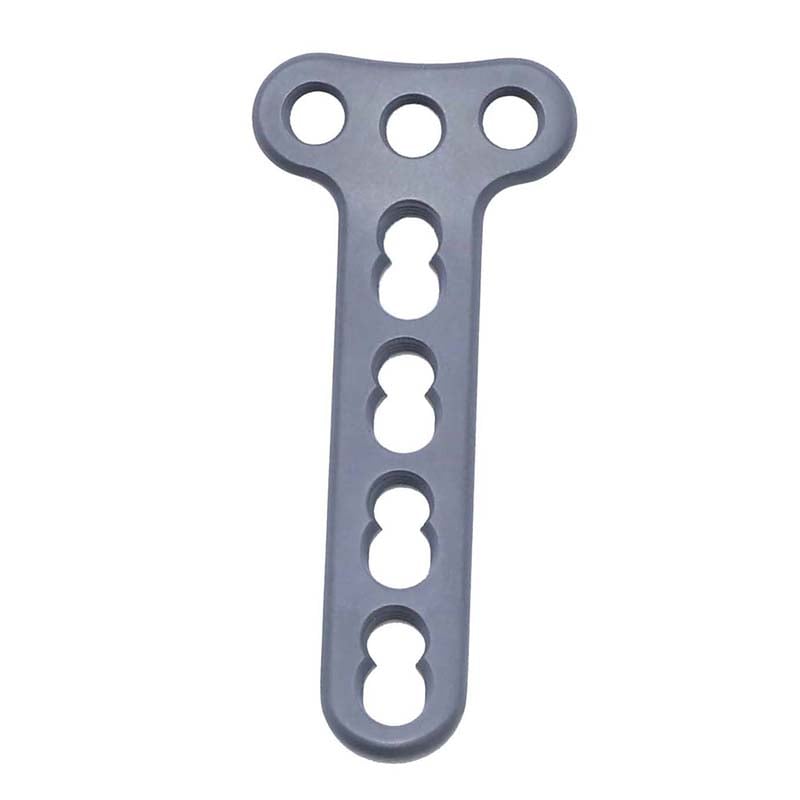
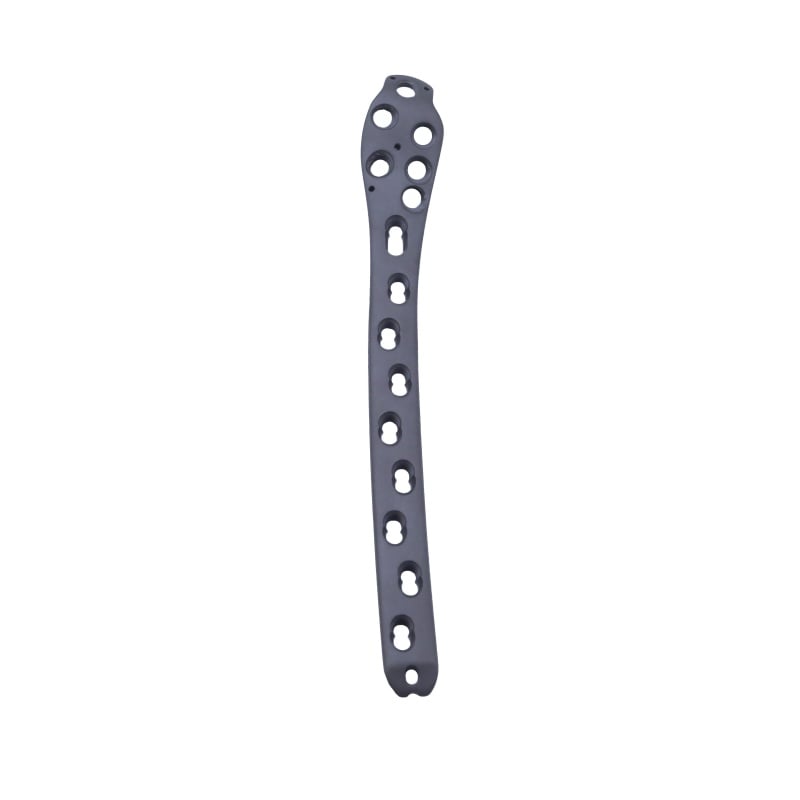
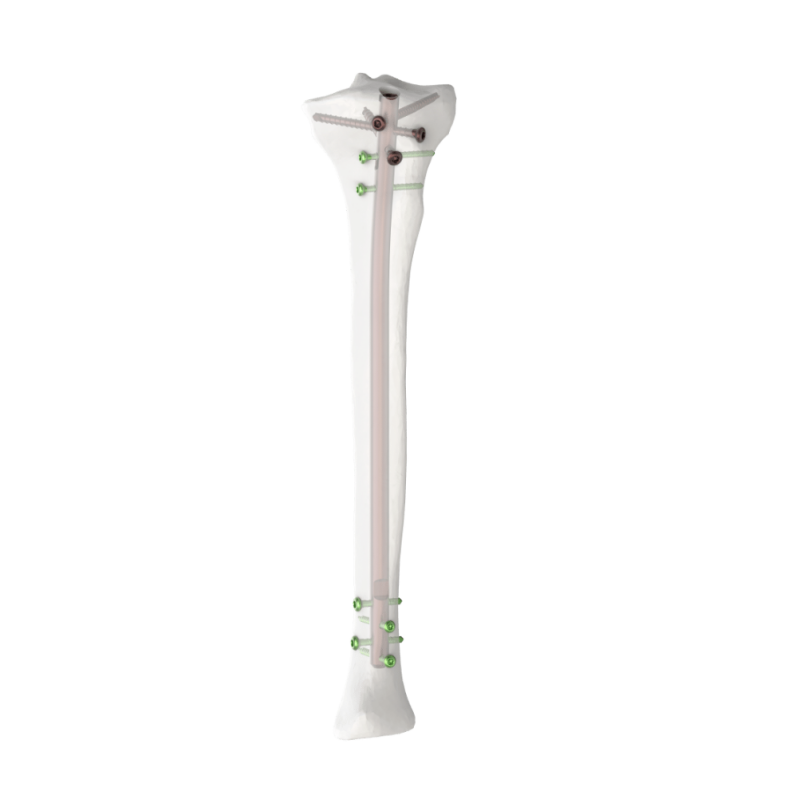
Titanium orthopedic implants are critical components in modern medicine, used in various surgical applications to support, replace, or enhance damaged bone structures. As a B2B buyer, you may have concerns about material reliability, manufacturing quality, cost efficiency, and the specific applications these implants are suited for. This article will provide valuable insights into sourcing orthopedic drill bit, comparing material advantages, understanding cost factors, and exploring their applications in contemporary medical practices.
When sourcing titanium orthopedic implants, distributors should first identify reliable manufacturers with proven track records. Aoye, for example, is an ISO13485 and CE-certified manufacturer that has successfully partnered with medical professionals in 45 countries. Buyers should focus on a few key aspects:
Quality Certifications: Ensure that the manufacturer adheres to international quality standards. Certifications like ISO13485 indicate a commitment to quality management systems in the medical device sector.
Product Specifications: Understand the various types of titanium implants available, including those designed for trauma, spine, and sports medicine. Each category may have specific design requirements and performance characteristics.
Customization Capabilities: Many manufacturers offer customization options. Ensure that your chosen supplier can accommodate specific needs, including dimensions, surface treatments, and other technical requirements.
Minimum Order Quantities (MOQ): Inquire about the MOQ, as this can significantly affect initial purchasing decisions. Knowing this upfront can help manage inventory and cash flow.
Lead Times: Clarify production and delivery timelines to ensure that you can meet your clients’ needs without delays.
Titanium is favored in orthopedic applications due to its unique properties compared to other materials like stainless steel or cobalt-chromium alloys. Here are several key advantages of titanium:
Biocompatibility: Titanium exhibits excellent biocompatibility, meaning it integrates well with bone tissue without causing significant adverse reactions. This property is critical for implants that will remain in the body long-term.
Strength-to-Weight Ratio: Titanium is strong yet lightweight, making it ideal for implants that need to withstand significant stress while minimizing weight and discomfort for the patient.
Corrosion Resistance: Titanium's resistance to corrosion, especially in the body’s saline environment, enhances its durability and longevity compared to other metals.
Elastic Modulus: Titanium has an elastic modulus similar to that of human bone, which can help reduce stress shielding—a phenomenon where an implant takes on too much load, causing surrounding bone to weaken.
By understanding these instrument of orthopedic surgery benefits, purchasing managers can make informed decisions regarding which implants to procure for specific applications.
The cost of titanium orthopedic implants can vary widely based on several factors. Here are the primary considerations:
Material Costs: Titanium itself is more expensive than other metals due to its extraction and processing costs. Buyers should assess the trade-off between price and the long-term benefits of using titanium.
Manufacturing Processes: Different manufacturing techniques, such as additive manufacturing or traditional machining, can impact costs. Understanding the processes used by your supplier can provide insight into pricing.
Quality Control: High-quality implants may come at a premium due to rigorous testing and quality assurance processes. This investment is crucial, as subpar implants can lead to complications and additional costs down the line.
Volume Discounts: Purchasing in bulk can lead to significant savings. Discuss potential discounts with suppliers based on order size to maximize cost efficiency.
Import Duties and Shipping Costs: If sourcing from international suppliers, consider additional costs such as tariffs, shipping fees, and insurance. These factors can considerably affect the overall purchasing budget.
Aoye Titanium orthopedic implants are utilized in various medical applications, each requiring specific design and performance characteristics:
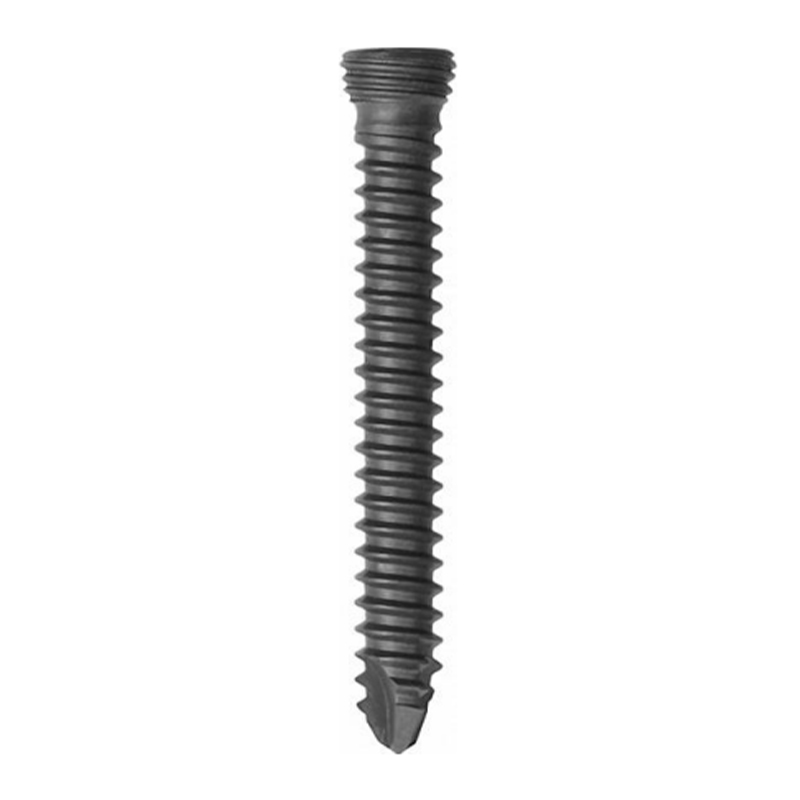
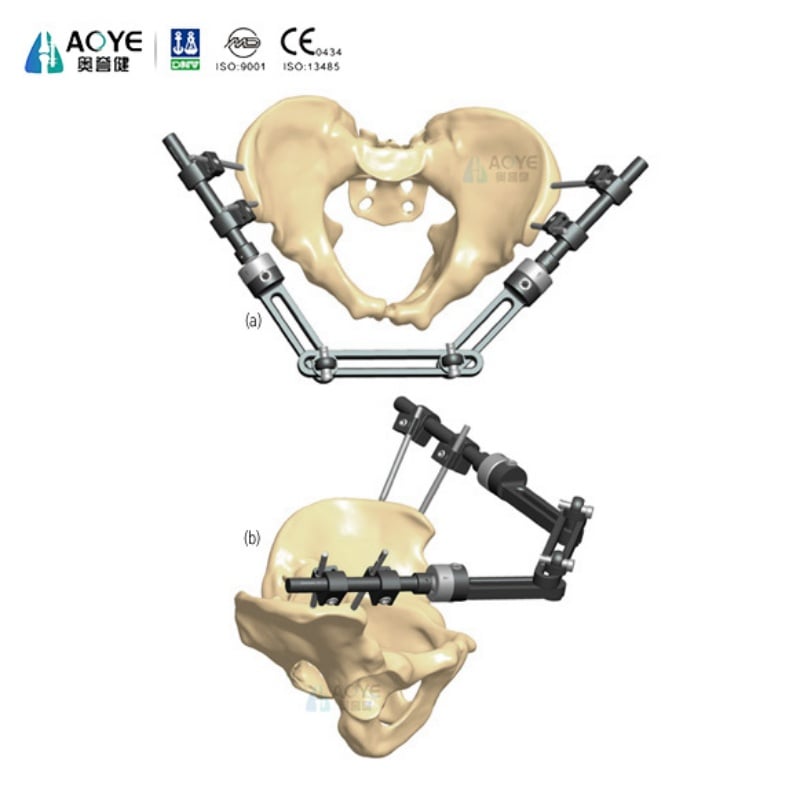
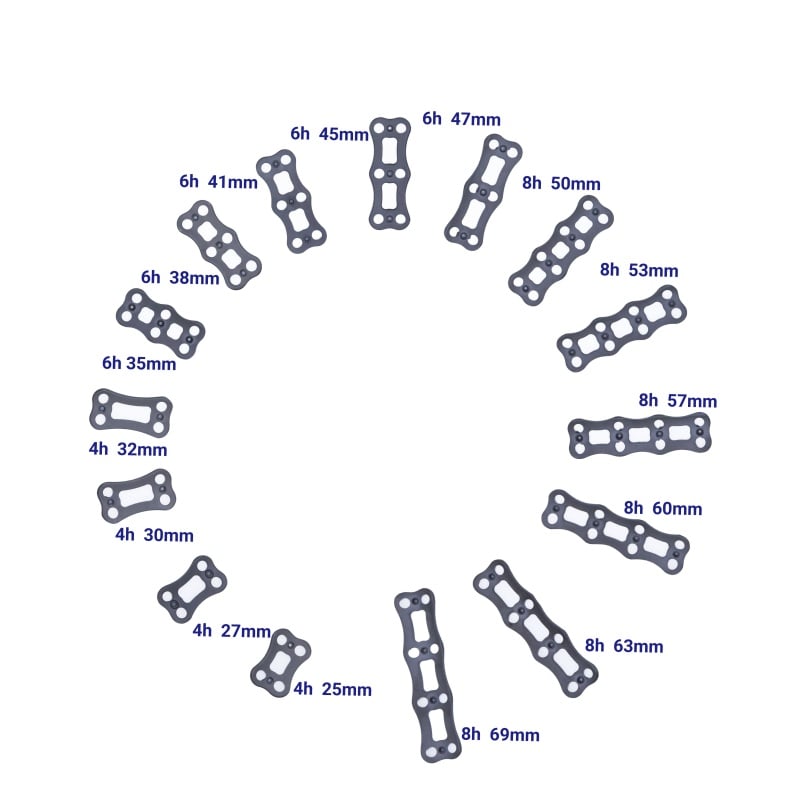
Trauma Surgery: In trauma cases, titanium plates and screws are often used to stabilize fractures. Their strength and lightweight nature help maintain bone alignment during the healing process.
Spinal Surgery: Titanium rods and interbody cages are implemented in spinal fusion surgeries to support vertebral alignment. The biocompatibility of titanium is critical in these sensitive applications, helping to ensure successful integration with bone.
Sports Medicine: Implants such as anchors and fixation devices are increasingly used in sports medicine. Their ability to withstand high stress and promote healing makes them ideal for athletes recovering from injuries.
Joint Replacement: Titanium is commonly used in prosthetic joints due to its strength, durability, and compatibility with bone. Its properties help ensure the longevity of joint replacements in patients.
Understanding these applications can aid purchasing managers in selecting the appropriate implants for specific surgical needs.
When sourcing Aoye titanium orthopedic implants for bulk purchases, consider the following expert recommendations:
Engage Early with Manufacturers: Begin discussions with potential suppliers early in the procurement process. Early engagement can help clarify technical specifications and customization options.
Request Samples: Before committing to bulk orders, always request samples to evaluate the quality, dimensions, and performance of the implants. Testing samples under actual working conditions can reveal potential issues before mass production.
Confirm Technical Specifications: Ensure that all specifications are confirmed before placing bulk orders. This locking plate orthopedic includes dimensions, surface finishes, and any required certifications.
Evaluate Supplier Reliability: Look for suppliers with a solid reputation in the industry. Reviews, case studies, and client testimonials can provide insights into their reliability and product quality.
Discuss After-Sales Support: Inquire about the level of after-sales support provided, including training for medical staff and assistance with product recalls if necessary.
By following these guidelines, buyers can ensure they select the right supplier and products to meet their clinical needs effectively.
Aoyujian Medical Technology provides trusted orthopedic solutions, high-quality implants, OEM/ODM services, and global shipping for hospitals & distributors.
No. 2 Changting Road, Gehu Farm, Wujin Economic Development Zone, Changzhou, Jiangsu, China
Copyright © Aoyujian Medical Technology (Changzhou) Co., Ltd. All Rights Reserved - Privacy Policy - Blog
 EN