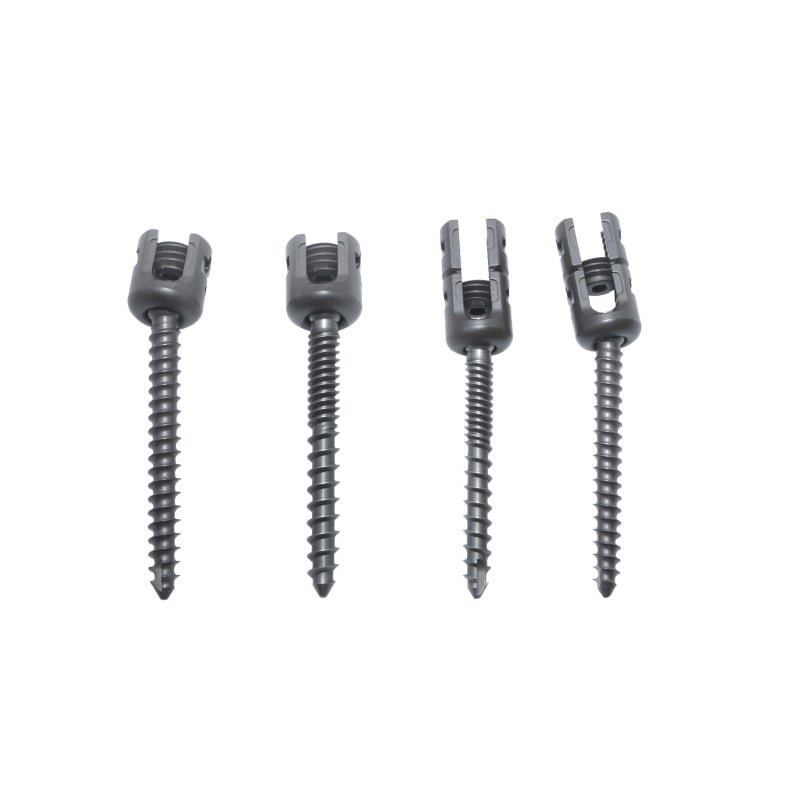
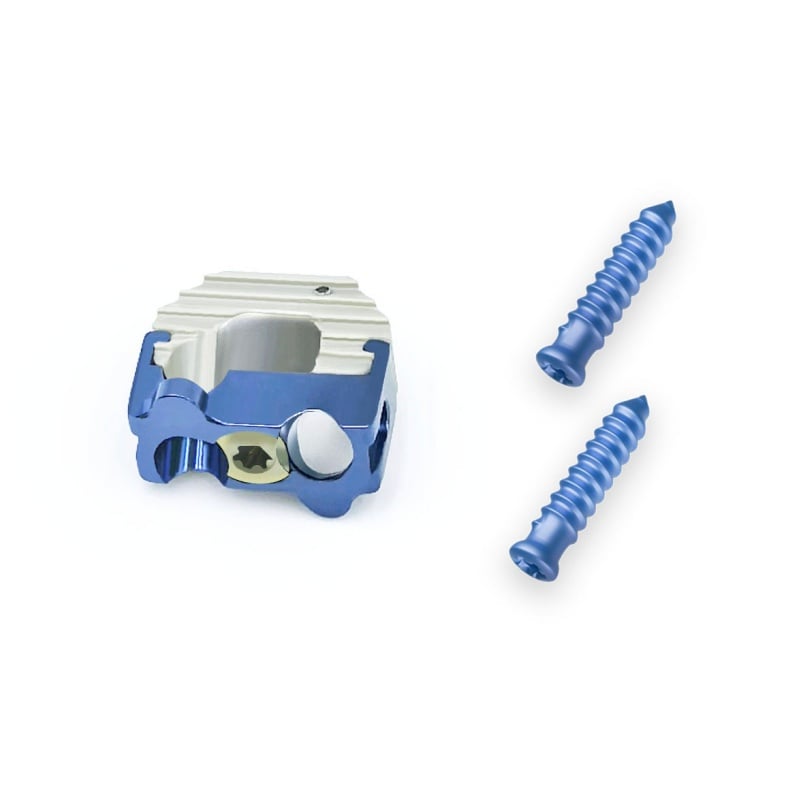
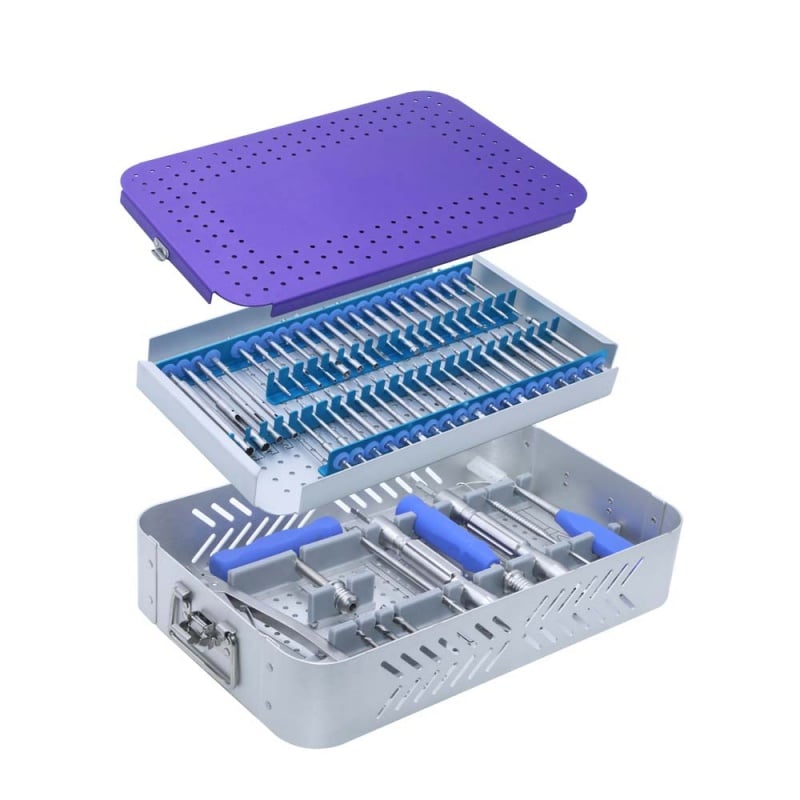
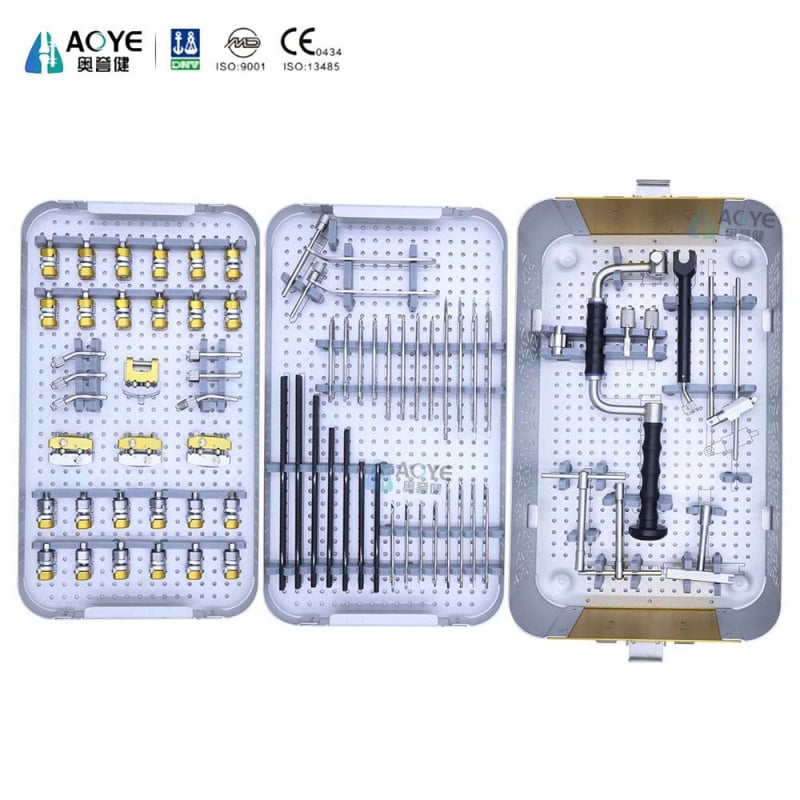
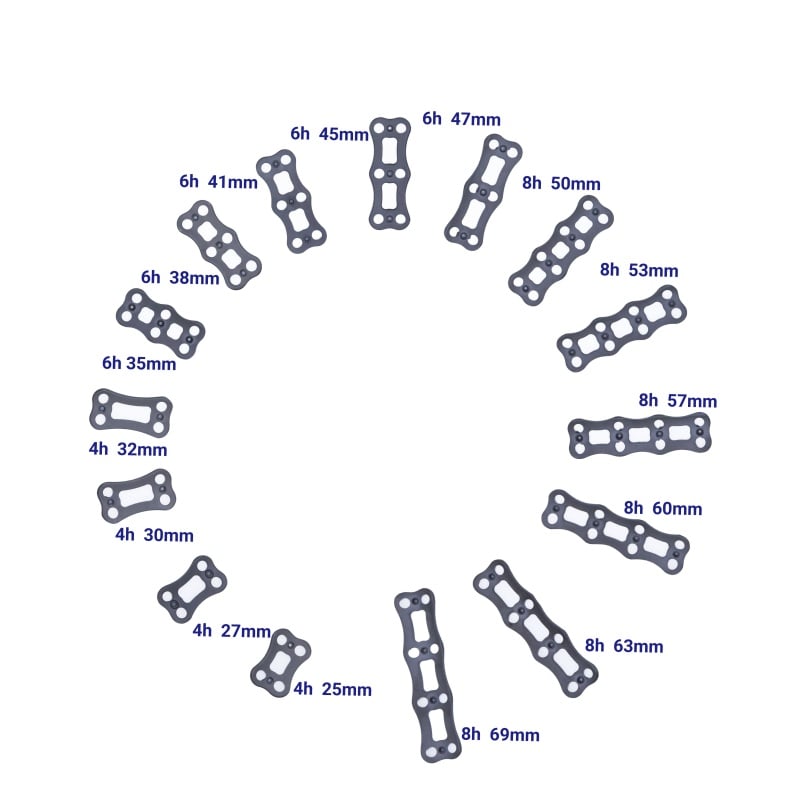
Titanium pedicle screws are integral components in orthopedic surgeries, specifically in spinal procedures, providing vital support and stability. As a B2B buyer in the medical device industry, you may have concerns regarding the specifications, applications, and sourcing of these screws. This article will guide you through the essential aspects of titanium cervical pedicle screw, offering insights that will assist you in making informed purchasing decisions.
When evaluating titanium pedicle screws, several key specifications should be considered:
Material Composition: Generally, titanium alloys like Ti-6Al-4V are favored for their strength-to-weight ratio and biocompatibility. This choice impacts the durability and performance of the screws in the human body.
Diameter and Length: Common diameters range from 4.0 mm to 6.5 mm, with lengths varying depending on the specific application. It’s critical to select the correct dimensions to match patient anatomy and surgical requirements.
Thread Design: The thread profile can influence the locking screw plate stability and pull-out strength. Fine threads provide better grip in soft bone, while coarse threads are suitable for denser bone structures.
Coating and Surface Treatment: Surface treatments such as anodization or hydroxyapatite coating can enhance osseointegration, promoting better bone healing around the implant.
Load Capacity: Understanding the load-bearing capabilities is essential. This varies based on screw size and design, which affects how well the screw can support and stabilize spinal constructs.
As a wholesale buyer, ensure that the manufacturer provides detailed specifications and testing certifications to verify the integrity and performance of the screws.
Before placing an order for titanium pedicle screws, consider the following:
Minimum Order Quantity (MOQ): Different manufacturers may have varying MOQs, influencing your initial investment. Discuss this upfront to avoid unexpected costs.
Customization Options: Many manufacturers, such as Aoyujian Medical, offer customization in screw dimensions and designs to meet specific surgical needs. Inquire about these options to tailor the products to your requirements.
Lead Time and Delivery: Understand the lead times for production and delivery. Factors such as order size and customization can affect these timelines.
Quality Control Processes: Confirm the manufacturer’s quality assurance protocols, including testing for tensile strength, fatigue resistance, and compliance with ISO standards.
Technical Support: Reliable manufacturers often provide technical support, including guidance on installation techniques and post-operative care. This can be invaluable for your surgical teams.
Titanium pedicle screws are predominantly used in spinal surgeries, including:
Spinal Fusion: In procedures aimed at fusing vertebrae, these screws stabilize the spine, allowing for proper healing and alignment.
Deformity Correction: In cases of scoliosis or other spinal deformities, titanium screws are used to correct and stabilize the spine during the correction process.
Trauma Surgery: These screws are also employed in trauma cases where spinal stability is compromised due to fractures.
Understanding the specific application of titanium titanium screws for surgery in these contexts is essential for buyers, as it directly influences the choice of screw design, size, and material properties.
Opting for titanium in the manufacture of pedicle screws offers several notable advantages:
Biocompatibility: Titanium is highly biocompatible, minimizing the risk of adverse reactions in patients. This is a crucial consideration for any implantable device.
Corrosion Resistance: Titanium exhibits excellent resistance to corrosion, which is particularly important in the moist environment of the human body. This extends the longevity of the screws and enhances patient safety.
Lightweight: Compared to other metals, titanium is significantly lighter, reducing the overall load on the spine while maintaining strength.
Fatigue Strength: Titanium screws can withstand repeated stress and strain, making them ideal for dynamic environments such as the spine where movement occurs.
These advantages contribute to the overall effectiveness and safety of titanium pedicle screws, making them a preferred choice for orthopedic surgeons.
When sourcing titanium pedicle screws, consider the following steps to ensure quality and reliability:
Certification Verification: Always verify that the manufacturer holds relevant certifications, such as ISO13485 and CE marking, which indicate compliance with international quality standards.
Supplier Reputation: Research the supplier's experience in the industry. Companies like Aoyujian Medical, with a solid track record and experience in serving partners globally, are often more reliable.
Samples and Testing: Request samples before placing a bulk order. Testing these samples under actual operational conditions can reveal potential issues that may not be apparent on paper.
Feedback and Reviews: Seek out reviews and testimonials from other buyers in the medical field. Insights from peers can be invaluable in assessing the supplier's quality and service.
Logistics and After-Sales Support: Ensure that the supplier can provide efficient logistics solutions and after-sales support, which can help address any issues that arise post-purchase.
By following these steps, you can enhance your sourcing strategy, ensuring that you obtain high-quality titanium pedicle screws suitable for your orthopedic applications.
Aoyujian Medical Technology provides trusted orthopedic solutions, high-quality implants, OEM/ODM services, and global shipping for hospitals & distributors.
No. 2 Changting Road, Gehu Farm, Wujin Economic Development Zone, Changzhou, Jiangsu, China
Copyright © Aoyujian Medical Technology (Changzhou) Co., Ltd. All Rights Reserved - Privacy Policy - Blog
 EN