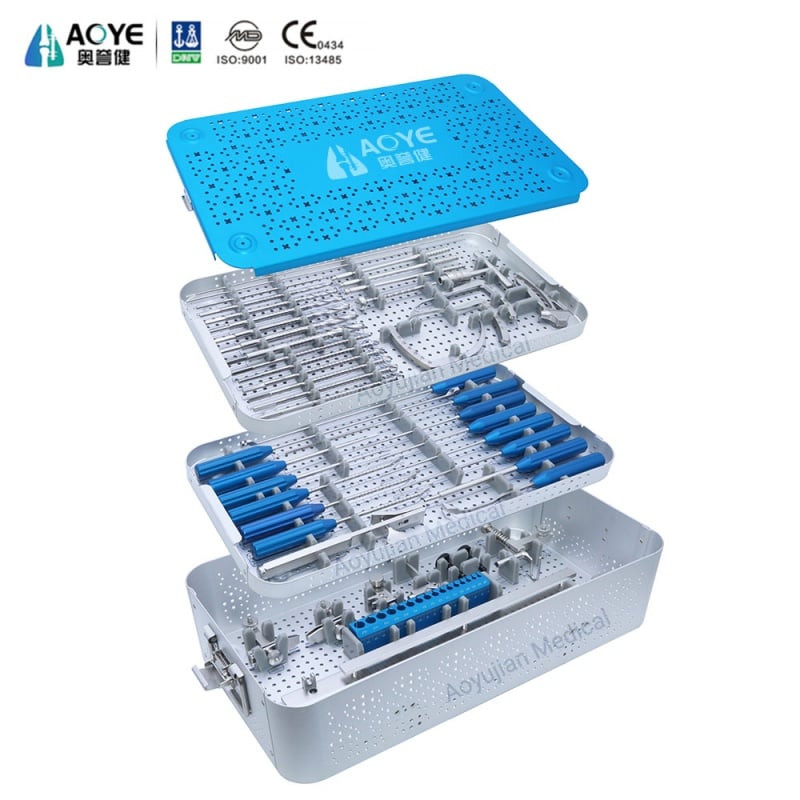
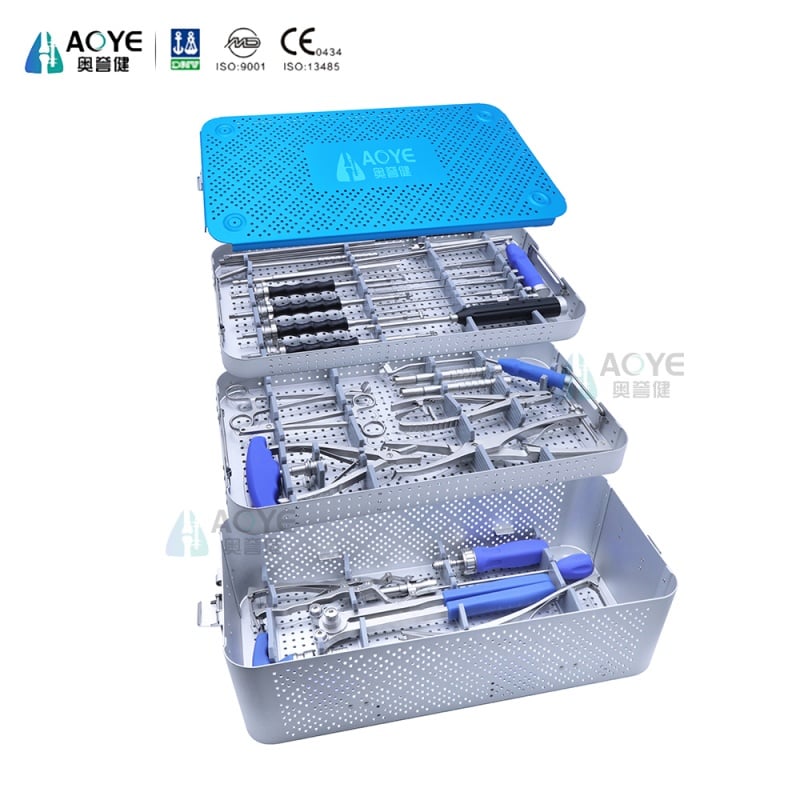
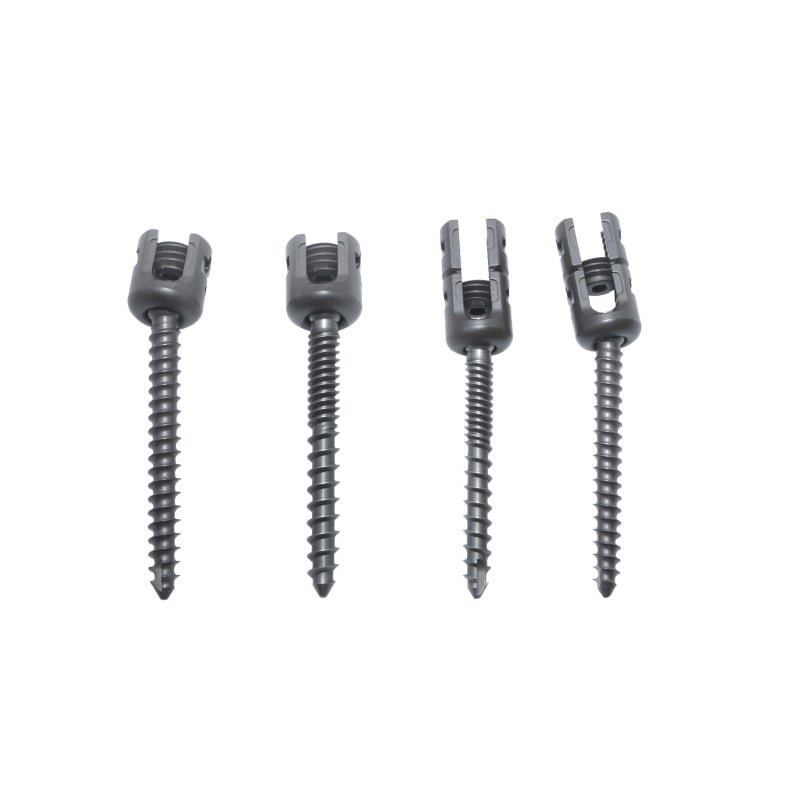
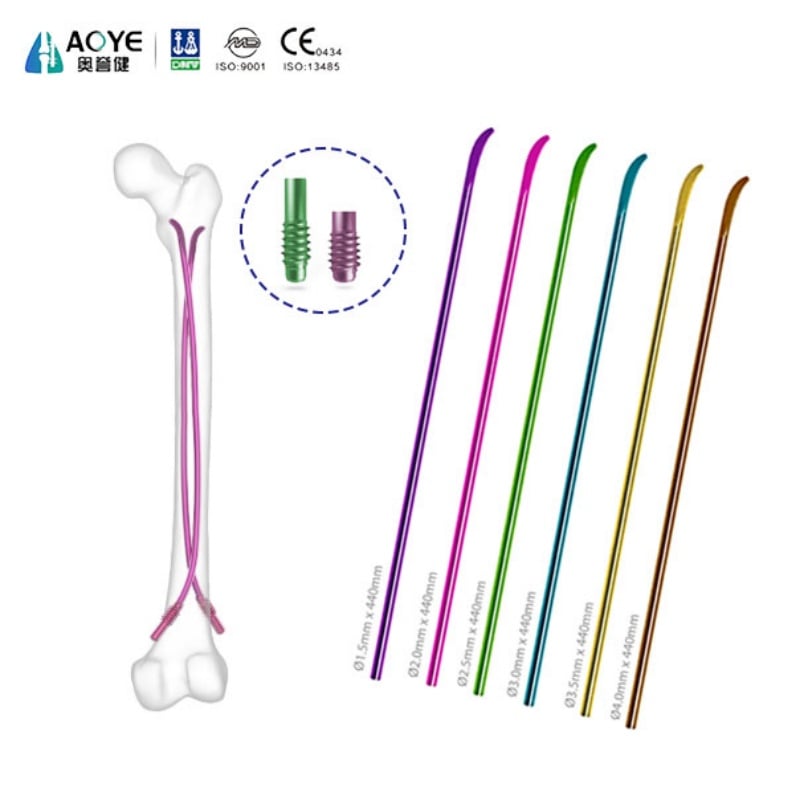
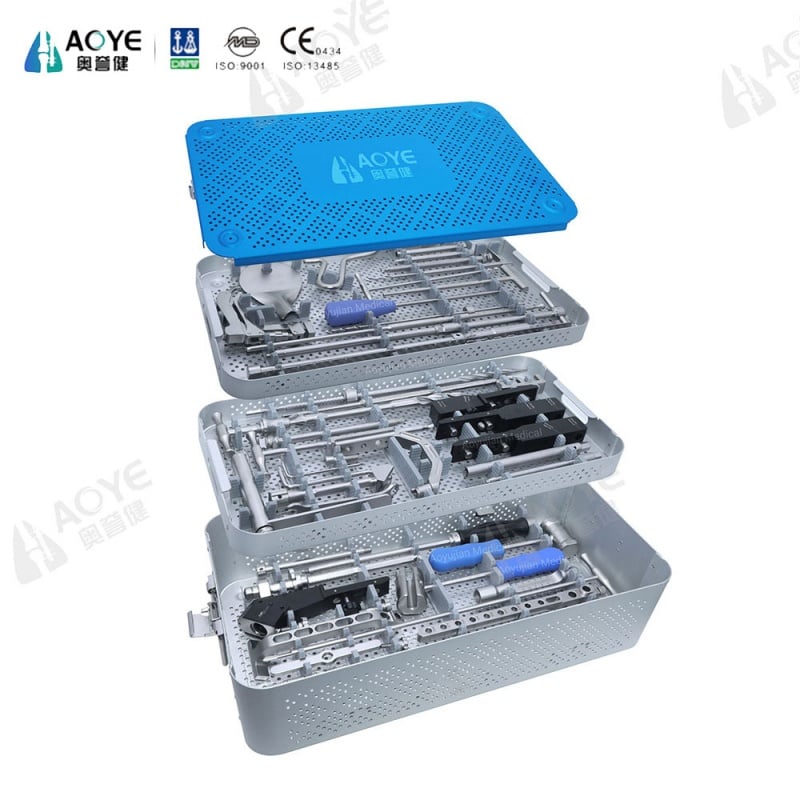
When sourcing bone saws for orthopedic applications, it is essential to understand their specifications, quality standards, and purchasing considerations. Bone saws are critical instruments used in orthopedic surgeries for cutting bone and other tissues. For purchasing managers, distributors, and engineers, knowing how to evaluate these tools effectively can significantly impact both surgical outcomes and operational efficiency. This article aims to provide practical insights into the key specifications, purchasing guidance, quality standards, and common problems associated with bone saws, helping you make informed decisions.
When evaluating Aoye bone saws, several specifications are crucial to ensure they meet the needs of orthopedic procedures. Key specifications include:
Blade Material: Stainless steel is commonly used for its durability and resistance to corrosion. Some manufacturers may offer blades made from high-carbon steel or biocompatible materials, which can be beneficial for specific applications.
Blade Thickness and Width: Thicker blades may provide more stability and control during cutting, while thinner blades can offer precision for intricate procedures. The choice should be based on the surgical requirements and the types of bones being cut.
Cutting Mechanism: Bone saws can use oscillating or reciprocating mechanisms. Oscillating saws are often preferred for their speed and efficiency, while reciprocating saws may be suitable for specific surgical techniques.
Ergonomics: The design and weight of the saw impact surgeon comfort and control. Look for features such as anti-slip grips and balanced weight distribution.
Compatibility: Ensure the bone saw is compatible with the surgical instruments and implants used in your practice. This compatibility can affect the efficiency of the procedure and the overall outcome.
When purchasing bone saws in bulk, consider the following factors to ensure a successful procurement process:
Minimum Order Quantity (MOQ): Manufacturers often have an MOQ for bulk purchases, which can vary. Understanding this requirement helps in planning your inventory and budgeting accordingly.
Pricing Factors: Prices for bone saws can vary based on material, technology, and customization. Requesting quotes from multiple suppliers can help you find competitive pricing while ensuring quality.
Lead Time: Discuss production and shipping timelines with your supplier to ensure that the saws can be delivered when needed. Delays can have significant impacts on your operation and patient care.
Customization Options: Depending on your surgical needs, you may require customized bone saws. Discussing options for blade size, thickness, and ergonomic features with manufacturers can lead to better outcomes in your specific applications.
Packaging and Shipping: Ensure that the packaging meets regulatory requirements and that the shipping methods are reliable. Proper packaging can prevent damage during transit, ensuring that the instruments arrive in usable condition.
Quality is paramount when it comes to Aoye orthopedic instruments. Here are several quality standards and practices to consider:
Certifications: Look for manufacturers that are ISO13485 and CE certified, as these certifications indicate adherence to international quality management standards. Such certifications also ensure that the products meet safety and regulatory requirements.
Quality Control Processes: Investigate the manufacturer's quality control measures. This may include regular inspections, testing for blade sharpness and durability, and adherence to standardized manufacturing processes.
Material Testing: Ensure that the materials used for the bone saws have undergone rigorous testing for biocompatibility and strength. This helps prevent failures during surgery, which can have serious consequences.
Supplier Reputation: Research the manufacturer’s background and customer feedback. A history of reliable performance in the orthopedic instrument field can provide confidence in the quality of their instruments.
When comparing different bone saw options, consider the following aspects to choose the best fit for your projects:
Performance Reviews: Look for reviews or testimonials from other medical orthopedic equipment professionals who have used the bone saws in their practices. Real-world performance feedback can provide insights into the saw's efficiency and reliability.
Technical Specifications: Compare the technical specifications of various models, including blade speed, cutting depth, and ergonomics. Ensure the saw meets the specific requirements of your surgical procedures.
Warranty and Support: Check the warranty offered by the manufacturer. A solid warranty can indicate the manufacturer's confidence in their product and provide reassurance of support in case of defects or issues.
Sample Testing: Whenever possible, request samples of the bone saws before making a bulk purchase. Testing the instruments in actual surgical conditions can help identify any potential issues before committing to a large order.
Bone saws, like any surgical instrument, can present challenges. Here are some common issues and solutions:
Blade Dullness: Over time, Aoye blades can become dull, leading to inefficient cutting and increased surgical time. Regular maintenance and timely replacement of blades are essential to ensure optimal performance.
Incompatibility Issues: Sometimes, bone saws may not be compatible with other surgical instruments or implants. Communicating specific requirements to your supplier can help avoid these issues.
Handling and Control: Surgeons may face difficulties with handling due to the weight or design of the saw. Choosing ergonomically designed saws can enhance control and reduce fatigue during lengthy procedures.
Sterilization Challenges: Proper sterilization is crucial for maintaining the integrity of surgical instruments. Ensure that the materials used for the bone saws can withstand standard sterilization processes without degradation.
understanding the specifications, purchasing considerations, quality standards, and potential problems associated with bone saws is essential for making informed decisions in instrument of orthopedic surgery applications. By focusing on these factors, purchasing managers and distributors can ensure they select the right instruments for their surgical needs.
Aoyujian Medical Technology provides trusted orthopedic solutions, high-quality implants, OEM/ODM services, and global shipping for hospitals & distributors.
No. 2 Changting Road, Gehu Farm, Wujin Economic Development Zone, Changzhou, Jiangsu, China
Copyright © Aoyujian Medical Technology (Changzhou) Co., Ltd. All Rights Reserved - Privacy Policy - Blog
 EN